
A Beekeeper's Guide to Swarm Season in California
California's Golden Opportunity: Harnessing the Spring Swarm For beekeepers across California, the arrival of spring signals more than just almond blossoms and wildflo...
Read More...May 18, 2026
Home > Blog > A Wisconsin Bee Swarm Calendar: Your Guide for Spring
May 6, 2026
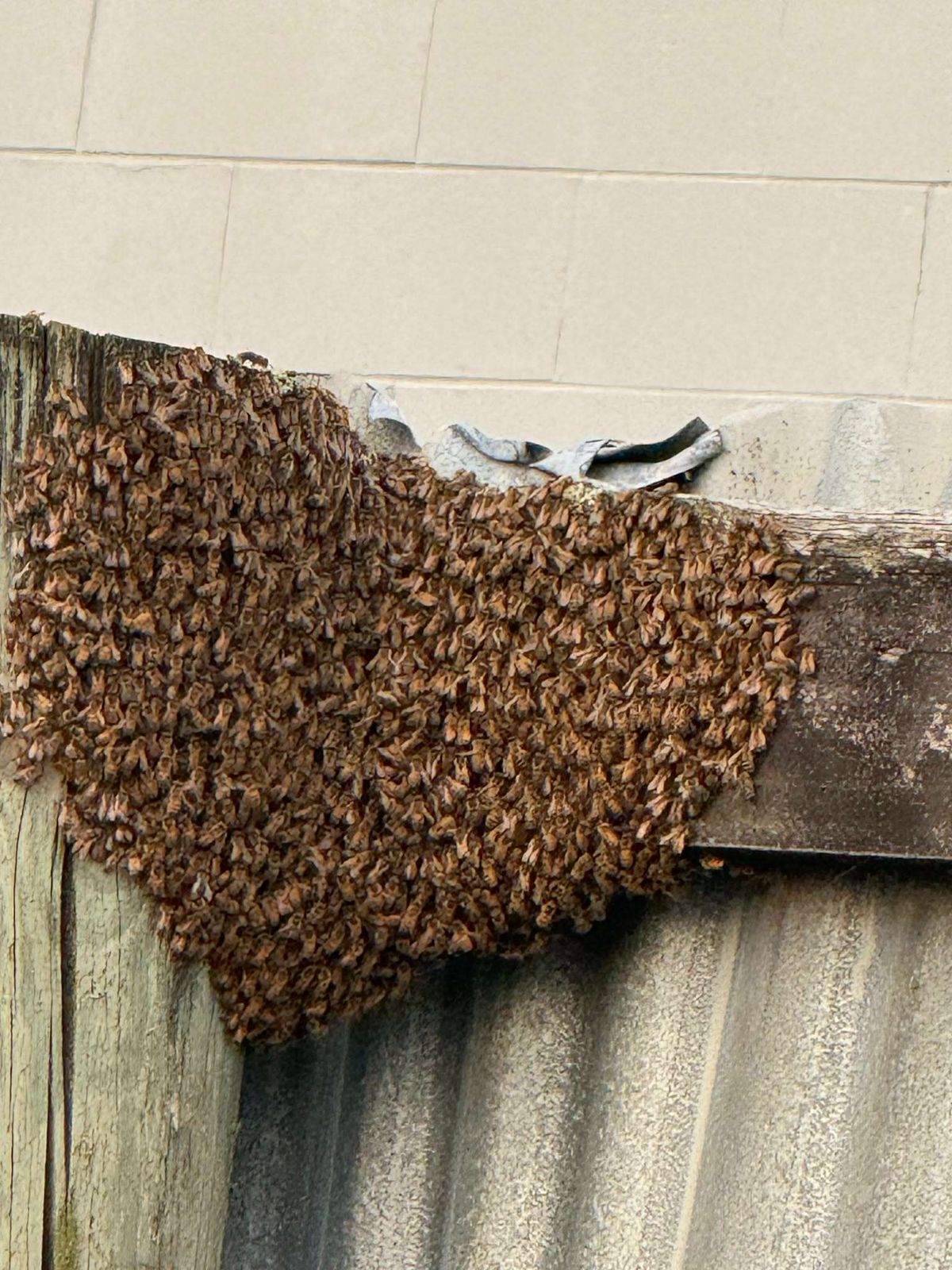
Across Wisconsin, from the shores of Lake Michigan in Milwaukee to the capital city of Madison and the northern communities of Green Bay, the arrival of spring signals a remarkable natural event: honey bee swarm season. As flowers bloom and temperatures rise, honey bee colonies expand rapidly, leading to a fascinating process of reproduction. Understanding the Wisconsin bee swarm calendar can help residents appreciate this phenomenon and know how to act when they encounter a swarm.
This guide provides a friendly overview of what to expect during swarm season and explains how you can play a crucial role in protecting these essential pollinators through community action.
A honey bee swarm is often misunderstood. Far from being an angry mob of bees, a swarm is a colony in the process of moving. It’s the natural way honey bees reproduce and create new colonies. The process begins inside an existing hive when the colony becomes crowded. The bees raise a new queen, and just before she emerges, the original queen leaves with about half of the worker bees—anywhere from 10,000 to 30,000 individuals.
This group flies a short distance and clusters together on a tree branch, fence post, or another surface while scout bees search for a suitable new home. The bees in this cluster are remarkably docile. Before leaving their original hive, they fill up on honey, making them full, sluggish, and not inclined to sting. They have no home, no young, and no honey stores to defend, so their primary focus is on finding a new permanent residence. This transient state usually lasts between 24 and 72 hours.
While an exact schedule is impossible to predict, the primary swarm season in Wisconsin is tied directly to the progression of spring. The peak period typically begins in the later part of spring and continues into early summer.
For most of the state, this means you are most likely to see honey bee swarms from the last weeks of April through June. This timing aligns with strong nectar flows from dandelions, fruit trees, and black locust trees, which provide the resources colonies need for rapid expansion. A mild spring could cause the season to start earlier, while a prolonged cool season could delay it. Monitoring local weather and plant life is the best way to anticipate the peak of swarm activity.
It is vital to understand the difference between a temporary swarm and an established honey bee colony, as the response for each is very different.
If you see bees entering and leaving a hole in a building, you likely have an established hive, not a swarm.
When you spot a swarm, the best thing you can do is keep a safe distance and report it. This simple act helps protect the bees from being harmed and connects a local beekeeper with a valuable resource. The Swarmed network is a free community service designed for this very purpose.
By reporting a swarm on the Swarmed platform, you send an immediate alert to a network of registered beekeepers in your area. This ensures a rapid, safe, and effective rescue. Our network facilitates thousands of rescues each year; in one state alone, beekeepers on the network responded to over 100 swarm alerts in a single season. Wisconsin beekeepers are just as ready and eager to help.
To report a cluster of bees and help your community, visit: https://beeswarmed.org/report-bee-colony (opens in a new tab)
We've designed our reporting tool to be as simple as possible:
This community-based system ensures that a precious natural resource—a healthy honey bee colony—is given a new home where it can be cared for and continue its vital work of pollination.
Honey bees are essential for Wisconsin's agriculture, from cranberries to apples and beyond. Every swarm that is successfully rescued and re-hived is a victory for the local ecosystem. By taking a few moments to report a swarm, you are not just solving a potential nuisance; you are actively participating in the conservation of a keystone species. You support local beekeepers by helping them grow their apiaries sustainably and contribute to a healthier environment for everyone.
Don't be alarmed by the sight of a honey bee swarm this spring. See it as an opportunity to help. Your call to a local beekeeper through the Swarmed network is a vital link in the chain of honey bee survival.
If you see a honey bee swarm in Wisconsin, take action to protect them. Report the swarm to connect with a local beekeeper who can provide a safe new home for the bees. Your report helps bees, beekeepers, and the entire community. Visit https://beeswarmed.org/report-bee-colony (opens in a new tab) to make a report today.
California's Golden Opportunity: Harnessing the Spring Swarm For beekeepers across California, the arrival of spring signals more than just almond blossoms and wildflo...
Read More...May 18, 2026
A Beekeeper's Guide to Swarm Collection in Idaho Spring has arrived in the Gem State, and with it, the unmistakable hum of honey bee swarms. For beekeepers, this is a...
Read More...May 18, 2026