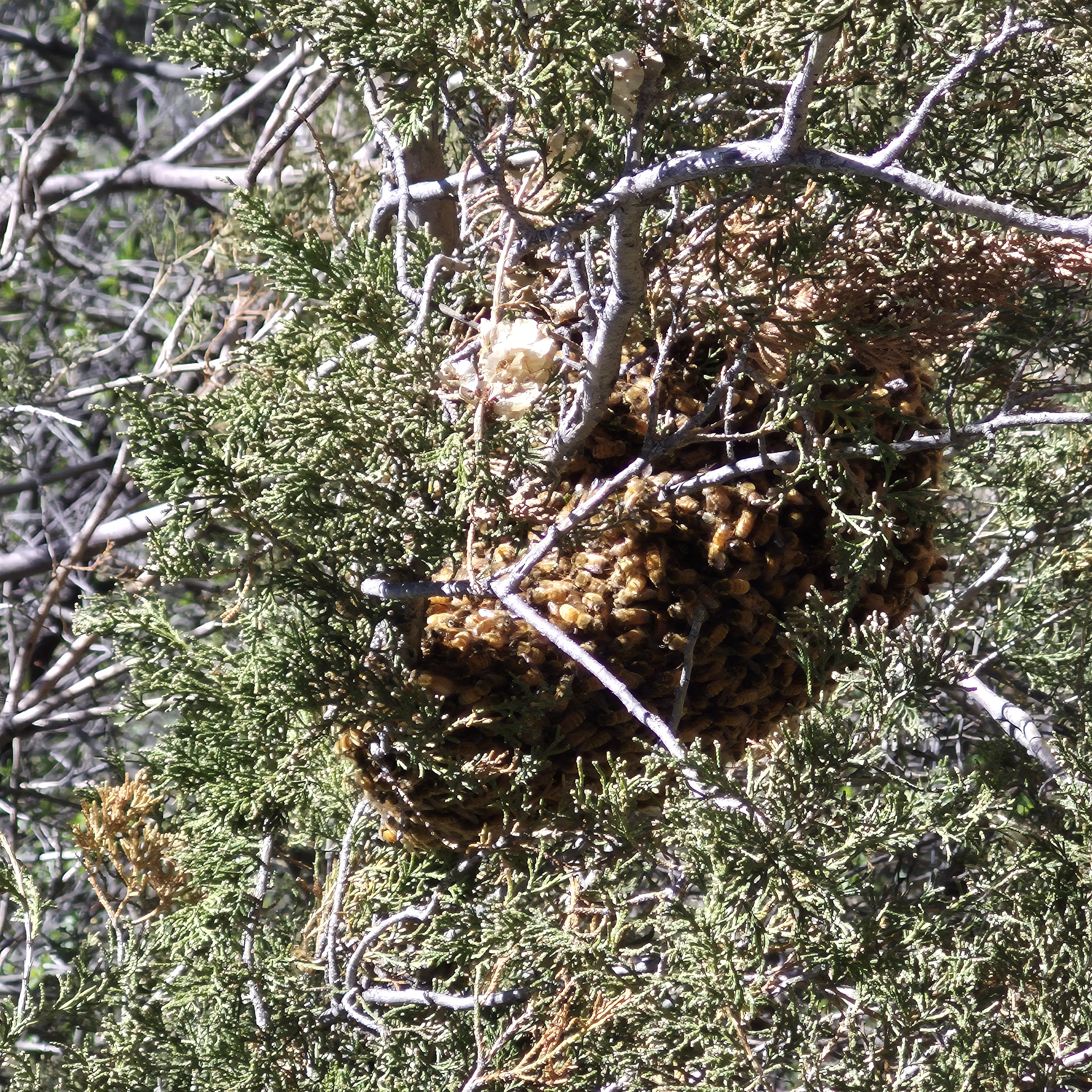
Alaska Bee Swarm Forecast: A Guide to Spring
Understanding Honey Bee Swarms in Alaska As the long days of spring return to Alaska, the landscape awakens, and with it, the state's honey bee populations. While not...
Read More...May 6, 2026
Home > Blog > Alabama's Spring Bee Swarm Season: What You Need to Know
May 6, 2026
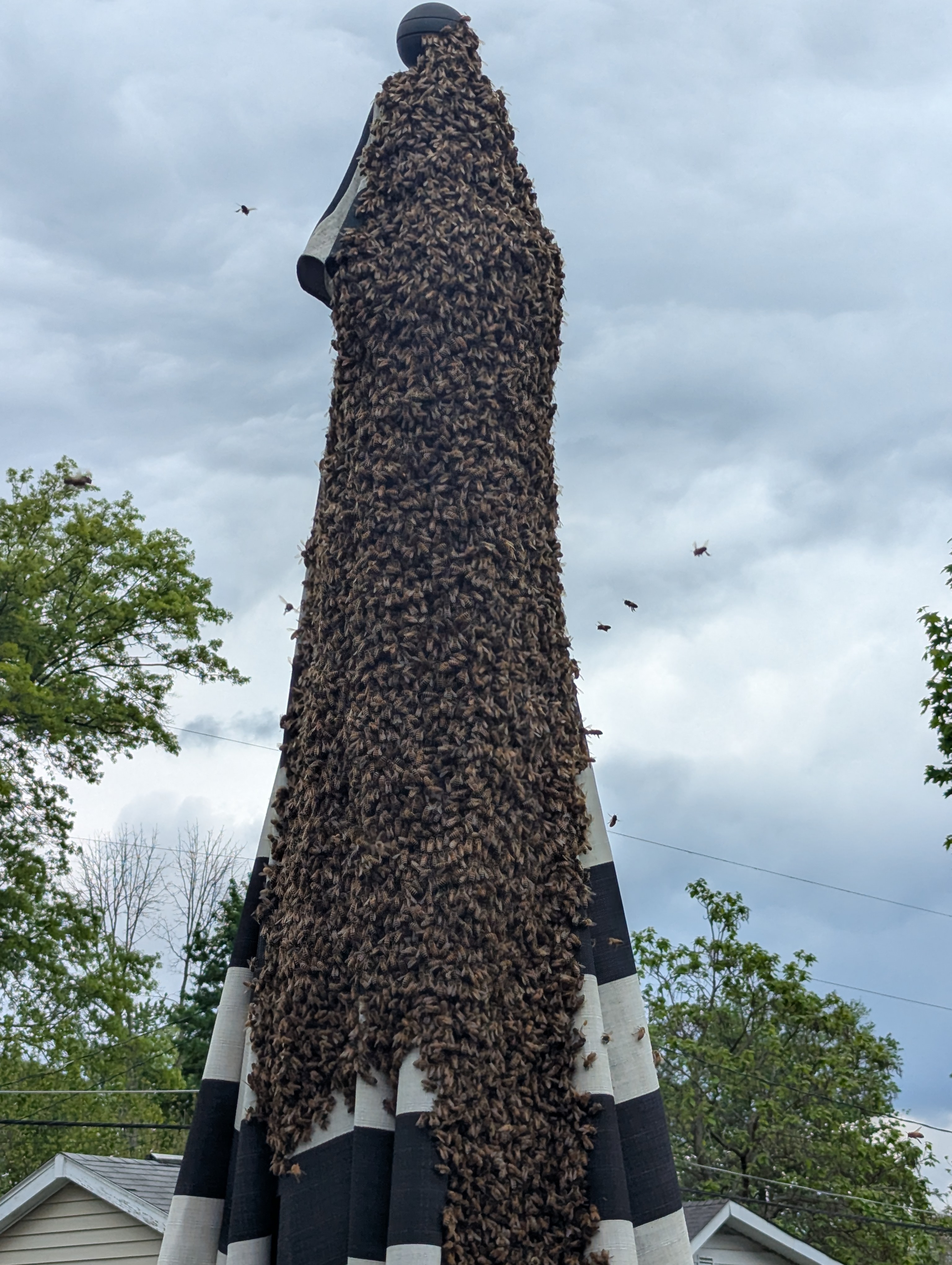
From the Tennessee Valley down to the Gulf Coast, the arrival of spring in Alabama brings blooming flowers, warmer days, and a unique natural phenomenon: honey bee swarm season. As hives become crowded with a booming population, they do what comes naturally—they reproduce. This process, called swarming, is a sign of a healthy, thriving honey bee population. For residents in Birmingham, Montgomery, Huntsville, and Mobile, spotting a large cluster of bees on a tree branch or fence post can be startling, but it's a temporary and fascinating part of nature's cycle.
Understanding what a swarm is and how to respond is crucial for both public safety and the well-being of these essential pollinators. Swarming is the honey bee's way of creating a new colony. The old queen leaves the original hive with about half the worker bees, while a new queen prepares to take over the established home. The traveling group, or swarm, clusters together temporarily while scout bees search for a suitable new permanent residence. During this phase, the bees are surprisingly docile. They have filled up on honey for the journey and have no home, brood, or food stores to defend, making them less likely to sting than bees at an established hive.
Knowing the difference between a honey bee swarm and an established colony is essential, as it determines the proper course of action and what to expect from a beekeeper. The terms are not interchangeable, and the distinction often comes down to cost and complexity.
A honey bee swarm is:
Collection of a swarm is typically a straightforward process for a beekeeper and is often performed for free. Beekeepers are happy to give these bees a safe, managed home where they can thrive.
An established colony or hive is:
Removing an established colony is a complex job known as a "cutout." It requires carpentry skills, specialized equipment, and significant time to open the structure, carefully remove the bees and comb, and repair the damage. This is a specialized service, and beekeepers will provide a quote for the work based on its difficulty. This service costs money.
When you see a swarm, you have an opportunity to play a vital role in protecting honey bees and supporting local beekeepers. These swarms represent the future of bee populations, which are critical for pollinating the crops that are part of Alabama's agricultural landscape. Instead of calling an exterminator, which harms bees and the environment, you can connect the swarm with a local expert who can give it a proper home.
The volume of swarms can be significant. To give an idea of the scale, beekeepers in a state like Nevada reported rescuing over 100 swarms in a single season through networks designed to connect them with the public. Every report helps preserve a local honey bee colony.
This is where Swarmed provides a crucial link. Our platform is a dedicated dispatch network that instantly alerts registered local beekeepers when a swarm is reported nearby. By using our service, you are not only ensuring the bees are collected humanely but also helping a local beekeeper strengthen their apiary.
If you encounter a honey bee swarm, there is no need to panic. Follow these simple steps to ensure a safe and positive outcome for both you and the bees:
By reporting the swarm, you help ensure these valuable pollinators are protected. Reporting a swarm through the Swarmed network is free to use; we simply ask for an optional suggested contribution of $12 to help support our platform and continue our work of saving honey bees.
To report a swarm and connect with an Alabama beekeeper, visit us at: https://beeswarmed.org/report-bee-colony (opens in a new tab)
The Alabama bee swarm season in spring is a sign of a healthy ecosystem. By understanding what a swarm is and knowing how to act, you become an important partner in protecting these vital creatures. Reporting a swarm is a simple, effective action that supports local beekeepers, promotes biodiversity, and ensures honey bees can continue their essential work of pollination across the state.
If you see a swarm, don't wait. Help a local beekeeper give those bees a new home. Report the swarm at https://beeswarmed.org/report-bee-colony (opens in a new tab) and contribute to a healthier environment for your community.
Understanding Honey Bee Swarms in Alaska As the long days of spring return to Alaska, the landscape awakens, and with it, the state's honey bee populations. While not...
Read More...May 6, 2026
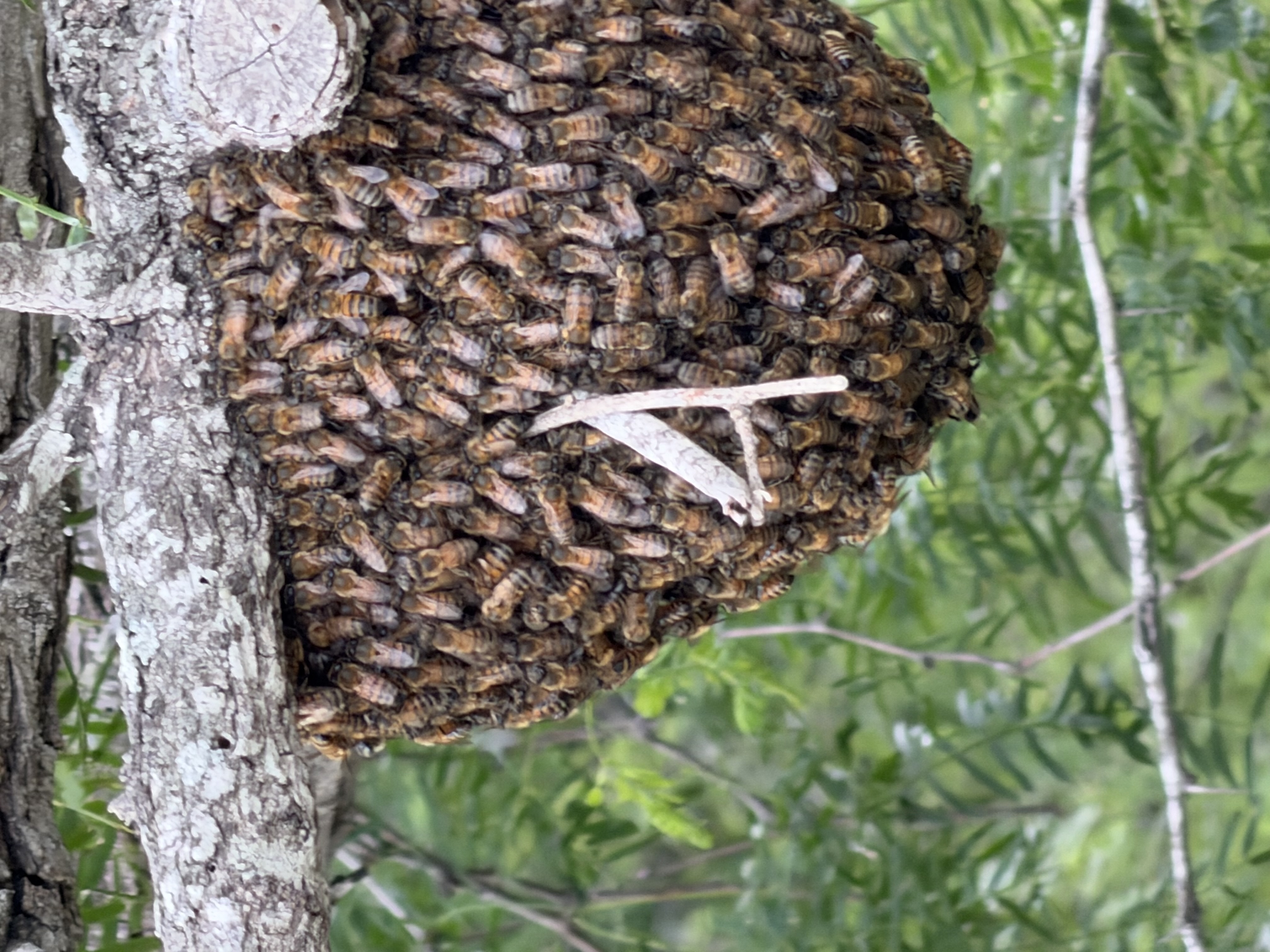
The Rhythm of Spring in the Desert Southwest As the desert landscape bursts into color, from the palo verde blossoms in Phoenix to the blooming cacti around Tucson, an...
Read More...May 6, 2026
