
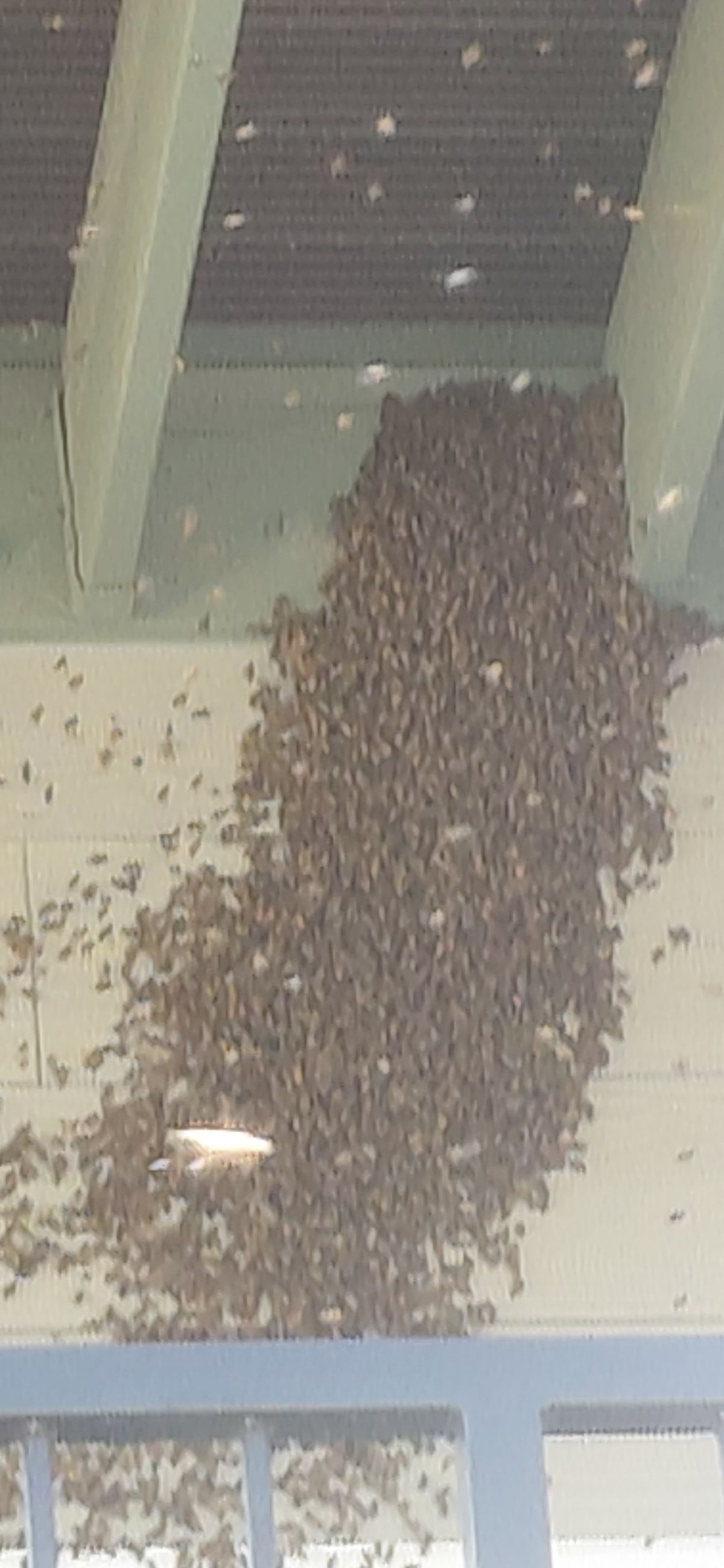
A Beekeeper's Guide to Swarm Season in California
California's Golden Opportunity: Harnessing the Spring Swarm For beekeepers across California, the arrival of spring signals more than just almond blossoms and wildflo...
Read More...May 18, 2026
Home > Blog > Alaska Bee Swarm Forecast: A Guide to Spring
May 6, 2026
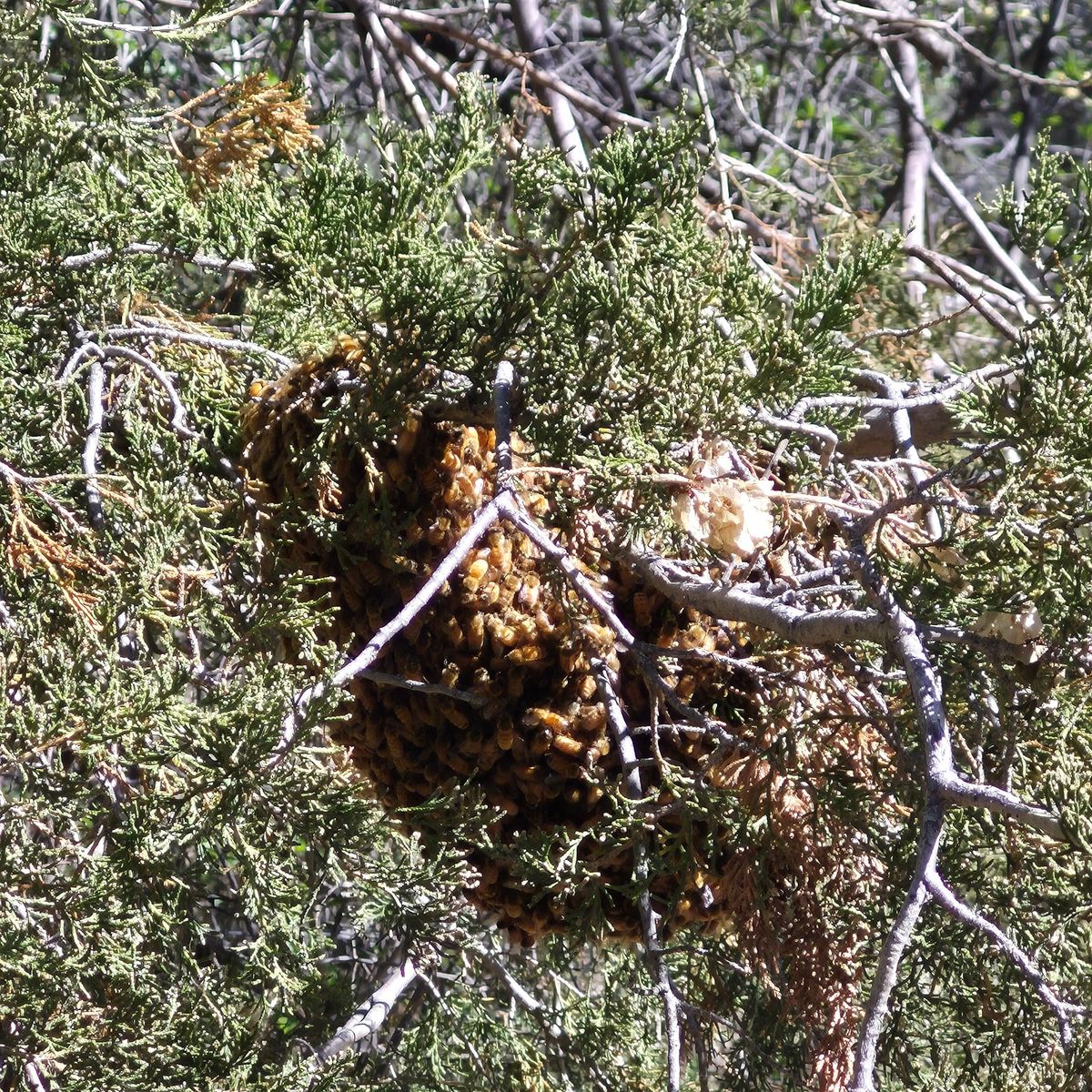
As the long days of spring return to Alaska, the landscape awakens, and with it, the state's honey bee populations. While not as common as in warmer climates, honey bee swarms are a natural and fascinating part of the season in communities from Anchorage to Fairbanks. A swarm signifies a healthy, growing honey bee colony—it is the natural process of bee reproduction. Understanding this event is key to ensuring the safety of both the bees and the public.
An increase in beekeeping across the state, particularly in the Mat-Su Valley and urban centers, means more potential for swarms. This forecast provides residents with the information needed to identify, understand, and safely report a honey bee swarm, helping to protect these vital pollinators.
A honey bee swarm is a colony in transition. In late spring, when a hive becomes overcrowded, the old queen bee will leave with about half of the worker bees to find a new home. The bees that remain will raise a new queen to continue the original colony.
The traveling group, or swarm, will temporarily cluster on a tree branch, fence post, or building facade while scout bees search for a suitable permanent cavity. This cluster can be an impressive sight, often forming a large, buzzing ball of thousands of bees. Despite their appearance, bees in a swarm are typically at their most docile. Before leaving their original hive, they fill up on honey, making them less inclined to sting as they have no home, brood, or food stores to defend.
This temporary stop usually lasts between 24 and 72 hours. It is a critical period where the bees are vulnerable and can be safely rescued by a knowledgeable beekeeper.
It is essential to understand the difference between a temporary swarm and an established colony, as this affects how they are handled and the associated costs.
When you report bees, a beekeeper will clarify the situation with you. Swarm collection is normally free—beekeepers want these bees. However, if bees have established a hive in your wall or structure with built comb, removal requires specialized skills and carpentry work. Expect the beekeeper to provide a fair quote based on complexity and repairs needed. You can accept or reject the quote. Reporting a swarm on Swarmed is free to use—we ask for an optional suggested contribution of $12 to help support the platform.
The Alaska bee swarm forecast is highly dependent on local weather patterns. Swarming activity begins when temperatures consistently rise and flowering plants provide ample nectar. This generally occurs in late spring and early summer.
Every report of a swarm helps build a more accurate picture of bee activity in the state. The Swarmed network is growing in Alaska, and every alert helps. In other states like Nevada, a small but dedicated group of beekeepers successfully rescued over 100 swarms last season, demonstrating the impact a connected community can have.
When you see a honey bee swarm, you have a unique opportunity to help. The Swarmed platform connects people who spot swarms with local beekeepers who can provide the bees with a safe, managed home. By reporting a swarm, you are not just solving a potential nuisance; you are actively participating in the preservation of honey bees, which are essential for pollinating many of Alaska's crops and wild plants.
Supporting local beekeepers also strengthens the local food system and community. Your simple action helps a neighbor expand their apiary and continue their important work as stewards of these incredible insects.
If you encounter a honey bee swarm, your safety and the safety of the bees are the top priorities.
What You Should Do:
What You Should Not Do:
By following these simple guidelines, you can ensure a positive outcome for everyone involved.
Honey bee swarms are a sign of a thriving ecosystem. This spring, if you spot a cluster of bees in your community, you know exactly what to do. Your observation is the crucial first step in a successful rescue. By taking a moment to report it, you are helping to protect honey bees, supporting Alaska's beekeepers, and contributing to the health of your local environment. Help save a honey bee colony by reporting its location to the Swarmed network.
If you see a swarm, please report it at https://beeswarmed.org/report-bee-colony.
California's Golden Opportunity: Harnessing the Spring Swarm For beekeepers across California, the arrival of spring signals more than just almond blossoms and wildflo...
Read More...May 18, 2026
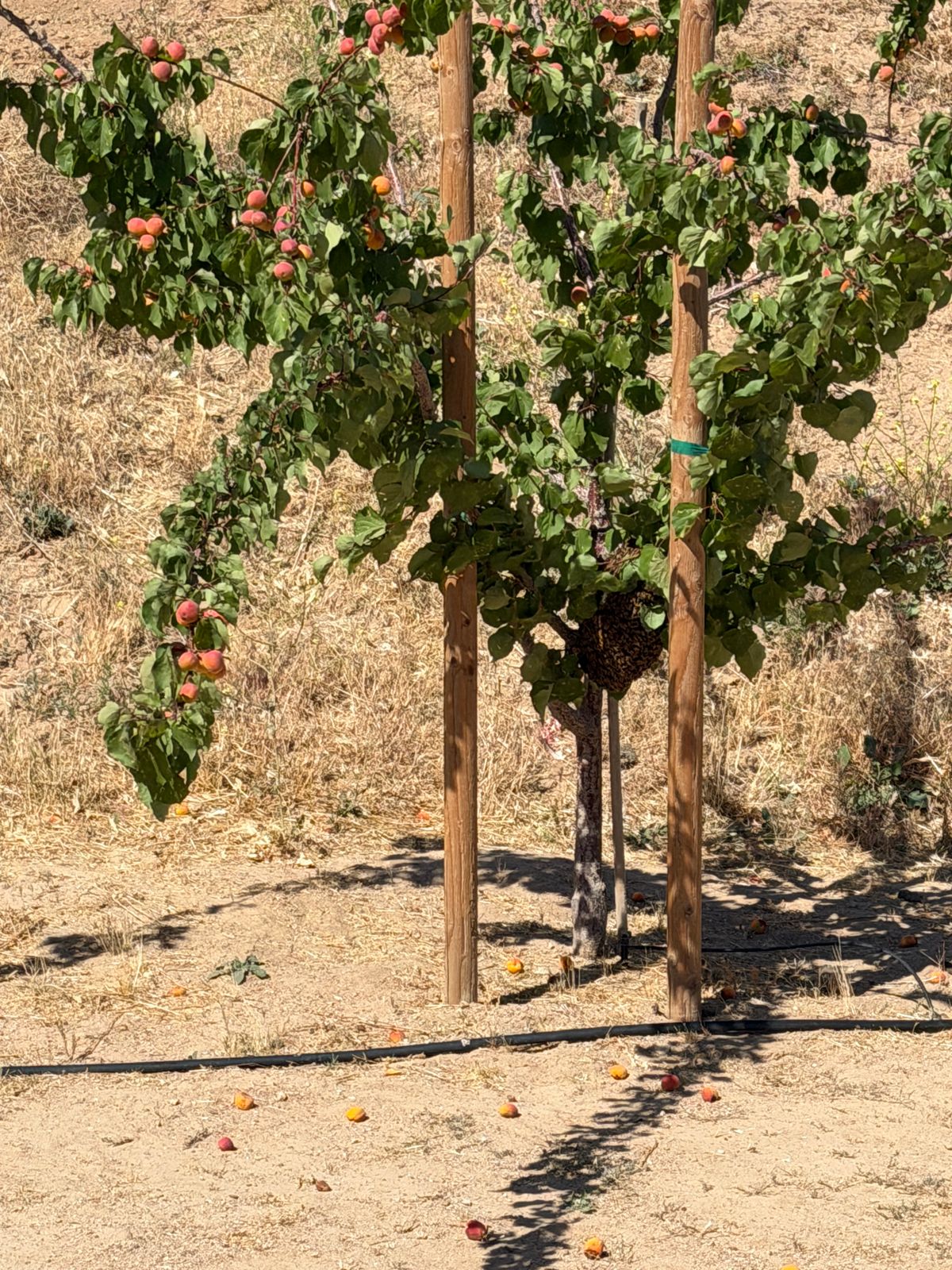
A Beekeeper's Guide to Swarm Collection in Idaho Spring has arrived in the Gem State, and with it, the unmistakable hum of honey bee swarms. For beekeepers, this is a...
Read More...May 18, 2026