
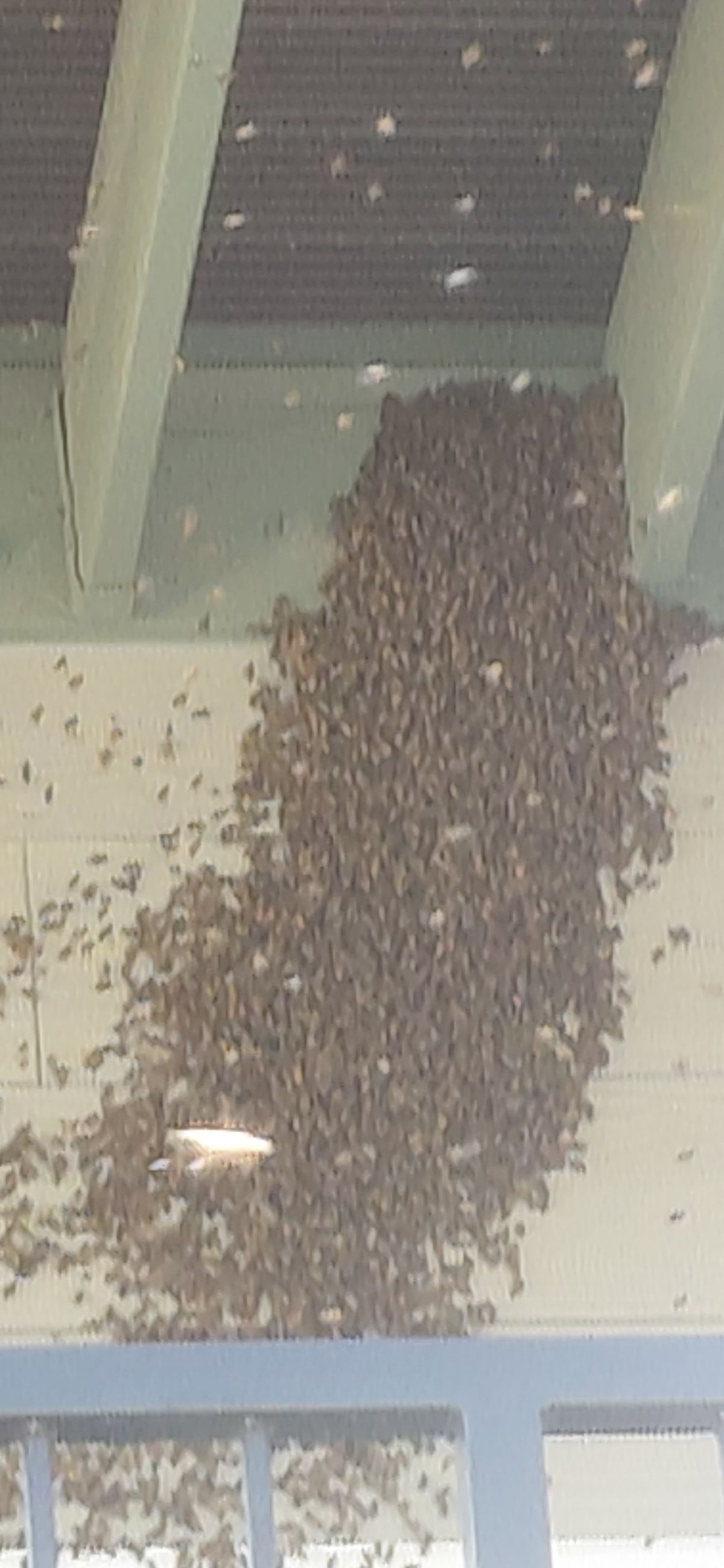
A Beekeeper's Guide to Swarm Season in California
California's Golden Opportunity: Harnessing the Spring Swarm For beekeepers across California, the arrival of spring signals more than just almond blossoms and wildflo...
Read More...May 18, 2026
Home > Blog > Winter Beekeeping: Hive Monitoring and Swarm Readiness
January 25, 2026
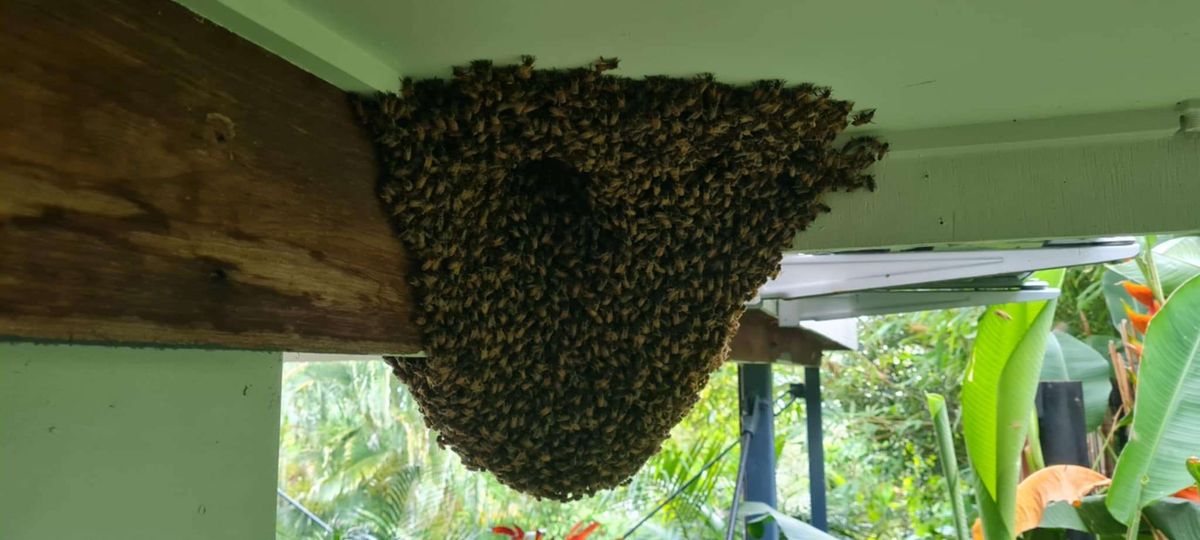
The quiet of winter can be a much-needed respite for many beekeepers. But even in the coldest months, responsible hive management and swarm awareness are still important. While full-blown swarm season is months away for most North American beekeepers, winter can still present unique challenges and opportunities to prepare for the upcoming year.
Even if you're not actively opening hives, external monitoring is essential. Look for:
While swarm season might seem distant, winter is the perfect time to:
Even in winter, unseasonable warm spells can trigger unexpected bee activity. Being part of the Swarmed network ensures you're ready to respond to any situation. Get free local swarm alerts when a swarm is reported by the public. Swarmed helps you save money and protect valuable pollinators. Sign up today and be prepared for whatever the season throws your way: [https://beeswarmed.org/beekeeper-signup]
Winter beekeeping requires diligence and preparation. By taking proactive steps, you can ensure your colonies emerge strong and healthy in the spring, ready for another productive season.
California's Golden Opportunity: Harnessing the Spring Swarm For beekeepers across California, the arrival of spring signals more than just almond blossoms and wildflo...
Read More...May 18, 2026
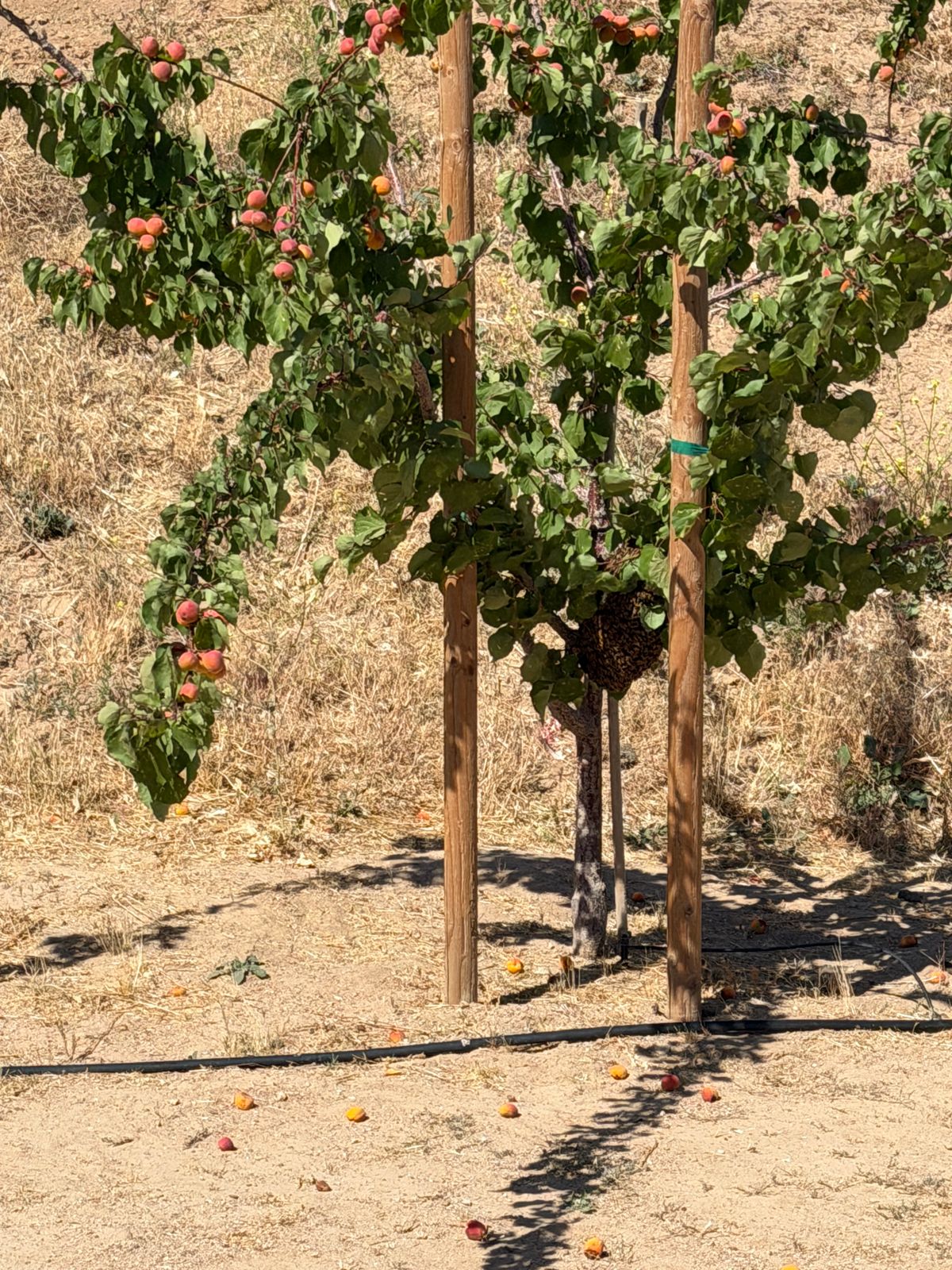
A Beekeeper's Guide to Swarm Collection in Idaho Spring has arrived in the Gem State, and with it, the unmistakable hum of honey bee swarms. For beekeepers, this is a...
Read More...May 18, 2026