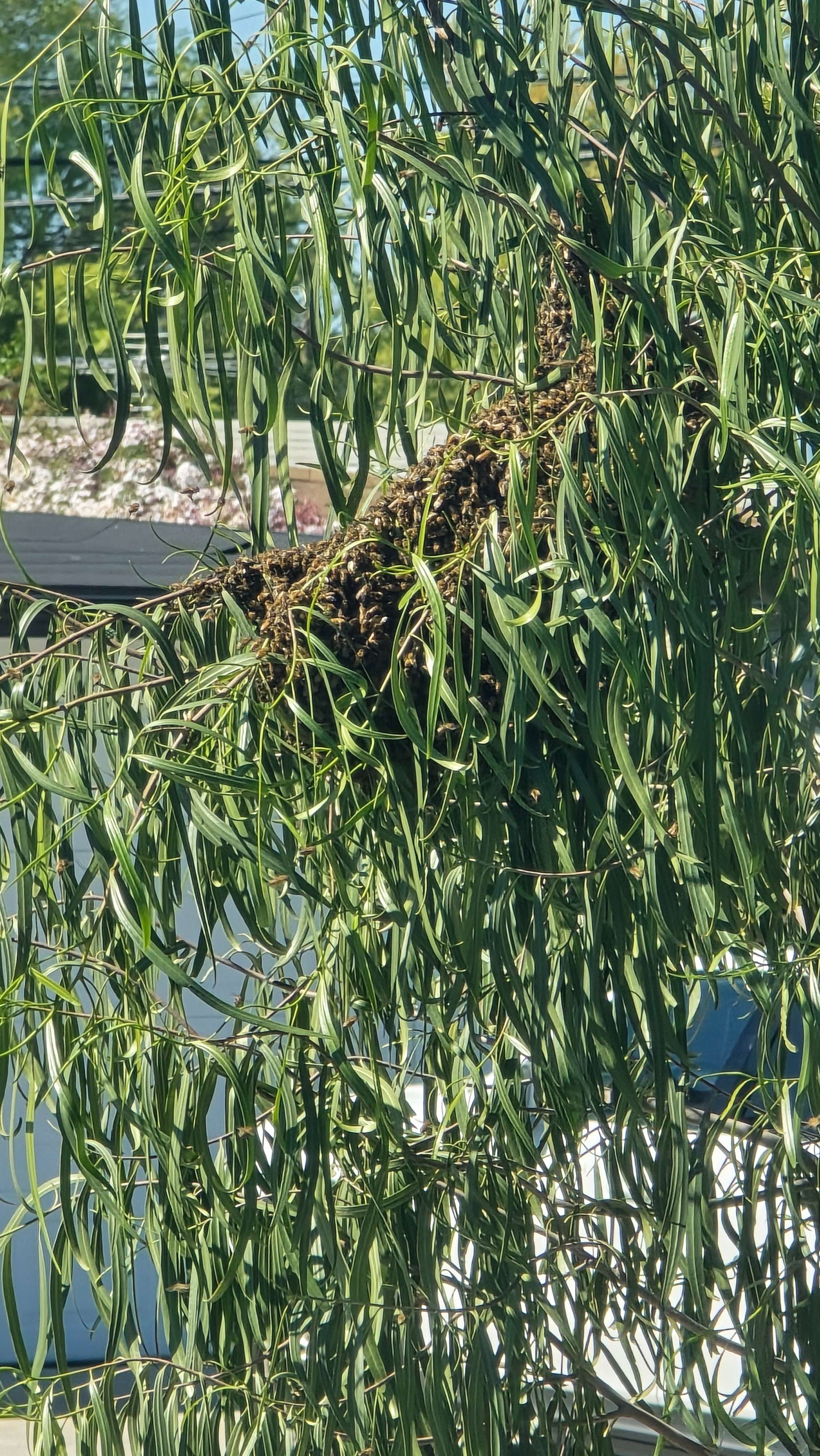
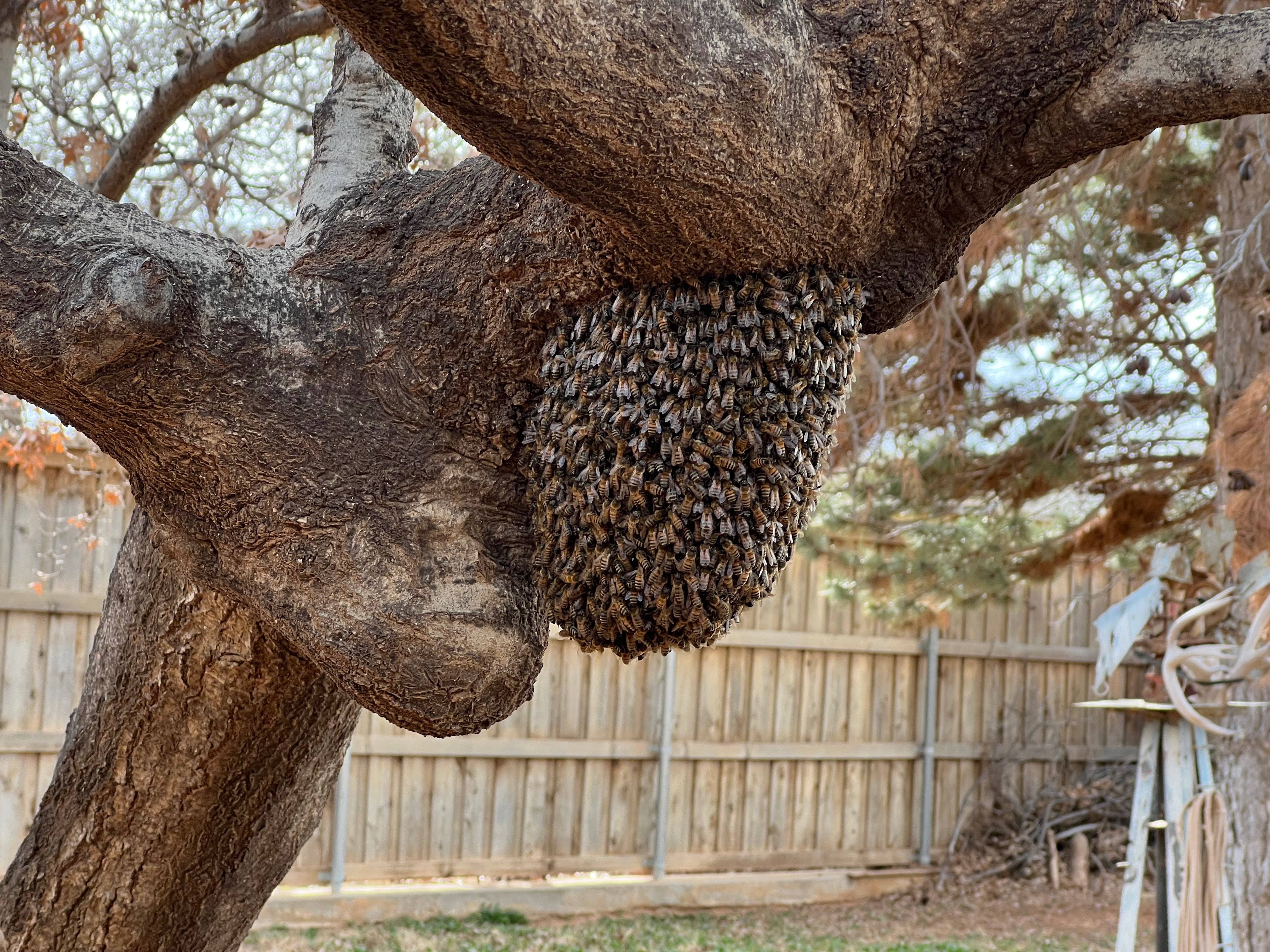
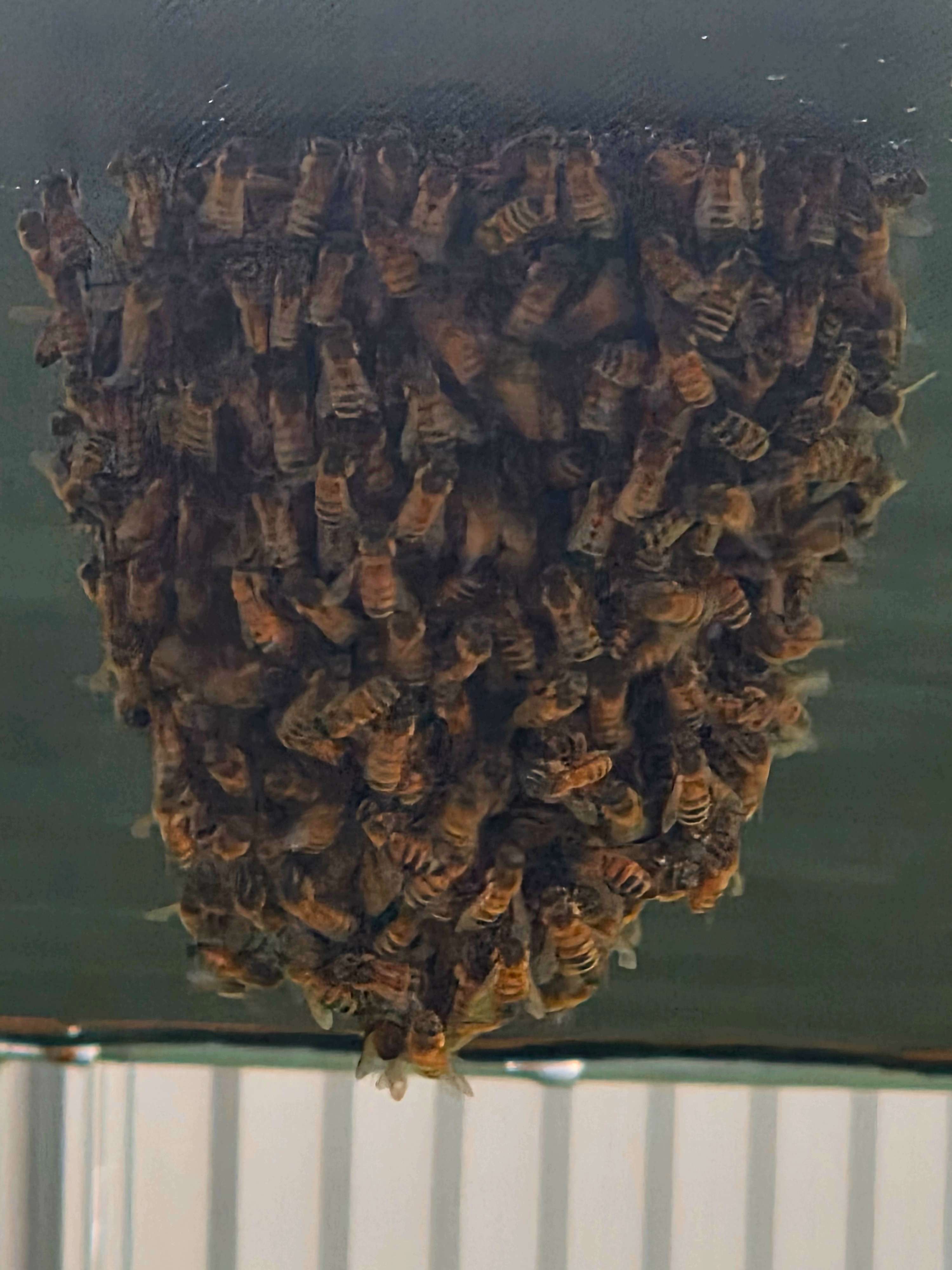
As Florida's spring unfolds in March, bringing warmer temperatures and abundant blossoms, honey bee colonies naturally begin to expand. This growth often leads to a fascinating natural event: swarming. When a colony outgrows its home, a portion of the bees, along with the old queen, will leave to establish a new one.
Understanding a Honey Bee Swarm
A honey bee swarm is a temporary cluster of thousands of bees, typically ranging from 10,000 to 50,000 individuals, often seen on tree branches, fences, or bushes. These bees are in a transient state, resting while scout bees search for a new, permanent home. Swarms are generally docile; the bees are engorged with honey for their journey and have no hive, brood, or honey stores to defend. This temporary cluster usually lasts between 24 and 72 hours before they move on.
Swarm vs. Established Hive: Know the Difference
It is crucial to distinguish between a temporary swarm and an established colony:
- Swarm: A transient cluster of bees, often hanging from an object. They have not yet built comb. Rescue of swarms is normally free, as beekeepers are eager to welcome these valuable pollinators into their apiaries.
- Established Hive: Bees that have built comb and established residence inside a structure, such as a wall, roof, or shed. These colonies contain brood, honey, and wax comb. Bees in an established hive are defensive of their home and resources. Removal of an established hive, known as a 'cutout,' requires specialized skills and tools, and typically incurs a cost. Beekeepers will provide a fair quote for this complex work, which can range from $200 to $800+ depending on accessibility and the extent of structural work required.
Why Report a Swarm in Florida?
Reporting a swarm is a vital step in protecting honey bees, which are essential pollinators for Florida's agriculture and natural ecosystems. By reporting a swarm:
- You protect honey bees from extermination, contributing to the health of our environment.
- You support local beekeepers who provide a free rescue service for swarms.
- You save money, avoiding the cost of expensive pest removal services.
Across North America, our network has helped protect over 150 million bees and saved beekeepers more than $500,000 in replacement costs. When you report a swarm, you become part of this critical conservation effort.
What to Do When You Find a Swarm
- Stay Calm and Keep Your Distance: A swarm is generally docile, but it's always best to maintain a safe distance (10-15 feet) and keep children and pets away.
- Do Not Disturb: Avoid spraying the bees with water, attempting to move them, or using pesticides. This can agitate them and is harmful.
- Report Immediately: Use Swarmed's platform to connect with local beekeepers in Florida who are ready to rescue swarms. Even if you are unsure whether the insects are honey bees or another species, please report them. Our AI verification system can help identify them and guide you to the appropriate resources.
Reporting a swarm on Swarmed is completely free to use. If you wish to support the platform and help us continue connecting communities with local beekeepers, a suggested contribution of $12 is always appreciated.
Get Free Bee Swarm Rescue in Florida
If you encounter a bee swarm in Florida this spring, do your part to protect these vital pollinators. Report it quickly and easily through Swarmed, and a local beekeeper will be notified to rescue them.
**Report a bee colony now: https://beeswarmed.org/report-bee-colony (opens in a new tab)