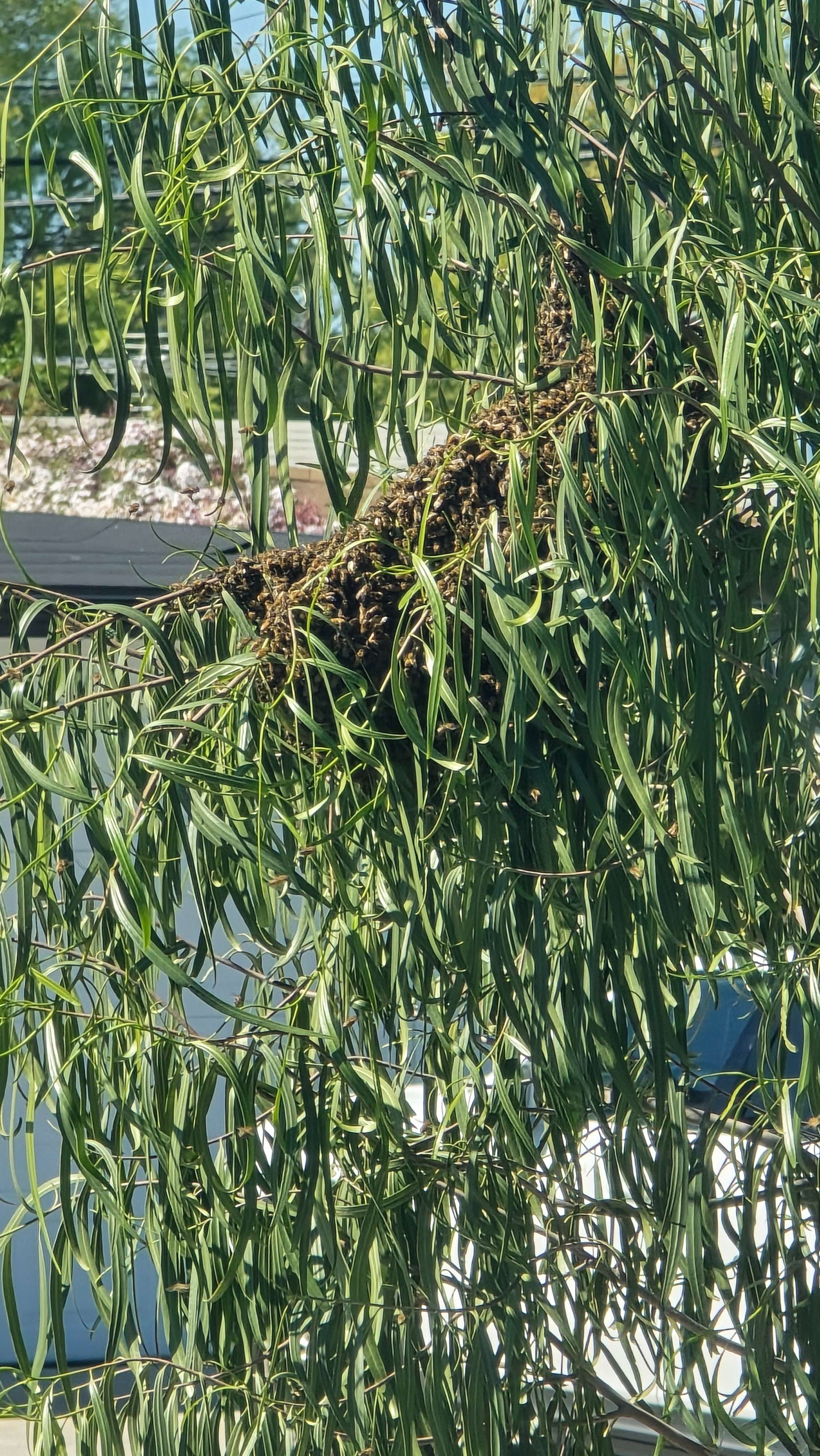
Found a Bee Swarm in Florida? Here's What to Do
As Florida's spring unfolds in March, bringing warmer temperatures and abundant blossoms, honey bee colonies naturally begin to expand. This growth often leads to a fa...
Read More...March 10, 2026
Home > Blog > Spring Bee Swarms: Free Rescue for Honey Bees
March 4, 2026
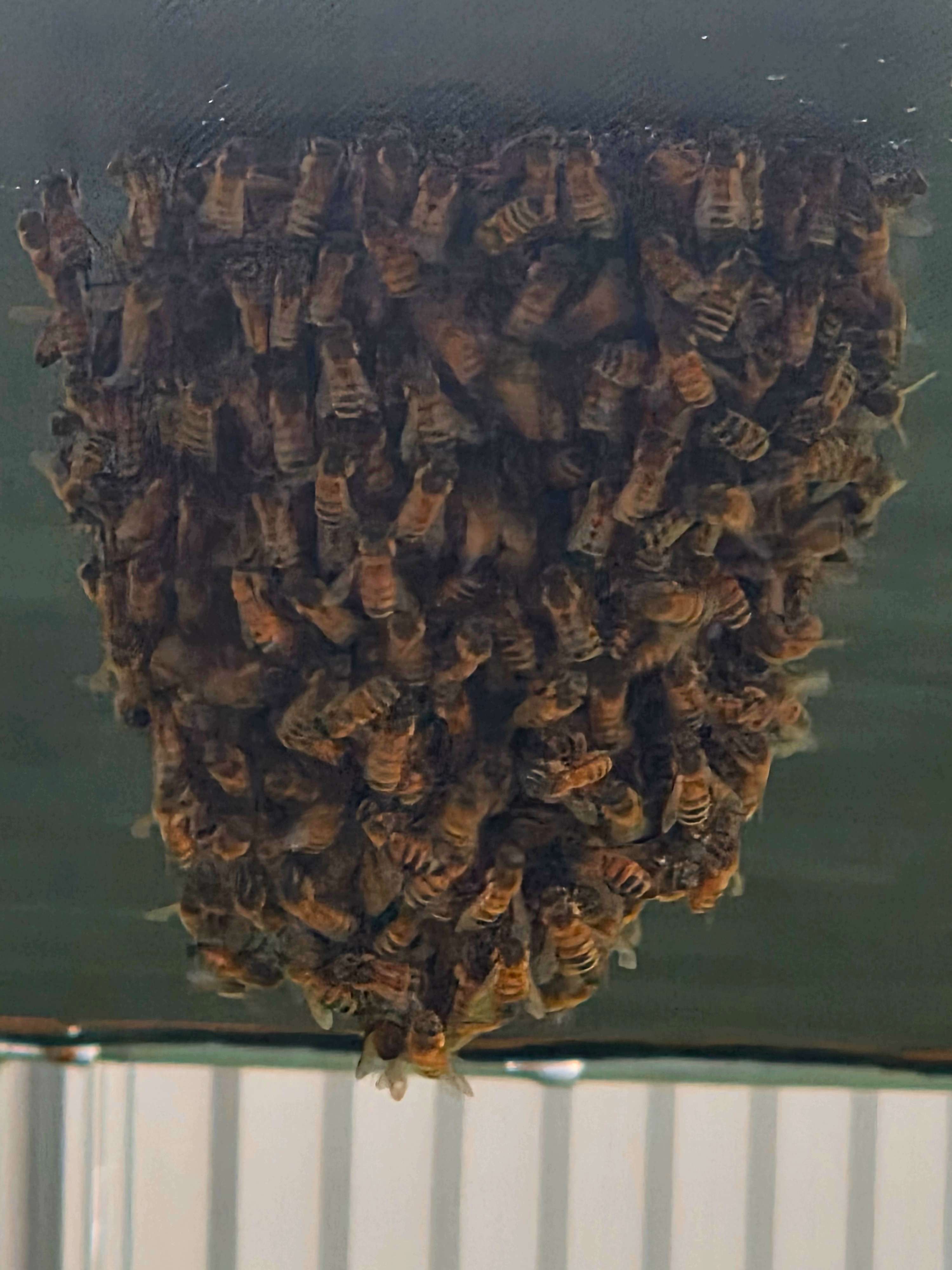
Spring has arrived, and with warmer weather comes increased activity in the natural world, including honey bees. As flowers bloom and temperatures rise, you might encounter a fascinating natural phenomenon: a cluster of bees on a tree branch, fence post, or even a bush. This is most likely a honey bee swarm, and understanding what to do can make all the difference for these vital pollinators.
A swarm is a temporary cluster of honey bees in transit, often numbering between 10,000 and 30,000 individuals, accompanied by their queen. Swarming is how honey bee colonies naturally reproduce. When a hive becomes too crowded, about half the bees and the old queen leave to find a new home. Before they settle into a permanent location, they will rest in a temporary cluster, typically for 24 to 72 hours, while scout bees search for a suitable cavity.
Crucially, swarming bees are generally docile. They are engorged with honey for their journey and have no hive or brood to defend, making them less likely to sting unless provoked. They are simply resting and regrouping.
Local beekeepers are eager to rescue swarms. These clusters represent a valuable opportunity for beekeepers to expand their apiaries and support bee populations. Instead of calling an exterminator, which costs money and destroys a crucial pollinator colony, reporting a swarm to a beekeeper allows for its safe relocation and continued contribution to our ecosystem. Over 150 million bees have been protected through swarm rescue, saving beekeepers over $500,000 in replacement costs.
It's important to distinguish a temporary swarm from an established colony. If bees have built comb and taken up residence inside a structure—like a wall, roof, or shed—this is an established hive. These bees have brood (baby bees), honey stores, and a complex wax comb infrastructure to protect. Unlike a temporary swarm, an established colony will be defensive of its home.
Removing an established colony, often called a "cutout," is a specialized and labor-intensive process. It typically requires carpentry skills to access the bees within the structure, careful removal of comb, and often repairs. For these reasons, established hive removal is a paid service, and beekeepers will provide a fair quote based on the complexity, time, and repairs involved. You are welcome to accept or reject this quote.
If you encounter a cluster of bees, your first priority is safety. Maintain a distance of 10-15 feet, keep children and pets away, and never attempt to disturb or remove the bees yourself. Even if you're unsure whether it's a swarm or an established colony, or even if they are honey bees, reporting it is the best course of action. Swarmed's platform can help identify the insects and connect you with appropriate local help.
Reporting a swarm on Swarmed is completely free. If you'd like to support the platform and help us keep connecting communities with local beekeepers, a suggested contribution of $12 goes a long way.
Protect honey bees and support your local beekeeping community. Report swarms you find quickly and easily.
As Florida's spring unfolds in March, bringing warmer temperatures and abundant blossoms, honey bee colonies naturally begin to expand. This growth often leads to a fa...
Read More...March 10, 2026
February in Rhode Island brings cooler temperatures, yet it is a critical time for beekeepers to begin preparations for the upcoming swarm season. As the days lengthen...
Read More...March 4, 2026
