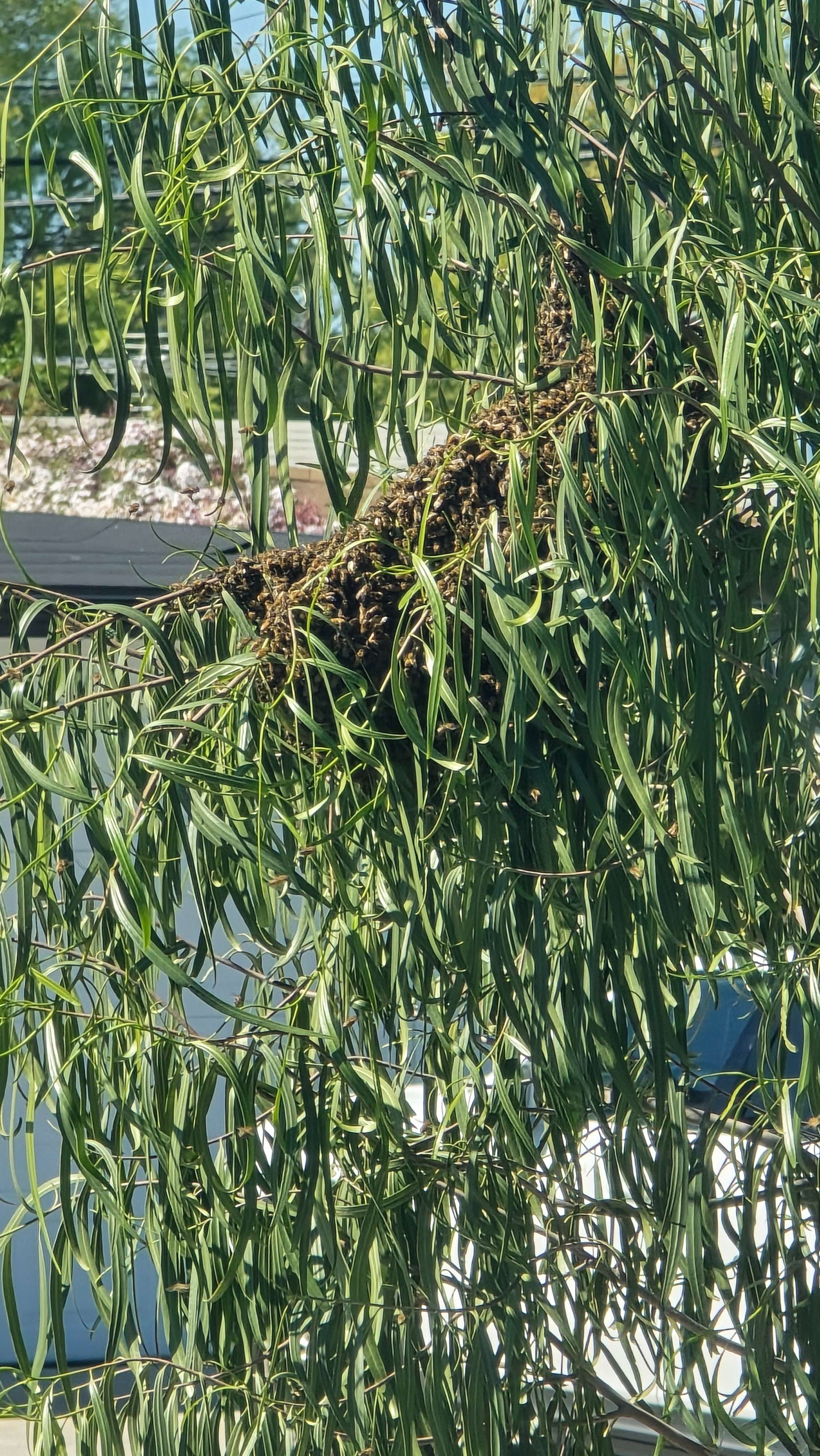
Found a Bee Swarm in Florida? Here's What to Do
As Florida's spring unfolds in March, bringing warmer temperatures and abundant blossoms, honey bee colonies naturally begin to expand. This growth often leads to a fa...
Read More...March 10, 2026
Home > Blog > Rhode Island Beekeepers: Prepare for the Upcoming Swarm Season
March 4, 2026
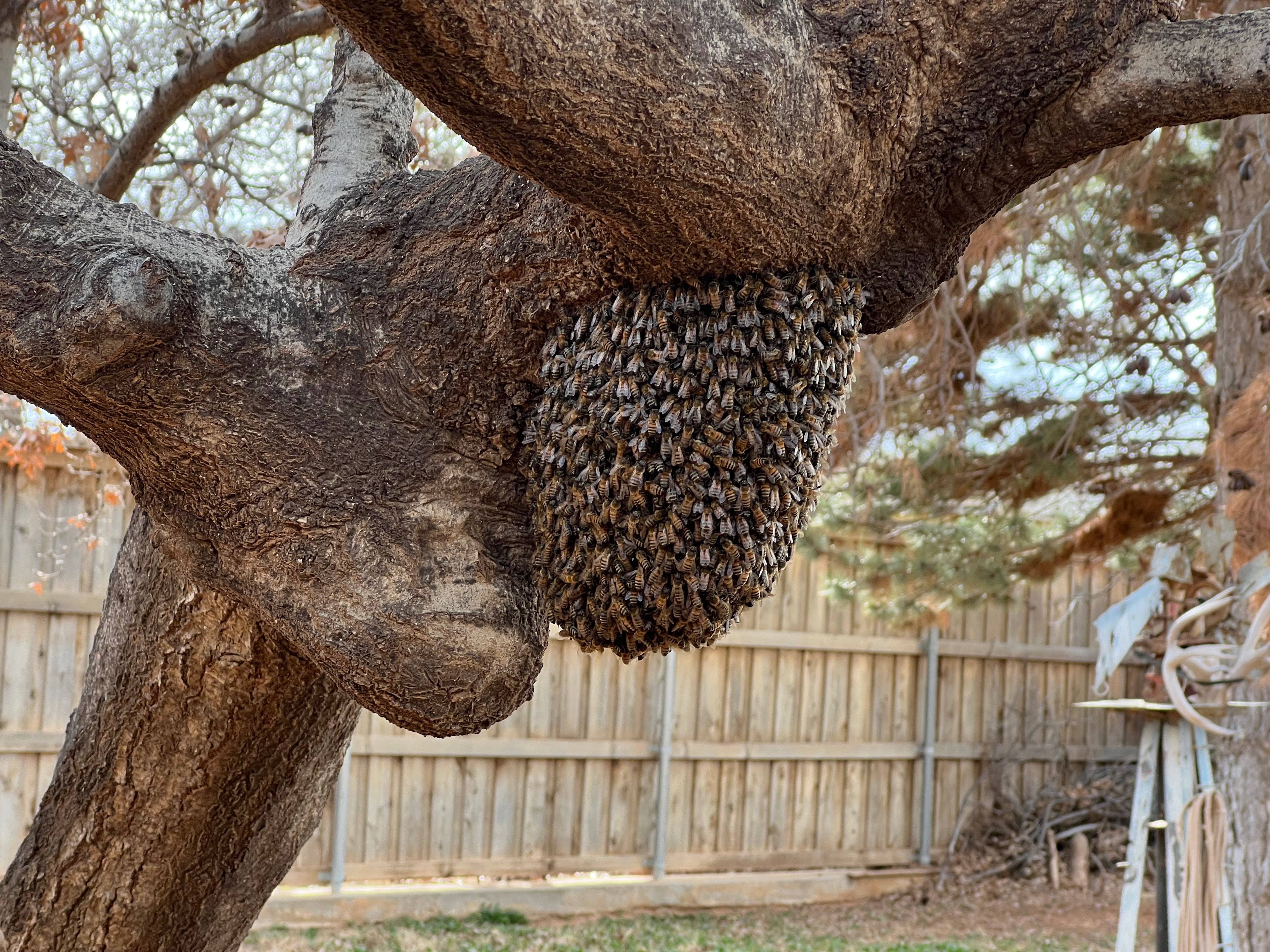
February in Rhode Island brings cooler temperatures, yet it is a critical time for beekeepers to begin preparations for the upcoming swarm season. As the days lengthen, honey bee colonies will soon expand, leading to the natural phenomenon of swarming. Rhode Island, with its increasing need for dedicated bee rescuers, offers a significant opportunity for beekeepers to expand their apiaries and contribute to local bee health.
Rhode Island is experiencing a rising demand for beekeepers capable of rescuing honey bee swarms. These transient clusters of bees, typically 10,000-30,000 strong, represent a colony's natural reproduction process. Swarms are often docile and provide an excellent, free source of healthy, genetically diverse bees for any apiary. By joining a network like Swarmed, local beekeepers can connect directly with residents who encounter these swarms, preventing unnecessary extermination and saving valuable pollinators.
"The proactive engagement of beekeepers in states like Rhode Island is vital," states a Swarmed spokesperson. "Every swarm rescued contributes to the resilience of our bee populations and strengthens the local beekeeping community. We're seeing a clear need in Rhode Island, and it's an exciting time for beekeepers there to make a substantial impact."
Even with winter's chill, February is the ideal month to prepare for early spring swarms. Beekeepers can take several actionable steps:
Swarmed connects beekeepers with local swarm reports efficiently. The platform provides free unlimited email swarm alerts, ensuring you are notified of opportunities in your area without any commitment or cost. For beekeepers seeking a competitive edge, becoming a Contributor unlocks SMS/WhatsApp alerts, which significantly increase response speed. Beekeepers utilizing instant alerts claim 9x more swarms than email-only users, gaining a substantial advantage.
It is important to understand the distinction between a transient swarm (which beekeepers rescue for free) and an established colony (bees that have built comb within a structure, requiring a professional cutout service, for which a beekeeper will provide a fair quote). Swarmed helps identify both, ensuring appropriate action.
With nearly 10,000 beekeepers in our network, Swarmed has collectively protected over 150 million bees and saved beekeepers more than $500,000 in replacement costs. Join the network and be part of this impactful community.
Rhode Island needs your expertise. By registering as a Swarmed beekeeper, you gain access to local swarm alerts, contributing to bee conservation and growing your apiary with healthy, rescued bees. There is no cost to join, and no commitment required.
Sign up for Swarmed and start receiving free local swarm alerts: https://beeswarmed.org/beekeeper-signup (opens in a new tab)
As Florida's spring unfolds in March, bringing warmer temperatures and abundant blossoms, honey bee colonies naturally begin to expand. This growth often leads to a fa...
Read More...March 10, 2026
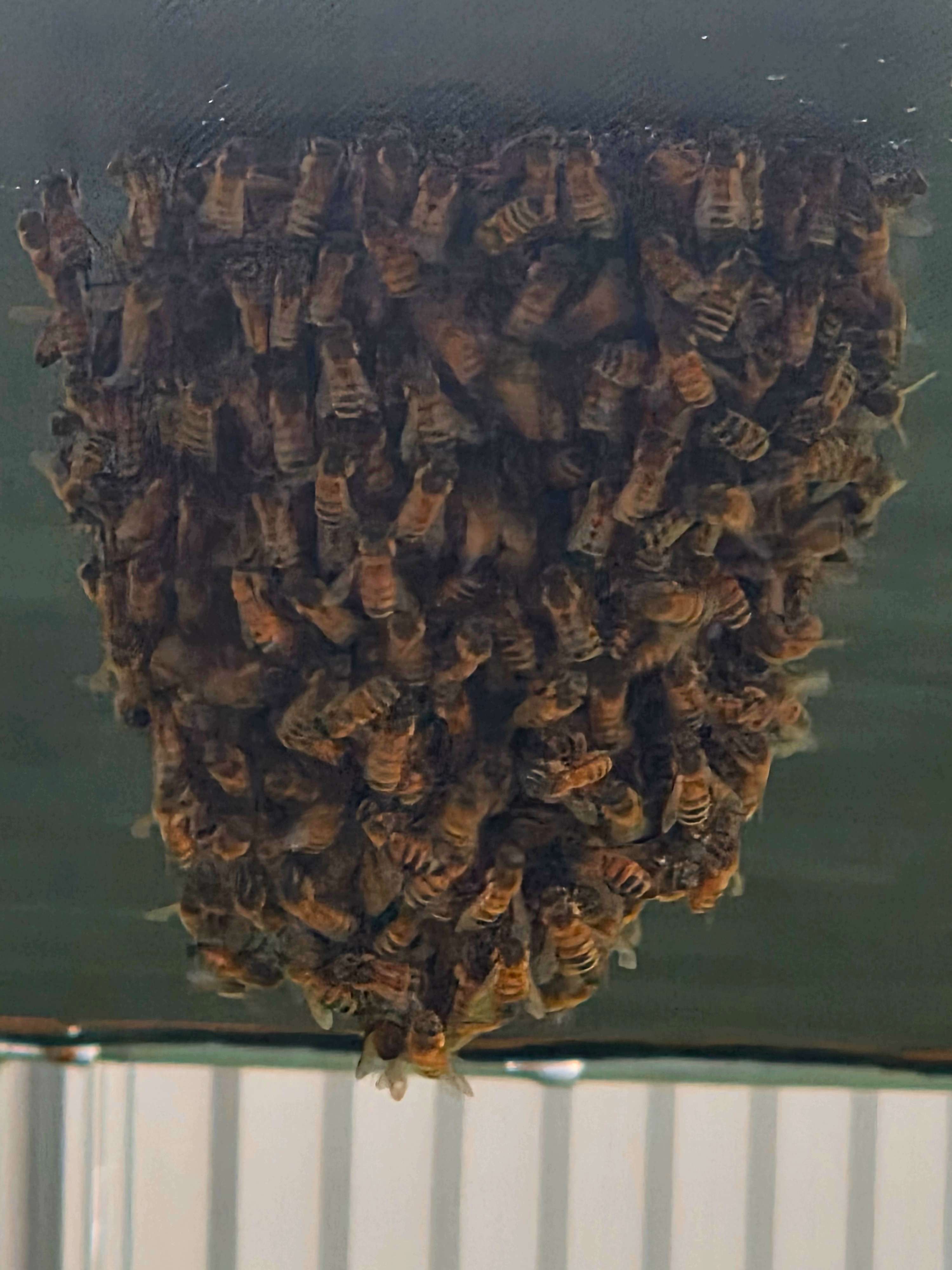
Spring has arrived, and with warmer weather comes increased activity in the natural world, including honey bees. As flowers bloom and temperatures rise, you might enco...
Read More...March 4, 2026
