
A Beekeeper's Guide to Swarm Season in California
California's Golden Opportunity: Harnessing the Spring Swarm For beekeepers across California, the arrival of spring signals more than just almond blossoms and wildflo...
Read More...May 18, 2026
Home > Blog > Why Austin is a Hotbed for Swarm Rescues: A Beekeeper's Perspective
May 6, 2026
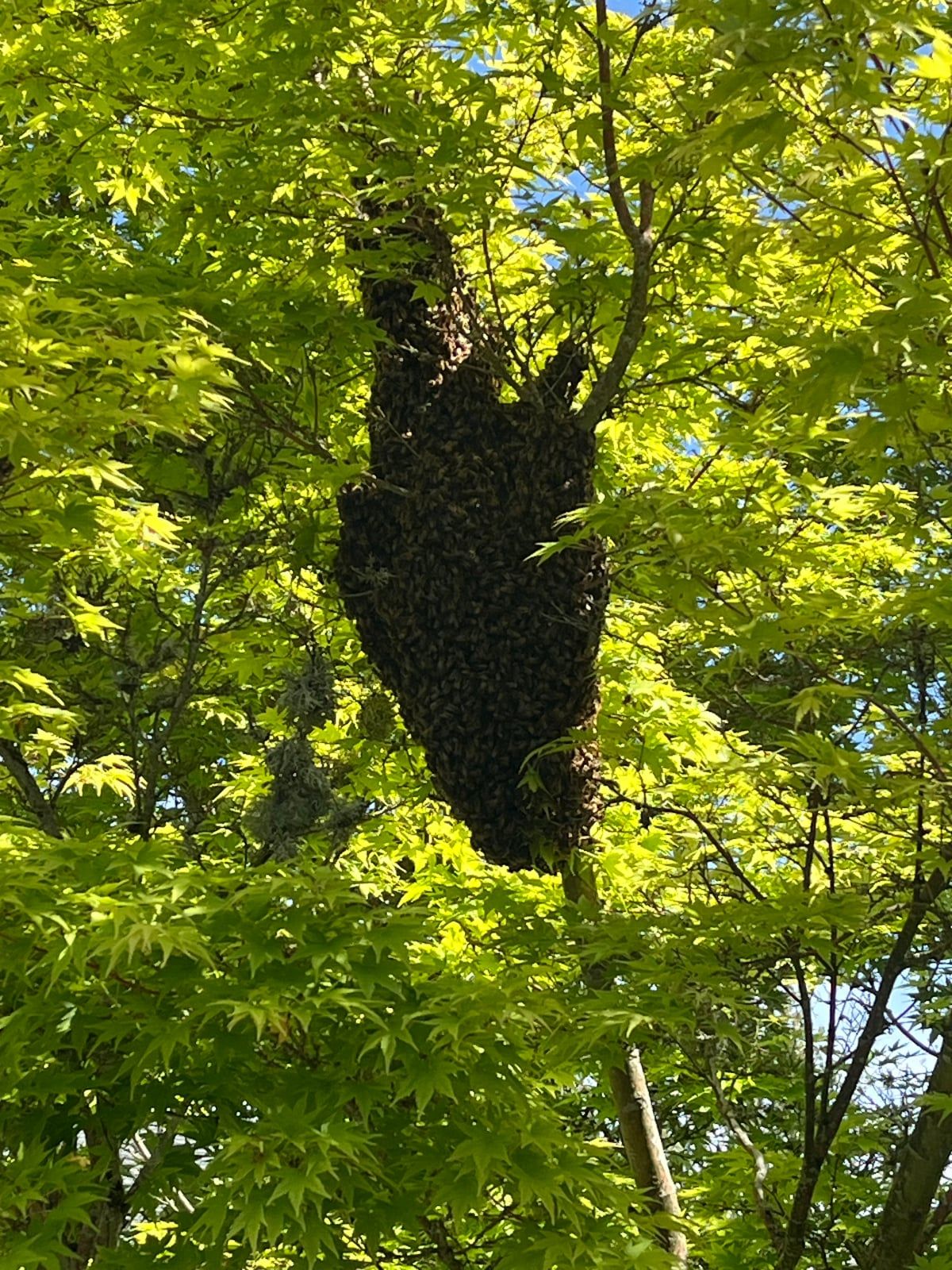
Spring in Texas brings a predictable and welcome rhythm. As bluebonnets and Indian paintbrushes cover the fields, the air in urban centers like Austin, Houston, and the Dallas-Fort Worth metroplex fills with the hum of honey bees. For a beekeeper, this sound signifies a critical period of colony reproduction: swarm season. This natural process is especially visible in Texas’s cities, where a unique combination of bee activity and beekeeper readiness creates a thriving environment for swarm rescue.
For a beekeeper in Austin, TX, the season presents a distinct opportunity. The concentration of both people and pollinators makes it a focal point for bee-human interactions, and consequently, a center for effective, community-driven conservation efforts.
The effectiveness of swarm rescue hinges on speed. A swarm of bees, while generally docile, is a temporary phenomenon. The bees will only remain clustered for a day or two before moving to a permanent home, which could be an unsuitable location like a wall cavity or attic. A rapid response from a local beekeeper is crucial to ensure the bees are safely relocated.
This is where the density of the beekeeping community in Texas’s urban corridors becomes a significant asset. A high concentration of expertise means that when a swarm is reported, there is almost always an experienced beekeeper nearby, ready to help. The Swarmed network data illustrates this point clearly: last season, alerts for over 546 swarm reports were dispatched across Texas. These alerts were answered by a robust community, with over 374 beekeepers on the Swarmed network in the state ready to respond. This rising trend in reports shows not an increase in problems, but an increase in public awareness and beekeeper collaboration.
This density creates a powerful, decentralized system for bee conservation. A swarm reported in a South Austin backyard or a Dallas suburb can be safely rescued, often within hours, because a knowledgeable beekeeper is just a few miles away. This quick action prevents bees from establishing colonies in undesirable locations and preserves valuable local genetics for beekeepers.
Operating as a beekeeper in an urban environment like Austin presents a specific set of challenges and rewards. Space can be limited, requiring creative solutions for apiary placement. Navigating city ordinances and neighborhood dynamics is part of the work. Furthermore, urban beekeepers often become educators, explaining bee behavior to concerned neighbors and demystifying the swarming process.
However, the rewards are substantial. Urban and suburban landscapes offer a surprisingly diverse and continuous floral buffet for honey bees, from native wildflowers in green belts to blooming ornamental plants in residential gardens. This varied forage can lead to complex and unique honey profiles.
More importantly, urban beekeeping provides a direct way to contribute to the local ecosystem. Every rescued swarm is a colony of locally adapted bees that can be used to strengthen an apiary, support pollination in community gardens, and serve as an educational tool for the public.
For beekeepers engaging with the public, clear communication is essential. An important part of that is educating homeowners on the difference between a swarm rescue and an established colony removal, or "cutout."
A swarm is a transient cluster of bees with a queen, temporarily resting on a branch, fence, or other object. The bees are engorged with honey and have no brood or comb to defend, making them docile. A swarm rescue is a straightforward process for an experienced beekeeper and is typically done at no cost, as the bees themselves are a valued resource.
An established colony, in contrast, has moved into a structure and built wax comb to raise brood and store honey. These bees are defensive of their home. Removing an established colony is a complex, labor-intensive job called a cutout, which often involves carpentry, specialized equipment, and structural repairs. This is a professional service for which a beekeeper will provide a fair quote based on the complexity, time, and materials required.
Clarifying this distinction manages public expectations and establishes the beekeeper as a credible professional. Swarmed helps facilitate this by focusing on connecting the public with beekeepers for swarm events, while also providing the context for when a paid service might be necessary.
The Swarmed network is designed to enhance the collaborative power of communities like the one in Austin. It serves as a tool that connects beekeepers directly to opportunities to grow their apiaries while performing a valuable public service.
By joining the network, Texas beekeepers gain several advantages:
This spring, the hum of honey bees is a call to action. As a Texas beekeeper, you are in a prime position to be part of a dynamic, statewide effort to protect and preserve these vital pollinators. The rising number of swarm reports highlights a growing public awareness and an increasing need for skilled beekeepers to step in. By joining the Swarmed network, you connect with a community of peers and gain access to local swarms that can help your apiary thrive. Position yourself to be part of the solution.
Join the Swarmed beekeeper network today and start receiving local swarm alerts: https://beeswarmed.org/beekeeper-signup (opens in a new tab).
California's Golden Opportunity: Harnessing the Spring Swarm For beekeepers across California, the arrival of spring signals more than just almond blossoms and wildflo...
Read More...May 18, 2026
A Beekeeper's Guide to Swarm Collection in Idaho Spring has arrived in the Gem State, and with it, the unmistakable hum of honey bee swarms. For beekeepers, this is a...
Read More...May 18, 2026