
A Beekeeper's Guide to Swarm Season in California
California's Golden Opportunity: Harnessing the Spring Swarm For beekeepers across California, the arrival of spring signals more than just almond blossoms and wildflo...
Read More...May 18, 2026
Home > Blog > Florida Beekeeping: Seizing Opportunities in a Year-Round Season
May 6, 2026
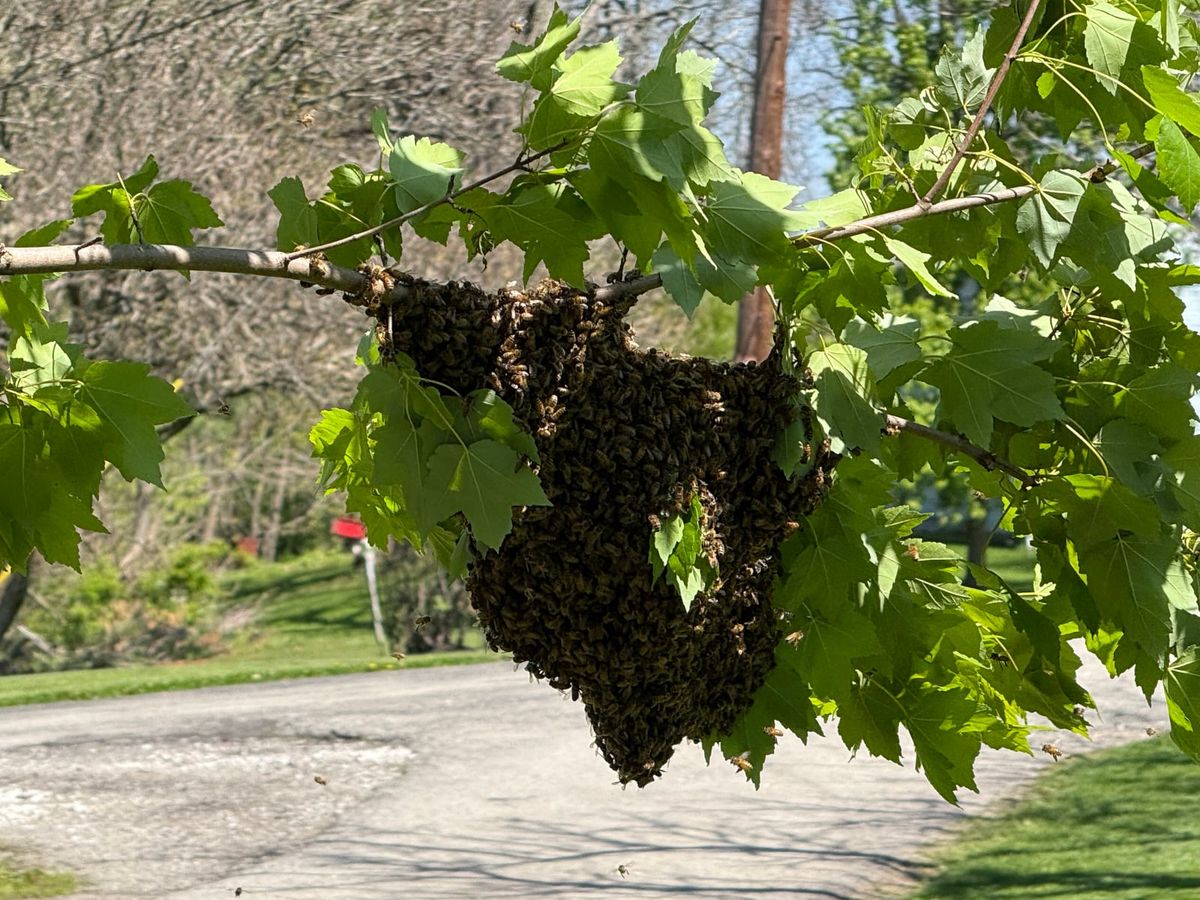
Florida's subtropical climate creates a beekeeping environment unlike any other in the United States. While beekeepers in northern states spend months preparing their colonies for winter, those in the Sunshine State manage hives that are active nearly year-round. This extended period of activity presents both significant opportunities and distinct challenges, particularly when it comes to swarm season—a phenomenon that in Florida can feel like a perpetual state of being.
The state's long, warm seasons and abundant, diverse nectar flows mean honey bee colonies build up rapidly and swarm frequently. For the prepared beekeeper, this translates into a consistent opportunity to strengthen their apiaries with local, acclimated bees. However, this environment also requires vigilance against pests and a deep understanding of regional bee behavior. Beekeepers in Florida's thriving communities, especially in hubs like Miami, Orlando, and Tampa, are on the front lines, turning these regional dynamics into assets for their operations.
While the entire state is active, beekeeping conditions vary significantly across Florida's major metropolitan areas, each offering a distinct set of circumstances for swarm collection.
In the dense urban landscape of Miami-Dade County, beekeeping is fast-paced. A high population density means swarms are noticed quickly and reported frequently. The presence of Africanized Honey Bees (AHB) in South Florida adds a layer of complexity and public safety concern. This makes professional, rapid swarm rescue essential. Beekeepers in the Miami area who are equipped to handle potentially defensive bees and navigate urban logistics are in high demand. A call about a swarm on a condo balcony or a downtown palm tree requires a different skill set than one in a rural field. Responding effectively builds public trust and positions the beekeeper as a valuable community resource.
The Orlando area represents a diverse mix of beekeeping environments. It is a sprawling nexus of suburbs, remnant citrus groves, and marshlands. Swarms can appear in backyard oak trees, commercial properties near tourist centers, or agricultural settings. This variety requires adaptability. A beekeeper might collect a docile swarm from a low-hanging branch in the morning and receive a call for a more complex structural cutout in the afternoon. It is critical for beekeepers here to clearly communicate the difference: a transient swarm collection is typically a free service, as the bees are a valuable resource. An established colony that has built comb within a structure requires a 'cutout,' a specialized service that involves carpentry and labor, and should be quoted as a paid job.
Along the Gulf Coast, the Tampa Bay area is home to a robust and highly organized beekeeping community. Strong local associations provide education, mentorship, and a powerful network for swarm collection. The coastal climate, with its humidity and salt air, can influence bee behavior and equipment needs. Beekeepers here often collaborate, sharing knowledge on managing hive ventilation to combat high humidity—for instance, placing a penny between the inner cover and upper box can provide just enough airflow to prevent mold. This collaborative spirit makes it an excellent environment for both new and experienced beekeepers to thrive.
The rising trend of swarm reports across Florida highlights a growing opportunity. Last season alone, the Swarmed network directed alerts for over 750 swarms to local beekeepers throughout the state. This activity connects a growing community of nearly 300 Florida beekeepers on the platform with healthy, local bees that are already adapted to the state's unique environment. Accessing these swarms through a coordinated system is more efficient than relying on chance encounters or word-of-mouth. Beekeepers who are part of the network, which you can join at `https://beeswarmed.org/beekeeper-signup`, are building stronger, more resilient apiaries at no cost.
This system allows beekeepers to define their precise service area, ensuring they only receive alerts for swarms they can realistically collect. This efficiency is key in a state where a swarm call can come from anywhere, at any time.
Success in Florida's swarm season hinges on preparation and adherence to best practices tailored to the climate.
Florida's beekeeping season is a marathon, not a sprint. The constant activity provides a steady stream of opportunities for those ready to act. By joining a larger network, you position yourself to effectively rescue local bee populations while simultaneously growing your own apiary with genetically diverse, climate-acclimated bees.
Expand your apiary and support your local bee population by becoming part of a statewide rescue network. Signing up for Swarmed is free and gives you access to local swarm alerts directly to your phone or email. You set your travel radius, and there is no commitment to accept any swarm. Enhance your beekeeping operation by connecting with a steady source of healthy bees. Join the growing community of Florida beekeepers by signing up on the Swarmed beekeeper network today: https://beeswarmed.org/beekeeper-signup (opens in a new tab).
California's Golden Opportunity: Harnessing the Spring Swarm For beekeepers across California, the arrival of spring signals more than just almond blossoms and wildflo...
Read More...May 18, 2026
A Beekeeper's Guide to Swarm Collection in Idaho Spring has arrived in the Gem State, and with it, the unmistakable hum of honey bee swarms. For beekeepers, this is a...
Read More...May 18, 2026