
A Beekeeper's Guide to Swarm Season in California
California's Golden Opportunity: Harnessing the Spring Swarm For beekeepers across California, the arrival of spring signals more than just almond blossoms and wildflo...
Read More...May 18, 2026
Home > Blog > Beekeeping in Washington: Seattle's Swarm Network
May 6, 2026
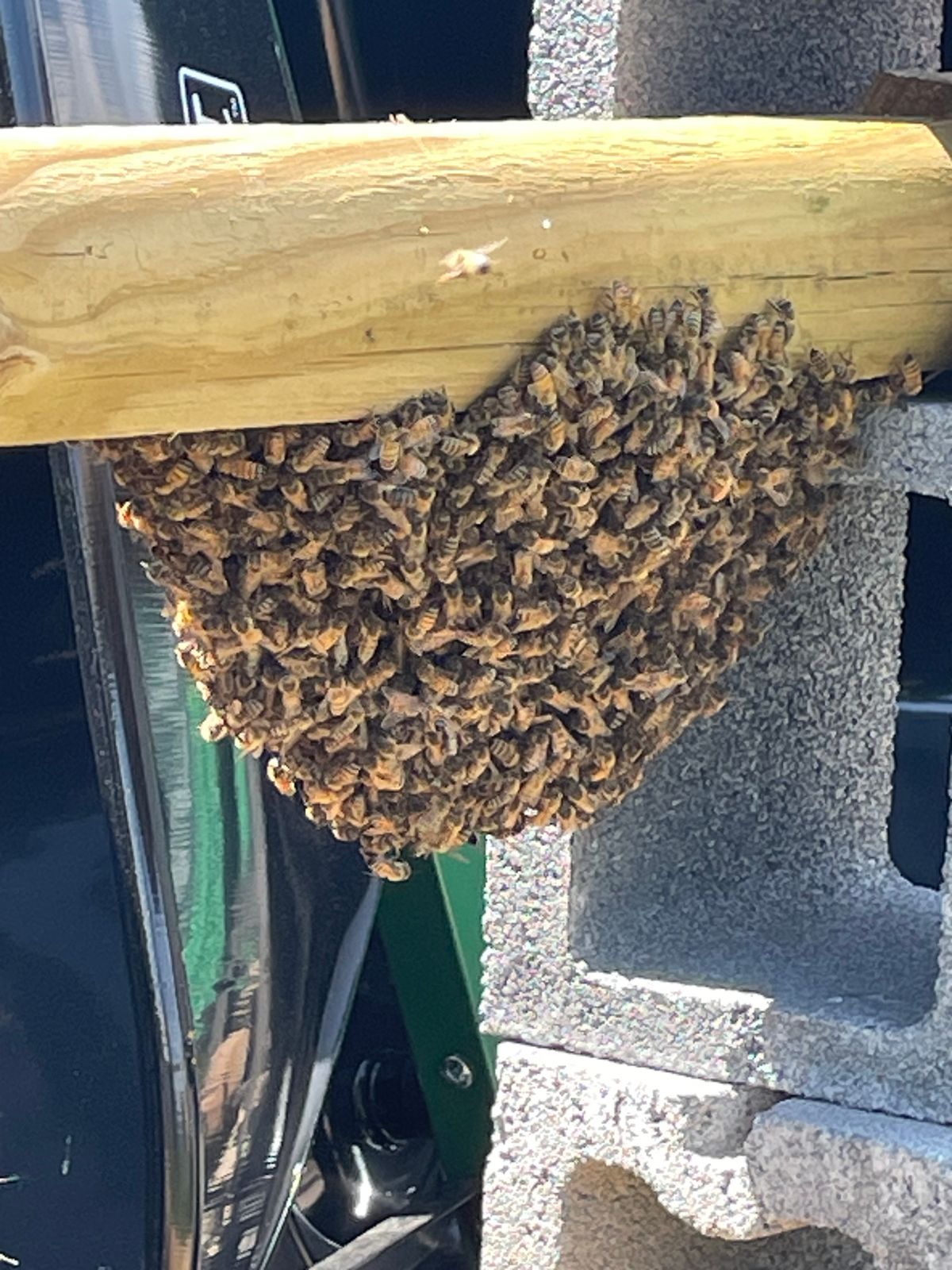
The arrival of spring in Washington signals the start of the annual honey bee swarm season. From Seattle to Tacoma and Spokane, thriving honey bee colonies begin the natural process of reproduction through swarming. For the public, a large cluster of bees on a tree branch can be alarming. For beekeepers, it represents a significant opportunity: the chance to acquire healthy, locally-adapted bees and strengthen the regional pollinator population.
Each year, thousands of online searches for phrases like "honey bee swarm Seattle" highlight the public's need for fast, reliable help. This is where a connected, responsive network of beekeepers becomes essential. By working together, beekeepers can ensure these valuable swarms are safely rescued and given a new home, rather than being left to chance or handled by exterminators.
To effectively respond to public calls, it is crucial for beekeepers to understand and communicate the difference between a swarm rescue and an established colony removal. A honey bee swarm is a temporary, transient colony in the process of moving. It consists of a queen and thousands of worker bees clustered together while scout bees search for a permanent home. Because they are not defending brood or honey stores, swarming bees are typically docile and can be rescued with relative ease. Beekeepers are often willing to rescue these swarms at no charge to the public, as they are a valuable source of bees for an apiary.
A situation becomes vastly different once those bees move into a structure and establish a hive. An established colony, whether in the wall of a house or the hollow of a tree, has built wax comb, is raising brood, and has started storing honey. These bees will be defensive of their home. The removal of an established colony is a complex and labor-intensive process known as a "cutout." It often requires carpentry skills, specialized equipment, and structural repairs. As such, cutouts are a paid service, and beekeepers should provide a fair quote based on the complexity, time, and materials required for the job. Clearly communicating this distinction builds trust and manages expectations for everyone involved.
A disorganized response to swarm reports leads to missed opportunities. When beekeepers are connected through a unified system, the efficiency and success rate of swarm rescues increase dramatically. The impact of a connected network is significant. For example, in another state last season, just five beekeepers using a shared alert system successfully rescued 100 swarms. This highlights the efficiency and potential for Washington's beekeepers to expand their apiaries through collaboration.
Cities like Seattle, with their dense mix of gardens, parks, and residential areas, are prime locations for swarms. A coordinated network ensures that the closest available beekeeper is notified immediately, increasing the likelihood of a successful rescue before the swarm moves on or is destroyed. This creates a win-win scenario: the public receives a quick solution, and beekeepers gain strong, local colonies.
Swarmed provides the infrastructure for this coordinated response. Our platform connects people who report swarms with local beekeepers who are ready to rescue them. For beekeepers in Washington, joining the Swarmed network is a strategic way to grow your apiary with minimal effort.
When you join the network, you receive free, real-time swarm alerts directly to your phone for your specified area. There is no commitment required; you only respond to the alerts that are convenient for you. This system provides access to healthy bees that are already adapted to Washington's climate, giving them a strong start in your apiary.
Key benefits of joining the Swarmed network include:
Successfully rescuing a swarm is just the first step. Once hived, a new colony requires careful management to ensure its long-term health and productivity. After introducing a rescued swarm to its new hive, monitor it for the first few weeks. Confirm that the colony is queenright and that she has begun laying a solid brood pattern. It is also wise to provide initial feeding with a 1:1 sugar-water solution to help the bees draw out new comb quickly.
Regular inspections for pests like Varroa mites are just as important for a rescued swarm as for any other colony. Integrating a new swarm into your apiary's pest management plan from the beginning will help ensure its long-term survival and the health of your other colonies.
The opportunities for beekeepers in Seattle, Tacoma, and Spokane this spring are immense. By joining a coordinated swarm response network, you not only position yourself to grow your own apiary but also play a vital role in the conservation of local honey bee populations.
The swarm season is short, and the opportunities are fleeting. Become part of Washington's dedicated swarm response effort today. Signing up is free, simple, and provides immediate access to local swarm alerts. Don't miss your chance to rescue healthy bees and strengthen your apiary this season.
**Join the Swarmed beekeeper network and start receiving free swarm alerts today: https://beeswarmed.org/beekeeper-signup (opens in a new tab)
California's Golden Opportunity: Harnessing the Spring Swarm For beekeepers across California, the arrival of spring signals more than just almond blossoms and wildflo...
Read More...May 18, 2026
A Beekeeper's Guide to Swarm Collection in Idaho Spring has arrived in the Gem State, and with it, the unmistakable hum of honey bee swarms. For beekeepers, this is a...
Read More...May 18, 2026