Understanding Bee Swarms in New York
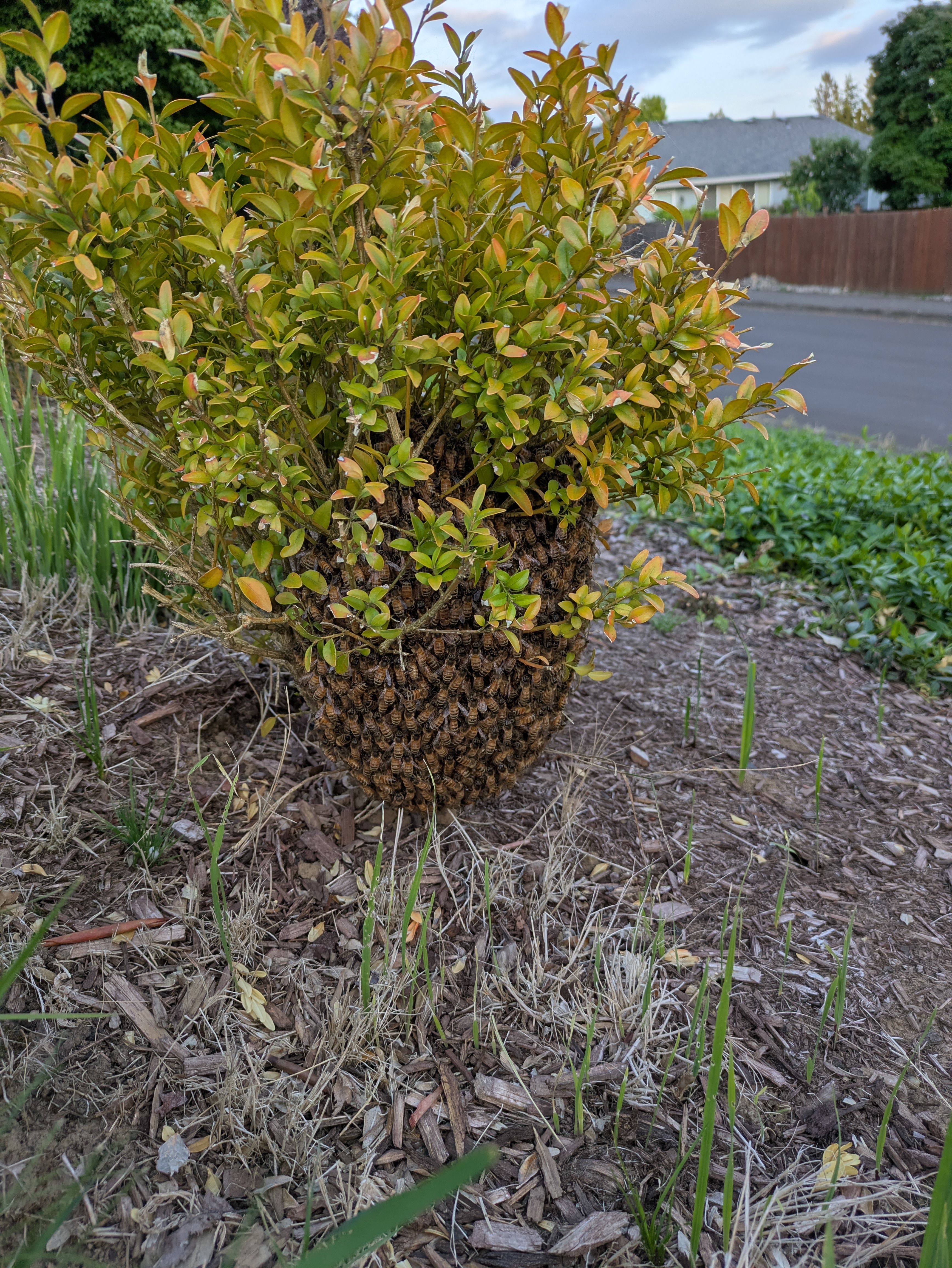
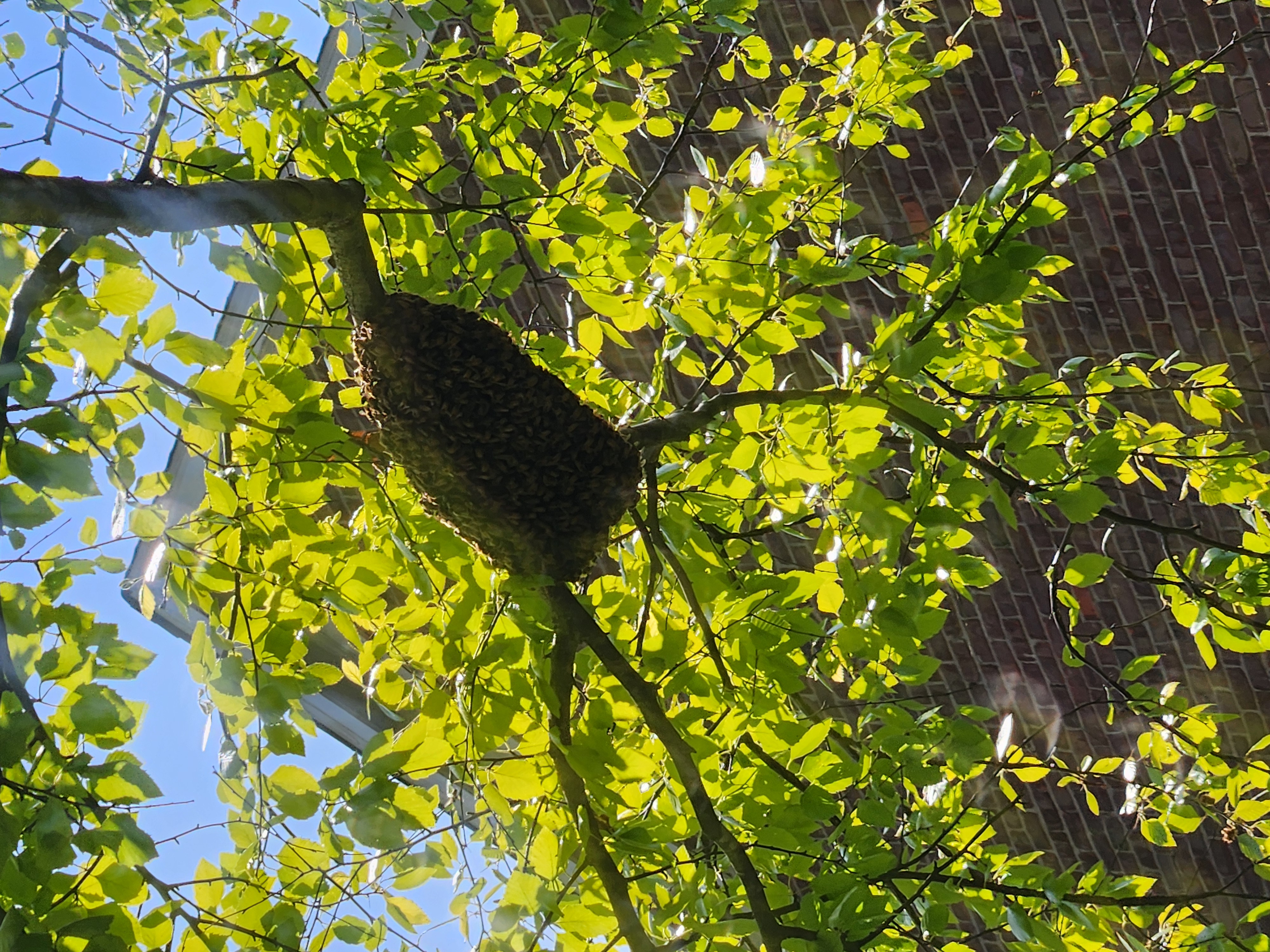
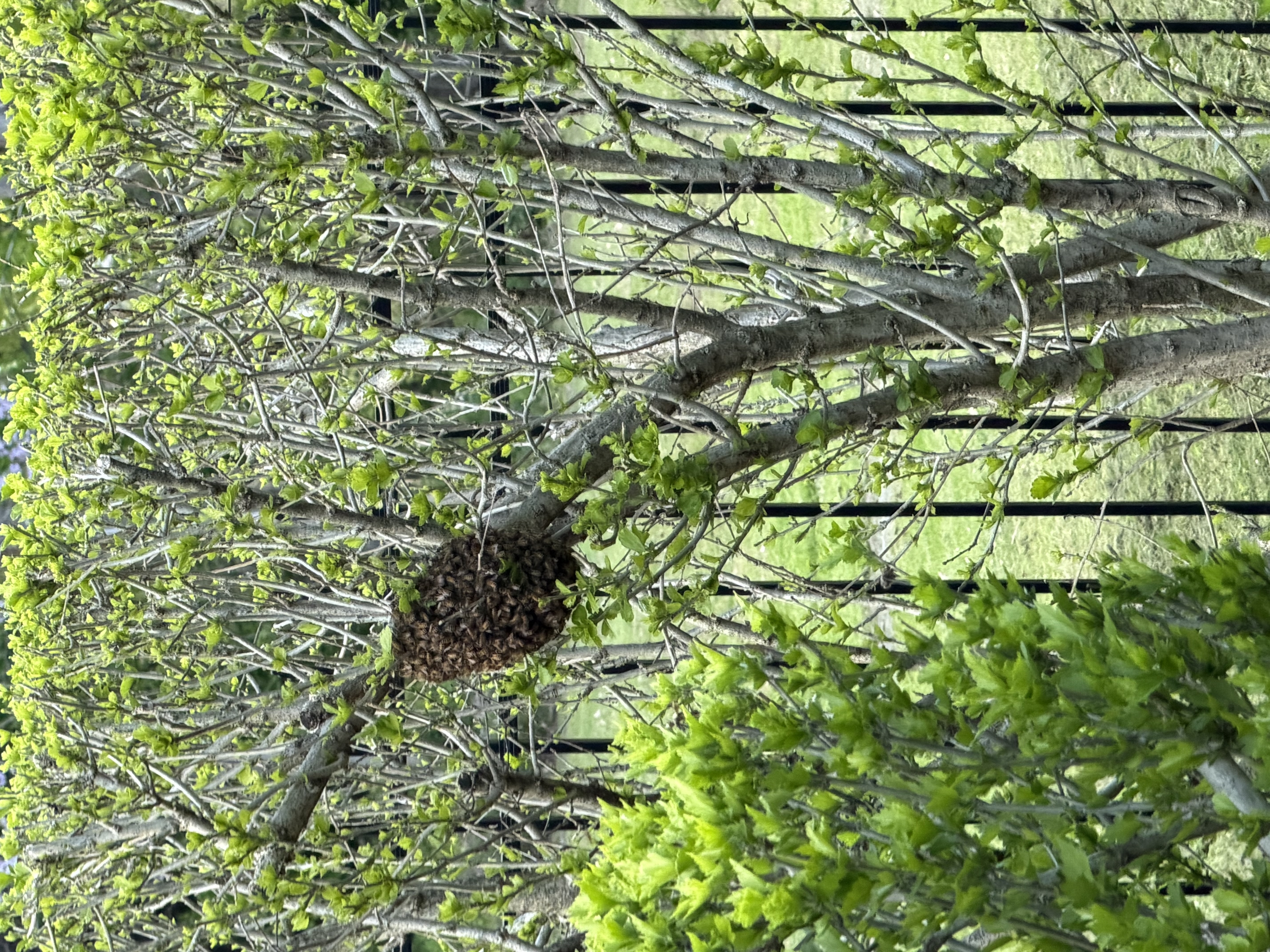
Across New York, from the bustling streets of New York City to the neighborhoods of Buffalo and Rochester, the arrival of spring brings a remarkable natural event: honey bee swarming. Seeing a large cluster of thousands of bees on a tree branch or fence post can be startling, but it is a normal part of the honey bee life cycle. Swarming is how bee colonies reproduce. The bees in a swarm are typically docile, as they are focused on finding a new home and have no honey or young to defend.
When you encounter such a swarm, the best course of action is to report it. This simple act connects the bees with a local beekeeper who can provide them with a safe, managed hive. This guide explains what you can expect after you submit a report to the Swarmed network.
The Reporting Process: Your First Step
After discovering a swarm, your first step is to provide information to local beekeepers. By visiting the Swarmed reporting page (opens in a new tab), you can quickly alert the network.
The form will ask for key details:
- Your location: An accurate address is critical for the beekeeper to find the swarm.
- A photo: A picture helps the beekeeper confirm it is a honey bee swarm and assess the situation (e.g., size, accessibility).
- Swarm details: Information about where the bees are located (on a low branch, high in a tree, on a wall) helps the beekeeper prepare.
Once you submit the report, our system instantly sends an alert to registered beekeepers in your vicinity. You will also receive an email confirmation, letting you know that your report has been received and local experts have been notified.
Beekeeper Response and Communication
Beekeepers on the Swarmed network are volunteers who are passionate about saving bees. Response time can vary depending on their availability, the time of day, and their distance from your location. Most beekeepers will try to respond quickly, as swarms are transient and may leave within 24 to 72 hours.
A beekeeper who claims your report will typically contact you directly by phone or text. They will likely ask a few clarifying questions and arrange a suitable time to come and rescue the bees. Providing clear, accurate information in your initial report helps expedite this process and ensures the right person with the right equipment can respond effectively.
The Critical Difference: Free Swarm Rescue vs. Paid Hive Removal
Understanding the distinction between a swarm and an established colony is essential, as it directly impacts the service provided and whether there is a cost involved.
Honey Bee Swarm (Usually Free Rescue)
A swarm is a temporary cluster of bees resting while they search for a new permanent home. They have not yet built any wax comb. Characteristics include:
- A basketball-sized (or larger) clump of bees.
- Located on an external surface like a tree limb, fence, or playground equipment.
- Present for only a few hours or days.
Beekeepers are eager to rescue swarms because they can be used to start new hives in their apiaries. For this reason, the rescue of a honey bee swarm is almost always a free service. It is a simple collection process that benefits both the beekeeper and the bees.
Established Colony or Hive (Paid Removal Service)
An established colony is a group of bees that has already moved into a structure and started building a home. This includes bees that have taken up residence inside a wall, chimney, attic, or shed. They have built wax comb for storing honey and raising young bees (brood). Characteristics include:
- Bees flying in and out of a specific opening in a structure.
- The presence of visible honeycomb.
- Bees have been in the location for more than a few days.
Removing an established colony is a complex, labor-intensive process known as a "cutout." It often requires carpentry skills to open the structure, carefully remove all the bees and comb, and then repair the area. Because of the skill, time, and potential liability involved, a cutout is a paid service. The beekeeper will provide a fair quote based on the complexity of the job, and you can choose to accept or decline the service.
Your Report Strengthens New York's Beekeeping Community
By reporting a swarm, you do more than just solve a potential nuisance—you actively participate in bee conservation. Honey bees are crucial pollinators for New York's agricultural sector. Each rescued swarm helps strengthen local bee populations and supports the dedicated beekeepers who manage them.
A strong community reporting network is vital. Your report provides the essential link between vulnerable bees and the experts who can care for them. The importance of this network is clear when compared to other regions. For instance, in a state like Nevada, 102 swarms were reported last season, but with only six registered beekeepers on the network, the capacity to respond is limited. In New York, your report ensures our robust community of beekeepers can effectively protect these vital insects.
While waiting for a beekeeper to arrive, please keep a safe distance from the swarm. Do not spray it with water or pesticides, and ensure children and pets are kept away. The bees are simply resting and pose little threat if left undisturbed.
Your participation helps protect honey bees across New York. If you see a swarm, take a moment to report it. It's a simple, powerful way to contribute to the health of our local ecosystem and support the beekeepers in your community.
To help save a honey bee colony, please report the swarm through our online form (opens in a new tab).