
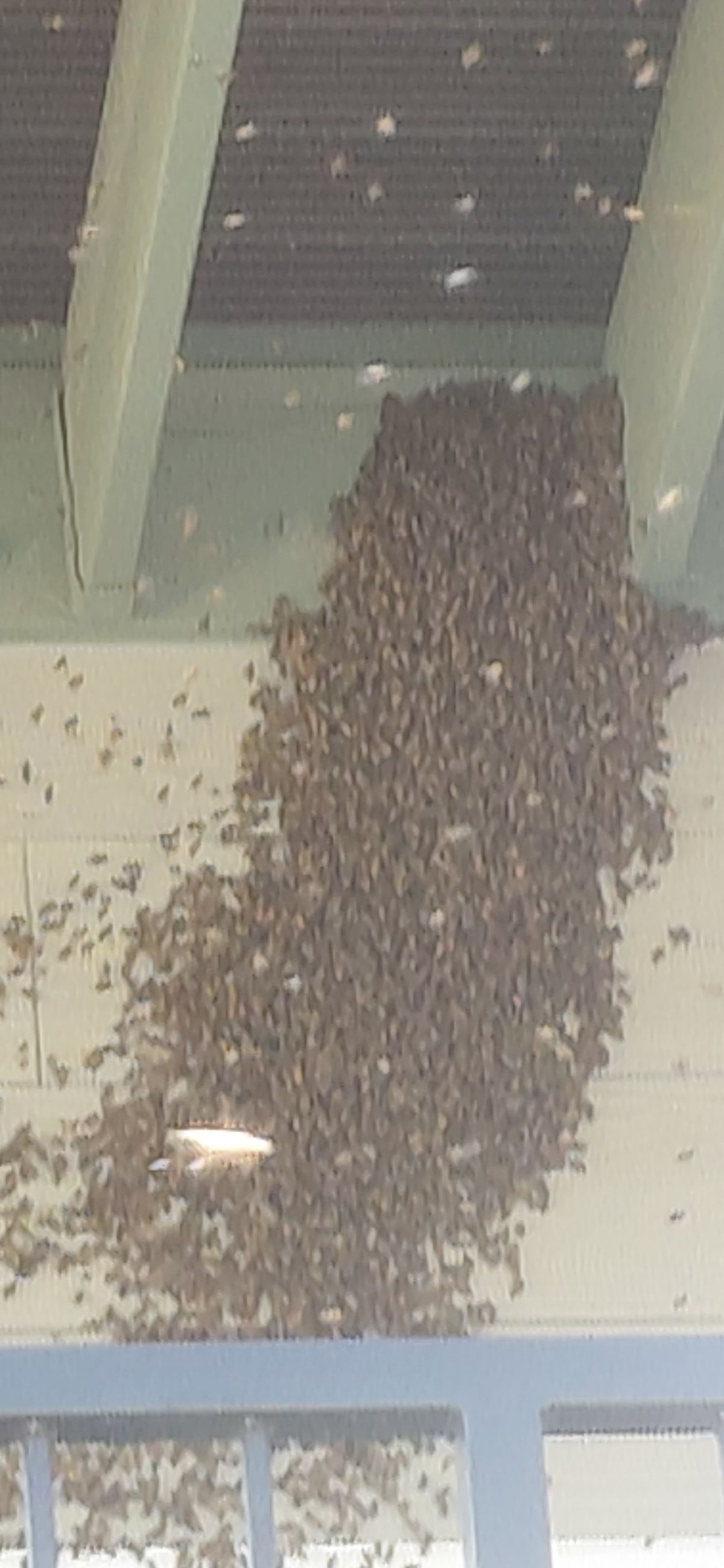
A Beekeeper's Guide to Swarm Season in California
California's Golden Opportunity: Harnessing the Spring Swarm For beekeepers across California, the arrival of spring signals more than just almond blossoms and wildflo...
Read More...May 18, 2026
Home > Blog > 4 Key Signs Your Hive is Preparing to Swarm
May 12, 2026
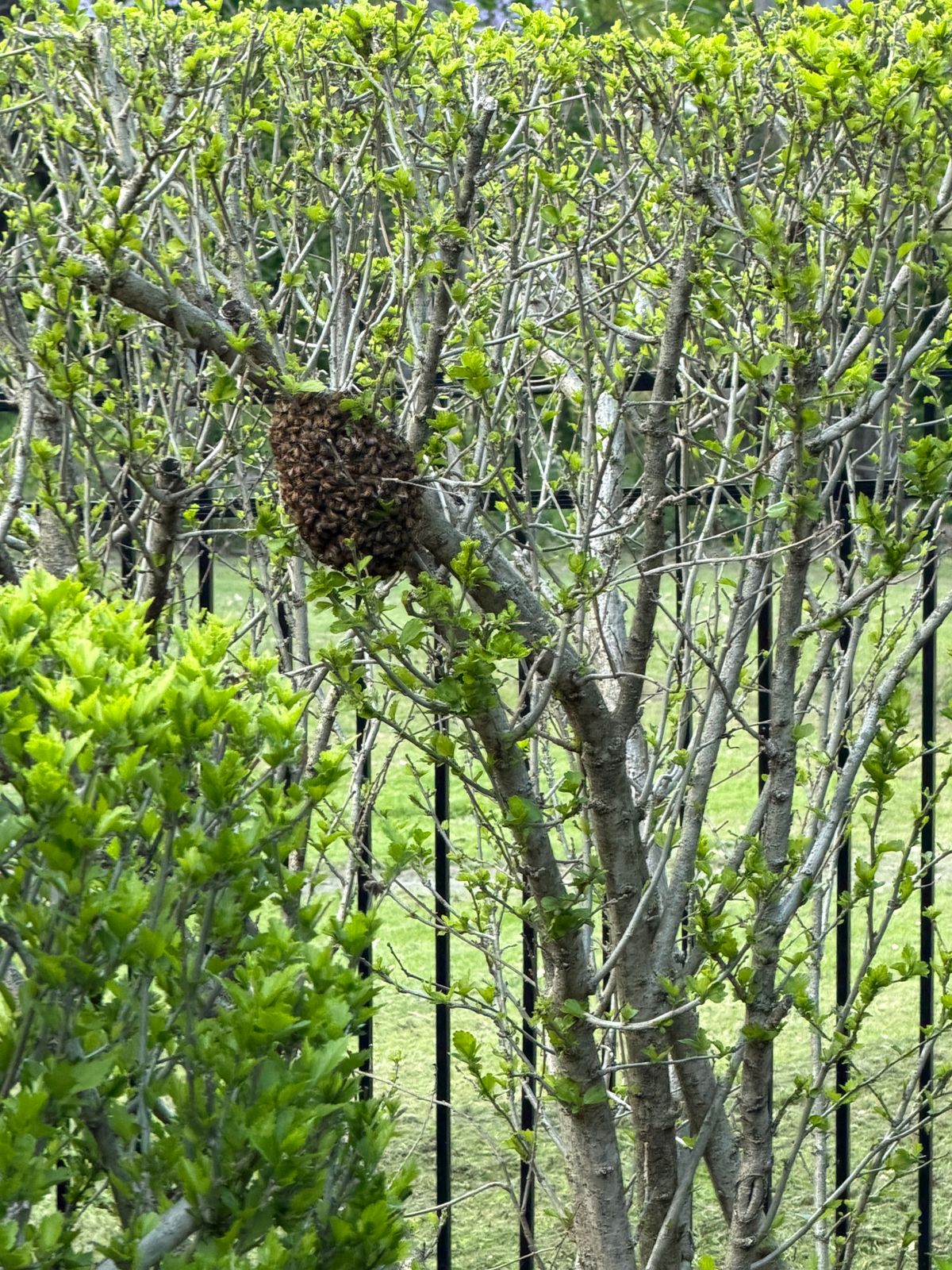
As the days grow longer and flowers bloom, a beekeeper's apiary buzzes with the promise of a productive season. This period of explosive growth, however, also brings one of beekeeping's greatest challenges: swarm season. Swarming is the honey bee colony's natural method of reproduction. The old queen leaves with roughly half the colony's population to establish a new home, leaving the original hive to raise a new queen. While a natural process, an unmanaged swarm means a significant loss of your workforce and a reduced honey crop. For beekeepers focused on honey production and colony strength, preventing bee swarms is a critical spring management task.
Fortunately, bees provide clear signals before they depart. By learning to read these signs, you can intervene proactively, keeping your colonies strong and in your apiary. Here are the four key signs your hive is preparing to swarm and the practical steps you can take to respond.
Perhaps the most definitive sign of an impending swarm is the construction of queen cells, specifically swarm cells. These are distinct from emergency or supersedure cells. While all queen cells resemble a peanut shell in shape and texture, their location is telling.
During your regular inspections, make a point to check the bottom of your brood frames. Tilting the brood box forward can often give you a quick view without having to pull every frame. If you see multiple queen cells along the bottom bars, the colony has made its decision to swarm.
Honey bees value their space. When a hive becomes overcrowded, it triggers the instinct to swarm. Congestion can manifest in several ways. Internally, the brood nest becomes packed, a condition often called being "honey-bound" or "brood-bound." Every frame in the brood boxes is filled with a combination of brood, pollen, and nectar, leaving the queen with no room to lay new eggs. This lack of laying space is a powerful swarm trigger.
Externally, you may notice "bearding," where a large number of bees cluster on the front of the hive, especially during warm afternoons and evenings. While bearding can also be a sign of overheating, it is often a symptom of internal congestion. There simply isn't enough room for all the bees inside. When you open a congested hive, bees will often be spilling out over the top bars, covering every available surface. This lack of real estate signals to the colony that it's time to divide and find a new, larger home.
A more subtle but equally important sign is a backfilled brood nest. This occurs when worker bees begin filling empty cells within the brood area with fresh nectar. Normally, foragers deposit nectar in the honey supers, far away from the queen's primary laying area. When they start depositing it in the brood nest, it serves two purposes related to swarming.
First, it further restricts the queen's ability to lay eggs. This effectively puts her on a diet, which helps her slim down in preparation for the long flight to a new home. A queen laden with eggs is too heavy to fly effectively.
Second, it signals that the colony is shifting its focus from expansion to division. Resources are being positioned to support the bees that will remain, while the departing bees are engorging themselves on honey stores just before they leave. Finding glistening nectar in the middle of a brood pattern where eggs should be is a clear warning that swarm preparations are well underway.
Experienced beekeepers can often sense a change in the hive's demeanor before a swarm. A colony in swarm mode has a different sound—a louder, more urgent roar that differs from the typical hum of a contented hive. The bees can seem more agitated or restless.
Another behavioral clue is a noticeable drop in foraging activity in the day or two preceding the swarm. With thousands of bees preparing to leave, their focus shifts from collecting nectar and pollen to the logistics of departure. If you observe a strong, populous hive that suddenly has less flight activity at the entrance on a warm, sunny day, it could be the calm before the swarm.
Once you've identified these signs, you have a window of opportunity to act. The goal is to address the underlying causes that trigger the swarm impulse.
Even with the best management, swarms happen. But a swarm from another apiary can be a valuable opportunity for you. Capturing local swarms provides you with genetically diverse, locally adapted bees to grow your apiary. Yet, being in the right place at the right time is a challenge.
This is where a network of fellow beekeepers and community reporters makes a difference. In regions across the country, from dense urban centers to rural areas like Nevada, where over 100 swarms were reported through our network last season, connected beekeepers are the first to respond. The Swarmed network connects you with free, real-time swarm alerts right in your neighborhood.
Don't let valuable local bees find a new home in a neighbor's wall. Join the Swarmed beekeeper network to receive free, no-commitment alerts for swarms in your area. It's a way opportunity to rescue healthy bees, strengthen local genetics, and grow your apiary. Sign up today at Swarmed (opens in a new tab) and be ready for the season.
California's Golden Opportunity: Harnessing the Spring Swarm For beekeepers across California, the arrival of spring signals more than just almond blossoms and wildflo...
Read More...May 18, 2026
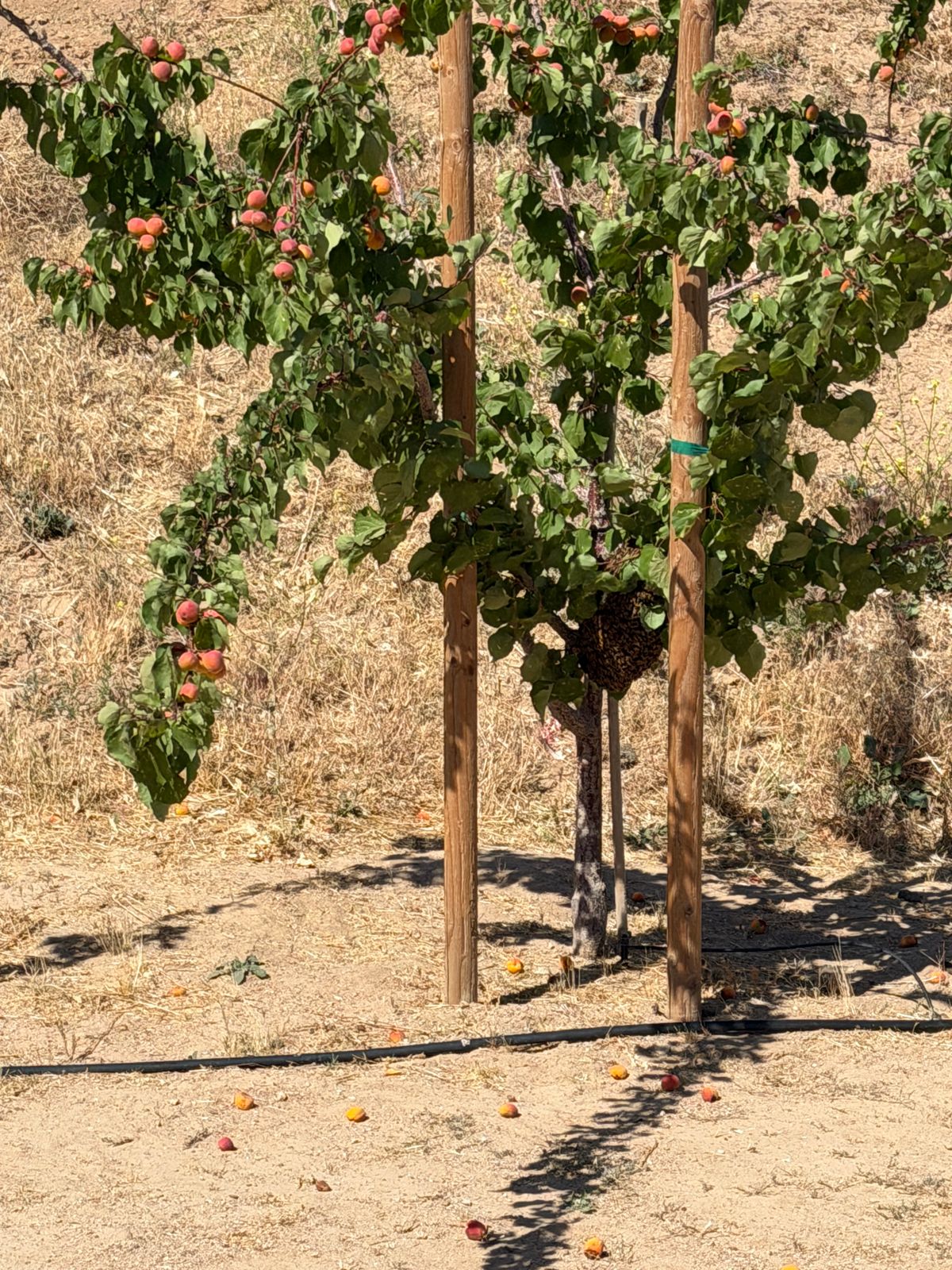
A Beekeeper's Guide to Swarm Collection in Idaho Spring has arrived in the Gem State, and with it, the unmistakable hum of honey bee swarms. For beekeepers, this is a...
Read More...May 18, 2026