
A Beekeeper's Guide to Swarm Season in California
California's Golden Opportunity: Harnessing the Spring Swarm For beekeepers across California, the arrival of spring signals more than just almond blossoms and wildflo...
Read More...May 18, 2026
Home > Blog > What to Do With a Bee Swarm: 3 Easy Steps for Safe Removal
May 12, 2026
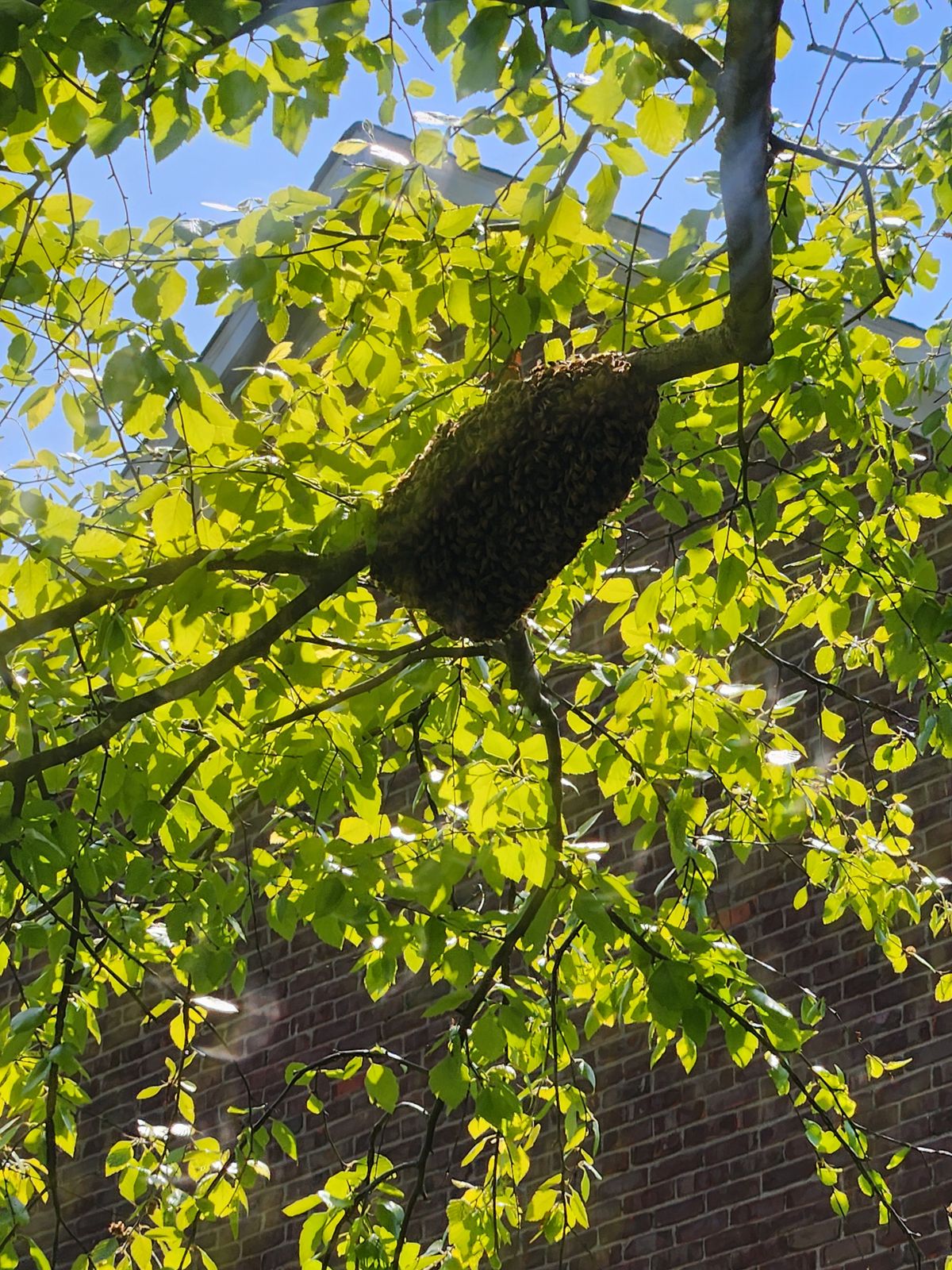
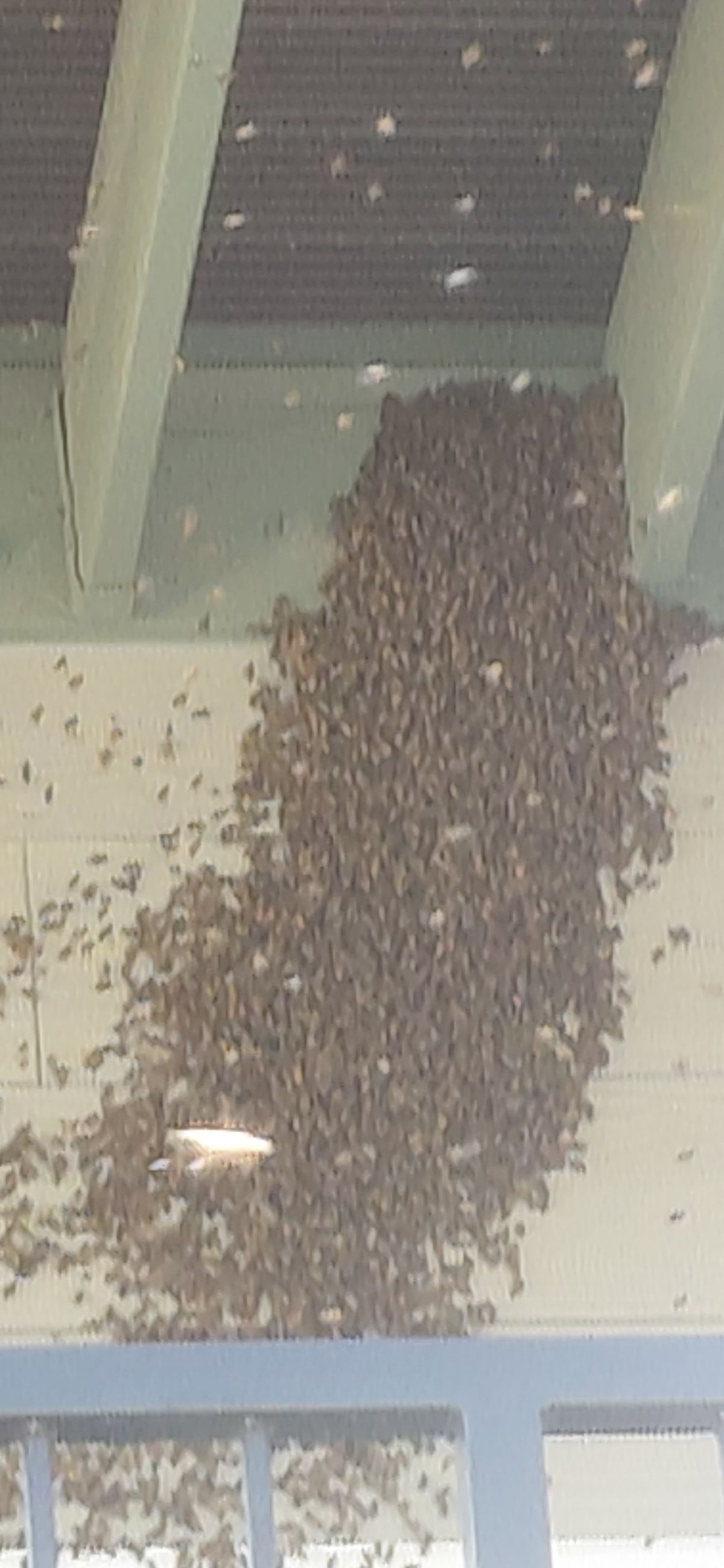
During the vibrant days of late spring, you might encounter a truly remarkable natural phenomenon: a large, buzzing cluster of honey bees clinging to a tree branch, a fence post, or the side of a building. This swirling mass of thousands of bees is a honey bee swarm. While it can be an intimidating sight, it’s a sign of a healthy, growing bee population and a critical moment in the life of a honey bee colony. Understanding what to do with a bee swarm is simple, and your actions can directly help protect these essential pollinators.
This guide provides three easy steps to ensure both your safety and the bees' survival, connecting you with local beekeepers who can help.
Before taking action, it's important to know what you're looking at. A swarm is a temporary stop for a honey bee colony on the move. The old queen, along with about half the worker bees (often 10,000 to 30,000 individuals), has left its original hive to find a new home. The bees in this cluster are remarkably docile. They have filled their stomachs with honey for the journey and have no home, brood, or food stores to defend. Their single focus is protecting the queen and finding a suitable new cavity to build their hive.
This is very different from an established hive or established colony. If you see bees flying in and out of a small hole in a wall, an attic, a shed, or a hollow tree, they have already moved in. They have built wax comb, are raising young (brood), and have started storing honey. These bees will be defensive of their home.
The distinction is critical:
The most important first step is to remain calm. Swarming bees are not aggressive and are unlikely to sting unless physically threatened. Do not spray them with water, insecticide, or anything else. These actions will not make them leave and will harm or kill these vital pollinators.
Instead, keep a safe distance of at least 15-20 feet. This allows you to observe without disturbing them and ensures the safety of pets and children. A swarm will typically only remain in one location for 24 to 72 hours while scout bees search for a permanent home. Your goal is to get them professional help before they decide to move into a less-than-ideal spot, like the wall of your house.
Look closely from your safe distance. Do you see a single, cohesive cluster of bees hanging in the open? Are they on a tree limb, a mailbox, or under a patio chair? Is there no visible honeycomb structure? If so, you are looking at a classic honey bee swarm.
If, however, you see a steady stream of bees entering and exiting a crack or crevice in a building, you have an established colony. The process for reporting this is the same, but you should be prepared for the fact that the removal will be a paid service due to its complexity.
Knowing the difference helps you communicate the situation clearly to the beekeeper, ensuring the right person with the right skills responds.
You are now ready to be a hero for the honey bees. Local beekeepers view swarms as a valuable resource—a free, healthy colony to add to their apiary. They are eager to come and give these bees a safe, new home.
The most effective way to find a qualified, local beekeeper is by using a dedicated network. The Swarmed network connects people who find swarms with nearby beekeepers ready to respond. This service helps thousands of colonies each year.
To get help, simply report the bee colony on the Swarmed network (opens in a new tab). You'll be asked for a few key details about the location and size of the swarm, and your report will instantly alert beekeepers in your area.
Community action makes a huge difference. Last year, engaged citizens in states like Nevada helped rescue over 102 swarms by using platforms like Swarmed. Each report helps protect pollinators and supports local beekeepers who are passionate about their craft.
Honey bees are crucial for our ecosystem and food supply, pollinating a vast number of the crops we rely on. Unfortunately, they face numerous threats, from habitat loss to pesticides. A swarm that cannot find a suitable home or is exterminated is a tragic loss of a productive, healthy colony.
When you report a swarm, you are participating directly in conservation. You give a colony a chance to thrive in a managed hive where a beekeeper can care for them. You also prevent the bees from establishing a home in an inconvenient location where they might later be considered a pest, leading to a much more difficult and costly removal.
By taking a few moments to make a report, you contribute to local food systems, support your neighborhood ecosystem, and help a small business owner—your local beekeeper.
Finding a honey bee swarm is an opportunity to make a positive impact. By following these three simple steps—staying calm, identifying the situation, and reporting the swarm—you can ensure a safe outcome for both people and pollinators.
Keep the Swarmed reporting page bookmarked for the future. When you see a swarm, you’ll know exactly what to do. Help protect honey bees in your community by reporting any swarm you find through the Swarmed network (opens in a new tab) and encourage your friends and neighbors to do the same.
California's Golden Opportunity: Harnessing the Spring Swarm For beekeepers across California, the arrival of spring signals more than just almond blossoms and wildflo...
Read More...May 18, 2026

A Beekeeper's Guide to Swarm Collection in Idaho Spring has arrived in the Gem State, and with it, the unmistakable hum of honey bee swarms. For beekeepers, this is a...
Read More...May 18, 2026