
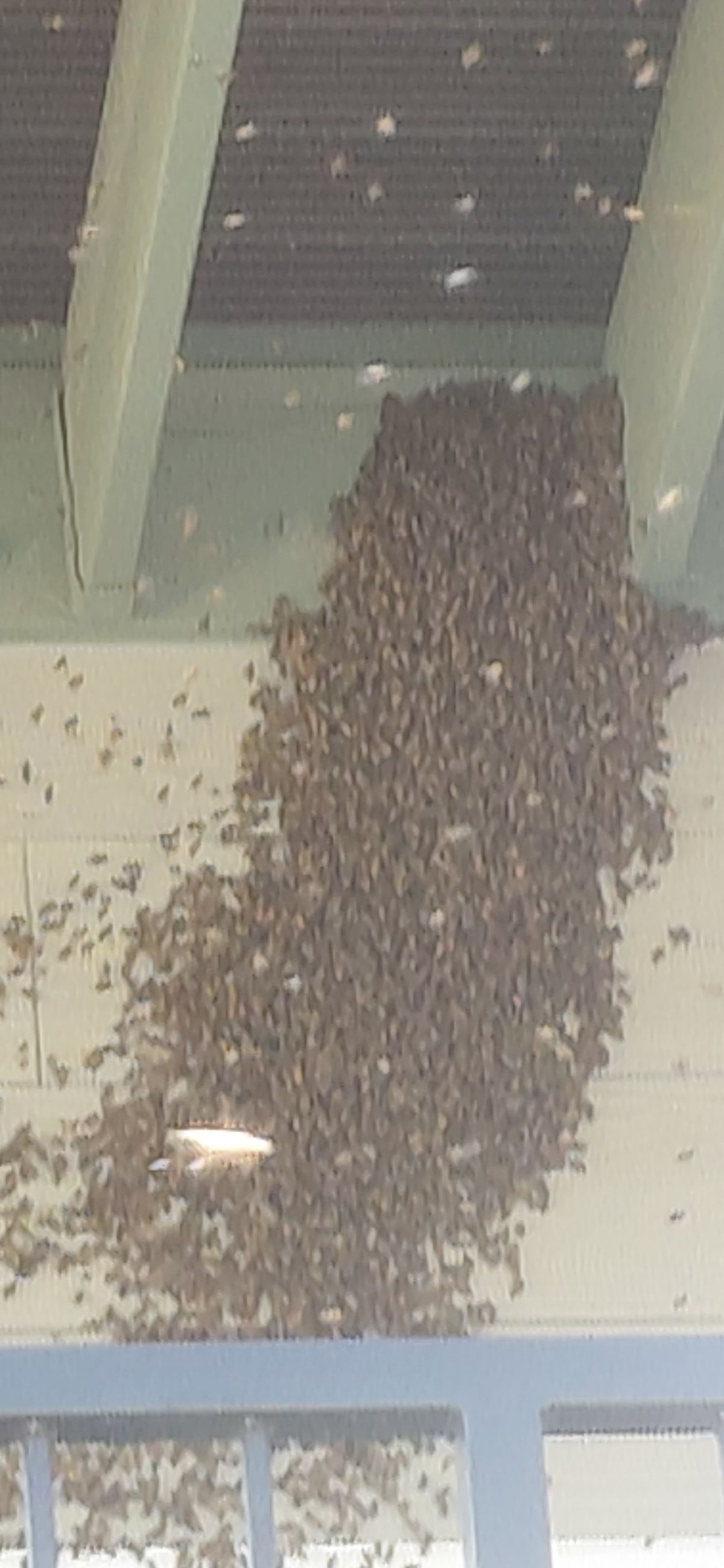
A Beekeeper's Guide to Swarm Season in California
California's Golden Opportunity: Harnessing the Spring Swarm For beekeepers across California, the arrival of spring signals more than just almond blossoms and wildflo...
Read More...May 18, 2026
Home > Blog > Reporting a Bee Swarm in Wyoming: What Happens Next?
May 12, 2026
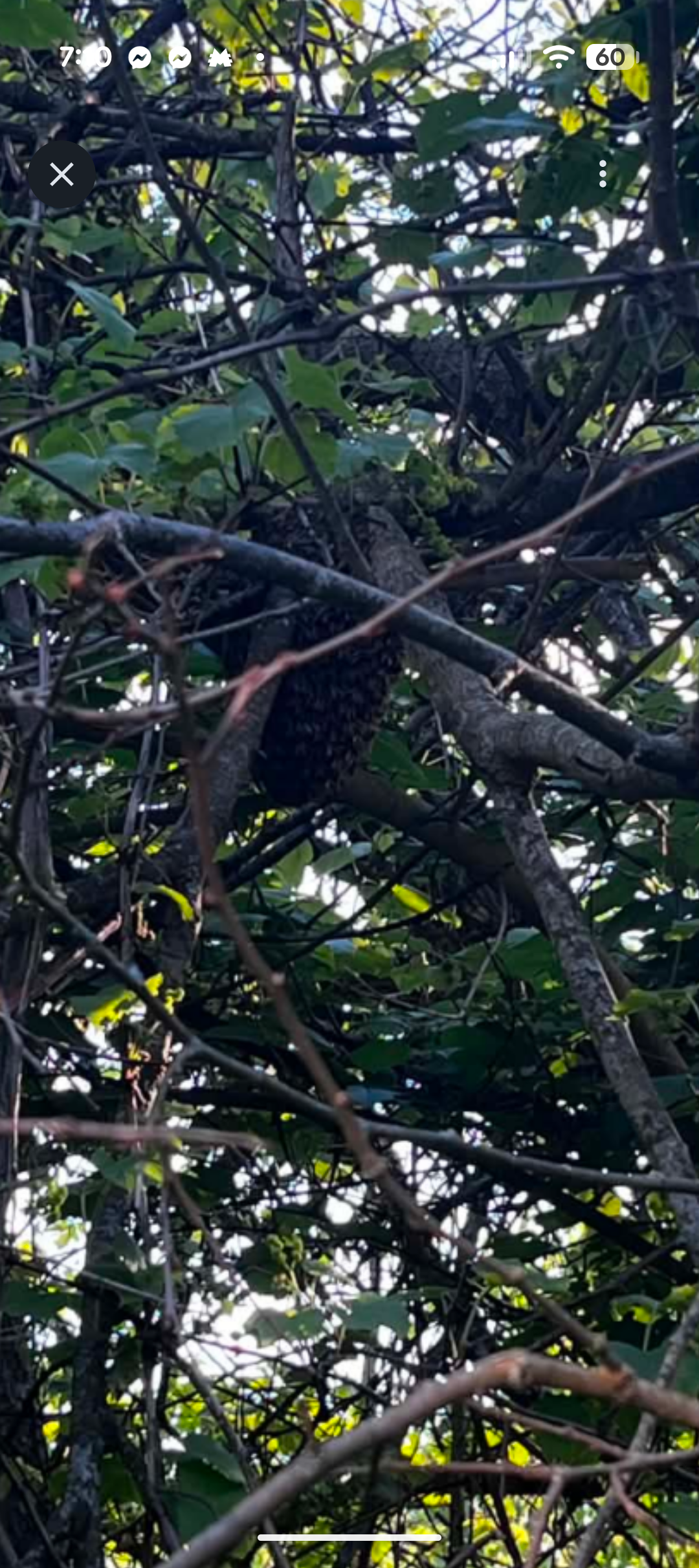
Discovering a large cluster of thousands of honey bees on a tree branch or fence post can be a startling sight. Whether you're in Cheyenne, Casper, or a rural corner of the state, your first instinct might be uncertainty. The good news is that you've already taken the most important step: seeking information instead of reaching for a can of pesticide. A bee swarm is a natural and fascinating sign of a healthy honey bee population, and by reporting it, you play a vital role in protecting these essential pollinators.
This guide will walk you through exactly what to expect after you report a bee swarm in Wyoming, from the moment you submit the report to the arrival of a local beekeeper.
Once you've filled out the simple form on the Swarmed bee swarm reporting page (opens in a new tab), our system instantly sends an alert to a network of registered beekeepers in your specific area. These are local hobbyists and professionals who have volunteered to safely rescue and re-home honey bee colonies. You will also receive a confirmation email letting you know that your report has been received and local beekeepers have been notified.
Beekeepers in Wyoming are eager to help. A healthy swarm is a valuable resource for them—it’s a new, vibrant colony that can be used to start a new hive in their apiary, strengthen an existing one, or contribute to local pollination efforts that are so crucial for Wyoming's agriculture.
Response times can vary. The beekeepers in the Swarmed network are volunteers, and their availability depends on the time of day, their work schedule, and your location. A beekeeper will typically claim your report online and then contact you directly by phone or text to get more details. They will likely ask:
This information helps them confirm it's a honey bee swarm and prepare the right equipment for the rescue. The power of this network model is evident across the country. In Nevada, for instance, a small, dedicated group of just six beekeepers on the Swarmed network successfully responded to 102 swarm alerts in a single season. This demonstrates how a few committed individuals can make a huge community impact, and that same spirit drives beekeepers here in Wyoming.
Understanding the difference between a swarm and an established hive is crucial, as it determines the complexity and cost of the removal. Your report helps the beekeeper assess the situation, but this distinction is key for managing expectations.
A swarm is a temporary, transient cluster of bees. The old queen has left an established hive with about half the worker bees to find a new home. While they search, they form a tight cluster around the queen to protect her.
If the bees have moved inside a structure, they are no longer a swarm. They have chosen their new home and have begun building a permanent colony.
For a true swarm, the rescue process is calm and fascinating to watch. The beekeeper will arrive with a special box or hive body. They will carefully place the box under the swarm and gently brush or shake the bees into it. The goal is to get the queen inside the box, as the rest of the bees will follow her scent. Once the majority of the colony is inside, the beekeeper will leave the box for a short while to allow any lingering scout bees to return before sealing it up and transporting it to a new, safe apiary.
By reporting the swarm, you have diverted the bees from potentially moving into a neighbor's wall and saved them from being exterminated. You've given them a chance to thrive under the care of a dedicated beekeeper.
When you see a swarm this spring, remember that you are witnessing a sign of a healthy ecosystem. By taking a few minutes to report it, you do more than just solve a problem in your backyard. You support local beekeepers, protect the food supply that depends on pollination, and act as a steward for one of nature's most important creatures. By taking a moment to report what you've found, you become a crucial part of the solution for protecting honey bees across the Cowboy State. If you see a swarm, please report it to Swarmed (opens in a new tab) to connect with a local beekeeper.
California's Golden Opportunity: Harnessing the Spring Swarm For beekeepers across California, the arrival of spring signals more than just almond blossoms and wildflo...
Read More...May 18, 2026
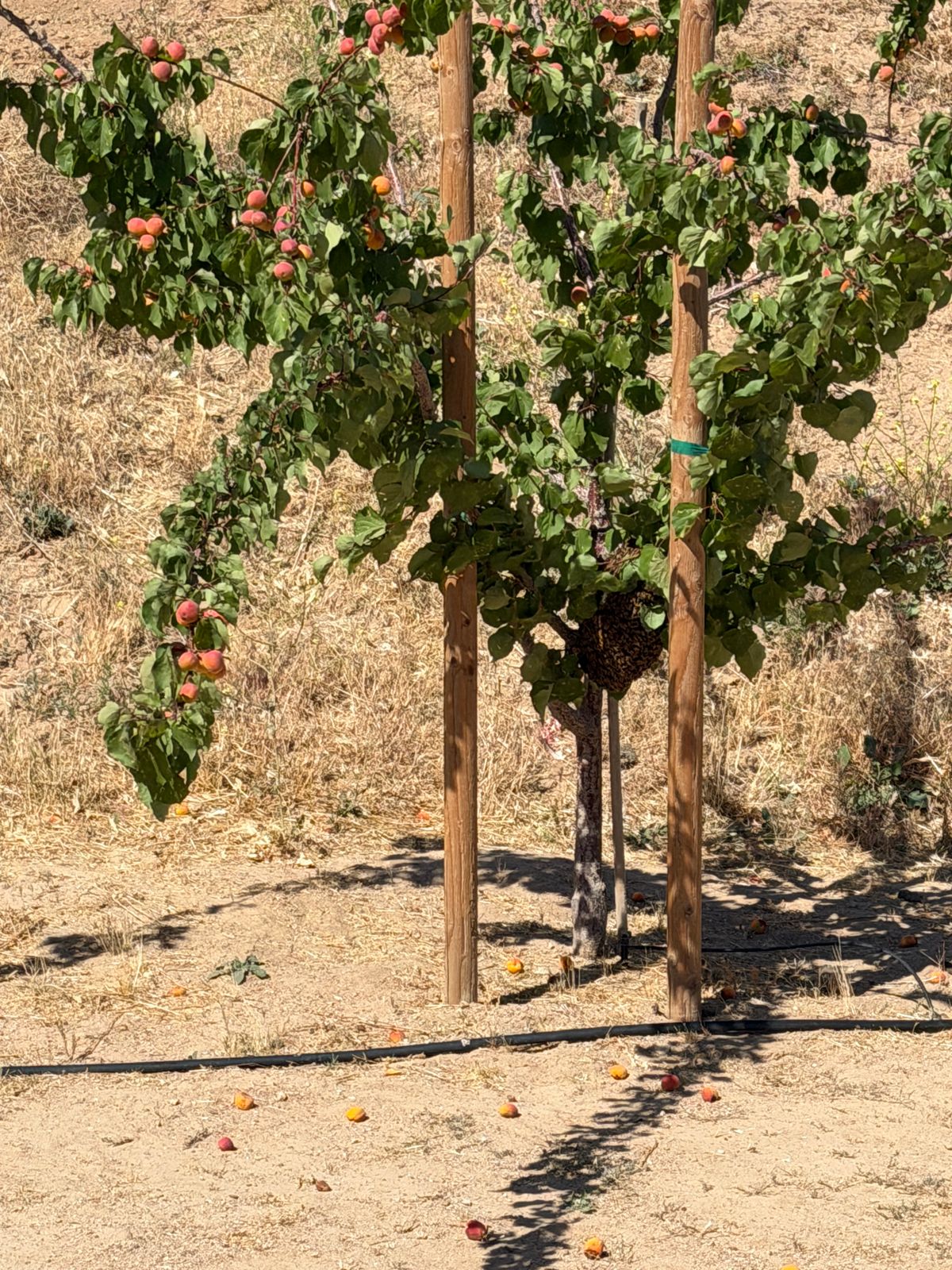
A Beekeeper's Guide to Swarm Collection in Idaho Spring has arrived in the Gem State, and with it, the unmistakable hum of honey bee swarms. For beekeepers, this is a...
Read More...May 18, 2026