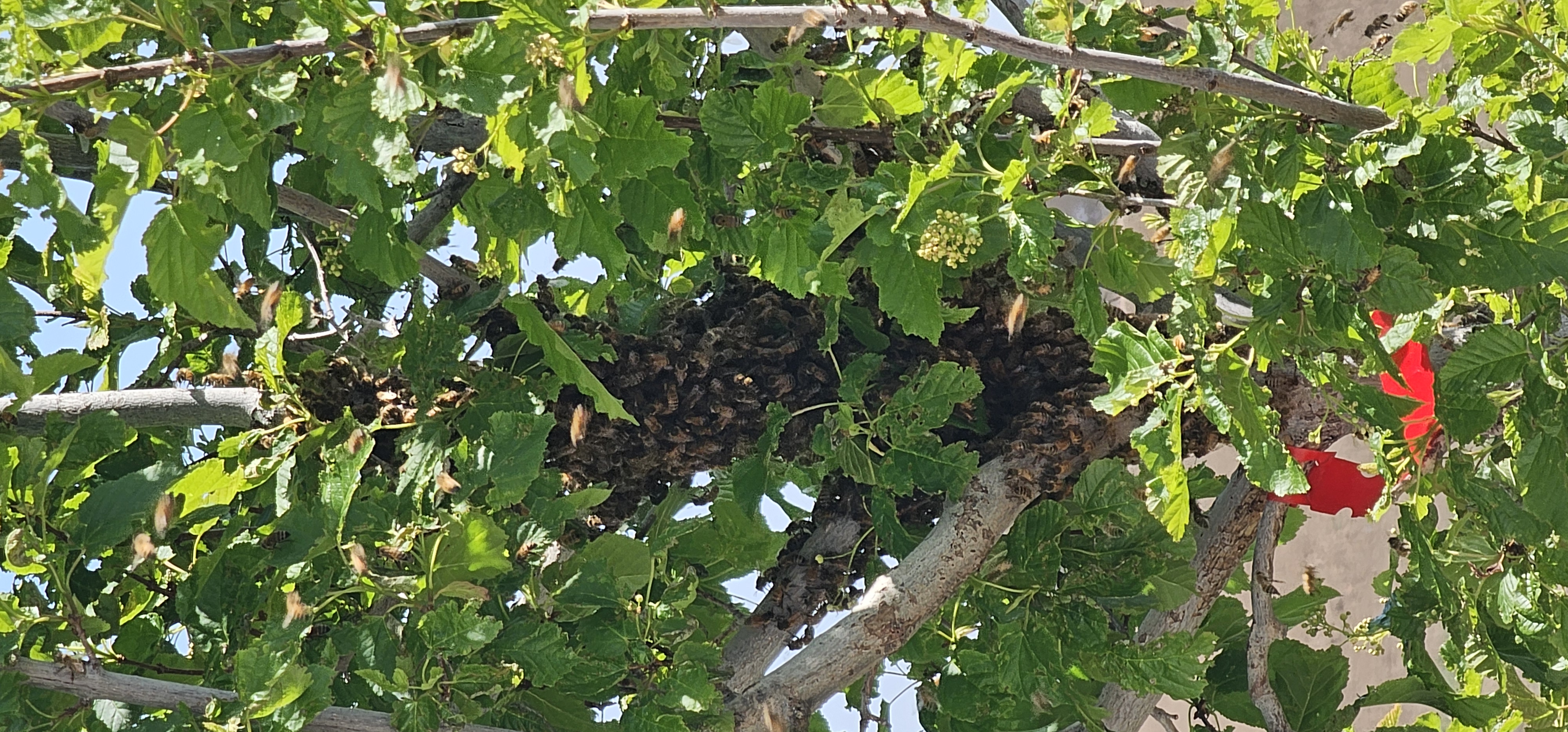
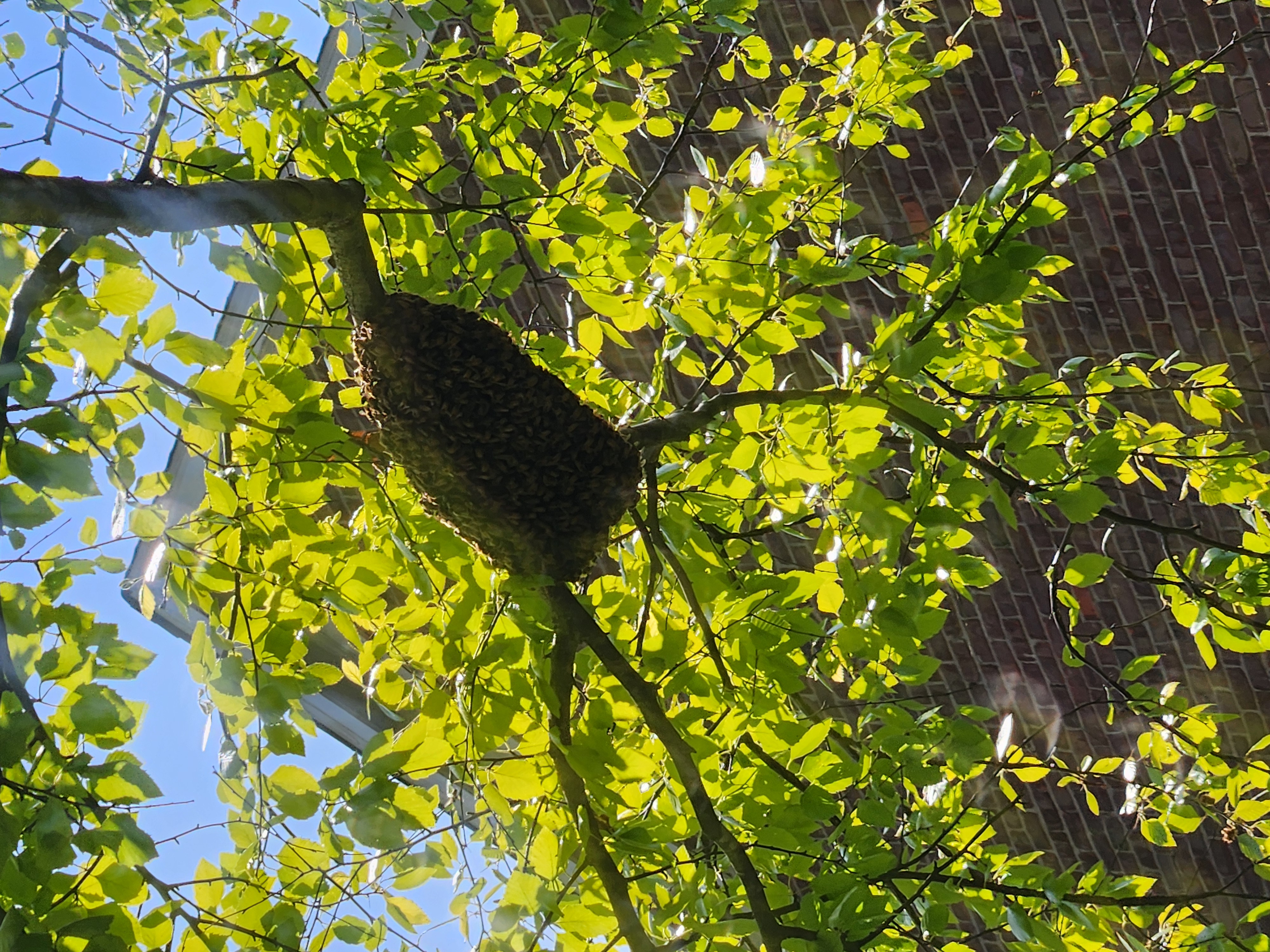
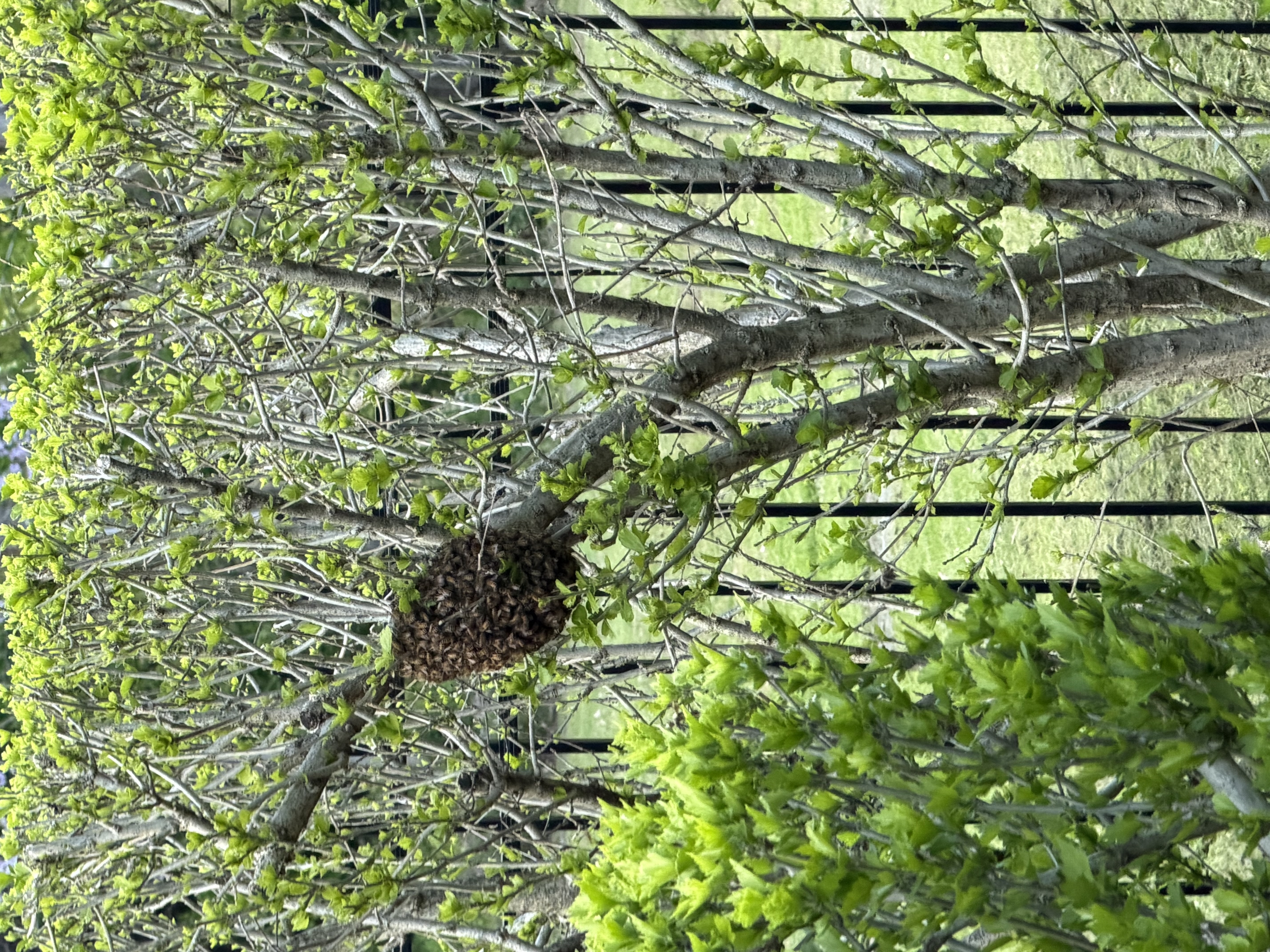
As the snow melts and wildflowers begin to bloom across Montana, from the Yellowstone River in Billings to the mountains surrounding Missoula, honey bees become more active. Seeing a large cluster of bees hanging from a tree branch or fence post can be startling, but it's a natural part of the honey bee life cycle called swarming. If you've encountered one and reported it, you've taken an important step in protecting these vital pollinators. This guide explains what you can expect after you report a bee swarm in Montana.
Your Report is Sent: The Notification Process
Once you submit a swarm report through the Swarmed platform, our system instantly identifies registered beekeepers in your vicinity. An automated alert containing the location and details you provided is sent via email and text message to these local experts. You will also receive a confirmation email acknowledging that your report has been received and is being dispatched.
This network approach is designed for a prompt response. Instead of you having to search for and call individual beekeepers, your single report notifies multiple people who are equipped and ready to help, whether you're in downtown Bozeman or a more rural part of the state.
Beekeeper Response Times in Big Sky Country
A common question is, "How quickly will a beekeeper arrive?" Response times can vary. Most beekeepers on the Swarmed network are hobbyists or small-scale apiarists with day jobs, families, and other commitments. They volunteer their time to rescue swarms because they care about bees.
Several factors influence how fast a beekeeper can get to you:
- Time of Day: A report filed mid-day on a weekend will likely get a faster response than one submitted late at night.
- Location: A swarm in a populated area like Billings or Missoula may be closer to more registered beekeepers than one in a remote location.
- Beekeeper Availability: The first beekeeper to claim the swarm will be the one to contact you. If they are tied up, another can step in.
Rest assured that the network is designed to find an available beekeeper as efficiently as possible. You should expect a call or text from a beekeeper to coordinate the rescue, typically within a few hours.
The Critical Difference: A Free Swarm vs. a Paid Removal
Understanding the situation you're dealing with is key to managing expectations, especially regarding cost. There is a crucial distinction between a honey bee swarm and an established hive. A Honey Bee Swarm
- This is a temporary cluster of bees, usually ranging from 10,000 to 30,000 individuals, with a queen at its center.
- They are in the process of moving and have stopped to rest for a few hours or, at most, a few days while scout bees search for a permanent home.
- Because they are engorged with honey for the journey and have no home or baby bees (brood) to defend, swarming bees are typically very docile.
- Collection of a swarm is almost always free. Beekeepers want these bees to start new hives in their apiaries.
An Established Hive or Colony
- This is what happens when a swarm finds a suitable permanent home—inside a wall, a chimney, a shed, or a hollow tree.
- The bees have started building wax comb, the queen is laying eggs, and they are storing honey.
- These bees are no longer transient. They are defensive because they are protecting their home, brood, and food stores.
- Removal of an established colony is a complex job that costs money.
Understanding the Costs: Swarm Rescue vs. Structural Cutouts
When you report your bees, the responding beekeeper will assess the situation. If you have a swarm hanging from a branch, the rescue is straightforward and the beekeeper will collect them at no charge.
A bee colony that has moved into a structure is a different matter. Removing it requires a specialized service known as a "cutout." This is labor-intensive work that may involve carpentry, specialized equipment like thermal cameras to locate the hive, and structural repairs after the bees and comb are removed. Because of this complexity, the beekeeper will provide a fair quote for the removal service based on the time, difficulty, and materials required. You have the right to accept or decline this quote.
Reporting a swarm on Swarmed is free to use, and it connects you directly with local experts. To help us maintain this service, we ask for an optional suggested contribution of $12 to support the platform's operations.
Why Your Report Matters for Montana's Bees
By taking a moment to report a swarm, you are doing more than just solving a problem in your backyard. You are contributing to the health of Montana's ecosystem and supporting your community.
- Protecting Honey Bees: A rescued swarm is given a managed home where it can thrive, pollinate crops, and produce honey, safe from the risks of establishing a colony in an undesirable location.
- Supporting Local Beekeepers: You provide local beekeepers with healthy, local bees to strengthen their apiaries.
- Building a Stronger Network: Every report helps strengthen the local bee rescue network. In states with developing networks like Nevada, which saw over 100 swarms reported to just a handful of users last season, each alert is critical for bee survival. Your report helps build a robust system right here in Montana.
Your action has a direct, positive impact. Instead of calling an exterminator, you've chosen a solution that benefits everyone, especially the bees.
If you see a honey bee swarm in Montana, you are a vital part of the solution. Reporting it is the first step to ensuring the bees' safety and supporting local agriculture. Help protect these essential pollinators by reporting a bee swarm today at https://beeswarmed.org/report-bee-colony (opens in a new tab).