
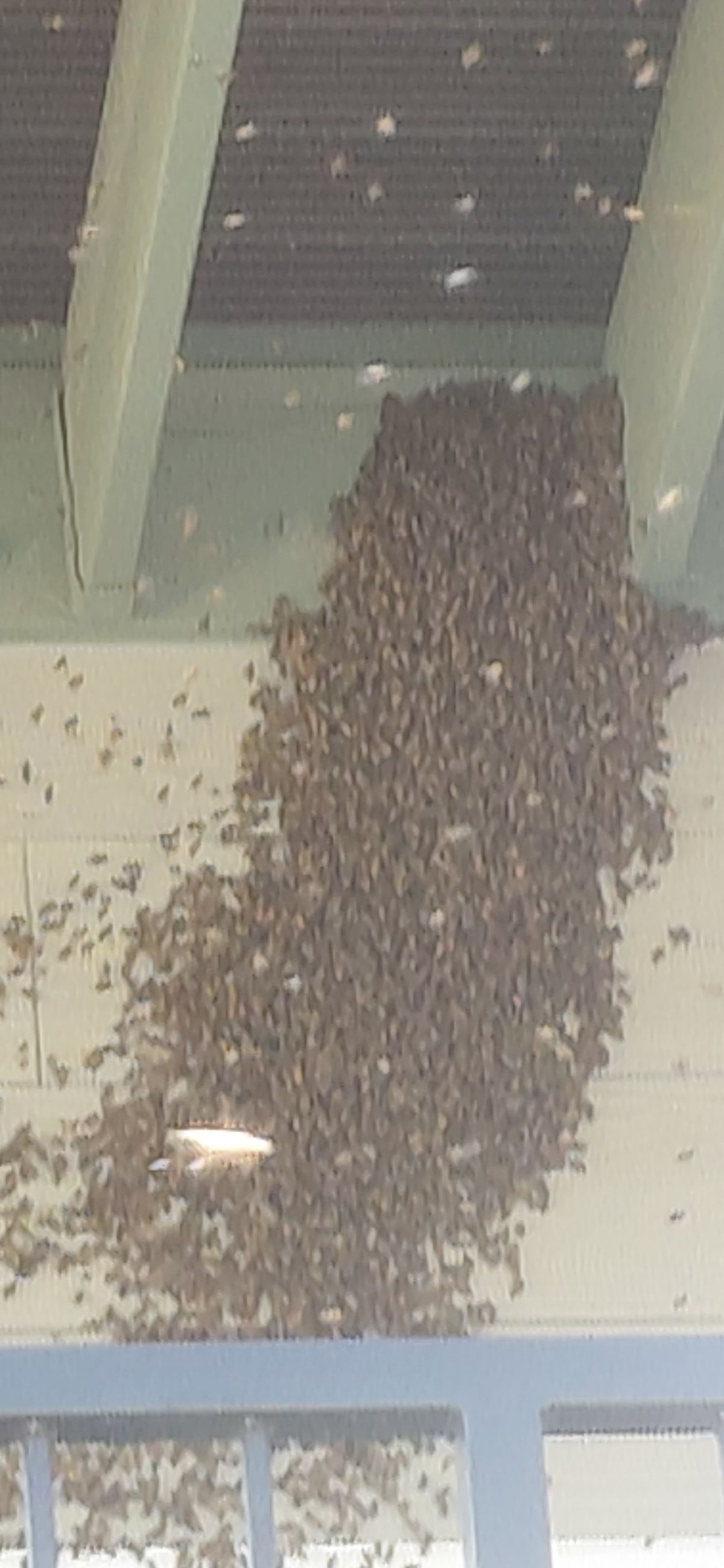
A Beekeeper's Guide to Swarm Season in California
California's Golden Opportunity: Harnessing the Spring Swarm For beekeepers across California, the arrival of spring signals more than just almond blossoms and wildflo...
Read More...May 18, 2026
Home > Blog > What to Expect After Reporting a Bee Swarm in Minnesota
May 12, 2026
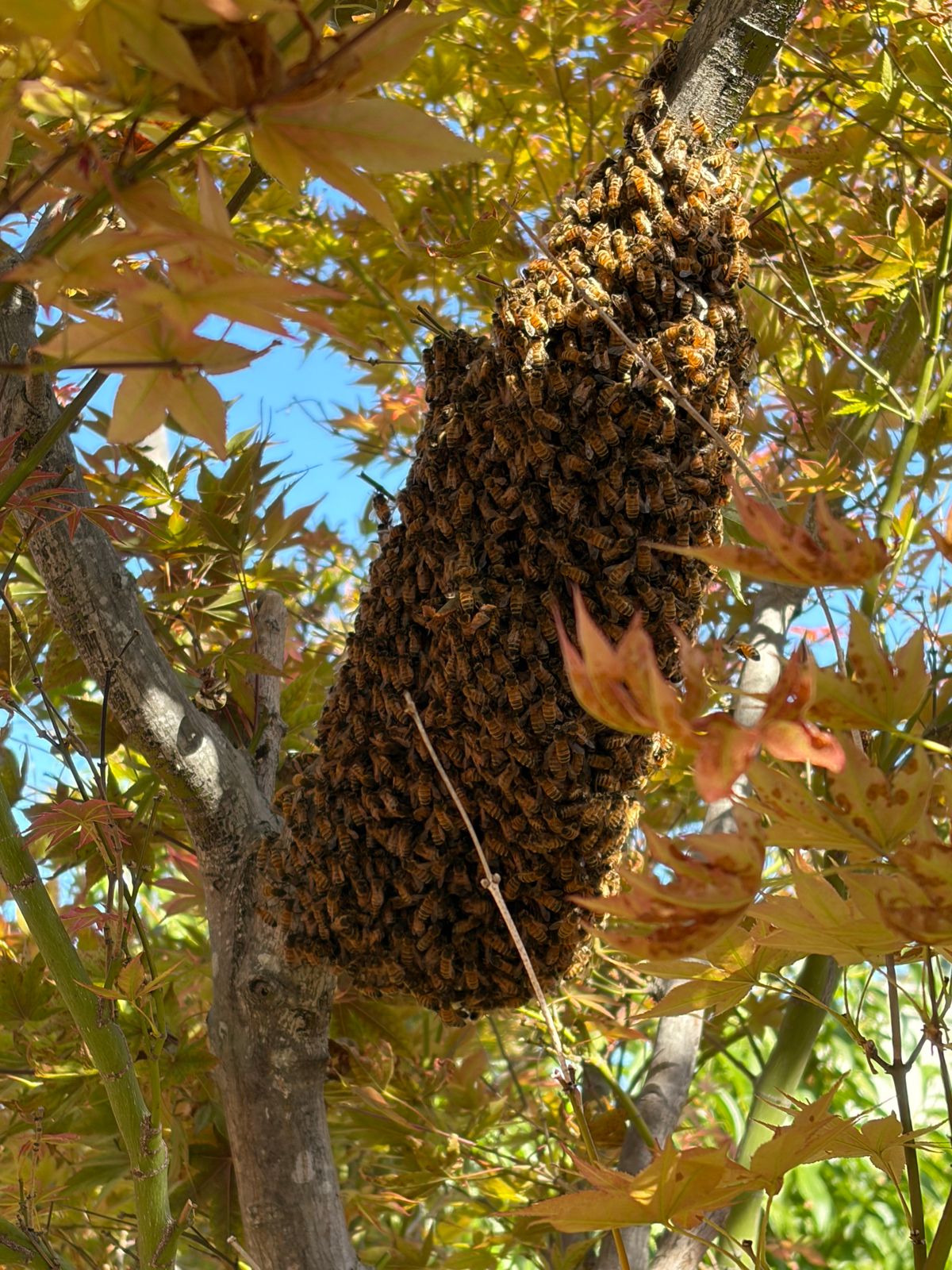
Spotting a large, buzzing cluster of honey bees on a tree branch or fence post in Minnesota can be surprising. By taking a moment to report it, you have initiated a crucial process that protects these vital pollinators and supports local beekeepers. For residents in Minneapolis, Saint Paul, Rochester, and across the state, understanding the next steps can provide peace of mind and clarity.
This guide explains exactly what happens after you submit a swarm report through Swarmed, detailing the immediate response from beekeepers and clarifying the important distinction between a swarm rescue and an established colony removal.
Once you submit the location and a photo of the bee swarm, the Swarmed system gets to work immediately.
One of the most important things for the public to understand is the difference between a honey bee swarm and an established hive. This distinction determines the complexity, cost, and method of removal.
A swarm is a temporary, transient cluster of bees. It is a natural part of the honey bee life cycle, where a queen bee leaves an existing hive with thousands of worker bees to find a new home.
An established hive is different. This occurs when a swarm has already found a permanent home and has begun building a nest inside a structure.
As our guidance for the public states: Swarm rescue is normally free—beekeepers want these bees. However, if bees have established a hive in your wall or structure with built comb, removal requires specialized skills and carpentry work. Expect the beekeeper to provide a fair quote based on complexity and repairs needed. You can accept or reject the quote.
When a local Minnesota beekeeper arrives, they will first assess the situation to confirm whether it is a swarm or an established colony.
If it is a swarm, the beekeeper will use specialized equipment to carefully and gently guide the bees into a temporary hive box. The goal is to get the queen inside, as the rest of the bees will follow her. The process is calm and fascinating to watch.
If the beekeeper determines the bees have moved into a structure, they will discuss the situation with you. They will explain the steps required for a cutout and provide a quote for the service. You are under no obligation to accept; the quote is for you to make an informed decision.
Reporting a bee swarm does more than just solve a problem in your backyard—it's an act of community support and environmental stewardship. Every swarm reported is an opportunity to save a colony of pollinators essential to Minnesota's agriculture and ecosystems.
The impact is significant; our network helped facilitate the rescue of over 102 swarms in just one state last season, giving those colonies a chance to thrive under the care of a skilled beekeeper rather than perishing or moving into an undesirable location.
By reporting a swarm, you are directly helping local beekeepers who are dedicated to the health of honey bees. These rescued swarms strengthen their apiaries and support their efforts to maintain healthy bee populations in the North Star State.
Your quick action helps protect honey bees and supports your local community of beekeepers. If you see a honey bee swarm, please do not hesitate. You can Report a honey bee swarm in Minnesota (opens in a new tab) and connect with a local beekeeper ready to help.
California's Golden Opportunity: Harnessing the Spring Swarm For beekeepers across California, the arrival of spring signals more than just almond blossoms and wildflo...
Read More...May 18, 2026

A Beekeeper's Guide to Swarm Collection in Idaho Spring has arrived in the Gem State, and with it, the unmistakable hum of honey bee swarms. For beekeepers, this is a...
Read More...May 18, 2026