You've Reported a Honey Bee Swarm. What's Next?
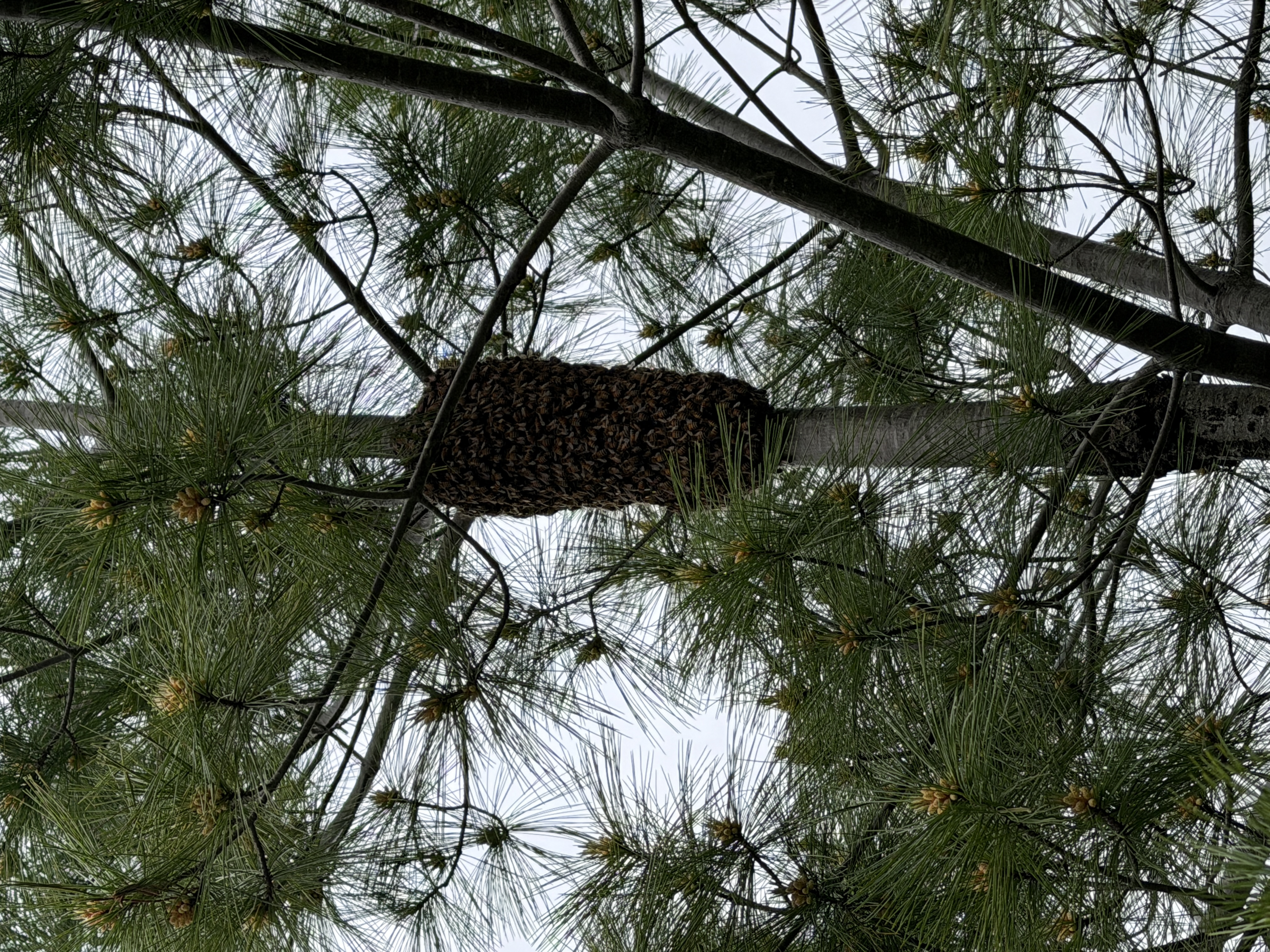
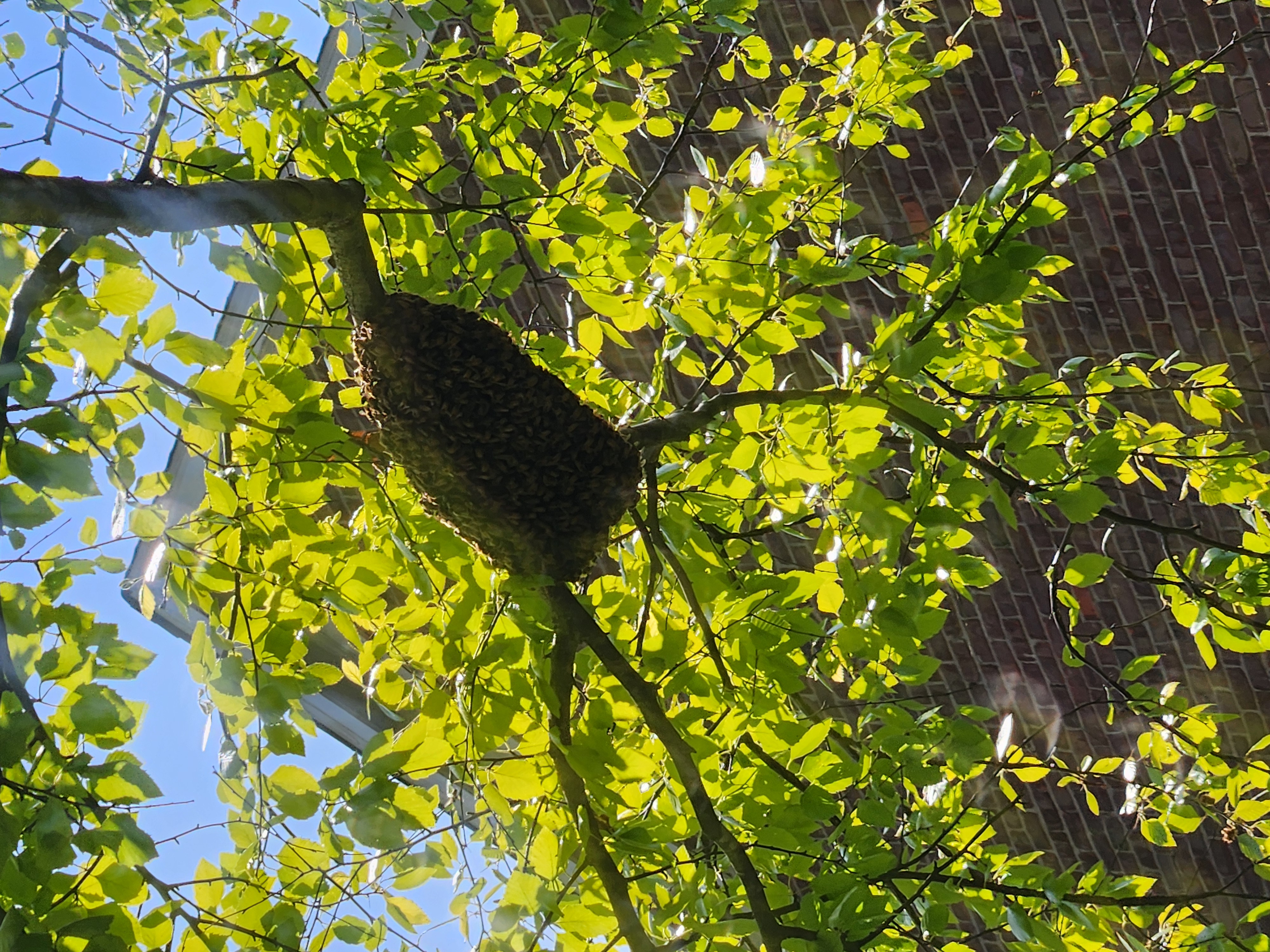
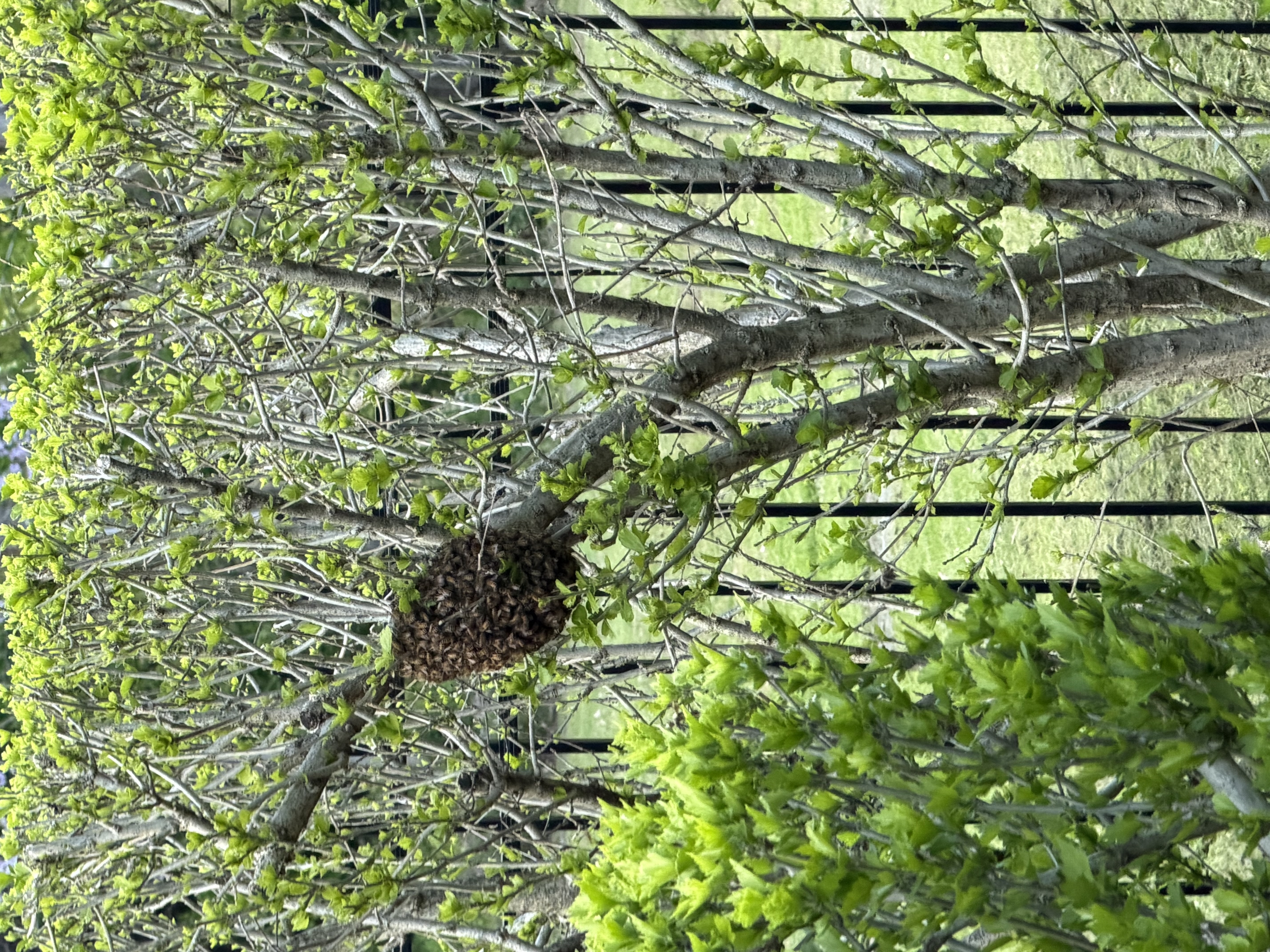
Across Washington, from the bustling streets of Seattle to the neighborhoods of Tacoma and Spokane, the sight of a swirling mass of honey bees can be both awe-inspiring and a little unsettling. When you see a bee swarm clustered on a tree branch, fence post, or mailbox, you’re witnessing a natural and vital part of the honey bee life cycle. By taking a moment to report it, you’ve initiated a process that protects these essential pollinators and supports your local beekeeping community.
But what actually happens after you click “submit” on the Swarmed report form? This guide will walk you through the entire process, clarifying what to expect, explaining the role of local beekeepers, and detailing the critical difference between a simple swarm rescue and a more complex colony removal.
Step 1: Instant Confirmation and a Network in Motion
Immediately after you submit your swarm report, two things happen simultaneously. First, you will receive an email confirmation. This message lets you know that your report has been successfully received and is being processed by the Swarmed network. It’s our way of saying, “We got it, and help is on the way.”
Second, and most importantly, our automated system instantly sends an alert to registered beekeepers in your immediate vicinity. This alert contains the location and details you provided. Washington has a dedicated community of beekeepers who are passionate about protecting honey bees, and many are actively monitoring these alerts, especially during peak swarm season in late spring. Thanks to this technology, it’s not uncommon for the first beekeeper to contact you within minutes of your report.
Step 2: A Call or Text from a Local Beekeeper
The person who contacts you will be a local beekeeper, often a hobbyist or small-scale apiarist who is eager to give these bees a safe, managed home. When they get in touch, they will likely ask a few simple questions to assess the situation:
- Can you confirm the location of the bees? They need to verify the address and the specific spot on the property.
- Are the bees in a cluster, or are they going in and out of a structure? This is the most important question to determine the type of removal needed.
- How high off the ground are they? This helps the beekeeper know if they need to bring a ladder or specialized equipment.
- Can you send a photo? A picture is incredibly helpful, allowing the beekeeper to confirm they are honey bees and see the size and accessibility of the swarm.
While you wait, remember that a honey bee swarm is typically at its most docile. The bees have filled their stomachs with honey for the journey and have no home, brood, or food stores to defend. Your best course of action is to keep a safe distance, ensure pets and children are indoors, and avoid disturbing the cluster.
The Critical Distinction: Free Swarm Rescue vs. Paid Colony Cutout
Understanding the difference between a swarm and an established colony is key to managing expectations. Your report helps a beekeeper determine which situation they are dealing with.
Honey Bee Swarm: A Free Rescue
A swarm is a temporary, transient cluster of bees hanging from a structure, not inside it. They are essentially homeless and looking for a new place to live. Because these bees are easy to gather and valuable for starting new hives, beekeepers will almost always rescue a swarm for free. They can often gently brush the bees into a special box, wait for the remaining bees to march inside following the queen's scent, and then transport them to a new apiary. This is a win-win: you get the bees safely removed, and the beekeeper gets a new, healthy colony.
Established Colony: A Paid Structural Cutout
An established colony is different. This is when bees have moved *inside* a structure—such as the wall of a house, a chimney, a shed roof, or a hollow tree—and have begun building wax comb. They are no longer homeless; they have built a home.
Removing an established colony is a complex and labor-intensive process known as a “cutout.” It requires much more than a simple box. This work is a paid service because it often involves:
- Carpentry and Structural Access: The beekeeper may need to carefully cut into siding, drywall, or roofing to access the hive.
- Specialized Equipment: Tools like thermal cameras to locate the nest, bee vacuums to safely contain the bees, and construction tools are often necessary.
- Delicate Comb Removal: The beekeeper must painstakingly remove every piece of wax comb containing honey, pollen, and developing bees (brood).
- Repair Work: After the bees and comb are removed, the structure must be properly sealed and repaired to prevent future infestations.
If the beekeeper determines you have an established colony, they will explain the situation and provide a fair quote for the removal based on the complexity, location, and time required. You are free to accept or decline this quote. Reporting through Swarmed is always free, but the physical work of a cutout is a professional service.
Your Report Powers a Statewide Conservation Effort
By reporting a swarm, you are doing more than just solving a problem in your backyard. You are an active participant in a community-driven effort to protect honey bees across Washington. These pollinators are vital to the state’s agricultural success, from apple orchards in the east to berry farms in the west.
Every single report contributes to a larger mission. In other states where citizens are actively reporting, community efforts have led to remarkable results. For instance, in one region, citizen reports enabled local beekeepers to rescue over 102 swarms in a single season, giving those bees a chance to thrive in managed hives instead of potentially perishing or moving into an inconvenient location.
When you report a swarm, you provide local beekeepers with healthy, genetically diverse bees that are already adapted to Washington's climate. This strengthens the local bee population and supports the passionate individuals who care for them.
Thank you for taking the time to be a part of the solution. Your simple act of reporting a bee swarm helps protect honey bees, supports your neighbors, and contributes to the ecological health of our beautiful state.
If you see a honey bee swarm, don't hesitate. You can help save them by reporting their location to a local beekeeper. Report the swarm here (opens in a new tab) and become part of a community that cares.