You've Seen a Swarm and Made the Report. What Now?
Spring in Ohio brings blooming flowers and the familiar hum of honey bees. If you've spotted a large cluster of bees hanging from a tree branch or fence post in Columbus, Cleveland, or Cincinnati, you might feel a mix of awe and concern. By taking a moment to report it, you've taken a crucial first step in helping these vital pollinators. But what exactly happens after you click 'submit'?
This guide walks you through the entire process, from the moment you send your report to the arrival of a local beekeeper. Understanding these steps helps demystify the experience and highlights the important role you play in protecting Ohio's honey bee population.
The Immediate Response: An Alert to Local Beekeepers
Once you've submitted your report through the Swarmed platform, the system immediately gets to work. Here’s the sequence of events you can expect within the first few minutes:
- Email Confirmation: You will receive an email confirming that your report has been received and is being processed. This message provides peace of mind that your alert is in the system.
- Network Activation: Your report, including the location and any photos you provided, is instantly broadcast to a network of registered beekeepers in your specific area of Ohio. Whether you're in a suburb of Cleveland or the heart of Columbus, the alert targets beekeepers who are closest to you.
- Rapid Beekeeper Response: Beekeepers are passionate about bees and are eager to help. It is common for the first beekeeper to claim the swarm and contact you within minutes of your report. They will typically call or text you to get more details, confirm the bees are still there, and provide an estimated time of arrival.
This rapid communication is designed to ensure the swarm can be rescued safely and efficiently before it decides to move on to a less ideal location, like inside the wall of a building.
Understanding the On-Site Assessment: Swarm vs. Established Colony
When the beekeeper arrives, their first and most important task is to assess the situation. They need to determine if they are dealing with a honey bee *swarm* or an *established colony*. This distinction is critical because it dictates the removal method, the time required, and the cost.
Scenario 1: The Honey Bee Swarm (Typically Free Removal)
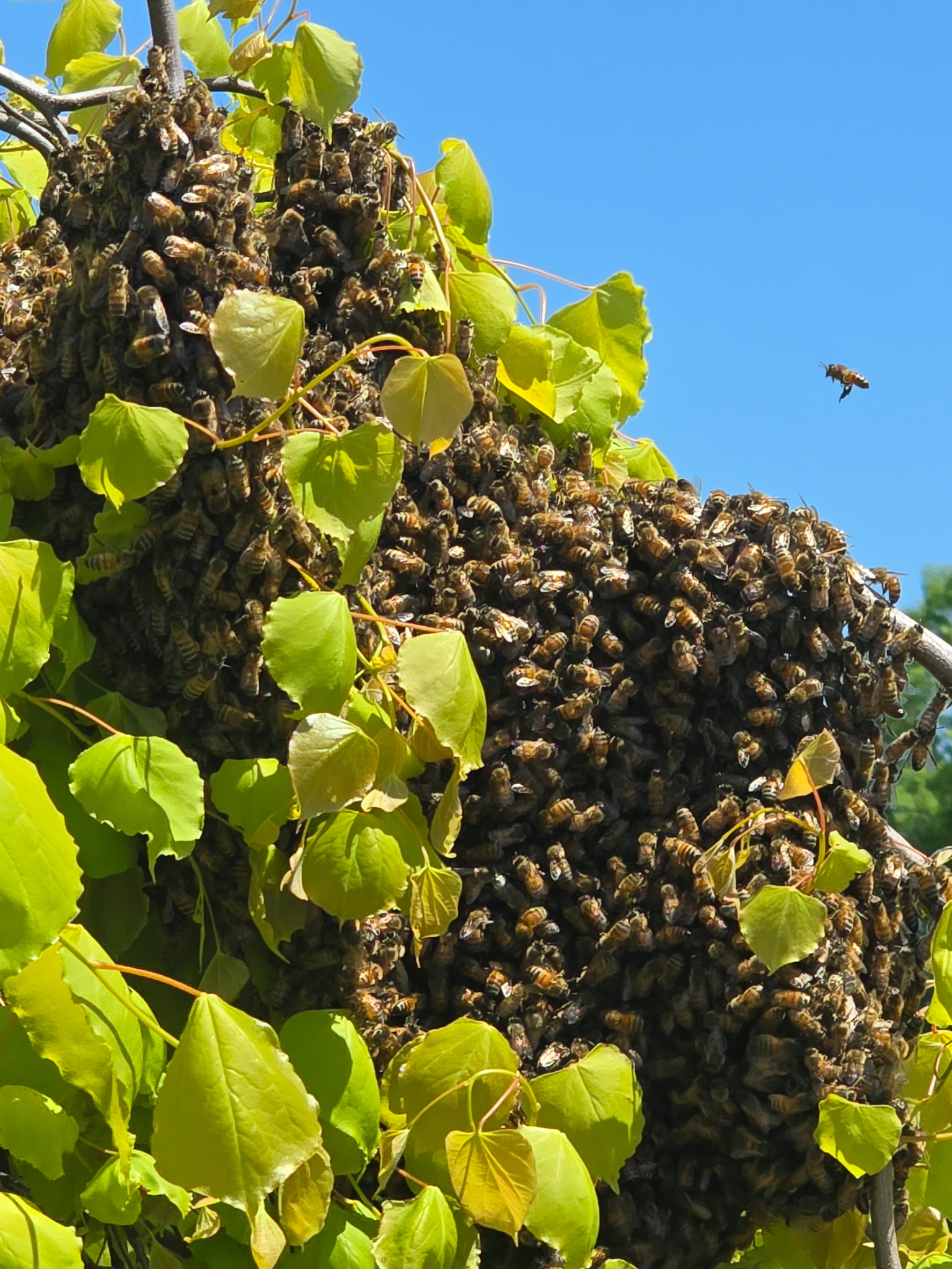
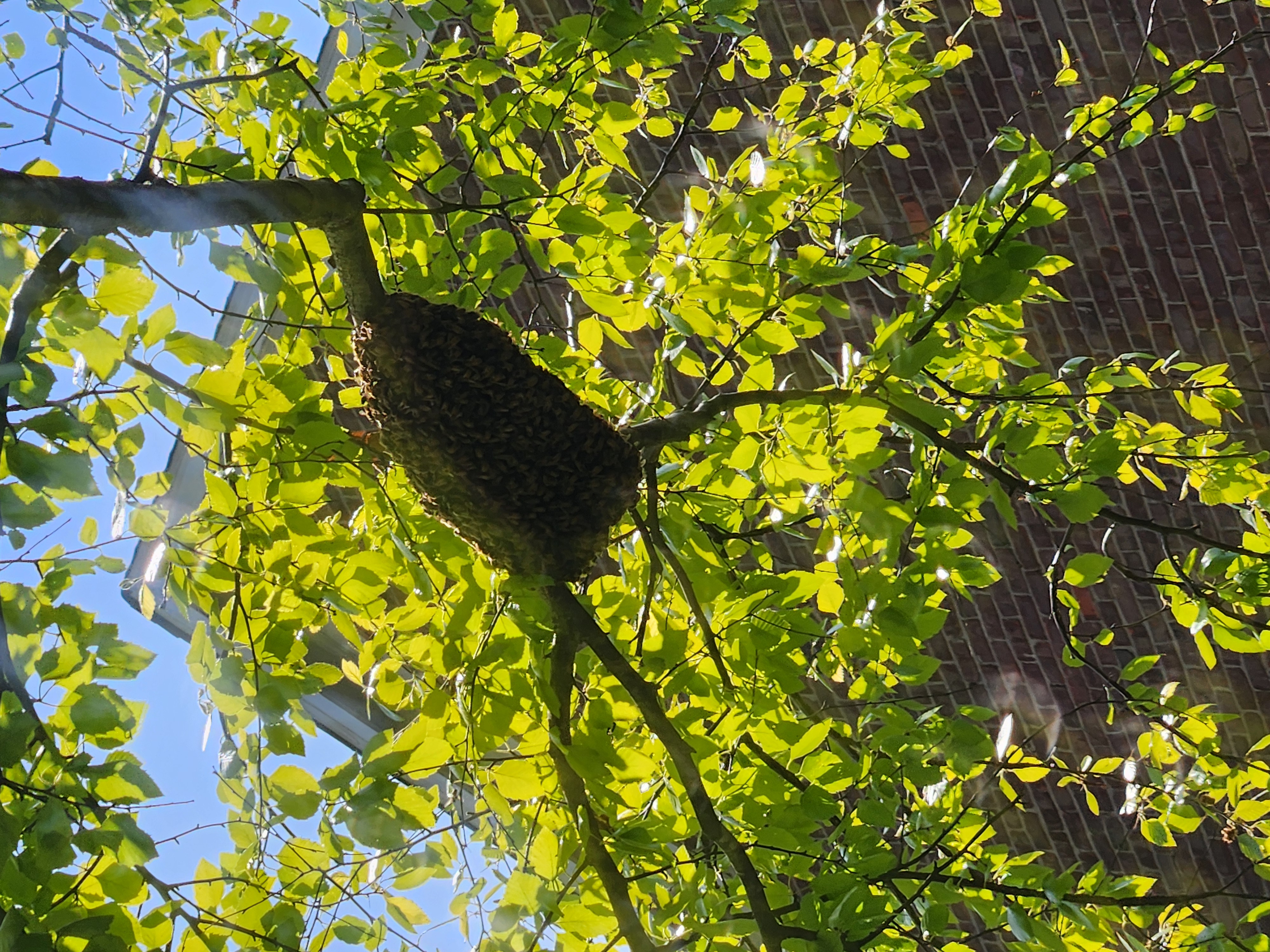
A true honey bee swarm is a beautiful, natural part of the bee life cycle. It is a large group of bees—often thousands—that has left an old hive with their queen to find a new home.
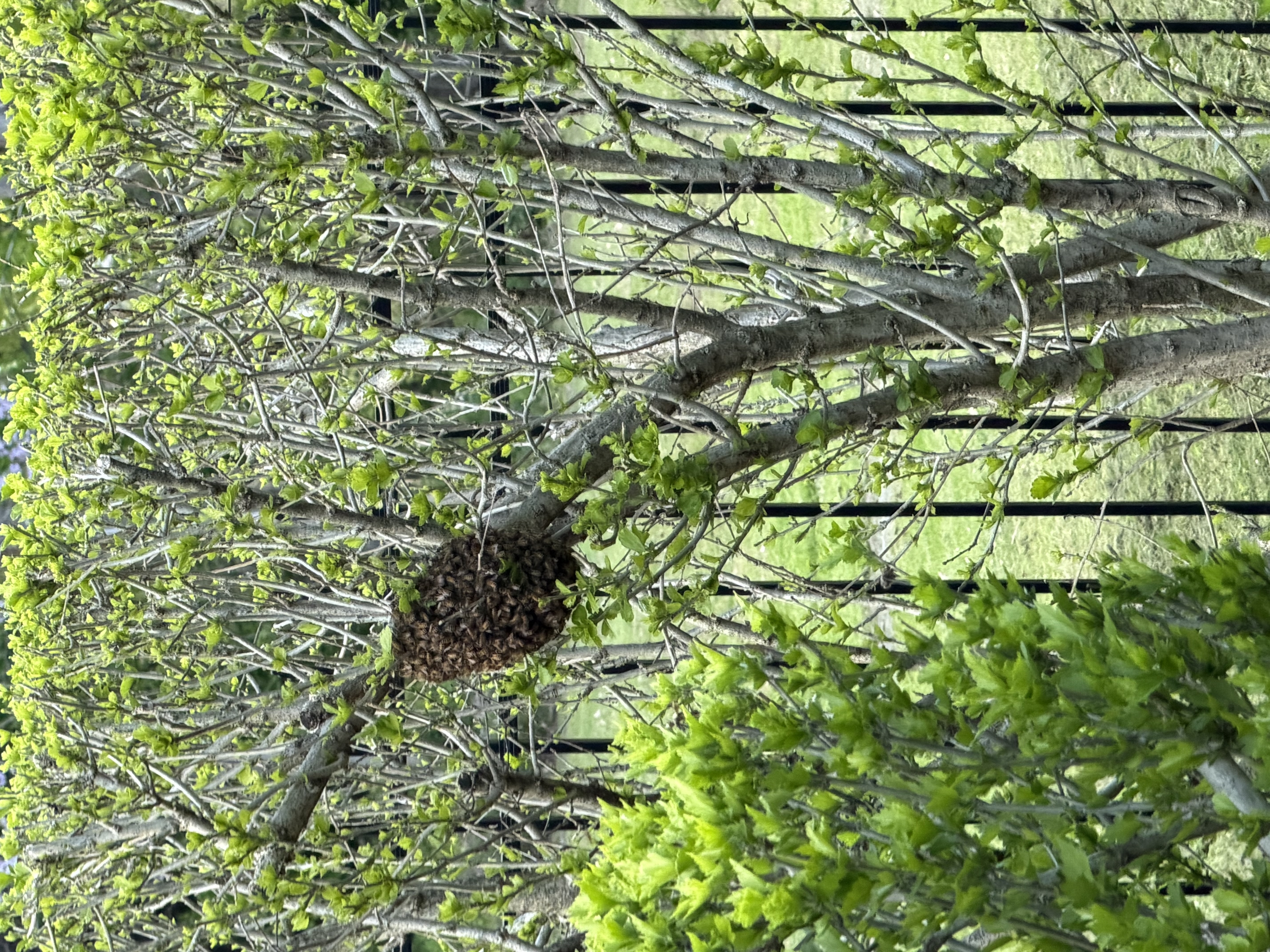
- Appearance: A swarm appears as a large, hanging cluster of bees, often shaped like a ball or a teardrop. They might be on a tree limb, a fence, a mailbox, or the side of a building.
- Behavior: Bees in a swarm are surprisingly docile. Before leaving their original hive, they gorged on honey, making them full and less inclined to sting. They have no home, no baby bees (brood), and no honey stores to defend.
- Duration: A swarm is temporary. The cluster is a resting point while scout bees search for a suitable permanent home. They typically stay for 24 to 72 hours before moving on.
For these reasons, the rescue of a honey bee swarm is almost always free. Beekeepers are happy to give these bees a new, safe home in one of their apiaries. The collection process is relatively straightforward, often involving gently brushing the bees into a special box.
Scenario 2: The Established Colony (A Paid Service)
If the bees have moved beyond the temporary clustering phase and have taken up residence within a structure, the situation changes significantly. This is no longer a swarm; it is an established honey bee colony.
- Location: An established colony is found *inside* a structure, such as the walls of a house, a chimney, a roof soffit, or a shed. You will see bees flying in and out of a specific crack or hole.
- Infrastructure: Inside the structure, the bees have built wax comb. This comb is used to store honey and pollen and to raise their young. They have made this place their permanent home.
- Behavior: Unlike a docile swarm, an established colony will be defensive. They have a home, food, and brood to protect, making them more likely to sting perceived threats.
Removing an established colony is a complex and labor-intensive process known as a "cutout." It requires specialized skills and tools, often involving carpentry to open the structure, carefully remove the bees and comb, and then perform necessary repairs.
Because of this complexity, a cutout is a paid service. The beekeeper will provide you with a fair quote based on the difficulty, time, and materials required for the job. You have the right to accept or decline this quote. Reporting through Swarmed is free to use; the platform simply connects you with an expert who can help.
Why Your Report is a Lifeline for Bees and Beekeepers
By taking a few minutes to report a swarm, you do more than just solve a potential nuisance. You become an active participant in a community-wide effort to support honey bees and local agriculture in Ohio.
- You Protect Honey Bees: A rescued swarm is given a managed hive where a beekeeper can ensure its health and survival. Left on their own, swarms might establish a colony in an undesirable location where they could be exterminated.
- You Support Local Beekeepers: Swarms are a valuable resource for beekeepers, allowing them to strengthen their apiaries and continue their important work of pollination. Your single report contributes to a statewide effort. Last season, community reports in another region helped local beekeepers rescue over 102 swarms, giving those colonies a chance to thrive.
- You Strengthen Your Community: When you report a swarm, you are connecting a community resource (a local beekeeper) with a community need. This simple act strengthens the network of people who care about our local environment, from Cincinnati to the shores of Lake Erie.
After reporting bees in Columbus or any Ohio city, you can be confident that you've initiated a positive chain of events. You've alerted a skilled individual who can safely and humanely handle the situation, ensuring the best outcome for both the bees and your property.
If you see a honey bee swarm, don't hesitate. Your quick action can make all the difference. Help protect these essential pollinators and support your local Ohio beekeepers by reporting the swarm. To report a swarm and connect with a local beekeeper, please visit the Swarmed Bee Colony Reporting page (opens in a new tab).