
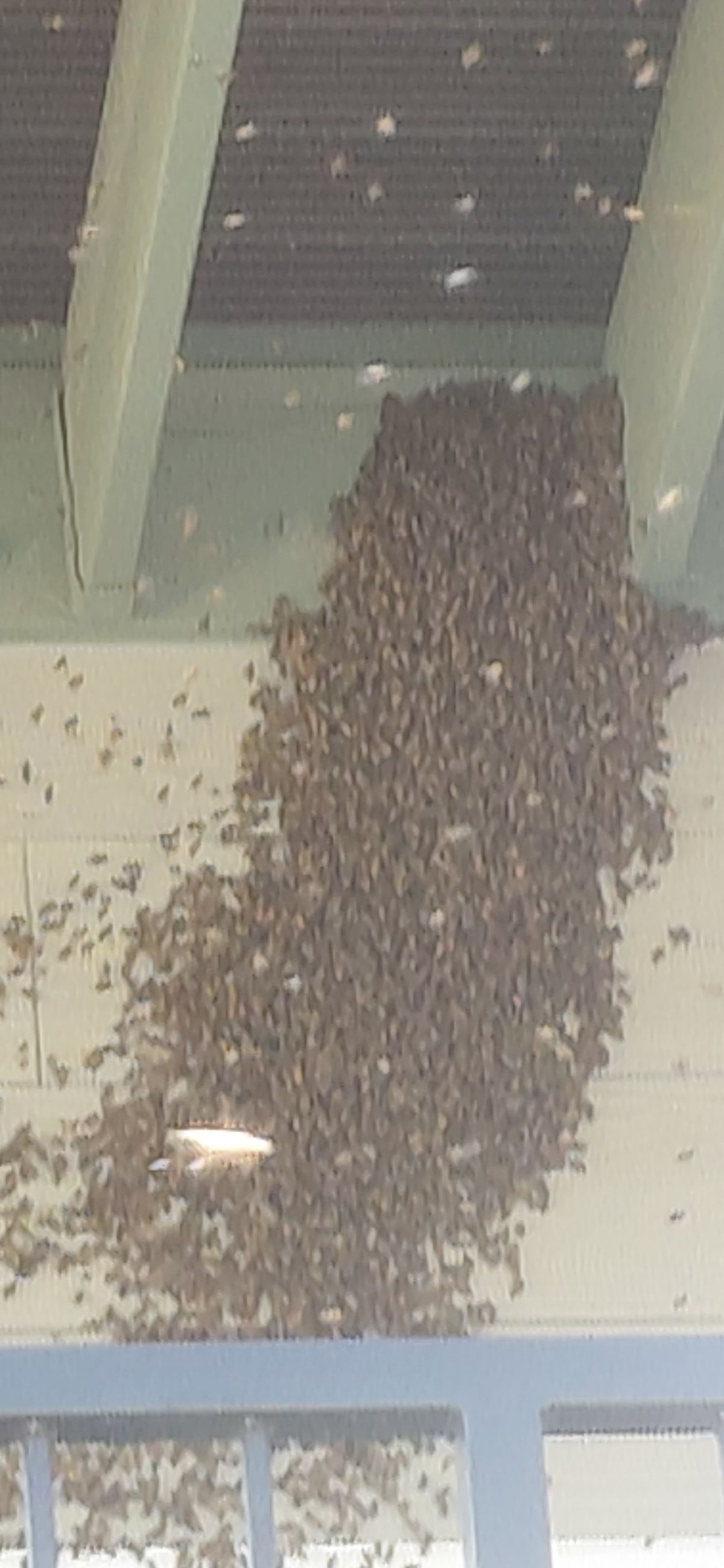
A Beekeeper's Guide to Swarm Season in California
California's Golden Opportunity: Harnessing the Spring Swarm For beekeepers across California, the arrival of spring signals more than just almond blossoms and wildflo...
Read More...May 18, 2026
Home > Blog > Reported a Bee Swarm in Maryland? Here’s What Happens Next
May 12, 2026
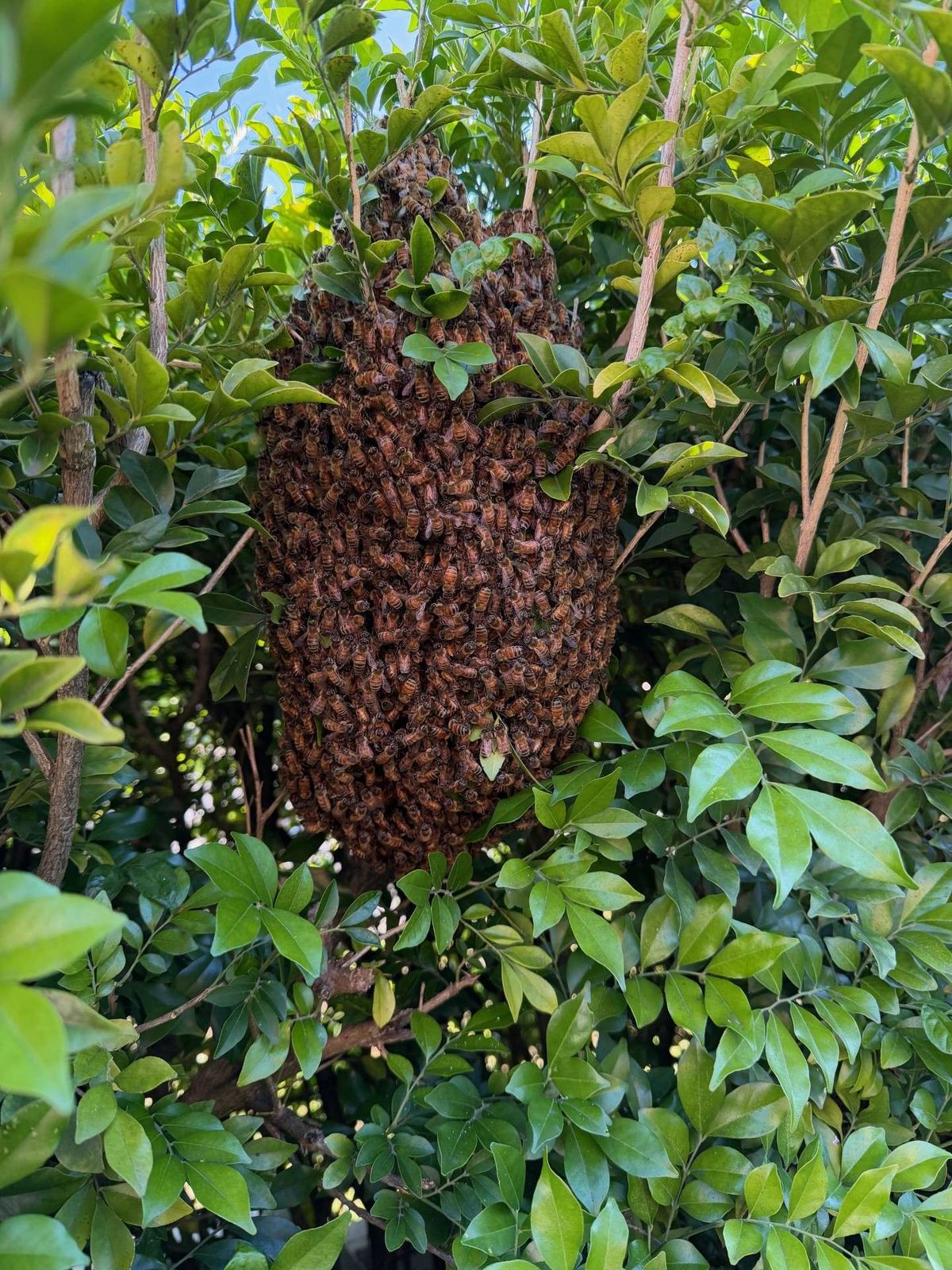
Spotting a large, buzzing cluster of honey bees on a tree branch or fence post can be an unexpected sight. During the spring, from the bustling streets of Baltimore to the historic neighborhoods of Annapolis and Frederick, this phenomenon—a bee swarm—is a natural part of the honey bee life cycle. While it may look alarming, it’s a sign of a healthy, growing bee population. But after you've done the right thing and reported it, what exactly happens next?
This guide provides clarity on the process, explaining what you can expect after you submit a bee swarm report in Maryland, from the initial alert to the arrival of a local beekeeper.
Once you fill out the simple form on the Swarmed platform, your report is instantly sent out as an alert to a network of registered beekeepers in your specific Maryland locality. You will immediately receive an email confirmation acknowledging that your report has been received and is being dispatched. This email serves as your assurance that the process has begun and that local bee experts are now aware of the situation.
Within a short time, a beekeeper near you will 'claim' the swarm alert through the Swarmed system. Once a beekeeper has claimed your report, they will typically contact you directly by phone or text message to gather a few more details, confirm the location, and provide an estimated time of arrival.
Response times can vary from less than an hour to several hours, depending on the time of day, your location, and the beekeeper's availability. There is no need for concern. A swarm of bees is in a temporary state, usually remaining in one spot for 24 to 72 hours while scout bees search for a permanent new home. The bees are also at their most docile during this time because they have no home, honey, or baby bees to defend.
Understanding the type of bee situation you have is the most important factor in setting expectations. The Swarmed network connects you with beekeepers who handle two very different types of bee removals, and the distinction determines whether the service is free or requires a fee.
A honey bee swarm is a transient cluster of bees hanging from a surface like a tree limb, a fence, or the side of a building. It consists of a queen bee and a large group of worker bees that have left their original hive to start a new one. They have not yet built any wax comb.
Because swarms are essentially the start of a new colony, beekeepers are eager to capture them to build up their own apiaries. The collection process is straightforward, and most Maryland beekeepers are happy to rescue these swarms at no charge as a service to the community and to help the bees.
If bees have moved into a structure—such as the wall of your house, an attic, a shed, or a hollow tree on your property—they are no longer a swarm. They are an established colony. This means they have started building wax comb, laying eggs, and storing honey.
Removing an established colony is a complex, labor-intensive process known as a "cutout." It requires specialized skills and tools, often involving carpentry to open the structure, carefully remove all the bees and comb, and then repair the access point. This work always costs money.
The responding beekeeper will assess the situation and provide a fair quote based on the complexity, time, and materials required for the removal and repair. You have the option to accept or decline this quote.
For a swarm rescue, the beekeeper will arrive with basic equipment, such as a special box (a 'nuc' box), a bee brush, and protective gear. They will gently encourage the bees into the box and take them to a new, safe home in their apiary. The process is typically quick and minimally disruptive.
For an established colony cutout, the beekeeper will first conduct a thorough inspection before beginning any work. After you approve their quote, they will begin the careful process of accessing and removing the entire colony, ensuring no comb is left behind, which could attract pests or other bees in the future.
When you report a swarm, you are doing more than just solving a potential nuisance. You are actively participating in the conservation of honey bees, which are essential pollinators for Maryland's agriculture and ecosystems. Every report helps local beekeepers safely manage these colonies and prevents the bees from establishing themselves in undesirable locations.
The need for this community effort is seen across the country. While honey bee populations and swarm reports vary by region—for example, our network helped beekeepers in Nevada respond to 102 swarm alerts last season—every single rescued colony in Maryland strengthens our local bee population and supports the passionate beekeepers who care for them.
By using a service like Swarmed, you ensure that the right person with the right skills is dispatched to help. You are making a direct, positive impact on the environment and your community.
If you see a honey bee swarm in Baltimore, Annapolis, Frederick, or anywhere in Maryland, don't hesitate. By taking a moment to report it, you are playing a crucial role in protecting these essential pollinators. Help protect honey bees and support your local beekeepers by visiting our reporting page (opens in a new tab) today.
California's Golden Opportunity: Harnessing the Spring Swarm For beekeepers across California, the arrival of spring signals more than just almond blossoms and wildflo...
Read More...May 18, 2026

A Beekeeper's Guide to Swarm Collection in Idaho Spring has arrived in the Gem State, and with it, the unmistakable hum of honey bee swarms. For beekeepers, this is a...
Read More...May 18, 2026