You've Found a Bee Swarm in Utah. What Now?
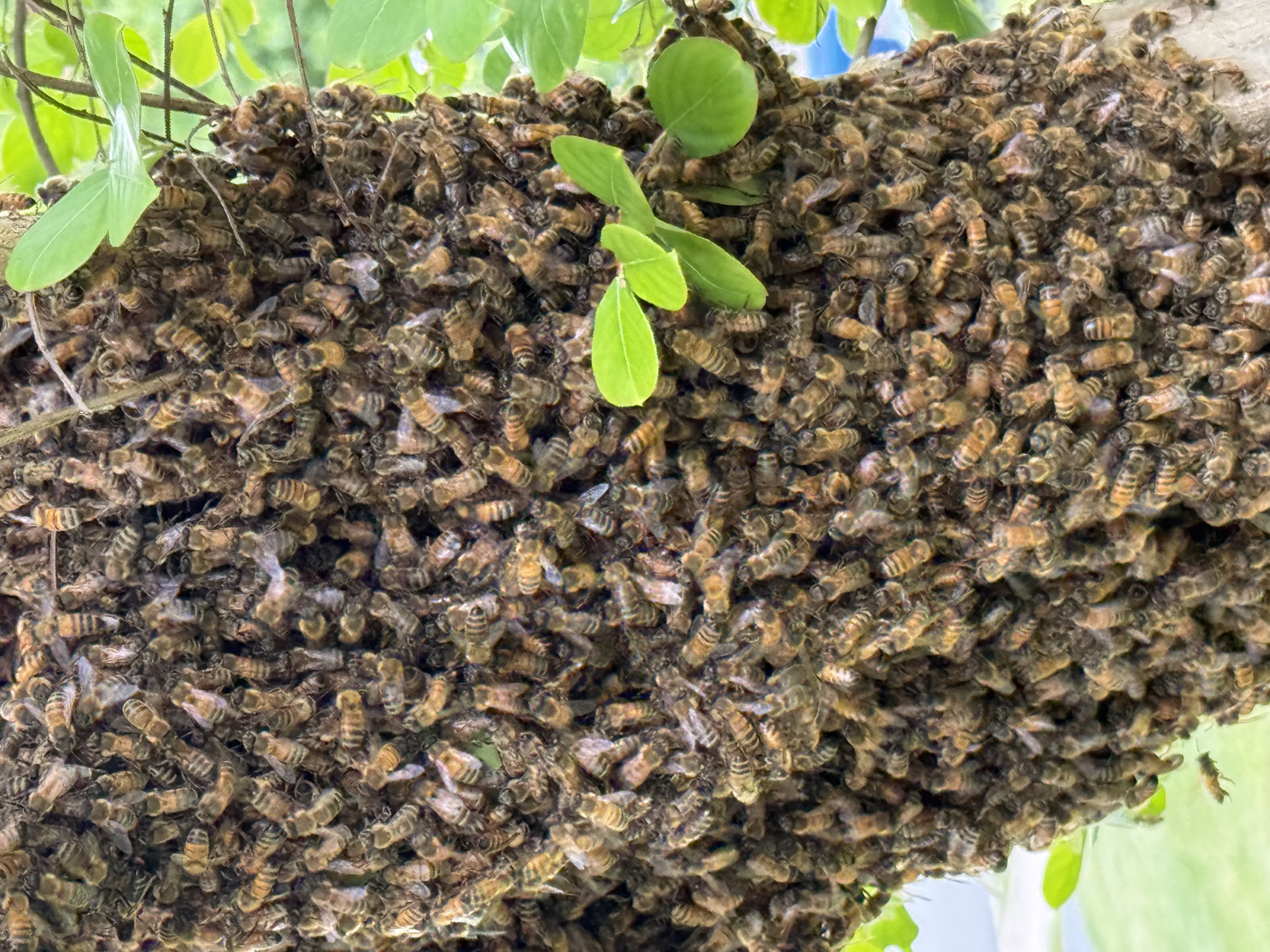
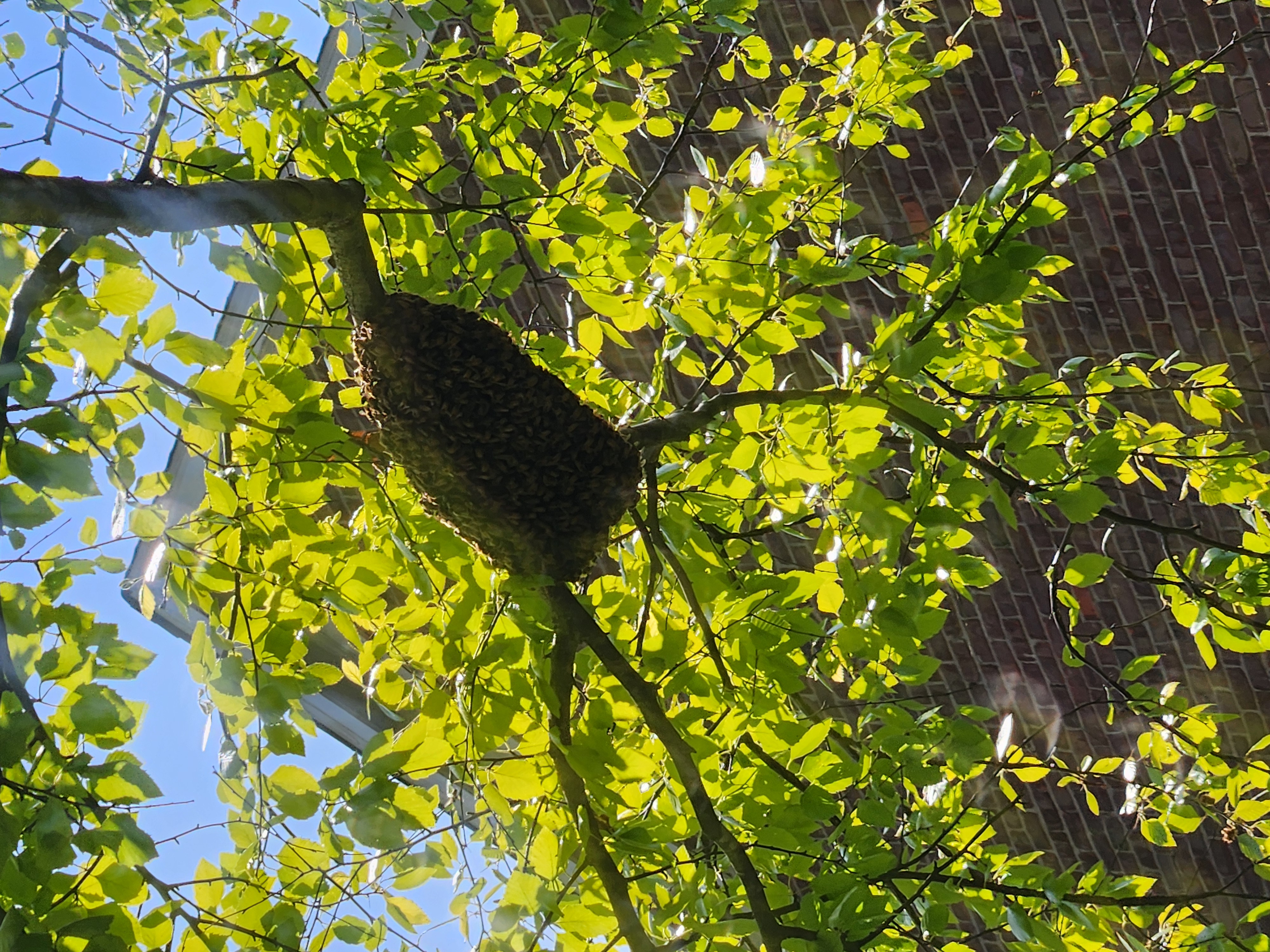
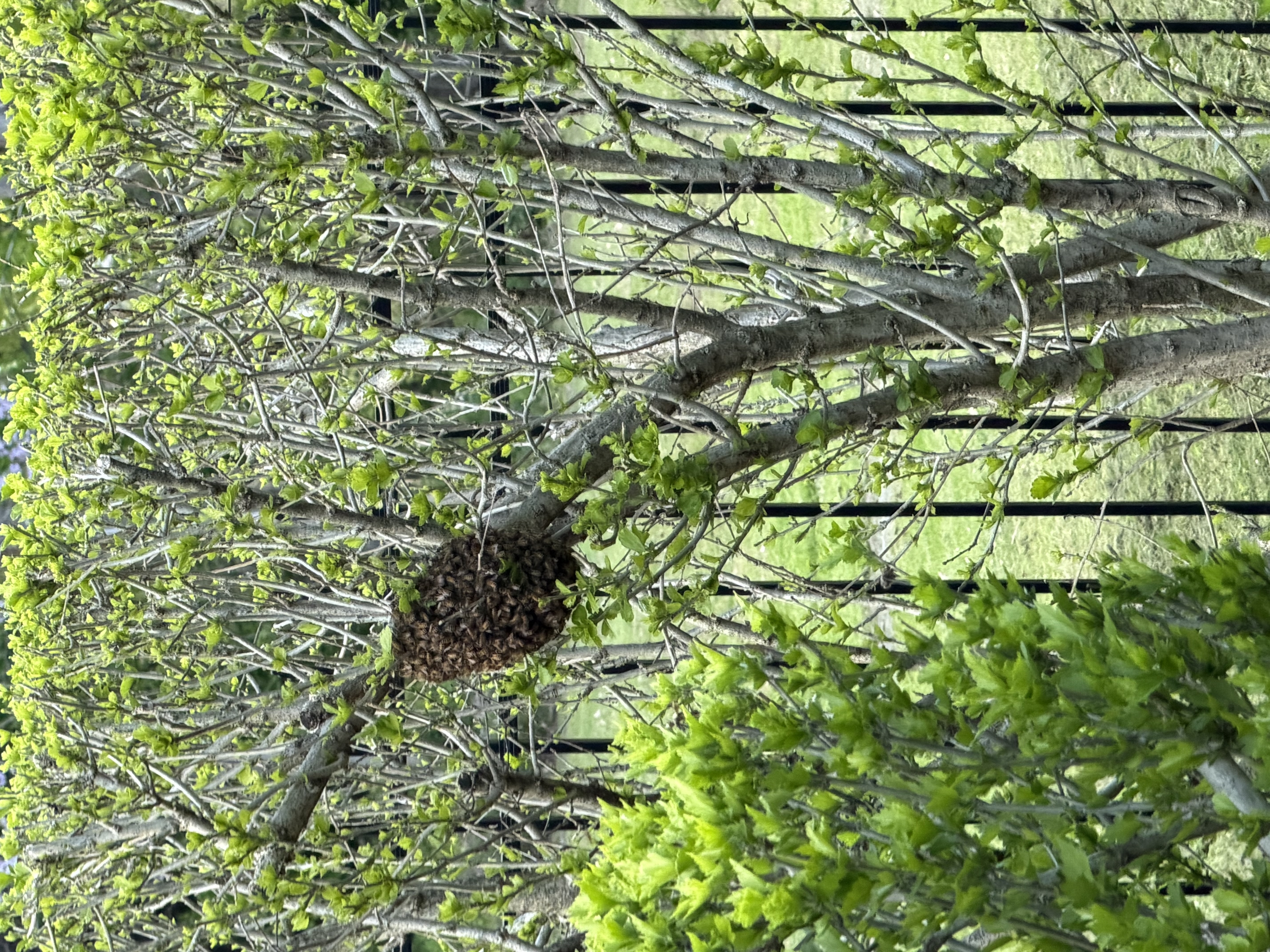
Across the Beehive State, from the bustling streets of Salt Lake City to the communities of Provo and Ogden, late spring brings blooming flowers and the natural phenomenon of honey bee swarms. Seeing a large, buzzing cluster of thousands of bees hanging from a tree branch or fence post can be startling, but it's a positive sign of a healthy honey bee population. The most important step you can take is to report it. But what exactly happens after you click 'submit'?
This guide walks you through the entire process, so you know what to expect after you report a bee swarm and how your simple action supports local beekeepers and protects these vital pollinators.
Step 1: The Instant Confirmation
Once you've filled out the swarm report form with the location, a photo, and a few details, the first thing that happens is digital. You will receive an automated email confirming that your report has been received and entered into the Swarmed network. This email is your assurance that the system is working and the alert has been sent to beekeepers in your area.
This immediate feedback is designed to give you peace of mind. You’ve done your part, and the process of finding the bees a new home has officially begun.
Step 2: The Beekeeper Alert System
Your report doesn't just go into a general inbox. It triggers a real-time notification to a network of registered beekeepers whose apiaries are located near the swarm's location. A report in Provo alerts beekeepers in and around Utah County, while a sighting in Ogden reaches beekeepers in Weber County. This hyperlocal system ensures the fastest possible response.
These are not employees of a large company; they are your neighbors—hobbyists and professional beekeepers who volunteer their time. They are passionate about honey bees and are eager to provide a safe, managed hive for a new colony. For them, a swarm is a valuable opportunity to strengthen their apiaries.
Step 3: Beekeeper Response and Communication
After the alert goes out, a local beekeeper will 'claim' your swarm through the system. This indicates they are available and on their way. Here’s what you can typically expect regarding their response:
- Response Time: This can vary significantly. If a beekeeper is available nearby, they might contact you within 30 minutes. However, since they are volunteers with jobs and families, it could take a few hours. Reports filed on evenings or weekends often receive a quicker response than those made during a standard workday.
- Initial Contact: The beekeeper will usually call or text you at the number you provided. They'll confirm the bees are still there and ask clarifying questions about the location. Is it high in a tree? Is it accessible from the ground? Your answers help them prepare and bring the right equipment, like a ladder or a long pole.
- The Rescue: When the beekeeper arrives, you'll see how calm the process is. Swarming bees are typically very docile because they have filled up on honey for their journey and do not have a home, brood, or honey stores to defend. The beekeeper will place a box or a special vacuum underneath the cluster and gently shake or brush the bees into it. The goal is to get the queen bee inside, as the rest of the colony will follow her scent.
The entire on-site process is often completed in under an hour.
The Critical Distinction: Free Swarm Rescue vs. Paid Colony Removal
One of the most common points of confusion is cost. Understanding the difference between a swarm and an established colony is key to setting the right expectations.
Swarm: A Temporary Cluster (Usually Free)
A swarm is a transient group of bees resting while they search for a permanent home. They will look like a clump of bees hanging from a branch, a mailbox, a fence, or the side of a building. They have not built any wax comb. Because they are easy to collect and are essentially a free, healthy colony for a beekeeper, swarm rescue is normally free.
Established Colony: A Permanent Home (Requires a Paid Service)
An established colony or hive is one where bees have already moved into a structure and started building a home. This includes bees inside a wall, roof, chimney, shed, or hollow tree. You will see bees flying in and out of a specific opening. In this case, the bees are defensive because they are protecting their queen, their young (brood), and their food stores.
Removing an established colony is a complex job known as a "cutout." It often requires carpentry skills to open up the structure, carefully remove all the honeycomb, and then transport the bees. This is labor-intensive work that requires specialized skills and tools.
For this reason, a cutout is a paid service. The beekeeper should provide you with a fair quote based on the complexity, time, and potential repairs needed. You always have the option to accept or decline the quote.
An Exception: When a Swarm Might Involve a Cost
In rare instances, a reported swarm might behave defensively. This can happen if the swarm has been disturbed, has been in place for several days and is growing desperate, or is a particularly defensive strain of bee. If a beekeeper arrives and determines the situation is more complex or hazardous than a typical docile swarm, they may provide a quote for their time and expertise. This is not common, but it's a possibility to be aware of. The primary goal is always safety—for you, the public, and the beekeeper.
Why Your Report in Utah Matters
By taking a few minutes to report a swarm, you are contributing directly to the health of Utah's ecosystem and supporting your local community.
- You Protect Honey Bees: A swarm left on its own might establish a hive in an undesirable location, leading to its eventual extermination. Your report ensures the colony is rescued and relocated to a managed apiary where it can thrive.
- You Support Local Beekeepers: You provide local enthusiasts with healthy, local bees to build their apiaries, which in turn helps pollinate local farms and gardens.
- You Contribute to Bee Health Data: Every report adds a data point that helps track bee activity and health. Community reporting is vital. In neighboring states like Nevada, where swarm reports have seen a declining trend, public involvement is more important than ever to help monitor and support local bee populations. Your single report in Utah contributes to a larger, national effort to understand and protect these critical pollinators.
Your action has a ripple effect that benefits everyone. So the next time you see a swarm, you'll know exactly what to do and what powerful, positive chain of events you are setting in motion.
If you see a honey bee swarm, don't hesitate. You are taking a crucial step to help bees and your community. Report the swarm to connect with a local Utah beekeeper who can give them a safe new home. Report your bee swarm here (opens in a new tab).