You’ve Spotted a Bee Swarm in Idaho. Now What?
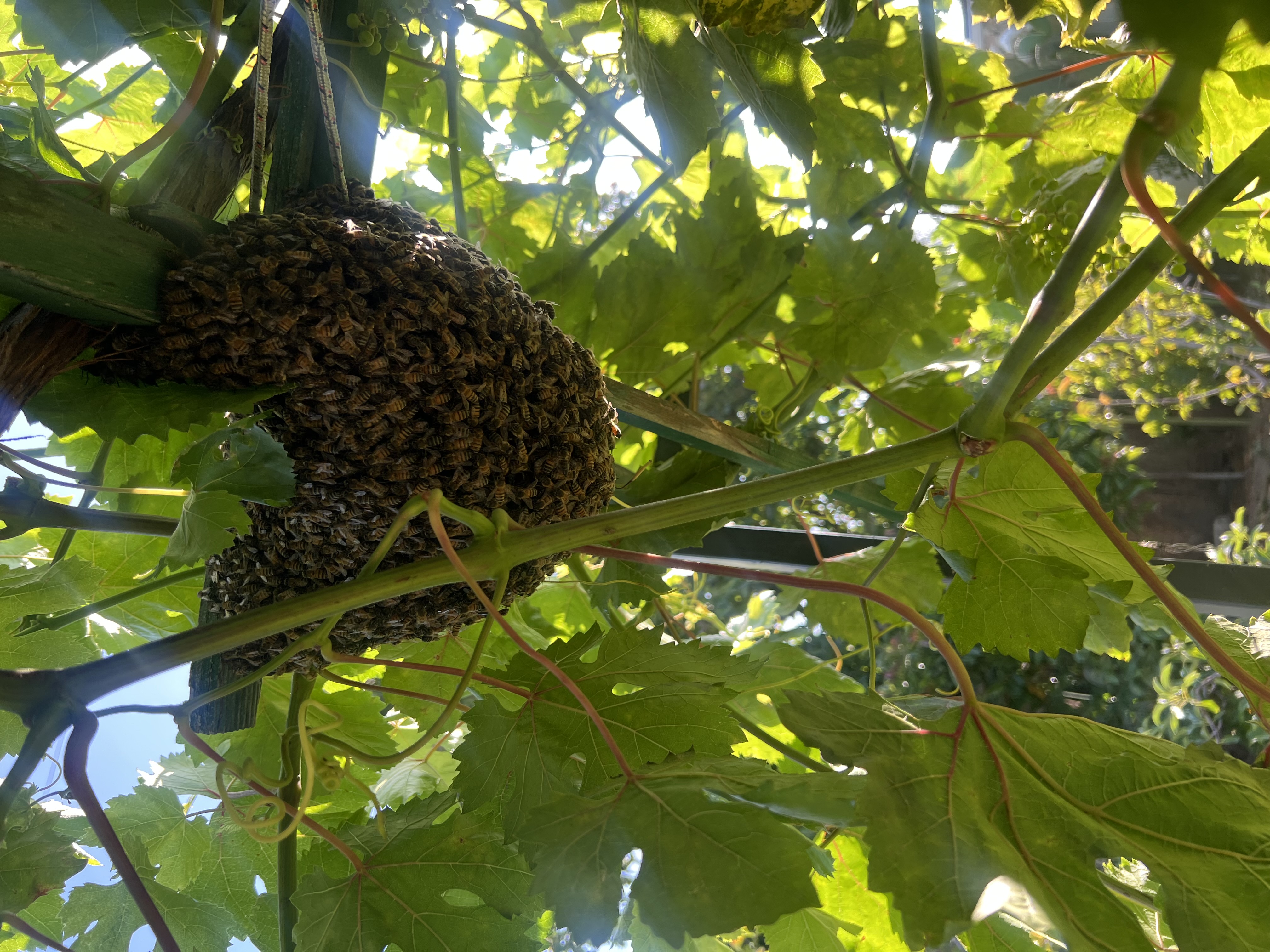
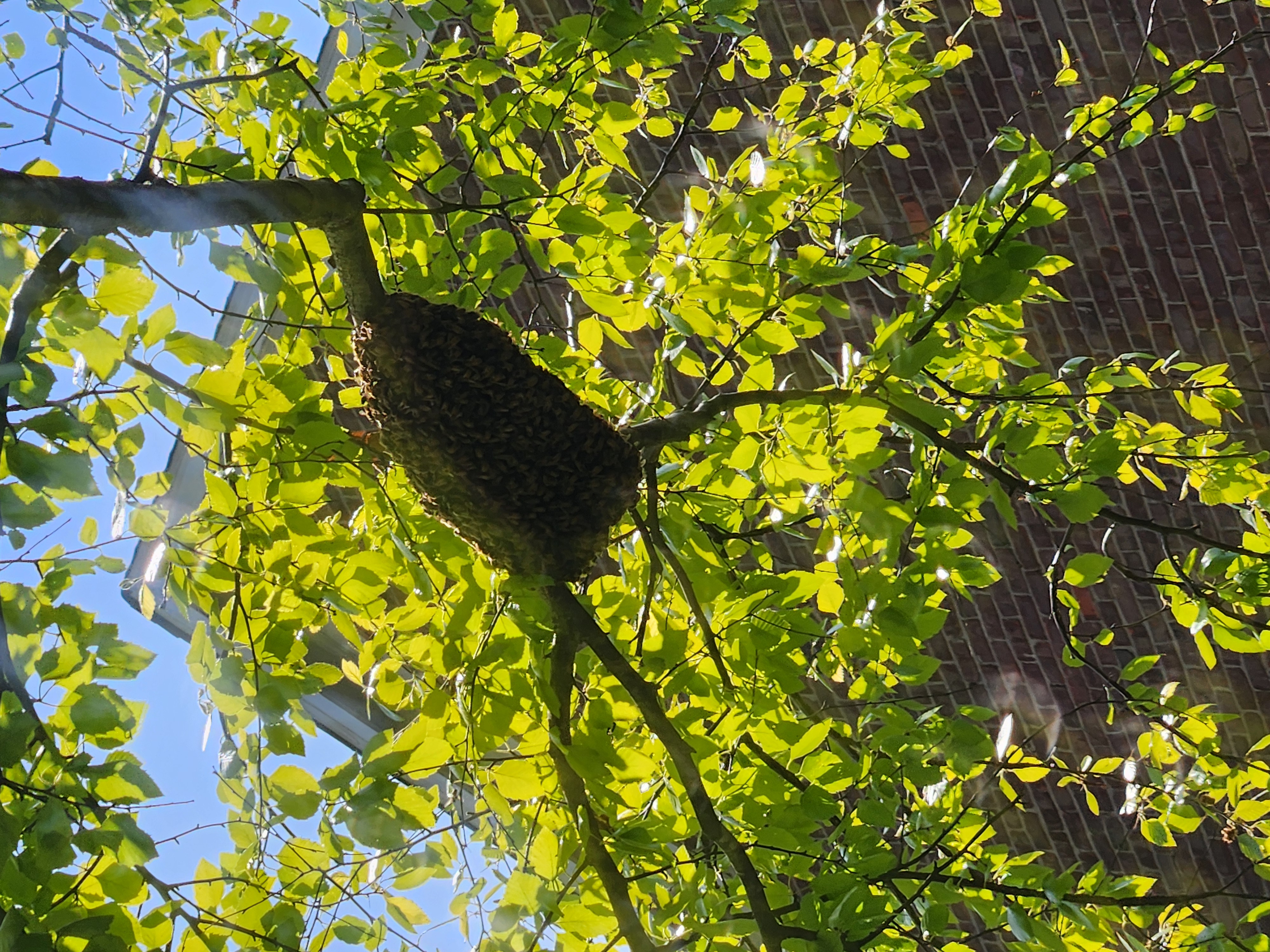
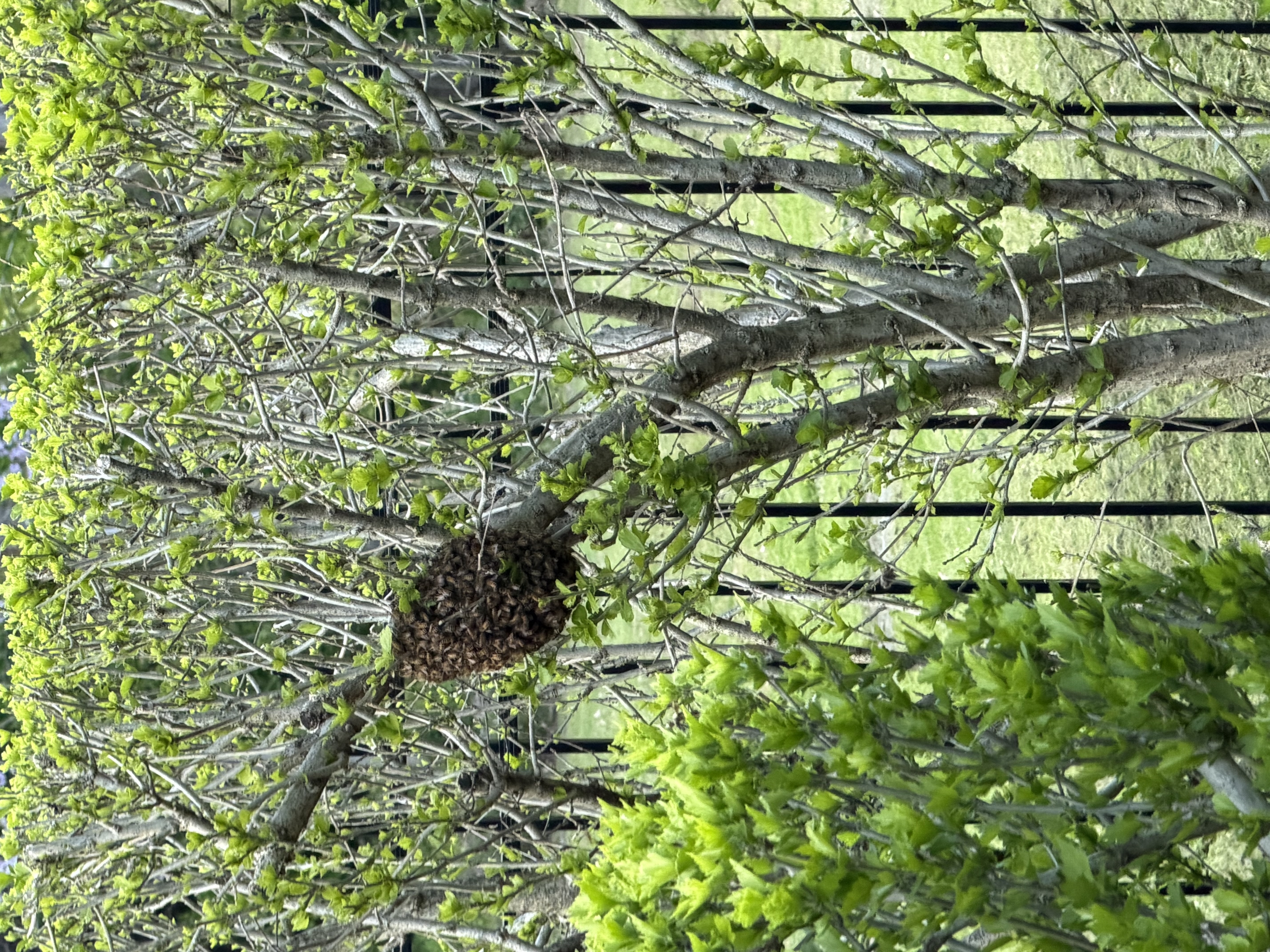
Springtime in Idaho brings blooming landscapes, from the Treasure Valley to the Panhandle. It also brings honey bee swarms. Seeing a large, buzzing cluster of thousands of bees hanging from a tree branch in Boise, a fence post in Idaho Falls, or an awning in Coeur d'Alene can be an impressive, and sometimes startling, sight. But this natural phenomenon is a positive sign of healthy bee populations. By reporting it, you take a crucial first step in protecting these essential pollinators.
This guide clarifies exactly what to expect after you report a honey bee swarm. Understanding the process helps you feel confident and prepared, ensuring the bees are safely relocated and you’ve supported your local beekeeping community.
The First Moments: Your Report and Our System
When you see a swarm, the first thing to remember is that the bees are typically very docile. They have filled up on honey for their journey and have no home, brood, or honey stores to defend. They are simply resting while scout bees search for a permanent new home. This is the ideal time for them to be rescued.
Your action is simple: take a photo from a safe distance if you can, note the location, and submit a report through the Swarmed network. This single action sets a rapid-response system in motion.
Immediately upon submitting your report, two things happen:
- Email Confirmation: You will receive an automated email confirming that your report has been received and is being processed. This message provides peace of mind that your alert is active in the system.
- Instant Beekeeper Notification: Your report is instantly dispatched to local beekeepers registered on the Swarmed network. In Idaho, a growing community of over 146 beekeepers receives these alerts. The system uses geographic data to notify the beekeepers closest to the swarm’s location, increasing the likelihood of a swift response.
This technology bridges the gap between the public and the beekeepers who are eager to help. Last season alone, Idahoans reported over 206 swarms, showcasing a rising trend of community involvement in honey bee preservation.
The Beekeeper's Response: What to Anticipate
After the instant notification goes out, a local beekeeper who is available to help will claim your report. Once they do, you can expect direct communication from them, usually via a phone call or text message.
Beekeepers are passionate individuals, but many are hobbyists with full-time jobs, families, and other commitments. While they are motivated to respond quickly—a swarm can move on in a day or two—their availability can vary. Patience is appreciated.
When the beekeeper contacts you, they will likely ask a few clarifying questions to assess the situation:
- Exact Location: “Is it in the front yard or backyard? On the big maple tree by the driveway?”
- Height: “How high off the ground is the swarm? Will I need a small step stool or a large extension ladder?”
- Size: “Is it about the size of a football or a basketball?”
- Duration: “How long has it been there? Did it just arrive today?”
Providing a photo with your initial report is incredibly helpful, as it often answers many of these questions at a glance. The beekeeper will then coordinate a time to come to the property to safely rescue the honey bee colony.
The Critical Difference: Free Swarm Rescue vs. Paid Colony Removal
This is the most important distinction for the public to understand. The type of bee situation you have determines whether the service will be free or require a paid, professional service. Your report helps a beekeeper make this determination.
Swarm Rescue: Usually Free of Charge
A swarm is a transient cluster of bees hanging in the open—on a branch, a mailbox, or under a deck railing. They have not yet built a permanent home with wax comb. Because these swarms are easy to collect and valuable for starting new hives, beekeepers are almost always happy to rescue them at no cost.
For a beekeeper, collecting a swarm is an opportunity to acquire a healthy, robust colony for their apiary. They can typically brush or shake the bees gently into a special box called a “nuc box” and transport them to a new, managed hive. It's a win-win: you get the bees safely removed, and the beekeeper gets a new colony.
Established Colony Removal (“Cutout”): A Paid Service
If the bees have moved into a structure—such as the wall of your house, a chimney, a shed, or the floor of a deck—they are no longer a swarm. They are an established colony. They have begun building wax comb, raising young bees (brood), and storing honey. These bees will be defensive of their new home.
Removing an established colony is a complex and labor-intensive process known as a “cutout.” It often requires:
- Specialized equipment to locate the colony within the structure.
- Carpentry skills to carefully open the wall, roof, or floor.
- Patience and expertise to remove the comb, brood, and bees without harming them.
- Repairing the structure after the removal is complete.
Because a cutout is a skilled trade that can take several hours and involves structural work, it is a professional, paid service. When a beekeeper determines you have an established colony, they will provide a quote for the removal. This quote is based on the complexity, location, and time required. As the property owner, you have the option to accept or decline this quote.
Reporting through Swarmed helps connect you with beekeepers who can handle both situations, but it is vital to understand this difference in service and cost from the outset.
Your Report Strengthens Idaho’s Ecosystem
By taking a few minutes to report a swarm on Swarmed (opens in a new tab), you are doing more than just solving a problem in your backyard. You are actively participating in a community-wide effort to protect honey bees, which are essential for Idaho’s agricultural success. These pollinators are vital for crops like alfalfa, apples, cherries, and onions.
Your report provides a local beekeeper with a healthy colony, strengthening the genetic diversity and resilience of bees in your area. It also prevents the swarm from moving into an undesirable location where it might later need to be removed by an exterminator.
Every report is a small but powerful act of conservation. It's a simple way to help the bees, support your neighbors who keep them, and contribute to the health of Idaho's environment. The next time you see a swarm, you’ll know exactly what to do and the positive impact your call will have.
If you see a honey bee swarm, don't wait. Help protect honey bees and support local beekeepers by reporting it here. (opens in a new tab)