
A Beekeeper's Guide to Swarm Season in California
California's Golden Opportunity: Harnessing the Spring Swarm For beekeepers across California, the arrival of spring signals more than just almond blossoms and wildflo...
Read More...May 18, 2026
Home > Blog > West Virginia Spring Swarm Season: A Guide to Reporting Bees
May 6, 2026
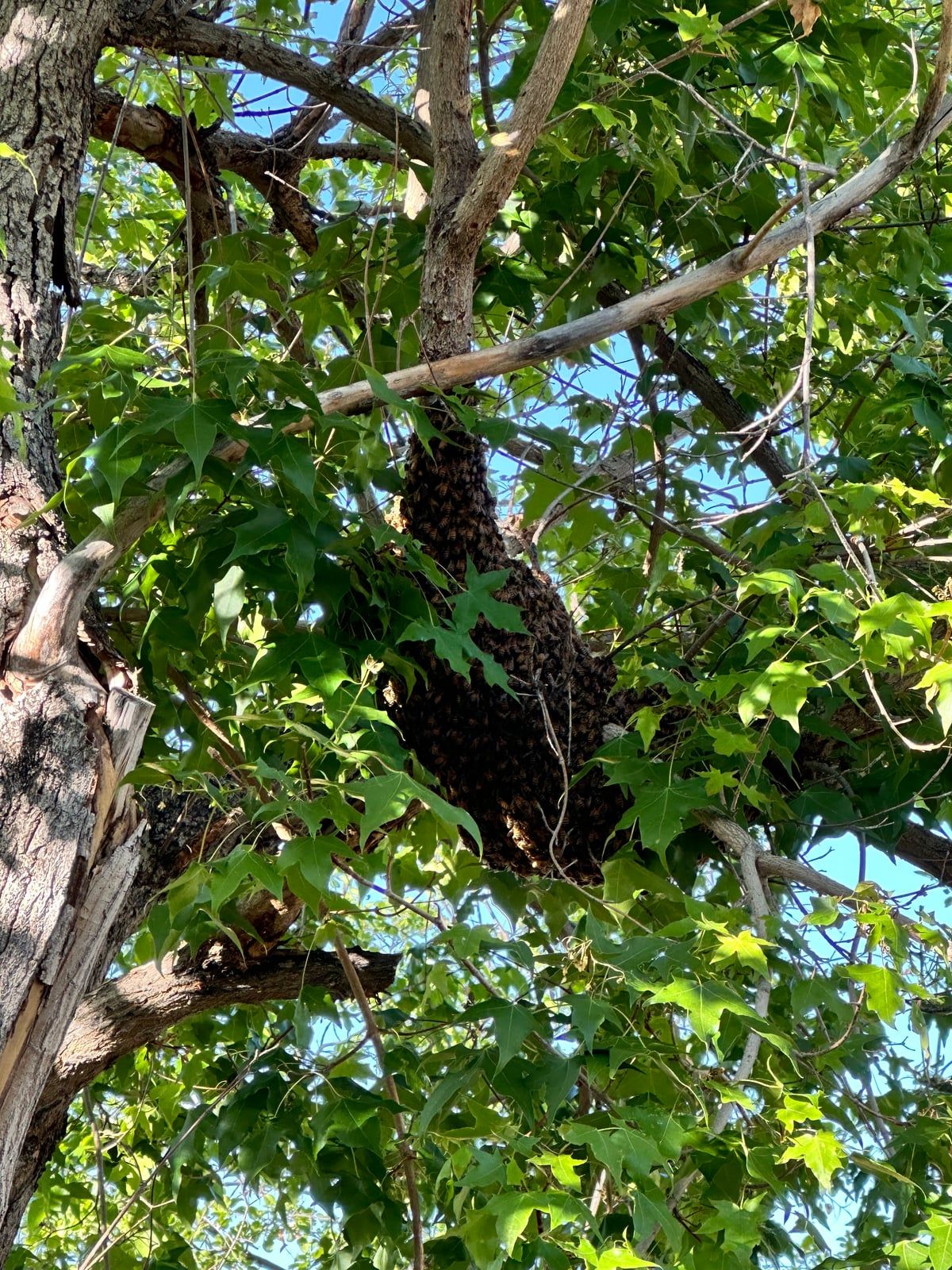
As the hills and valleys of West Virginia burst into life each spring, another natural phenomenon takes to the air: the honey bee swarm. From the urban centers of Charleston and Huntington to the rolling countryside near Morgantown, seeing a large cluster of bees hanging from a tree branch or fence post can be an arresting sight. While it may look alarming, a honey bee swarm is a positive and natural part of the honey bee life cycle. It’s a sign that local bee populations are healthy and thriving.
This guide will help you understand what a bee swarm is, why they happen, and how you can play a crucial role in protecting these essential pollinators through West Virginia bee swarm reporting.
A honey bee swarm is the colony's natural method of reproduction. When a healthy colony grows too large for its current home, the original queen bee leaves with about half of the worker bees to find a new one. The bees left behind will raise a new queen to continue the original colony.
The bees that leave form a temporary, transient cluster while scout bees search for a suitable new permanent home. This cluster is what you see hanging from a tree limb or the side of a building. Key characteristics of a swarm include:
Understanding the difference between a swarm and an established hive is essential for homeowners and property managers, as it determines the type of assistance required.
Swarm collection is normally free—beekeepers want these bees. However, if bees have established a hive in your wall or structure with built comb, removal requires specialized skills and carpentry work. This is a labor-intensive service that requires a professional. Expect the beekeeper to provide a fair quote based on complexity and repairs needed. You can accept or reject this quote.
When you see a swarm, the best thing you can do is report it. This simple action connects the bees with a local beekeeper who can give them a safe, managed home where they can thrive. Swarmed provides a free, streamlined platform for this purpose.
By reporting a swarm, you:
If you encounter a honey bee swarm in your yard or community, follow these simple steps:
Every reported swarm is a victory for honey bees and for the local ecosystem in West Virginia. By taking a moment to report a swarm, you are actively participating in the preservation of these critical pollinators. Your action connects a vulnerable colony with a knowledgeable beekeeper, ensuring the bees are cared for and can continue their important work of pollinating the beautiful flora of the Mountain State.
If you see a swarm, don't wait. Help protect honey bees and support your local community beekeepers by reporting it. The process is fast, easy, and makes a real difference.
**To report a honey bee colony and connect with a local beekeeper in West Virginia, please visit: https://beeswarmed.org/report-bee-colony (opens in a new tab)
California's Golden Opportunity: Harnessing the Spring Swarm For beekeepers across California, the arrival of spring signals more than just almond blossoms and wildflo...
Read More...May 18, 2026
A Beekeeper's Guide to Swarm Collection in Idaho Spring has arrived in the Gem State, and with it, the unmistakable hum of honey bee swarms. For beekeepers, this is a...
Read More...May 18, 2026