Washington Bee Swarm Help: A Spring Guide
Spring in Washington State brings a vibrant burst of life, from blooming rhododendrons to the return of longer, warmer days. Across communities from Seattle to Spokane, this seasonal awakening also marks the beginning of honey bee swarm season. Seeing a large cluster of thousands of bees can be alarming, but it is a natural and fascinating part of a honey bee colony’s life cycle. This guide provides essential information on what to do if you encounter a swarm and how you can become a vital part of protecting these crucial pollinators.
What is a Honey Bee Swarm?
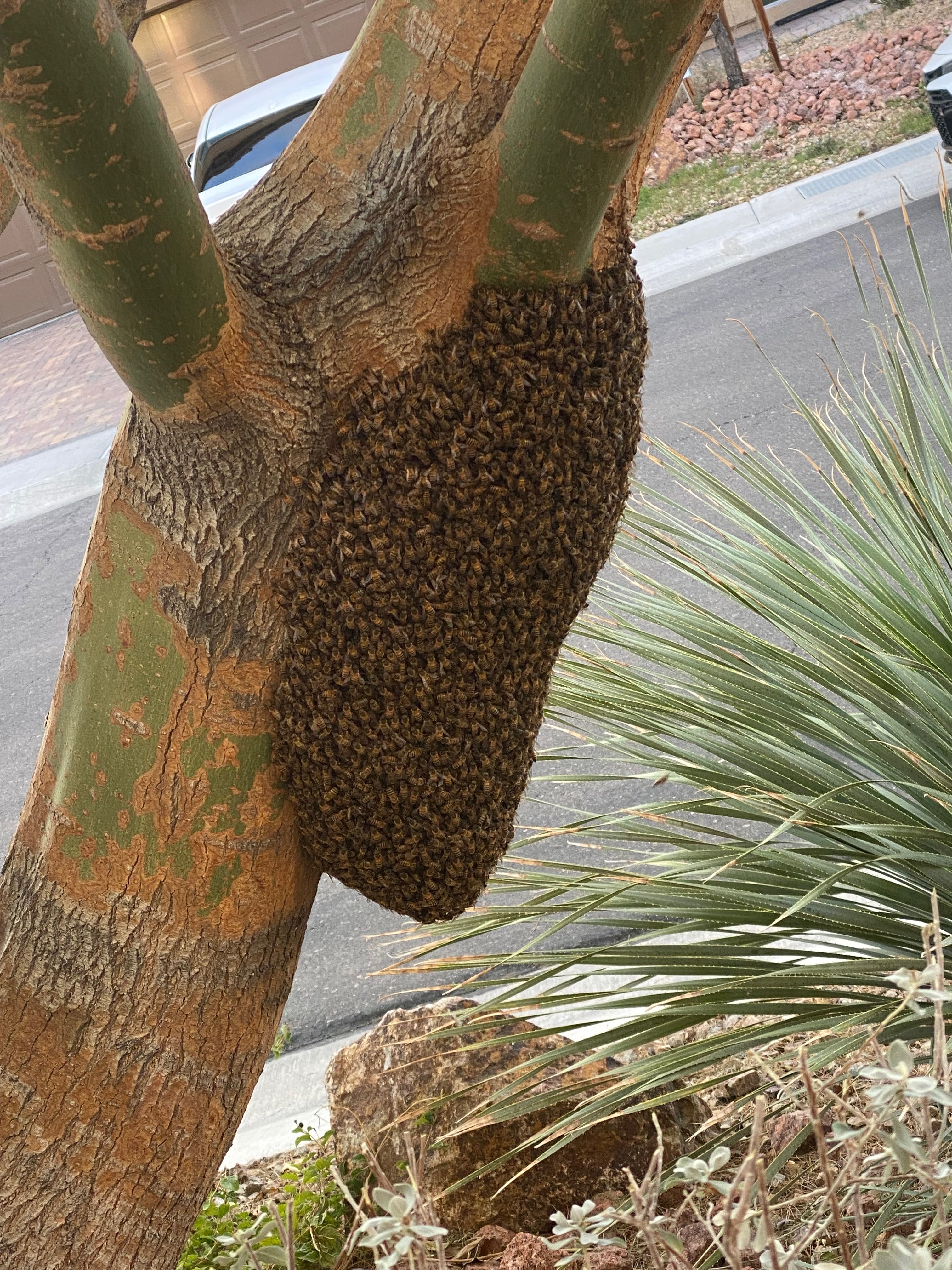
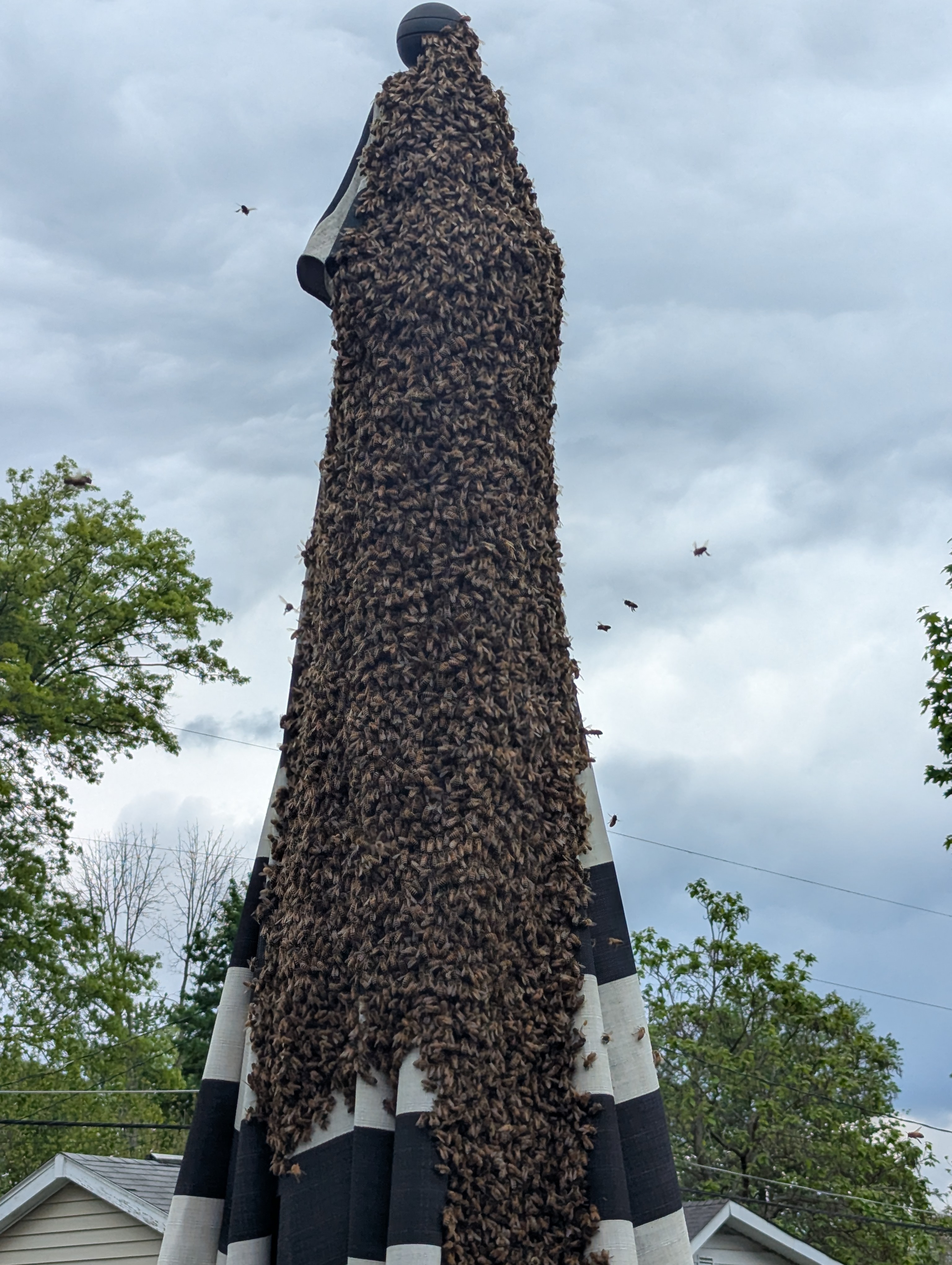
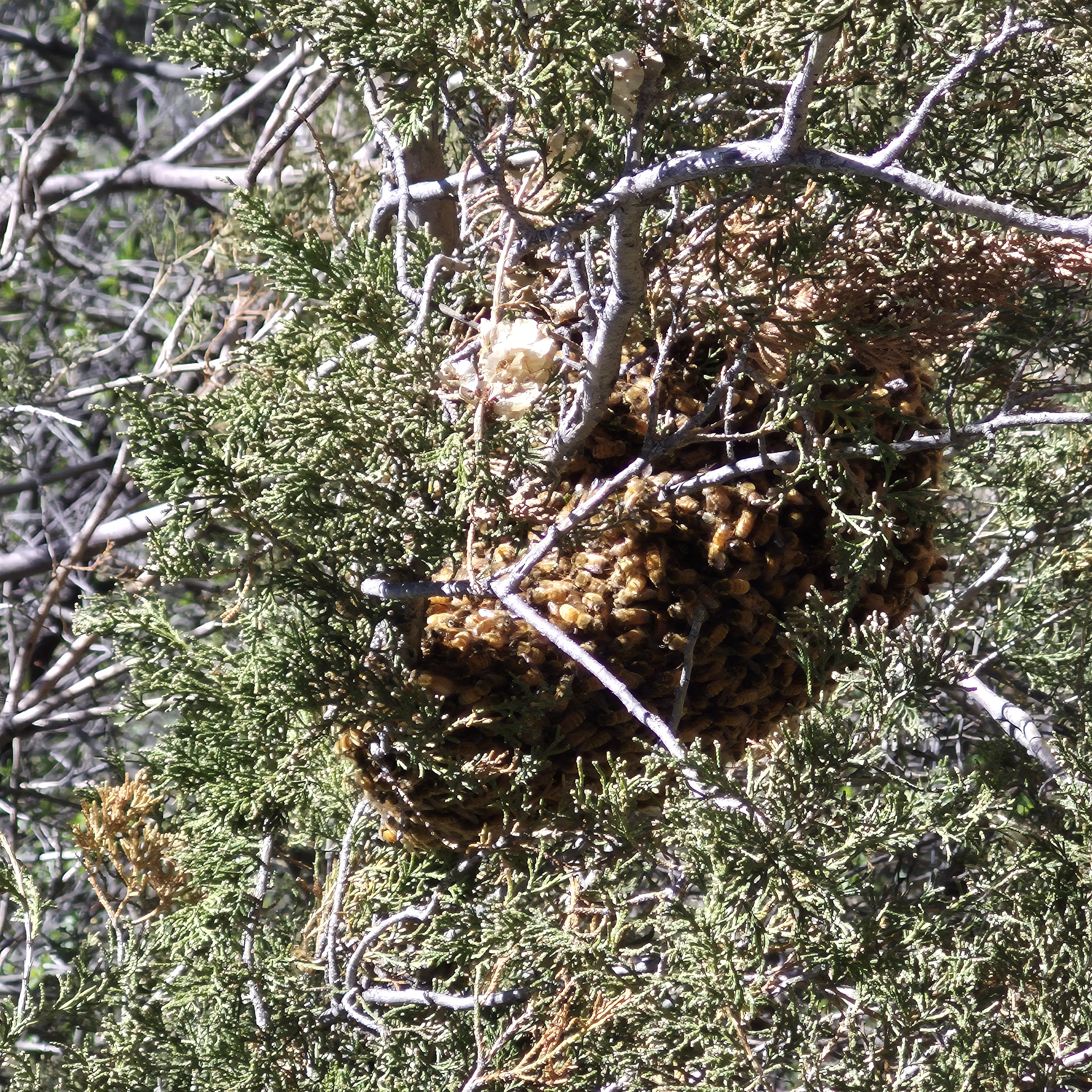
A honey bee swarm is a sign of a healthy, thriving bee population. It is the natural method honey bees use to reproduce and create new colonies. When a hive becomes overcrowded, the original queen bee leaves with about half of the worker bees—anywhere from 10,000 to 30,000 individuals—to find a new home.
This group of bees, known as a swarm, clusters together on a nearby structure, like a tree branch, fence post, or mailbox. The bees form a tight ball around the queen to protect her while scout bees search for a suitable permanent location. This is a temporary stop, typically lasting only 24 to 72 hours. Bees in a swarm are surprisingly docile. Before leaving their original hive, they fill up on honey, making them less inclined to sting as they have no home, honey, or young bees (brood) to defend.
Swarm vs. Established Hive: An Important Distinction
Understanding the difference between a swarm and an established hive is critical, as it determines the proper course of action and what to expect regarding removal.
- A Swarm: This is a transient cluster of bees hanging in the open. They have not yet built any wax comb. Because beekeepers value these bees for starting new hives, swarm collection is normally free.
- An Established Hive or Colony: This is when bees have moved into a structure and made it their permanent home. You will see them flying in and out of a specific opening in a wall, roof, shed, or hollow tree. Inside, they have built wax comb to store honey and raise their young. Bees in an established colony are more defensive of their home. Removal of an established hive is a complex process called a “cutout,” which requires specialized skills, tools, and often carpentry to access and repair the structure. This service costs money, and a beekeeper will provide a fair quote based on the complexity, time, and repairs needed.
When and Where to Expect Swarms in Washington
Across Washington, from the bustling streets of Tacoma to the quiet neighborhoods of Olympia, honey bee swarm season peaks during late spring. As temperatures consistently warm and flowers provide abundant nectar, colonies expand rapidly, triggering the swarming instinct. This is a time of year when residents are most likely to encounter a swarm.
You can find swarms almost anywhere, but they commonly settle on tree limbs, shrubs, fences, and sometimes on playground equipment or parked cars. The key is to remember that they are just resting while they search for a permanent home.
How You Can Help: Reporting a Swarm
If you see a honey bee swarm, the most important action you can take is to report it to a local beekeeper. This ensures the bees are safely relocated where they can be cared for and continue their vital work of pollination. The Swarmed platform connects the public with a network of local, experienced beekeepers ready to help.
The process is simple and effective. By reporting the swarm through our service, your alert is instantly sent to nearby beekeepers who can respond quickly to provide a safe rescue. The impact of community reporting is significant. In other states with active swarm seasons, our network has connected concerned citizens with beekeepers for over 100 successful swarm rescues.
Your report provides a lifeline for the bees and supports the local beekeeping community. To get Washington bee swarm help, you can submit a report here: https://beeswarmed.org/report-bee-colony
The Community Benefits of Reporting a Swarm
Reporting a swarm does more than just solve a problem in your backyard; it creates a cascade of positive effects for the community and the environment.
- Protect Honey Bees: A swarm in the open is vulnerable. By reporting it, you give the bees a chance to be housed in a proper beekeeper's hive, protecting them from the elements and potential extermination.
- Support Local Beekeepers: Honey bee swarms are a valuable and sustainable resource for beekeepers. They provide a natural way to start new hives or strengthen existing ones, supporting local apiaries and food production.
- Ensure Public Safety: While swarms are docile, having them professionally and safely removed by an experienced beekeeper is the best way to ensure the safety of your family, neighbors, and the bees themselves.
- Often-Free Service: Beekeepers are typically eager to rescue swarms and will usually do so at no charge. It's a win-win for everyone involved.
If you see a cluster of bees this spring, keep a safe distance and observe them. Do not spray them with water or insecticide. Instead, take a moment to appreciate this incredible natural phenomenon and become a hero for honey bees. By taking a few minutes to report the swarm, you are playing an active role in preserving honey bee populations in Washington.
Your action ensures these pollinators are protected and can continue to support our state's beautiful ecosystems and agriculture. To connect with a local beekeeper who can provide the bees with a safe new home, please report the swarm right away.