Virginia's Landscape Comes Alive with Honey Bee Swarms
As spring unfolds across Virginia, from the bustling streets of Richmond to the coastal communities of Virginia Beach and Norfolk, the landscape awakens. Along with flowering dogwoods and warming temperatures comes a remarkable natural event: honey bee swarm season. Seeing a large cluster of thousands of bees can be startling, but this behavior is a sign of a healthy, growing honey bee population. Understanding what a swarm is and how to respond is crucial for protecting these vital pollinators and supporting local beekeepers.
This guide provides Virginia residents with the information needed to identify a honey bee swarm, understand why they occur, and take the single most important action: submitting a Virginia bee swarm report to connect the bees with a beekeeper who can give them a safe new home.
What Exactly is a Honey Bee Swarm?
A honey bee swarm is the natural process of reproduction for a bee colony. When a hive becomes overcrowded, the original queen bee leaves with about half of the worker bees to find a new place to live. The bees that remain behind will raise a new queen to continue the original colony.
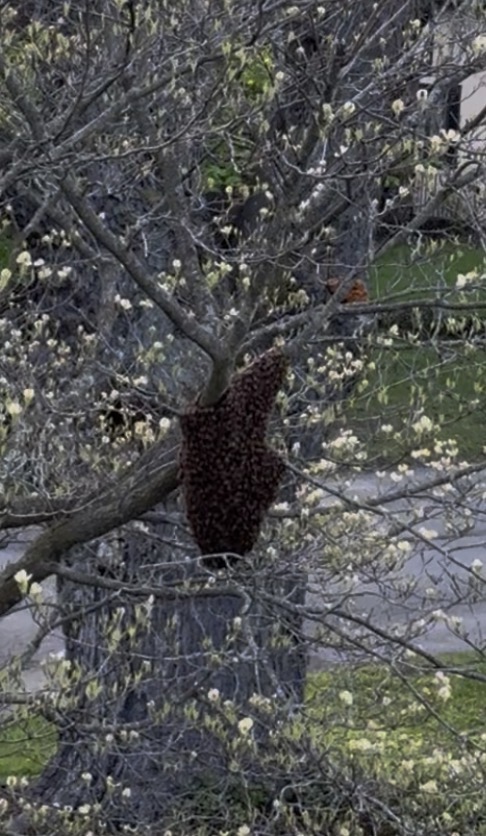
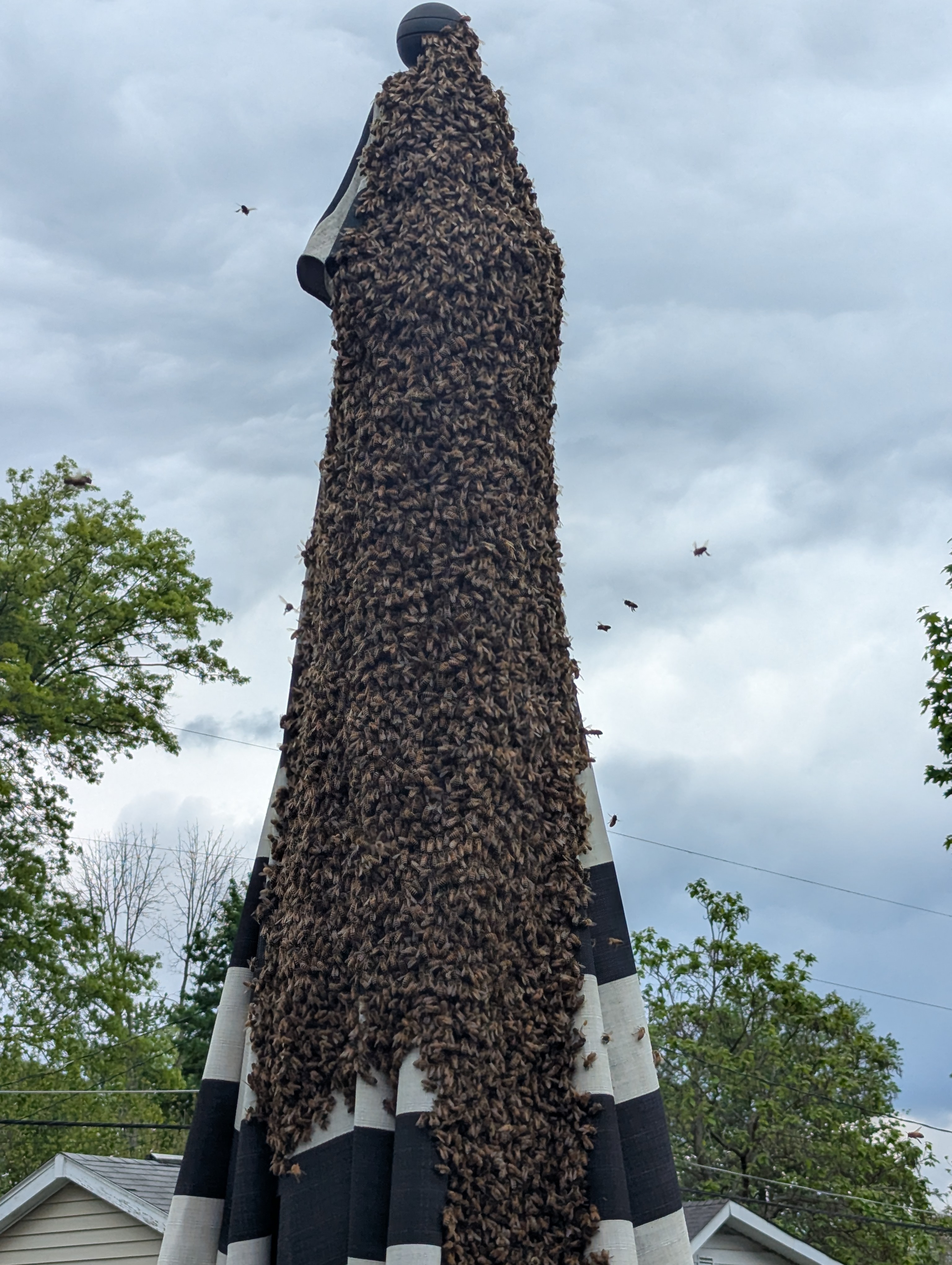
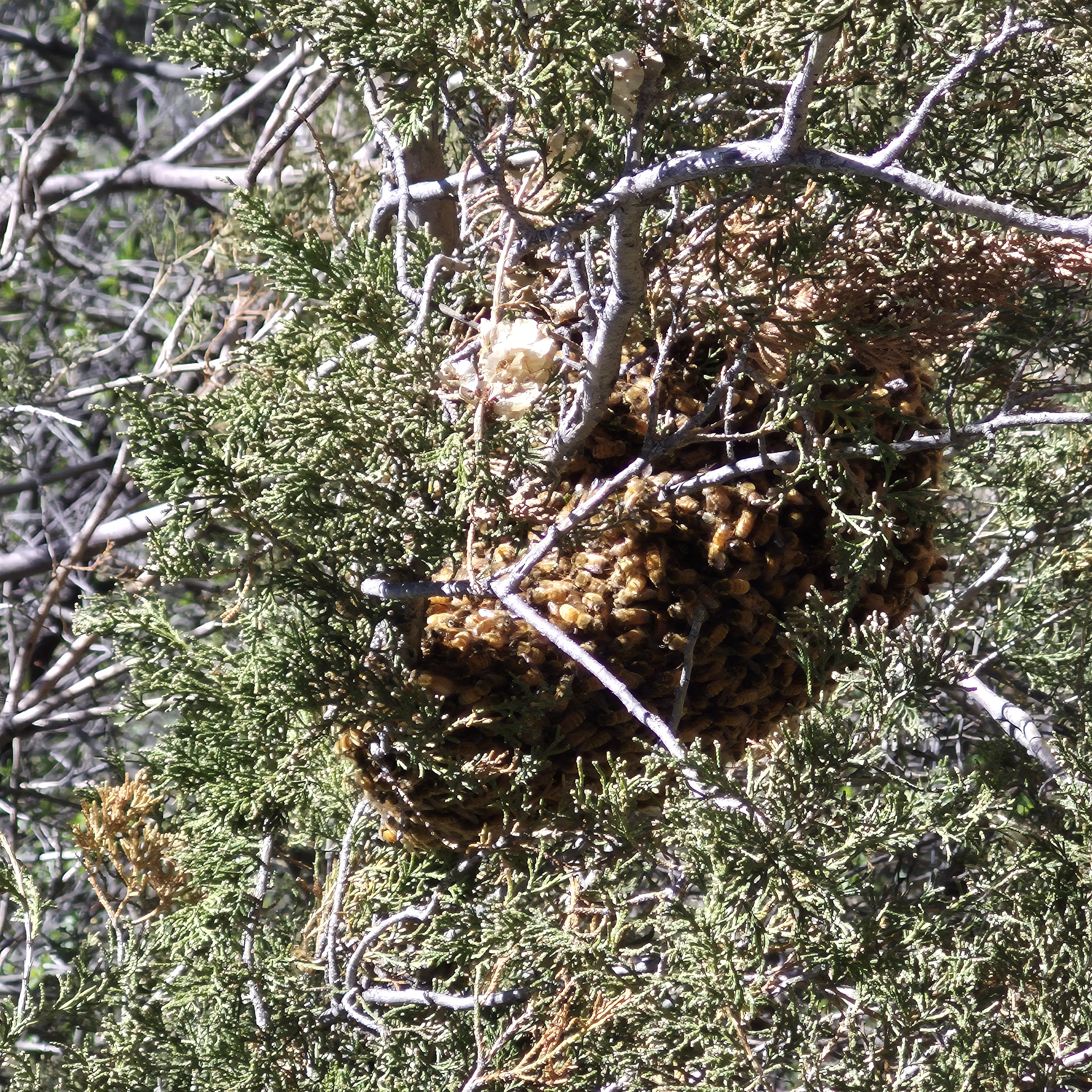
Before finding a permanent home, this traveling group of bees will form a temporary cluster on a tree branch, fence post, or building exterior. This dense, buzzing ball of bees is the swarm. It's a temporary resting spot, typically lasting only 24 to 72 hours, while scout bees search for a suitable permanent cavity.
Contrary to popular belief, bees in a swarm are at their most docile. They have filled their stomachs with honey for the journey and have no home, brood, or honey stores to defend. Their sole focus is on finding a new residence, making this the ideal time for a beekeeper to safely and easily rescue them.
The Critical Difference: Swarm vs. Established Hive
Recognizing the difference between a temporary swarm and an established hive is key, as it determines the type of response required.
- A Swarm: This is a transient cluster of bees hanging in the open. There is no visible honeycomb structure. Rescuing a swarm is a straightforward process that local beekeepers are often happy to do at no cost because they are eager to acquire healthy, local bees for their apiaries.
- An Established Hive (or Colony): If bees have moved into a structure—such as the wall of a house, a chimney, or a hollow tree—and have begun building wax comb, they are no longer a swarm. They are an established colony. These bees will be defensive of their new home. Removal, often called a "cutout," is a complex job that requires specialized skills, carpentry, and equipment. This service is not free and requires a quote from a skilled beekeeper.
Swarmed is designed for reporting transient swarms. If you have an established colony in a structure, a beekeeper from the network may still be able to help, but you should expect it to be a paid service.
Swarm Season in Virginia: Timing and Hotspots
Honey bee swarming in Virginia typically begins in the heart of spring and can extend into early summer. The peak activity often occurs in late spring, driven by lengthening days, warmer weather, and an abundance of nectar from flowering plants. During this period, beekeepers and residents across the state, especially in dense urban and suburban areas like Arlington, should be on the lookout.
From the Shenandoah Valley to the Eastern Shore, communities provide ample opportunities for swarms seeking new homes. The Swarmed network helps map this activity, connecting beekeepers to swarms in real-time and helping track pollinator health across the region.
Your Role in Protecting Honey Bees
When you find a swarm, you have a vital role to play. An uninformed response, like calling an exterminator or trying to spray the bees, is a tragic end for a healthy colony. By reporting the swarm, you initiate a chain of events that benefits everyone:
- You Protect Honey Bees: A rescued swarm is a colony saved. These pollinators are essential for Virginia's agriculture and ecosystems.
- You Support Local Beekeepers: Swarms provide local beekeepers with genetically diverse, regionally adapted bees to strengthen their apiaries without having to purchase them.
- You Serve Your Community: Ensuring swarms are handled by experts prevents potential conflicts and promotes a healthy relationship between people and pollinators.
How to File a Virginia Bee Swarm Report
Swarmed provides a simple, fast, and effective platform to connect people who find swarms with local beekeepers ready to rescue them. The system is a powerful tool for community-driven conservation. The Swarmed network facilitates thousands of rescues nationwide. In states where the season starts earlier, like Nevada, the platform has already tracked over 100 swarms, demonstrating the power of community reporting.
Here’s how to report a swarm in Virginia:
- Observe Safely: Keep a respectful distance. Do not disturb the bees.
- Take a Photo: A picture helps the beekeeper confirm it's a honey bee swarm and assess the situation.
- Visit the Reporting Page: Go to https://beeswarmed.org/report-bee-colony (opens in a new tab).
- Submit the Details: Fill out the simple form with the location, a description, and your contact information. The platform will instantly alert nearby registered beekeepers.
What Happens After You Report a Swarm
Once your report is submitted, a local Virginia beekeeper will claim the alert and contact you to coordinate the rescue. Most swarm rescues are quick, taking less than an hour. The beekeeper will arrive with a special box, gently brush the bees into it, and transport them to a new, managed hive.
Swarm rescue is normally free—beekeepers are grateful for the opportunity. However, if bees have established a hive in your wall or structure with built comb, removal requires specialized skills and carpentry work. Expect the beekeeper to provide a fair quote based on complexity and repairs needed. You can accept or reject the quote. Reporting a swarm on Swarmed is free to use—we ask for an optional suggested contribution of $12 to help support the platform.
Be a Hero for Honey Bees This Spring
The next time you see a buzzing cluster of bees on a tree branch in your Virginia neighborhood, you’ll know exactly what it is: a sign of nature in action. You will also know how to become part of the solution.
By taking a few moments to file a Virginia bee swarm report, you are making a direct, positive impact on the environment and your community. You are helping ensure the survival of a honey bee colony and providing a valuable resource to a local beekeeper. If you see a swarm, don't wait. Report it and help us protect these incredible pollinators, one swarm at a time. Visit https://beeswarmed.org/report-bee-colony (opens in a new tab) to make your report.