A Sure Sign of Spring in the Green Mountain State
Across Vermont, from the shores of Lake Champlain in Burlington to the capital city of Montpelier and the streets of Rutland, the arrival of warmer weather signals a vital and fascinating event in the life of honey bees: swarming. This natural process is a sign of a healthy, thriving honey bee population. Understanding the Vermont bee swarm season is the first step in helping protect these essential pollinators and supporting your local beekeeping community.
What is a Honey Bee Swarm?
A honey bee swarm is the colony's natural method of reproduction. When a colony becomes strong and crowded, the original queen bee leaves with about half of the worker bees to find a new home. The bees that remain behind will raise a new queen to continue the original colony.
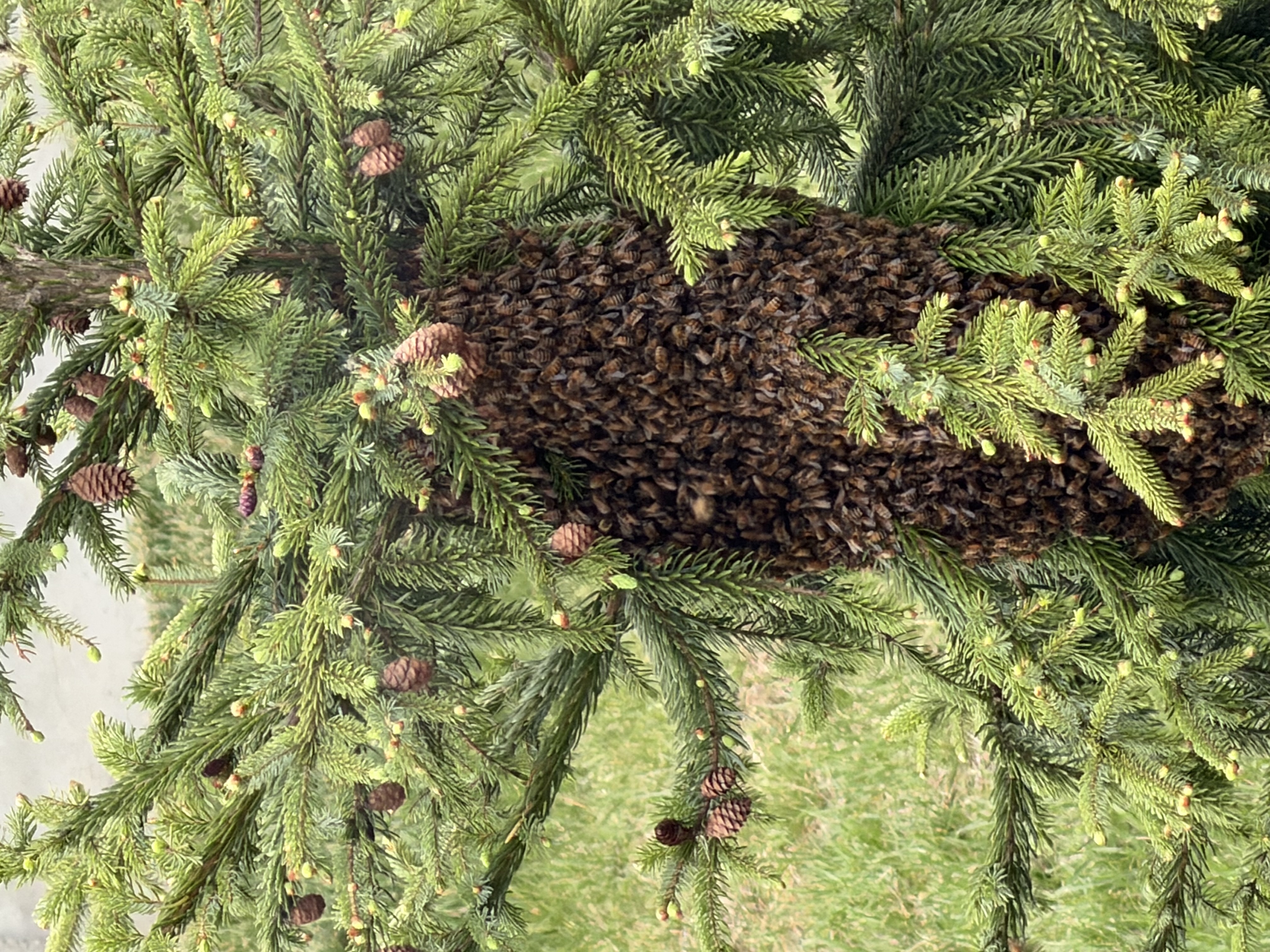
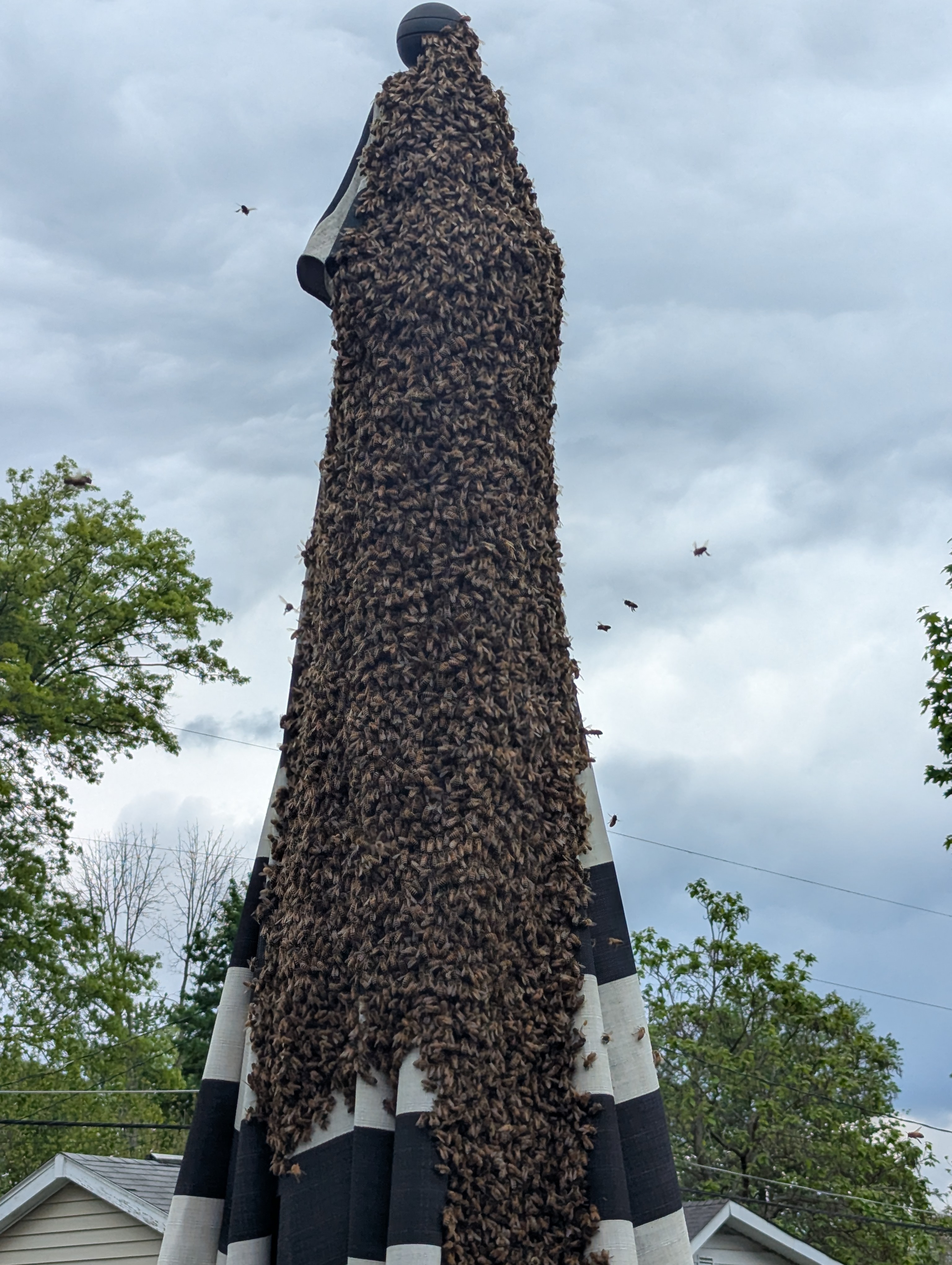
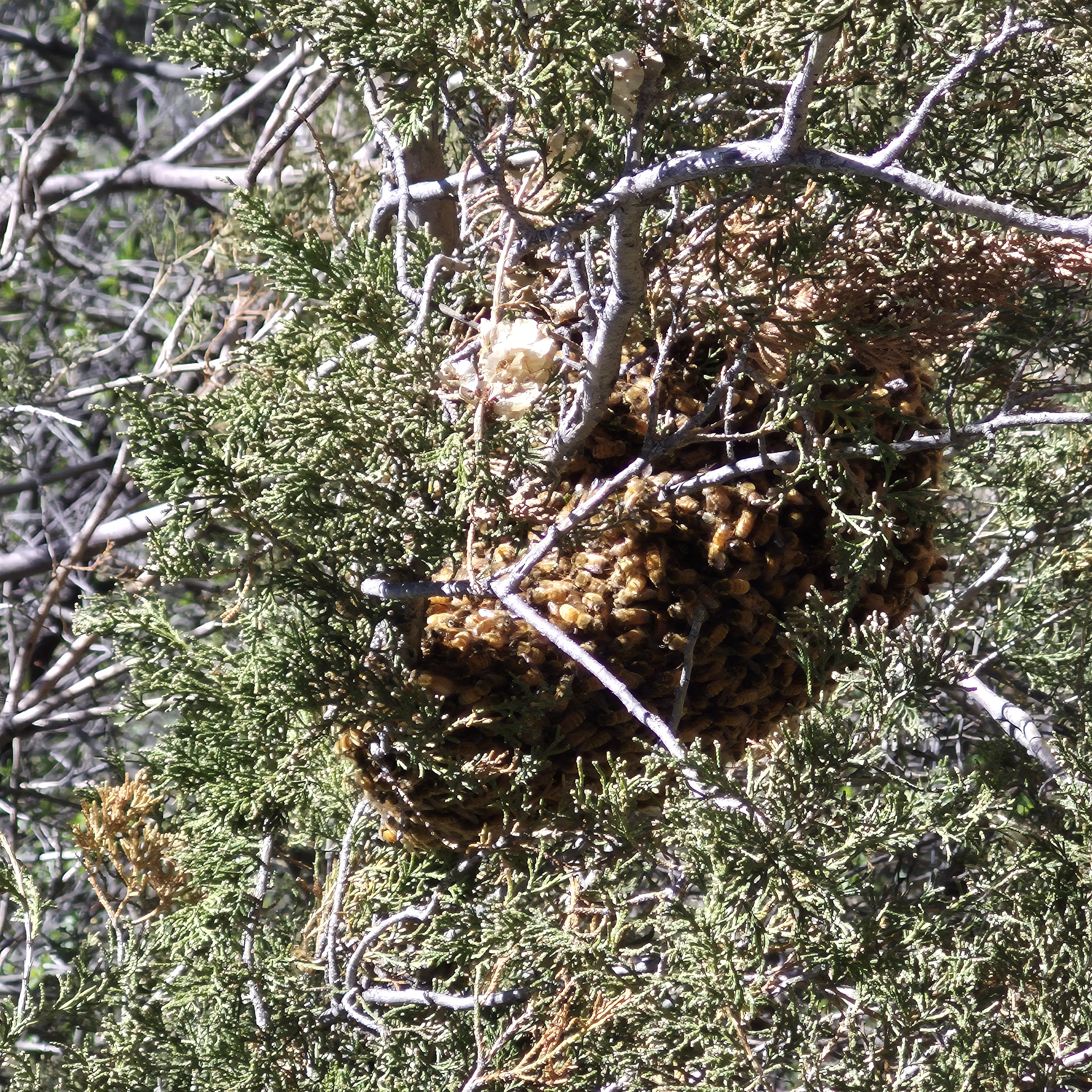
The traveling group, or swarm, will often find a temporary resting place on a tree branch, fence post, or the side of a building. This dense cluster of bees can range from the size of a football to a basketball, containing thousands of individual bees. While a large cluster of bees might seem intimidating, swarming bees are typically at their most docile. Before leaving their original hive, they fill up on honey, making them less inclined to sting as they have no home or young to defend.
This resting period is temporary, usually lasting between 24 and 72 hours, while scout bees search for a suitable permanent home. This is the critical window where they can be safely rescued.
Swarm vs. Established Colony: A Critical Distinction
It is essential for homeowners to understand the difference between a temporary swarm and an established colony, as the response and potential cost differ significantly.
- Swarm: A transient cluster of bees resting in the open. They have not built any wax comb. Because beekeepers value these bees for starting new hives, their rescue is almost always performed free of charge.
- Established Colony: Bees that have moved into a structure, such as the wall of a house, a chimney, or a shed. They have started building wax comb, raising young (brood), and storing honey. Bees in an established colony are more defensive of their home. Removal, often called a "cutout," is complex work that requires carpentry skills and specialized equipment to access and safely remove the bees, comb, and honey. This service involves a fee, and a beekeeper will provide a quote based on the complexity of the job.
Swarmed is designed to help with the safe rescue of honey bee swarms. For established colonies, you will need to discuss the scope of work and associated costs directly with a qualified beekeeper.
When is Vermont's Bee Swarm Season?
Given Vermont’s cooler climate and shorter summers, the bee swarm season is more compressed than in warmer states. The primary activity for honey bee swarms typically begins as temperatures consistently warm up in late spring and continues into early summer. This period, generally from late April through June, is when colonies reach the population size needed to trigger the swarming instinct.
A particularly warm spring can encourage bees to build up their populations faster, potentially leading to an earlier start to the swarm season. Beekeepers and residents alike should become vigilant as flowering trees and plants come into full bloom.
How Swarmed Connects You with Local Beekeepers
Swarmed provides a vital link between the public and local beekeepers. The platform operates as a free, nationwide dispatch network that instantly alerts registered beekeepers to reported swarms in their area. This system ensures a rapid, safe, and efficient rescue, giving the bees the best chance of survival.
The impact of a connected community is significant. In states with longer seasons, the platform facilitates a high volume of rescues. For instance, in Nevada, the network helped coordinate the rescue of over 100 swarms, showcasing a rising trend in community participation in protecting honey bees.
By reporting a swarm, you are not just solving a problem; you are actively participating in the health of Vermont's ecosystem. You provide local beekeepers with healthy, local bees to strengthen their apiaries, which in turn helps pollinate local farms and gardens.
How You Can Help Protect Honey Bees in Vermont
The most important action you can take upon spotting a honey bee swarm is to report it. Please do not spray the bees with water or pesticides. A swarm is a vulnerable, valuable natural resource, not a pest infestation.
Your report provides local beekeepers with the opportunity to give these bees a safe new home where they can continue their essential work of pollination. This simple act supports the environment, local agriculture, and dedicated beekeepers across the state.
To play a vital role in protecting honey bees and supporting your community, report any swarm you see.
Report a honey bee swarm here. (opens in a new tab)
Join the Community Effort
As spring unfolds across Vermont, keep an eye out for the incredible sight of a honey bee swarm. It is a sign of a healthy environment, not a cause for alarm. By understanding what a swarm is and knowing how to respond, you can become a key partner in preserving these vital pollinators. When you see a swarm, take a moment to report it. You’ll be helping the bees, supporting a local beekeeper, and contributing to the health of Vermont's beautiful landscape.