
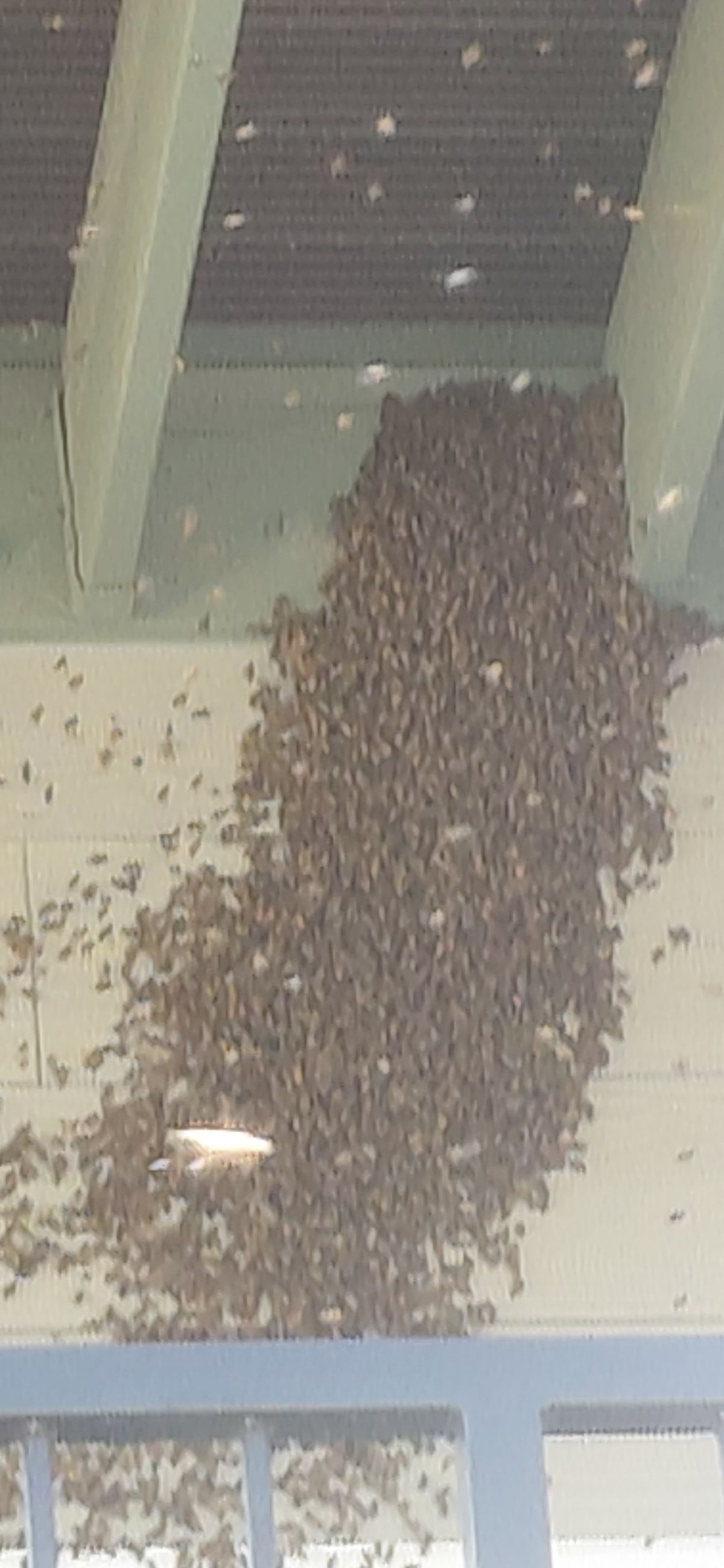
A Beekeeper's Guide to Swarm Season in California
California's Golden Opportunity: Harnessing the Spring Swarm For beekeepers across California, the arrival of spring signals more than just almond blossoms and wildflo...
Read More...May 18, 2026
Home > Blog > Utah's Bee Swarm Calendar: A Guide for Spring
May 6, 2026
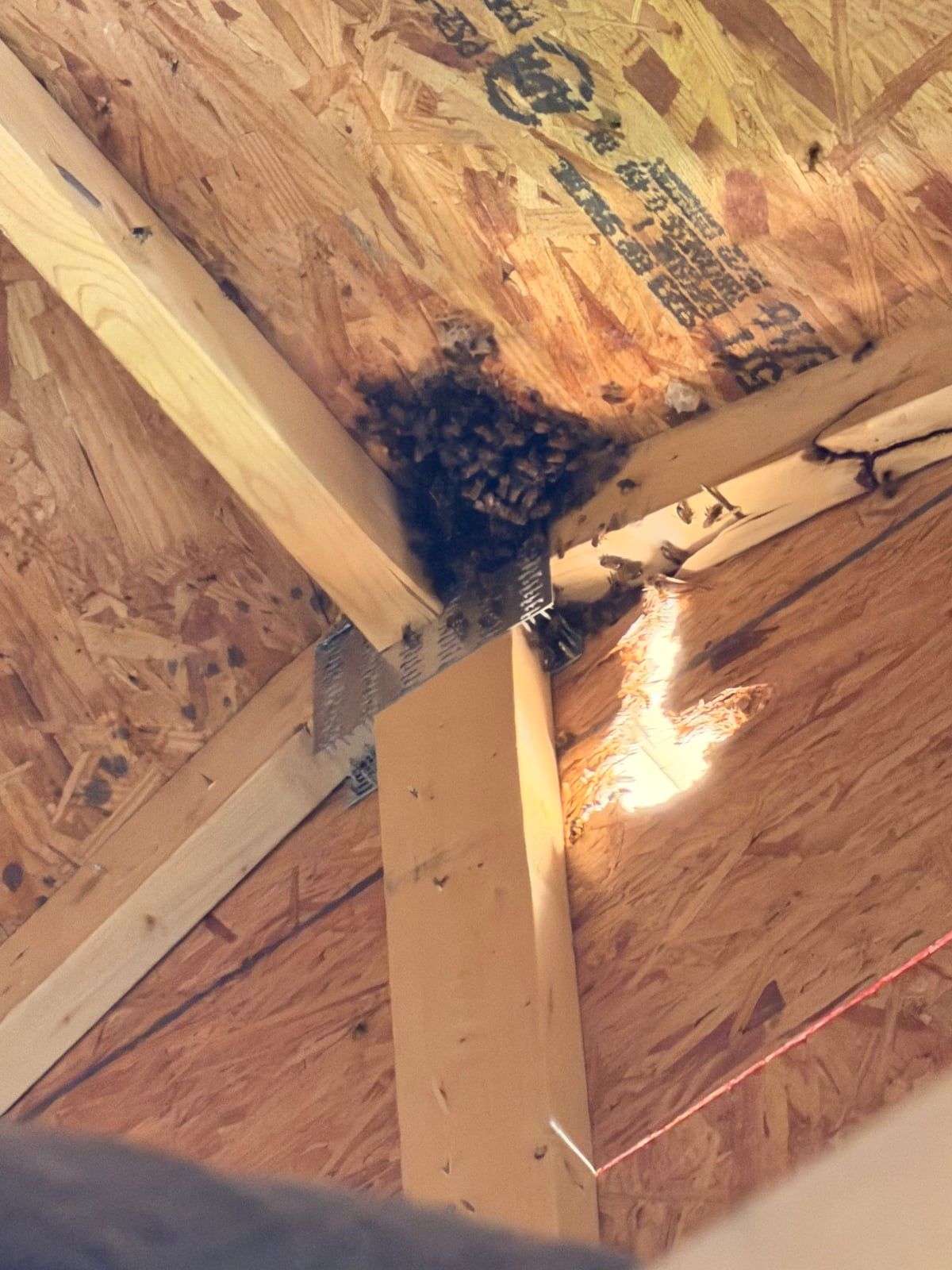
As the snow recedes from the Wasatch Front and wildflowers begin to bloom, Utah awakens to the vibrant energy of spring. This seasonal shift also marks the beginning of honey bee swarm season, a fascinating natural phenomenon that often surprises residents from Salt Lake City to Provo and Ogden. Understanding the Utah bee swarm calendar and knowing what to do when you see one is key to protecting these essential pollinators and supporting our local beekeeping community.
First, it's crucial to distinguish between a honey bee swarm and an established hive. This difference determines the behavior of the bees and the appropriate response.
Recognizing this distinction is important because it changes everything about how they are handled.
While there is no exact date that honey bees adhere to, their swarming behavior is closely tied to environmental cues. For Utah, the swarm season follows a predictable pattern.
As temperatures consistently warm up in the spring and flowering plants provide a steady stream of nectar and pollen, healthy honey bee colonies expand rapidly. When a colony becomes too large for its current space, it prepares to reproduce through swarming. The old queen leaves with about half of the worker bees to find a new home, leaving the original hive to raise a new queen.
In Utah, this activity generally begins in mid-spring and peaks through the early summer months. The exact timing can shift slightly from year to year based on the severity of the winter and the timing of spring's arrival. A warmer, earlier spring can lead to an earlier start to swarm season.
This is a time for the public to be aware and for beekeepers to be prepared for calls.
One of the most common points of confusion for the public is the cost associated with bee removal. The answer depends entirely on whether you have a swarm or an established hive.
Swarm Collection: Usually Free A transient swarm is a valuable resource for a beekeeper—it's essentially a free, healthy colony ready to be housed in a proper hive box. Because of this, local beekeepers are often happy to come and collect a swarm at no charge. The process is relatively straightforward and poses little risk.
When you use a service like Swarmed to report a colony, it is free to use. To help us continue connecting communities with beekeepers, we ask for an optional suggested contribution of $12 to help support the platform.
Established Hive Removal (Cutout): Costs Money If honey bees have moved into the walls, roof, or floor of your property and have built comb, the situation changes dramatically. Removing them requires a specialized service known as a "cutout." This is labor-intensive work that can involve carpentry, structural access, and careful removal of bees, brood, and honeycomb. It is a skilled job that takes hours and requires specialized equipment.
Because of the complexity and time involved, beekeepers charge for this service. Expect a beekeeper to provide a fair quote based on the difficulty of the job, which can typically range from $200 to $800 or more. You have the option to accept or decline the quote.
When you spot a swarm, you have an opportunity to help. The Swarmed platform connects people who find swarms with local, vetted beekeepers who can provide a safe and effective rescue. The network effect is powerful; in neighboring states like Nevada, our network helped coordinate the rescue of over 100 swarms last season alone, demonstrating what a connected community can accomplish.
By reporting a swarm, you are:
If you encounter a cluster of bees this spring, there's no need to panic. Simply give them space and take a moment to observe. Are they in a temporary cluster on a branch, or are they flying in and out of a crack in a building? Once you've identified it as a swarm, you can take the most helpful step possible.
By reporting the swarm, you become a vital part of the solution for honey bee preservation in Utah. Your simple action can ensure thousands of bees find a safe home where they can continue their essential work of pollination.
If you see a honey bee swarm, please help protect them and support your local beekeepers. Report the swarm quickly and easily through our platform, and we will alert beekeepers in your area who are ready to help. Report your swarm here: https://beeswarmed.org/report-bee-colony (opens in a new tab).
California's Golden Opportunity: Harnessing the Spring Swarm For beekeepers across California, the arrival of spring signals more than just almond blossoms and wildflo...
Read More...May 18, 2026

A Beekeeper's Guide to Swarm Collection in Idaho Spring has arrived in the Gem State, and with it, the unmistakable hum of honey bee swarms. For beekeepers, this is a...
Read More...May 18, 2026