Urgent Call: California Beekeepers Needed to Meet Surging Swarm Reports
As spring progresses across California, honey bee colonies are reaching their peak population and engaging in their natural reproductive process: swarming. This seasonal activity has led to a dramatic increase in swarm reports, particularly in densely populated urban centers like Los Angeles, San Francisco, and San Diego. While this is a sign of healthy bee populations, it presents a significant logistical challenge. With over 1,889 swarms reported through our network last season and trends indicating an even busier year, the need for skilled beekeepers to safely rescue these bees has never been more critical.
Swarmed provides the essential infrastructure connecting the public with local beekeepers, but the system relies on a robust network of responders. Currently, our network of over 634 beekeepers in California is working diligently, but the volume of alerts is beginning to outpace availability. We are issuing an urgent call for more beekeepers throughout the state to help manage this influx and ensure every viable swarm has a chance to be rescued and rehomed.
The Unique Opportunity in California's Urban Apiaries
California's diverse landscape, from vast agricultural valleys to sprawling urban environments, creates a unique beekeeping experience. Urban and suburban areas, in particular, have become hotspots for swarm activity. A reported swarm is a valuable opportunity. These bees represent strong, locally adapted genetics, having successfully thrived in the regional climate and forage environment. For a beekeeper, rescuing a swarm is one of the most effective and sustainable ways to expand an apiary, increase honey production, or start new colonies with vigorous, healthy bees—all without the cost of purchasing packaged bees or nucs.
The high density of reports from metropolitan areas means that opportunities are often just a few miles away. By joining the Swarmed network, beekeepers gain access to a real-time stream of these opportunities, allowing them to grow their operations while providing an invaluable service to their communities. Each rescued swarm is a step towards strengthening local pollinator populations and educating the public about the importance of honey bees.
How Swarmed Empowers Beekeepers
The Swarmed platform is designed with the beekeeper in mind, offering a simple, effective tool to connect you with local bees. The benefits are clear and geared toward making swarm rescue more accessible and efficient.
- Free, Hyper-Local Swarm Alerts: Once you sign up, you define your service area. Our system instantly notifies you via text or email when a member of the public reports a swarm within your designated radius. There is no need to spend time or money on marketing; the opportunities come directly to you.
- Complete Flexibility, No Commitment: We understand that beekeepers have varying schedules and capacities. There is no obligation to respond to any alert you receive. You can claim the swarms that fit your schedule and are within a comfortable distance, and simply ignore the ones you cannot get to. This flexibility allows you to participate as much or as little as you like.
- Access to Healthy, Productive Bees: Swarms are nature's way of propagating the most successful colonies. The bees are typically docile, as they are engorged with honey for their journey and have no brood or stores to defend. This makes the rescue process relatively straightforward and safe for experienced beekeepers.
Upholding Professional Standards: Swarms vs. Structural Removals
A critical part of our mission is to help manage public expectations and support beekeepers in operating professionally. The Swarmed platform and our educational outreach emphasize the important distinction between a swarm and an established colony.
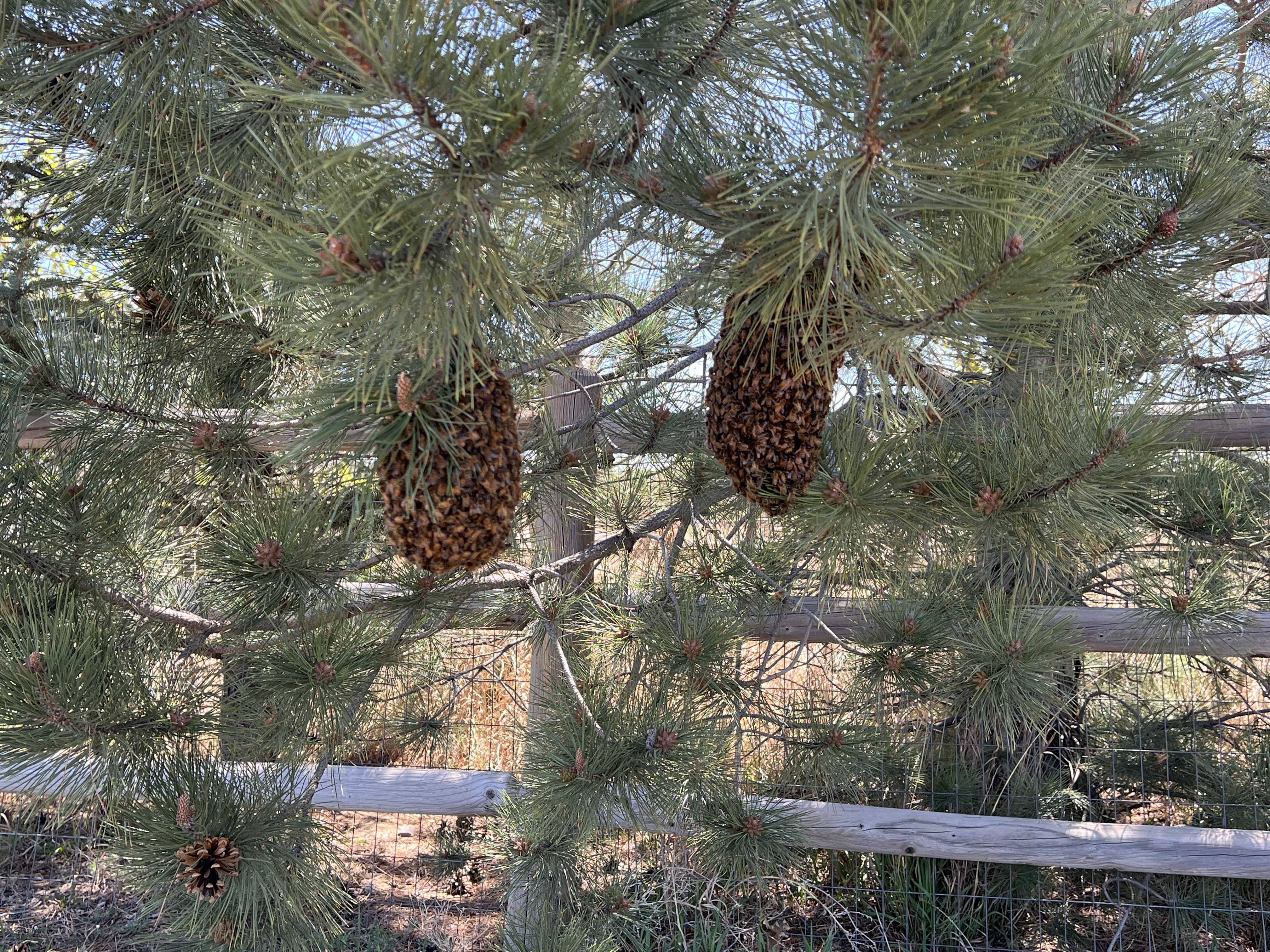
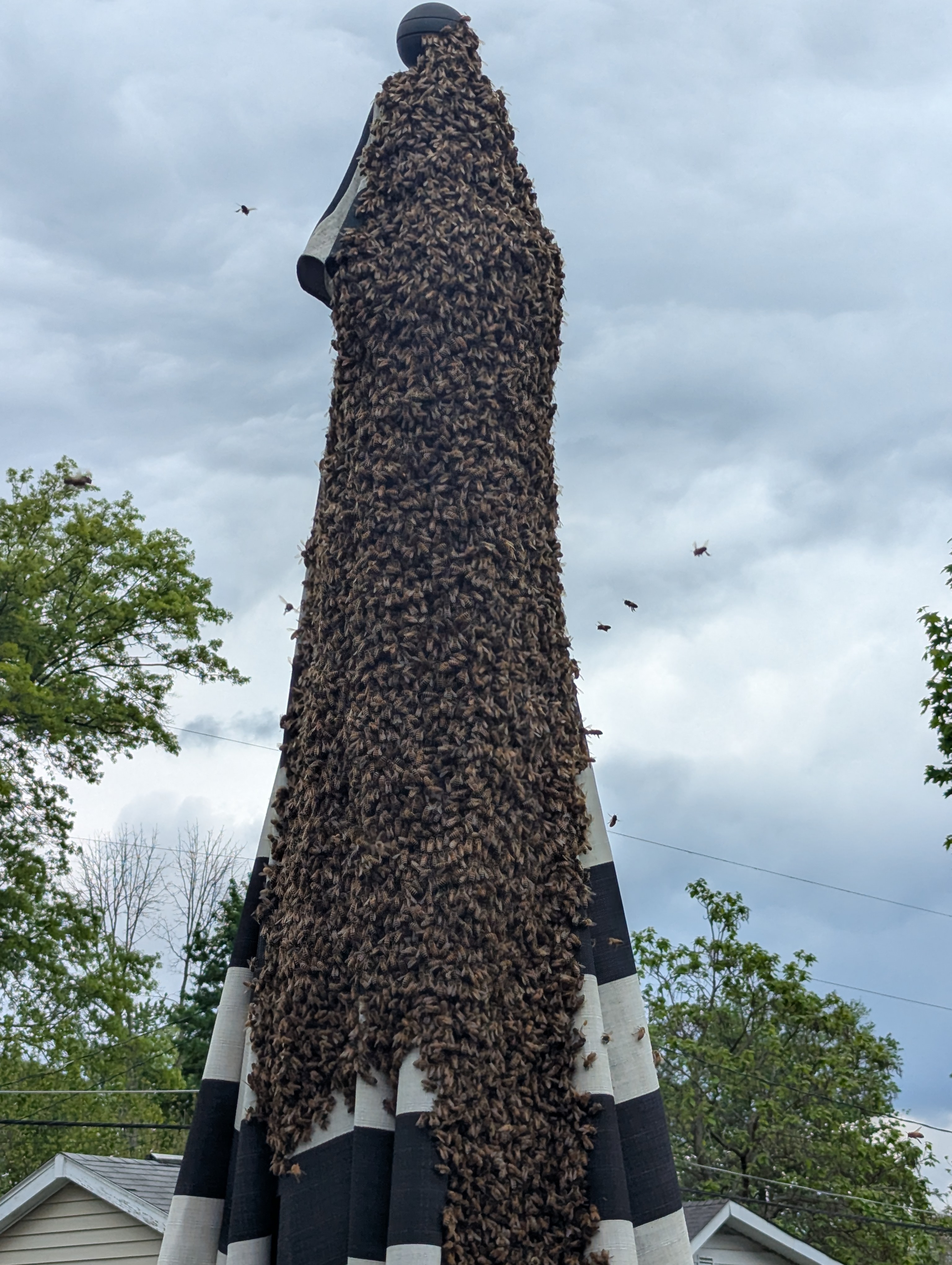
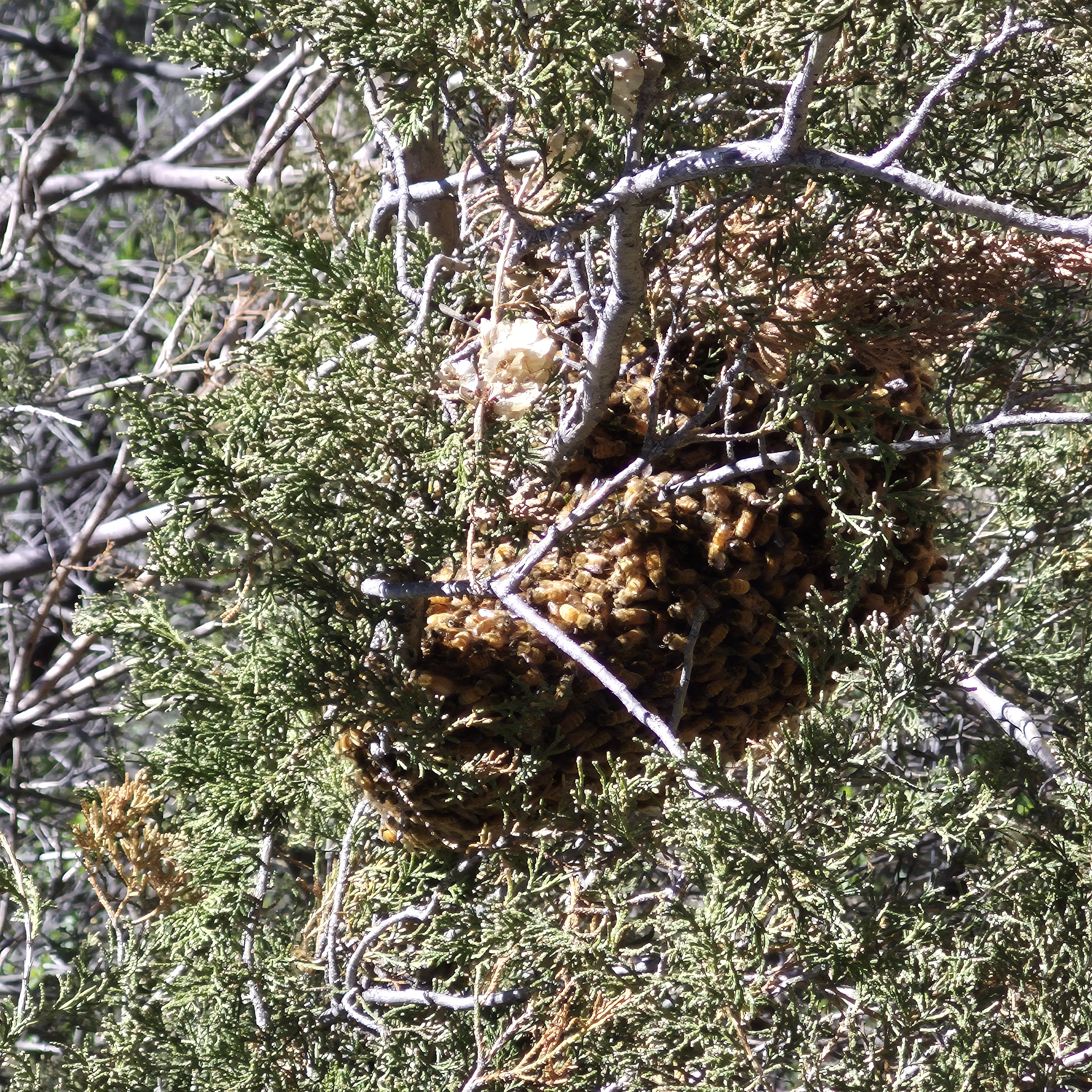
A swarm is a transient cluster of bees, temporarily resting on a branch, fence, or other object while scout bees search for a new home. This is the primary focus of the Swarmed alert system. Because beekeepers want these bees to grow their apiaries, their rescue is almost always provided as a free service to the public.
An established colony, on the other hand, has already moved into a structure—such as a wall, roof, or irrigation box—and has begun building comb, raising brood, and storing honey. Removing a colony from a structure is a complex and often labor-intensive process known as a "cutout." This work requires specialized skills in carpentry and construction, takes significantly more time, and involves potential repairs. As such, cutouts are a paid service.
Beekeepers in our network should be prepared to assess the situation upon arrival or by asking clarifying questions over the phone. If you determine the job is a cutout, you should provide the property owner with a fair and transparent quote based on the complexity, time, and materials required for the removal and any necessary repairs. This professionalism builds trust and reinforces the value of your expertise.
Join a Collaborative Effort to Protect California's Honey Bees
By joining the Swarmed network, you become part of a statewide community dedicated to honey bee conservation. Every swarm that is rescued is a colony saved from potential extermination or from establishing a home in an unsafe location. Your participation directly contributes to the health and resilience of California's essential pollinator populations.
The demand is clear, and the bees need your help. Whether you are a seasoned beekeeper with dozens of hives or a dedicated hobbyist looking to add one or two new colonies, your skills are needed. The process for beekeeper signup in California is straightforward and designed to get you connected with local swarms as quickly as possible.
Take this opportunity to grow your apiary with strong, local bees while providing a vital service to your community. Help us ensure that no swarm goes unrescued this season.
To get started, please visit the signup page and create your profile. You can define your travel radius and begin receiving free swarm alerts immediately.
Join the Swarmed beekeeper network (opens in a new tab)