
A Beekeeper's Guide to Swarm Season in California
California's Golden Opportunity: Harnessing the Spring Swarm For beekeepers across California, the arrival of spring signals more than just almond blossoms and wildflo...
Read More...May 18, 2026
Home > Blog > A Texan's Guide to Spring Honey Bee Swarms
May 6, 2026
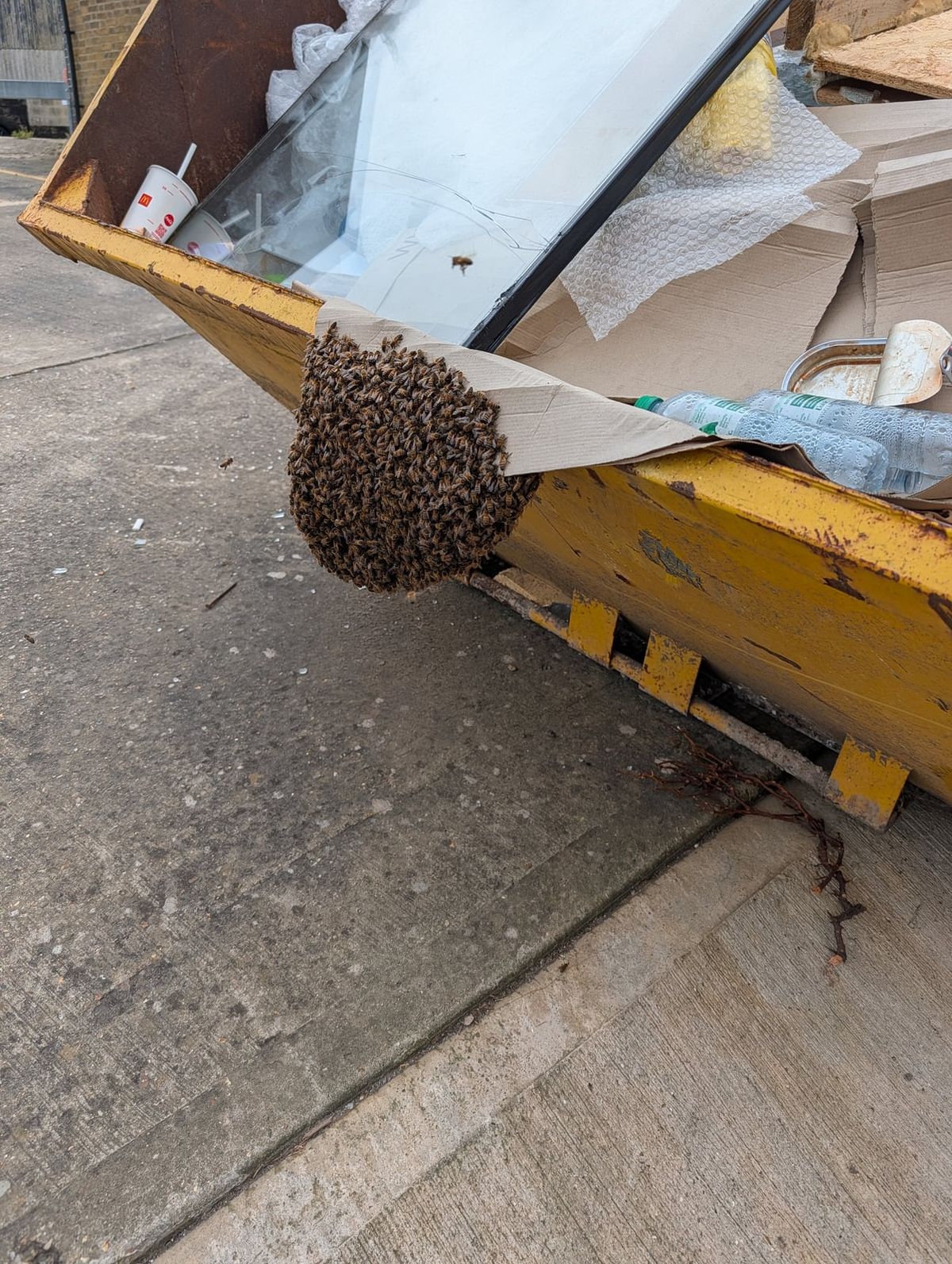
Across Texas, from the Gulf Coast shores of Houston to the sprawling metroplex of Dallas-Fort Worth, spring announces itself with vibrant bluebonnets and the welcome return of warmer days. For honey bees, this season signals a time of explosive growth and expansion, leading to one of nature’s most fascinating spectacles: the honey bee swarm.
Seeing a large, buzzing cluster of thousands of bees can be an intimidating sight. However, a swarm is a natural and healthy sign of a thriving honey bee population. It is not an angry mob, but rather a colony in the process of moving. Understanding what a swarm is and what to do is crucial for protecting these vital pollinators and supporting your local community.
A honey bee swarm is a method of reproduction at the colony level. When a hive becomes overcrowded in the spring, the old queen bee prepares to leave with about half of the colony's worker bees to find a new home. The bees that remain behind will raise a new queen to continue the original colony.
Before leaving, the departing bees gorge themselves on honey, packing enough fuel for the journey. This is why swarming bees are typically very docile; they have no hive, no brood, and no honey stores to defend. Their single focus is finding a suitable new location to build a home. The swarm will cluster temporarily on a tree branch, fence post, or building eave while scout bees search for a permanent cavity. This temporary stop usually lasts between 24 and 72 hours.
It is essential to understand the distinction between a swarm and an established hive, as it affects how they are handled and what to expect.
Removal of an established hive is a professional service that costs money. A beekeeper will need to assess the situation and provide a fair quote based on the complexity of the job and any necessary repairs. Reporting the bees is the first step, and the beekeeper will clarify the situation and any associated costs with you.
Texas's immense size and varied climate mean swarm season can begin as early as late February in southern cities like San Antonio and last well into early summer in northern areas like Fort Worth. This extended season creates a significant need for a coordinated effort between the public and beekeepers.
The activity is substantial. The Swarmed network, which connects the public with beekeepers, is seeing a rising trend in activity across the state. Last year alone, a remarkable 547 swarms were reported in Texas, linking finders with local beekeepers who could provide the bees with a new home. This highlights the vital role the community plays in preserving local honey bee populations.
If you encounter a swarm, you have a unique opportunity to help. By taking a few simple steps, you can ensure the bees are rescued safely and humanely.
The Swarmed platform is a free tool designed for this purpose. When you submit a report, it instantly notifies registered beekeepers in your area. This rapid communication is key to a successful rescue.
Reporting a swarm is more than just a simple alert; it is a powerful act of community stewardship that benefits everyone.
This spring, as Texas comes alive, keep an eye out for honey bee swarms. They are a sign of a healthy environment and a chance for you to play a direct role in conservation. If you spot a swarm in your neighborhood, remember that a local beekeeper is likely nearby and happy to help.
Your simple action can save thousands of bees. To help bees and your community, report a swarm through our free platform. Please visit https://beeswarmed.org/report-bee-colony (opens in a new tab) to submit a Texas bee swarm report and connect with a beekeeper today.
California's Golden Opportunity: Harnessing the Spring Swarm For beekeepers across California, the arrival of spring signals more than just almond blossoms and wildflo...
Read More...May 18, 2026
A Beekeeper's Guide to Swarm Collection in Idaho Spring has arrived in the Gem State, and with it, the unmistakable hum of honey bee swarms. For beekeepers, this is a...
Read More...May 18, 2026