A Surge of Swarms Across the Lone Star State
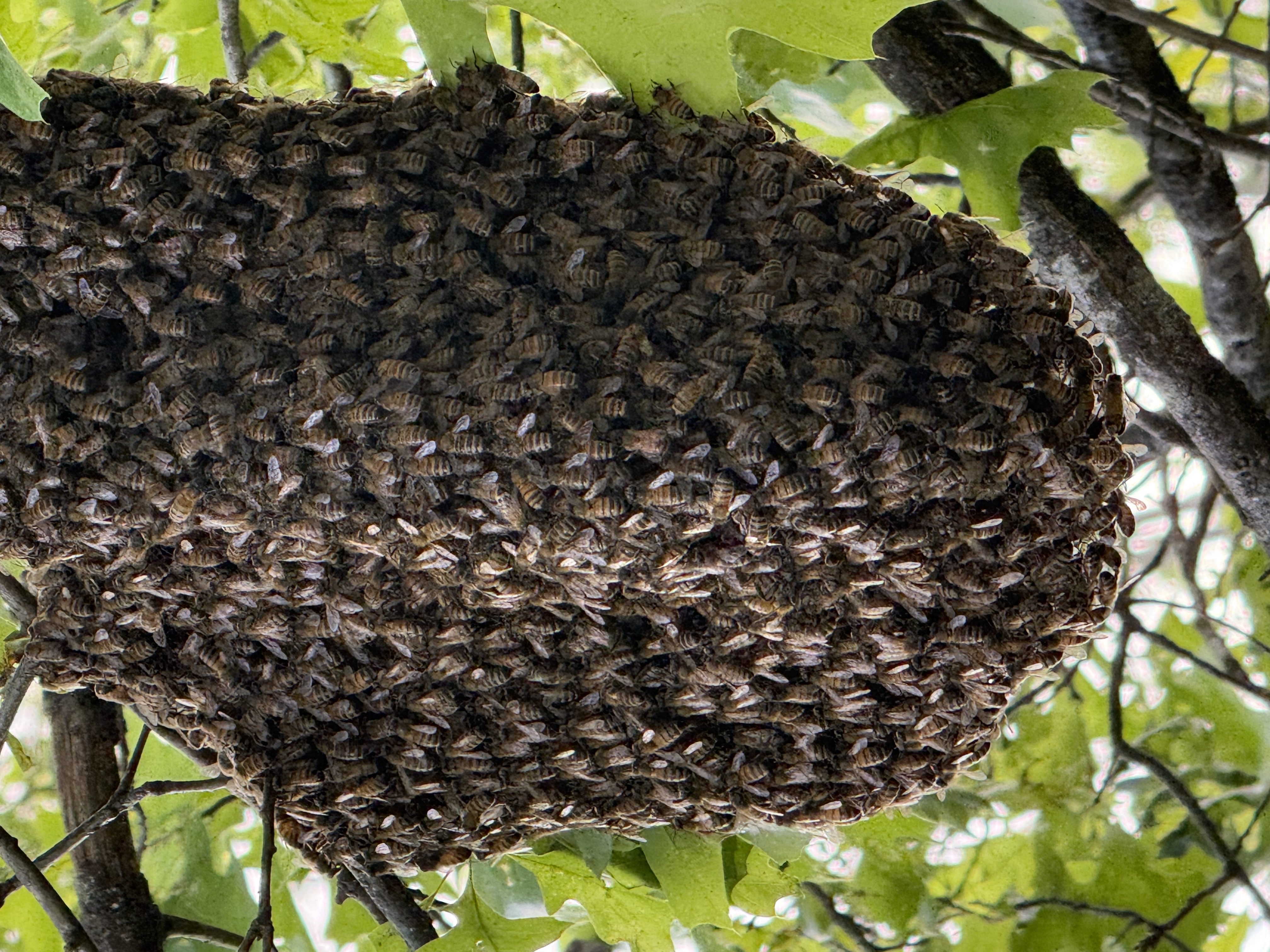
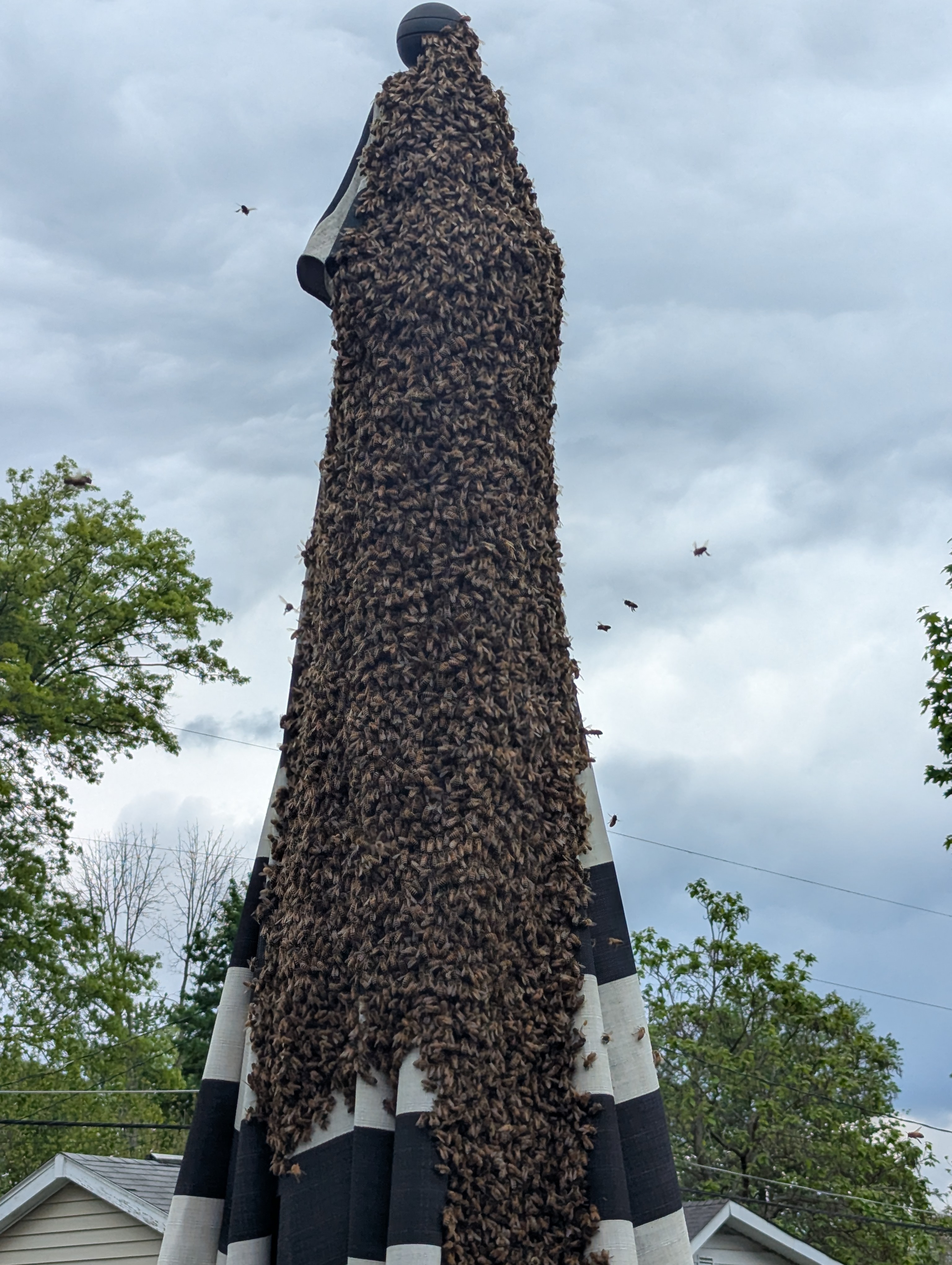
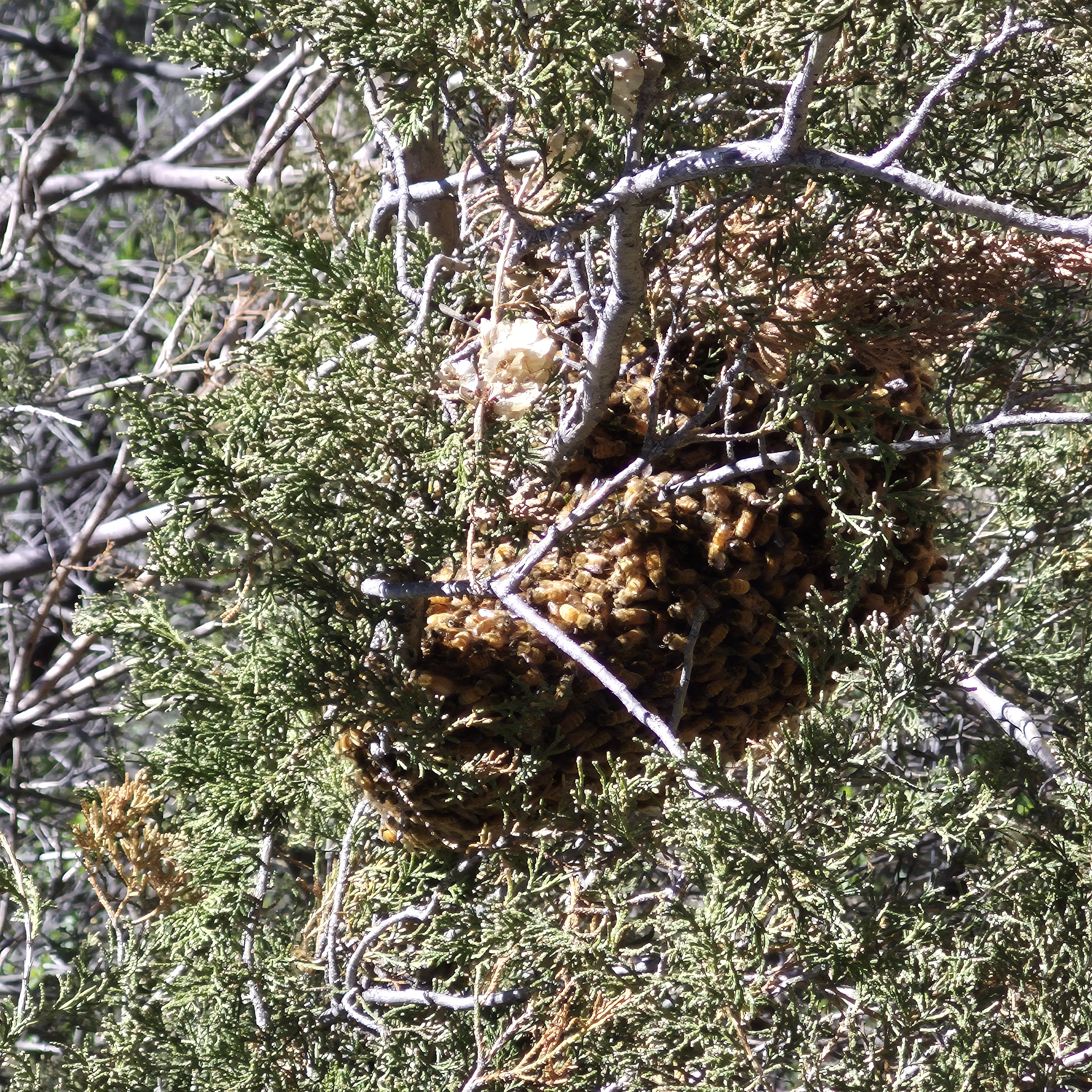
Across Texas, from the dense urban landscapes of Dallas and Houston to the vibrant Hill Country surrounding Austin, a significant natural event is unfolding: the 2024 honey bee swarm season is exceptionally active. This spring, healthy, expanding colonies are splitting and casting swarms in unprecedented numbers. While this is a positive indicator of bee population health, it also presents a challenge. Each swarm hanging from a tree branch, fence post, or building eave needs a new home, and a skilled beekeeper to provide it.
The activity is quantifiable. So far this season, the Swarmed network has processed alerts for over 547 swarms in Texas alone, with reports increasing daily. This boom creates a unique opportunity for the state's beekeeping community, highlighting the urgent need for more skilled hands. This is a moment for Texas beekeeper recruitment, a call to action for those passionate about honey bees to step up and make a tangible impact.
The Beekeeper's Role: Community Service and Apiary Growth
A reported swarm represents a chance to perform a vital public service while simultaneously growing one's own apiary with healthy, locally adapted bees. When a homeowner discovers a cluster of bees, they need a reliable expert. As a beekeeper on the Swarmed network, you become that expert.
It is crucial to understand the distinction between different bee rescue scenarios. A swarm is a transient cluster of bees that has recently left its parent hive. These bees are typically docile and are looking for a new permanent residence. Rescuing a swarm is a relatively straightforward process and is almost always offered as a free service by beekeepers who value the bees.
In contrast, an established colony is one that has already built wax comb and started raising brood inside a structure, such as a wall, roof, or shed. The removal of an established colony is a complex, labor-intensive process known as a "cutout." This work requires specialized tools, carpentry skills, and often structural repairs. Consequently, cutouts are a paid service, and beekeepers should provide a fair quote based on the complexity, time, and materials required. The Swarmed platform helps connect beekeepers to both types of opportunities, but its primary focus is on the urgent rescue of vulnerable swarms.
Actionable Tips for a Successful Texas Swarm Season
To effectively manage the influx of swarms, preparation is key. Here are some actionable tips for Texas beekeepers to maximize their success this season:
- Strategic Swarm Trap Placement: Don't just wait for the calls. Proactively set swarm traps (not bait hives) to increase your chances of capturing local swarms. Position them 8-15 feet off the ground along tree lines or near known water sources. A lure of lemongrass essential oil can significantly increase your trap's attractiveness. Use insights from the Swarmed platform to see where last year's hotspots were to inform your placement strategy.
- Assemble a Ready-to-Go Rescue Kit: When a swarm alert comes in, time is of the essence. Have a dedicated kit packed and ready. Essential items include a ventilated nuc box or cardboard swarm box, a bee brush, a frame of drawn comb (if available), a queen clip, your veil and protective gear, a ladder, and pruning shears. Being prepared means you can respond quickly and confidently.
- Post-Rescue Care for Texas Heat: Capturing the swarm is only half the battle, especially as Texas temperatures rise. Proper ventilation is critical for a newly hived swarm to prevent overheating and absconding. A simple but effective technique is to place a small shim, like a penny, between the inner cover and the top box. This creates a small upper entrance, promoting crucial airflow. Additionally, provide the new colony with a 1:1 sugar water feed to help them begin drawing comb immediately.
A Collaborative Effort for Bee Conservation
The scale of this season's swarm activity requires a coordinated, community-wide response. Independent efforts are valuable, but a networked approach amplifies our collective impact, ensuring no swarm is left behind.
"Texas represents a vibrant ecosystem for honey bees, and this year's swarm activity is a testament to that," says Dr. Elara Vance, Chief Entomologist at Swarmed. "Our platform's success hinges on the local expertise and passion of beekeepers. By connecting them directly with community reports, we're not just saving bees; we're strengthening local genetics and supporting the beekeepers who are the true stewards of these vital pollinators."
Joining a network provides the structure for this collaboration. It allows for faster response times, broader coverage across vast Texan territories, and ensures that every report from a concerned citizen is seen by a beekeeper who can help.
Join the Swarmed Beekeeper Network Today
If you are a beekeeper in Texas, your skills are in high demand. The current surge in swarms is more than a seasonal phenomenon; it is an opportunity to strengthen your apiary, serve your community, and play a direct role in the preservation of local honey bee populations. The Swarmed network is the tool that connects your expertise with the community's need.
By joining, you gain access to a stream of free, real-time swarm alerts in your immediate area, delivered directly to your phone. There is no commitment; you only need to respond to the alerts that fit your schedule and location. This is your chance to acquire healthy, genetically diverse bees at no cost and expand your operation sustainably. We invite you to become part of a growing community dedicated to protecting honey bees across Texas.
Sign up today to start receiving free local swarm alerts and turn this booming season into a successful one for your apiary. Join the Swarmed beekeeper network at https://beeswarmed.org/beekeeper-signup (opens in a new tab).