The Buzz of Spring Across the Volunteer State
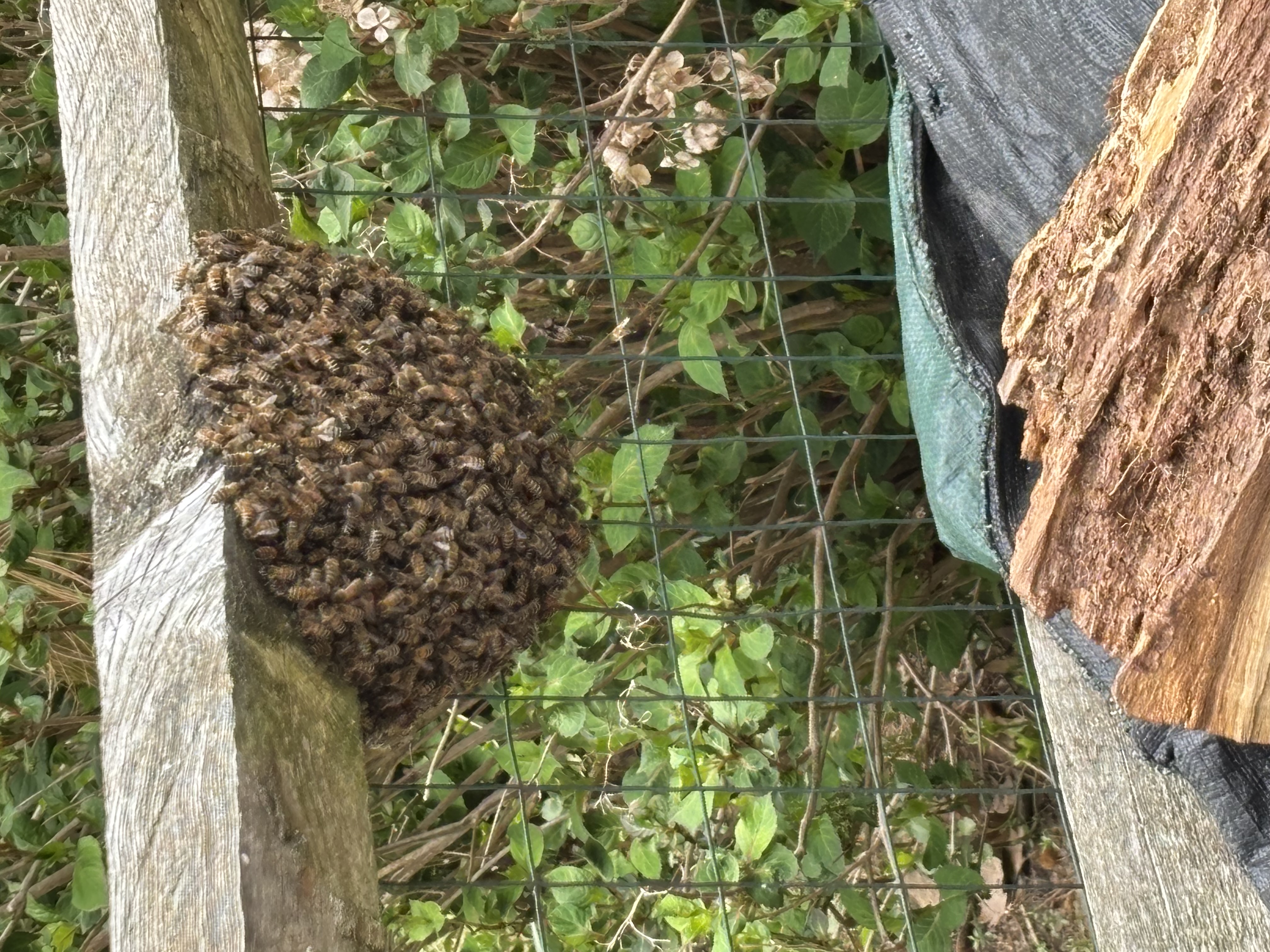
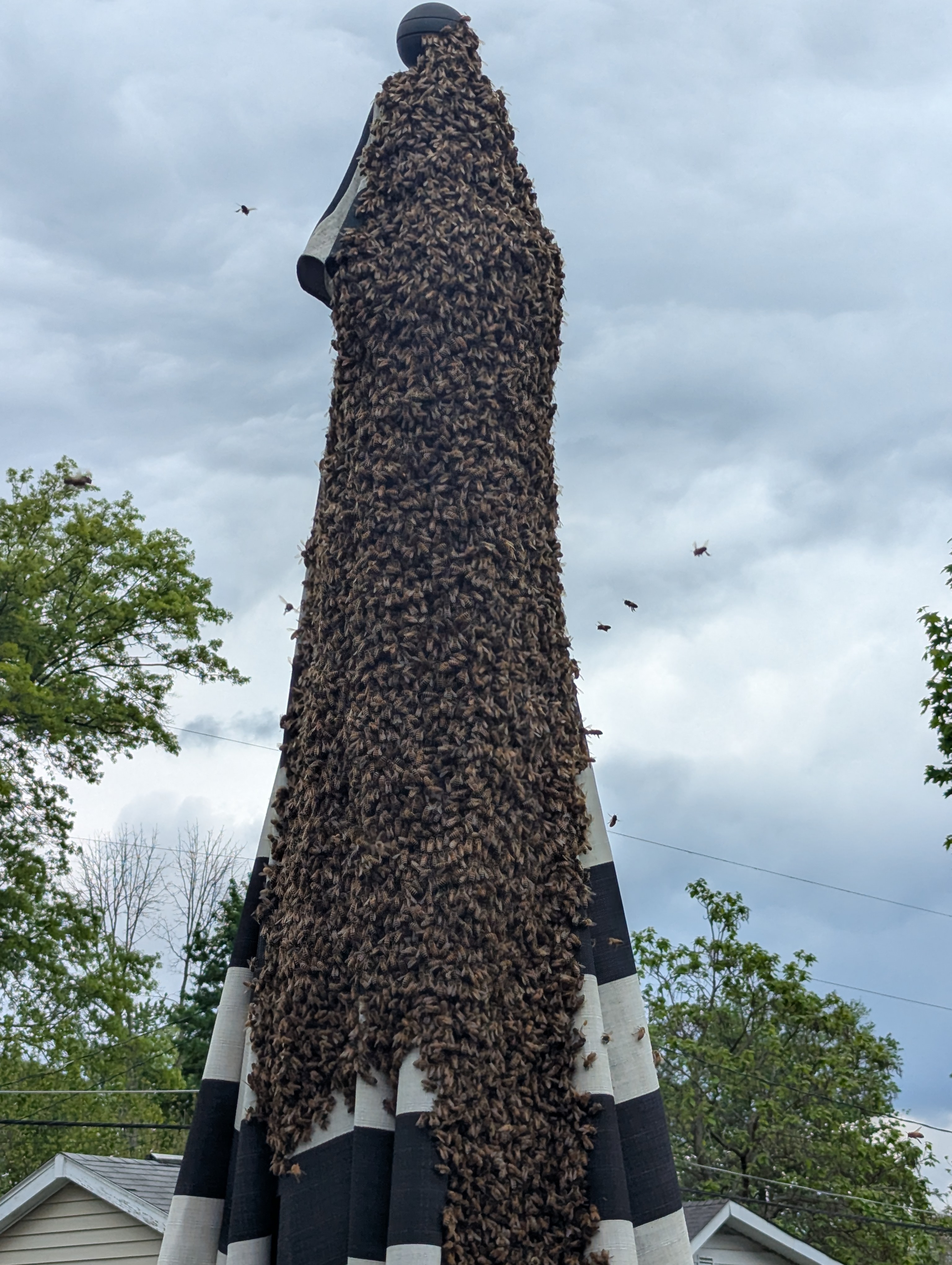
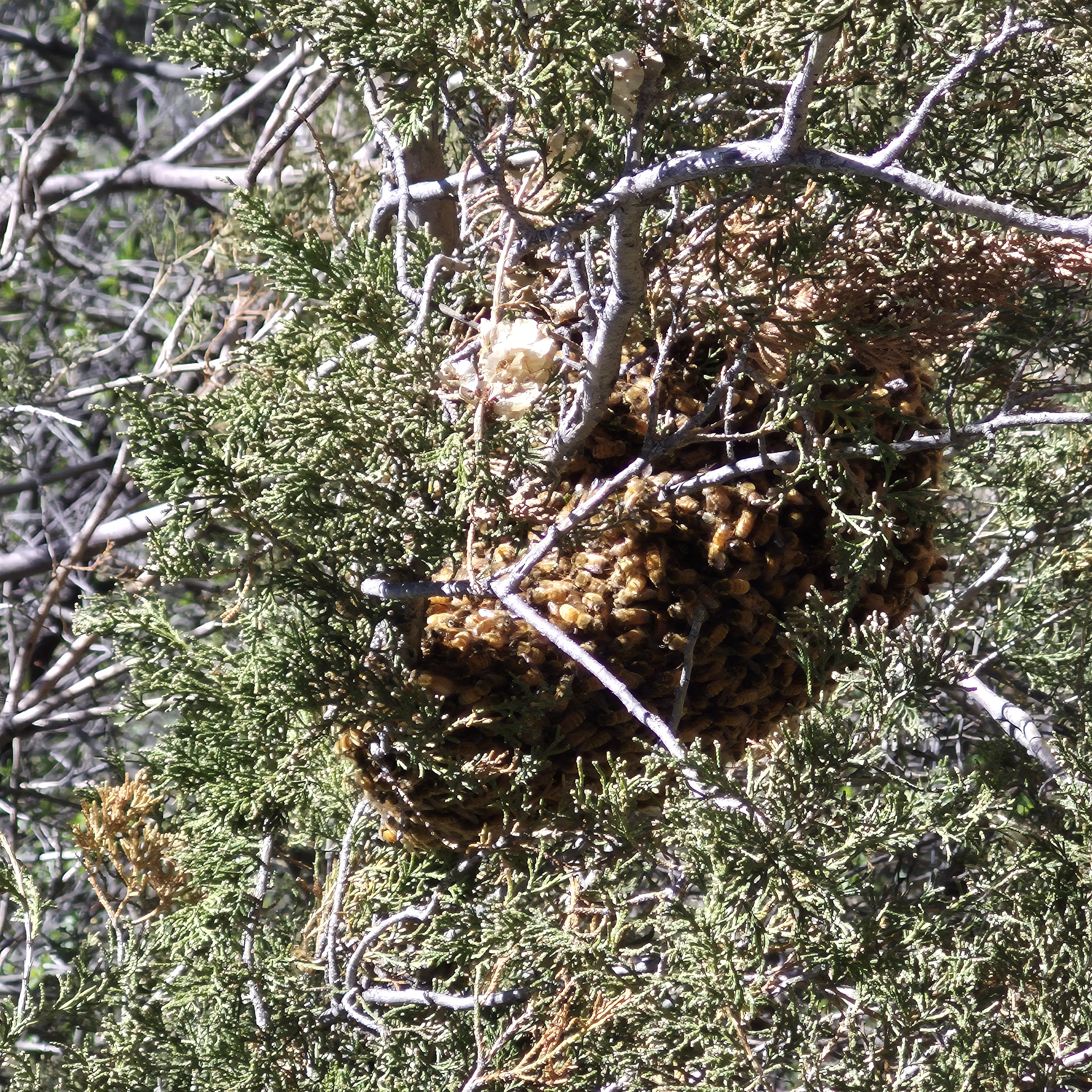
Spring in Tennessee awakens the landscape, from the Great Smoky Mountains to the Mississippi River. As dogwoods and redbuds bloom, another natural spectacle takes center stage: honey bee swarming. Across cities like Nashville, Memphis, Knoxville, and Chattanooga, clusters of thousands of honey bees can appear almost overnight, hanging from tree branches, fences, or mailboxes. This event, known as the Tennessee bee swarm season, is a vital and fascinating part of the honey bee life cycle, and it presents a unique opportunity for communities to support these essential pollinators.
Understanding what a swarm is—and what it isn't—is the first step in knowing how to react. A swarm is not an angry mob of bees; it's a colony on the move, looking for a new home. By learning to identify and report them correctly, you can play a crucial role in protecting honey bees and supporting local beekeepers.
What Exactly is a Honey Bee Swarm?
A honey bee swarm is the natural method a healthy colony uses to reproduce. When a hive becomes overcrowded in the spring, the old queen bee prepares to leave with about half of the colony's worker bees. Before departing, these bees feast on honey, engorging themselves for the journey ahead. This is a key reason why swarming bees are typically docile; they have no hive, no brood, and no honey stores to defend. Their primary focus is finding a safe, permanent location to build a new home.
After leaving the original hive, the queen and her retinue of 10,000 to 30,000 bees will land at a temporary resting spot. This is the cluster that people see. From this transient location, scout bees fly out in all directions, searching for a suitable cavity—a hollow tree, an abandoned shed, or unfortunately, sometimes a space within the walls of a home. The swarm will usually remain in this temporary location for 24 to 72 hours while the scouts deliberate on the best real estate options.
Understanding Peak Swarm Season in Tennessee
The Tennessee bee swarm season aligns with the state's vibrant spring bloom. As temperatures warm and nectar sources become abundant, honey bee colonies expand rapidly, triggering the swarming instinct. This activity typically peaks from late March through early June, with variations depending on local climate and elevation.
In Chattanooga and the eastern parts of the state, the season may begin slightly earlier due to warmer microclimates. As you move toward the central basin around Nashville and further west to Memphis, the timing remains firmly in the spring months. A strong nectar flow is the primary driver, providing the resources needed for a new colony to establish itself.
Swarm vs. Established Hive: A Critical Distinction for Homeowners
It is essential for the public to understand the difference between a temporary swarm and an established honey bee hive, as the response and cost associated with each are vastly different.
- A Swarm: This is the transient cluster of bees described above. They are exposed, hanging from a structure, and have not yet built any wax comb. Because beekeepers value these bees for starting new hives in their apiaries, they are often happy to come and rescue them. Swarm rescue is normally a free service provided by local beekeepers.
- An Established Hive (or Established Colony): If a swarm has already moved into a permanent structure—such as inside a wall, roof, chimney, or hollow tree—it is no longer a swarm. The bees will have started building wax comb to raise their young (brood) and store honey. These bees will be defensive of their home. Removing an established colony is a complex and labor-intensive process known as a "cutout." It often requires carpentry skills, specialized equipment, and structural repairs. A cutout is a paid service, and the beekeeper will provide a quote based on the complexity, time, and repairs required.
Reporting a bee colony through Swarmed connects you with beekeepers who can handle both situations, but this distinction helps set proper expectations.
How You Can Help Protect Honey Bees
When you see a honey bee swarm, you have a chance to make a positive impact. Reporting its location is a simple act of community science that provides immense benefits. Community reporting is powerful; in some states with rising swarm trends, over 100 swarms are rescued each season through platforms connecting the public with beekeepers.
Your report on Swarmed initiates a chain of events that helps everyone involved:
- Protect swarms: Instead of being exterminated or left to chance, the bees are given a safe home in a managed apiary where they can thrive.
- Support Local Beekeepers: You provide Tennessee beekeepers with healthy, local bees to strengthen their apiaries, which in turn helps pollinate local crops and gardens.
- Keep Your Community Safe: By ensuring a professional beekeeper handles the situation, you prevent potential issues that could arise if the swarm moves into an undesirable location.
What to Do When You Spot a Swarm
If you encounter a honey bee swarm, remember that the bees are not aggressive. Follow these simple steps:
- Keep a Safe Distance: While docile, it's always wise to give them space. Do not disturb the cluster.
- Do Not Spray Them: Never spray a swarm with water or pesticides. This will not make them leave and may provoke a defensive reaction.
- Report the Swarm Immediately: The most helpful action you can take is to report the swarm's location. This allows a local beekeeper to be dispatched quickly to provide the bees a new home.
By using a dedicated service, you ensure your alert goes to a network of available beekeepers in your area, increasing the chances of a prompt and successful rescue.
Your participation is vital to honey bee survival. When you see a cluster of bees this spring, don't be alarmed—be proactive. By taking a few moments to report it, you are contributing to the health of Tennessee's ecosystem and supporting the dedicated local beekeepers who work to protect these incredible insects. Take a photo from a safe distance, note the location, and become a part of the solution. To report a honey bee swarm and connect with a local beekeeper, please visit https://beeswarmed.org/report-bee-colony (opens in a new tab).