California's Vital Pollinators Face a Springtime Challenge
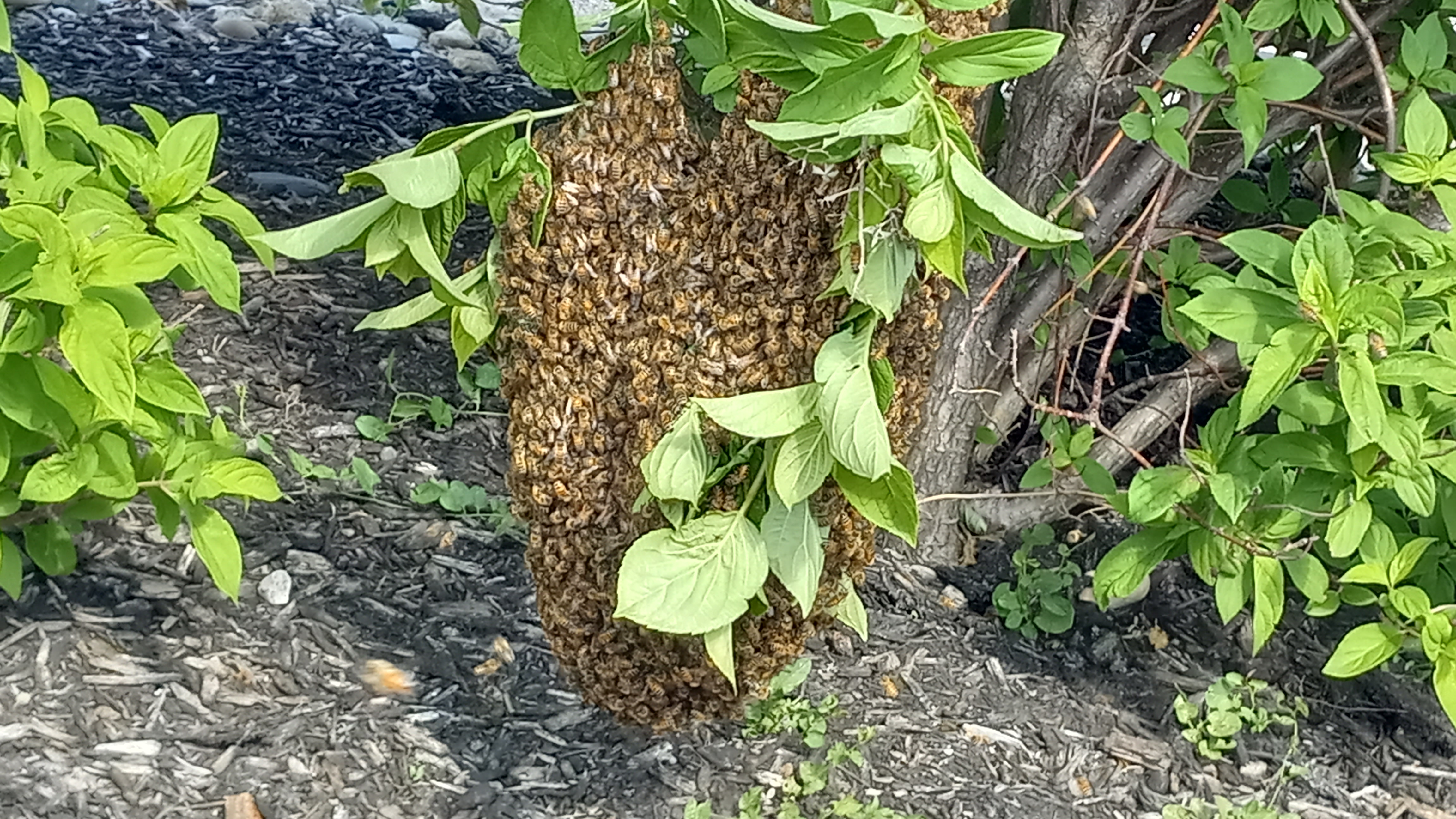
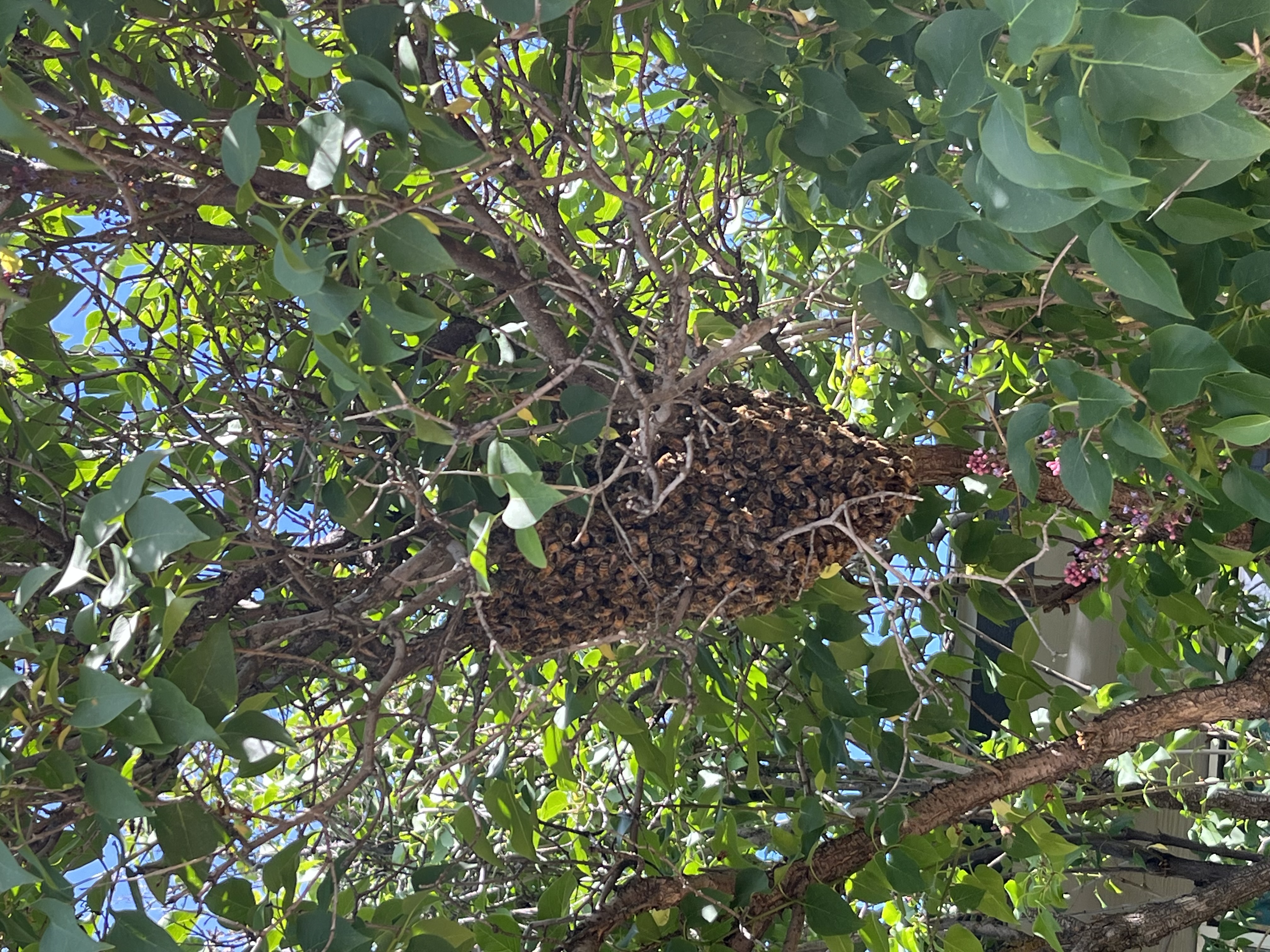
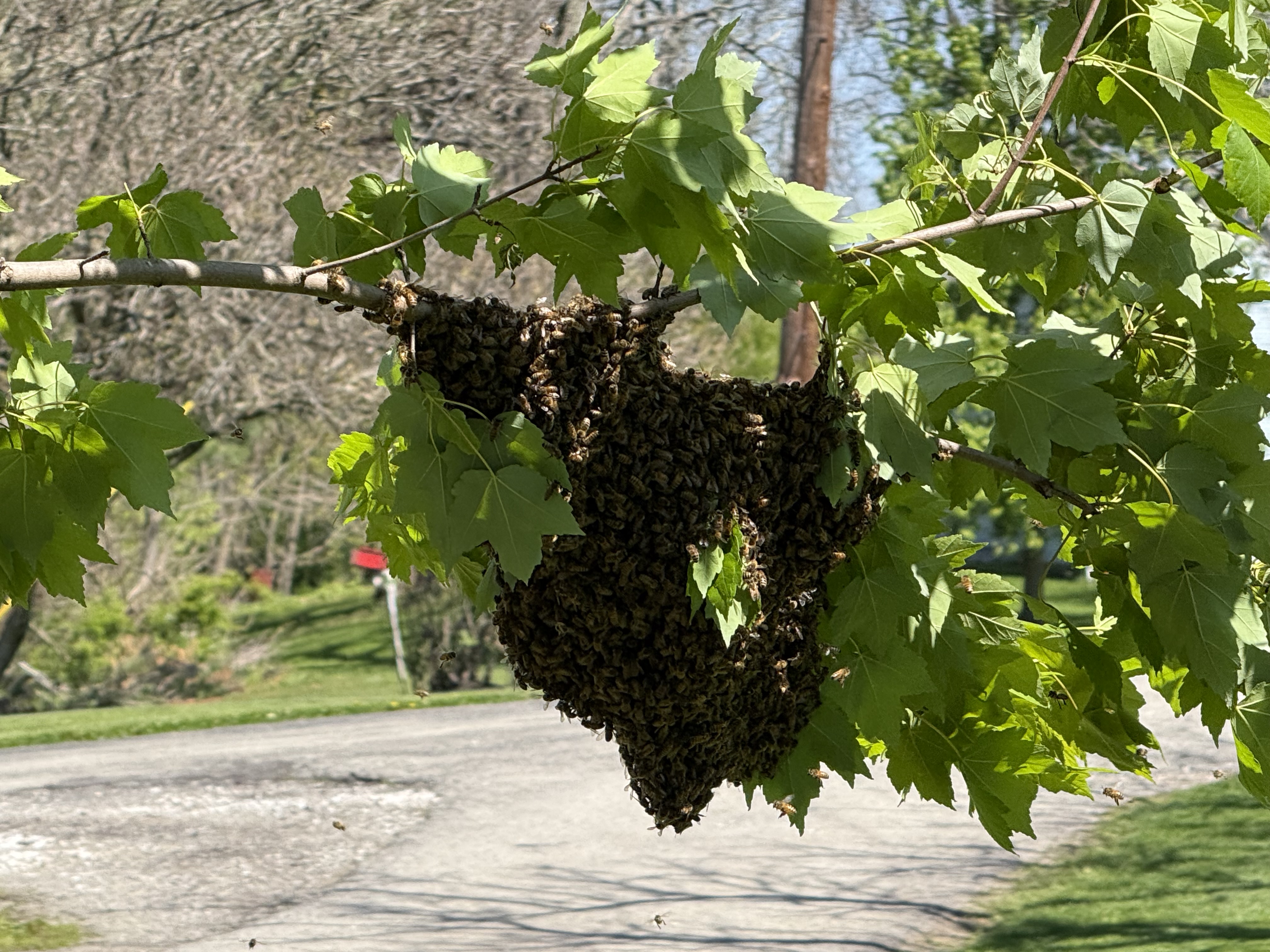
As spring unfolds across California, the familiar hum of honey bees signals a crucial period for both agriculture and urban ecosystems. From the almond groves of the Central Valley to the gardens of Los Angeles, this is the season of swarming—a honey bee colony's natural method of reproduction. While this phenomenon is essential for bee survival, a swarm clustered on a public mailbox in San Diego or a tree branch in a San Francisco park requires a rapid, skilled response. This is where California's dedicated beekeepers become essential frontline defenders of our most important pollinators.
The state's agricultural output depends heavily on honey bee pollination, and protecting these insects is a shared responsibility. For beekeepers, swarm season represents a significant opportunity: a chance to rescue valuable local bee genetics, expand their apiaries, and serve their communities.
The Urban Swarm: A Coordinated Response from Beekeepers
In densely populated areas like Los Angeles and the Bay Area, a honey bee swarm can cause public alarm. Although swarming bees are typically docile—having gorged on honey and lacking a home to defend—their appearance can be intimidating. A coordinated network is the most effective tool for ensuring these bees are safely rescued.
Effective swarm removal in California hinges on speed and expertise. A swarm is a transient colony in search of a permanent home and will typically move on within 24 to 72 hours. A quick response from a local beekeeper ensures the bees are relocated to a managed apiary before they establish themselves in an undesirable location, like the wall of a house.
This is where the power of a connected community comes into play. With over 600 beekeepers on the Swarmed network in California alone, a robust infrastructure is already in place. Last season, this dedicated group successfully responded to over 1,800 swarm reports across the state, showcasing a powerful, collaborative effort to protect honey bees.
Setting Professional Expectations: Swarm vs. Cutout
A critical role for any beekeeper is educating the public on the difference between a swarm rescue and an established colony removal. This distinction manages expectations and reinforces the beekeeper's professionalism.
- Swarm Rescue: This involves collecting a temporary, exposed cluster of bees. Because these bees are a valuable resource for beekeepers looking to grow their apiaries, this service is almost always provided free of charge. Swarms are a welcome addition for any beekeeper.
- Established Colony Removal (Cutout): If a swarm has already moved into a structure—such as a wall, chimney, or irrigation box—and has begun building comb, the situation changes. The removal process becomes a 'cutout,' which is a far more complex and labor-intensive task. It often requires specialized equipment, carpentry skills to access the colony, and structural repairs afterward. For this reason, cutouts are a paid service, and beekeepers should provide a fair quote based on the complexity, time, and materials required.
By clearly communicating these differences, beekeepers build trust and establish themselves as experts in their field.
Join a Statewide Network of Beekeepers
For California beekeepers, the Swarmed network provides a direct and efficient way to connect with local swarm reports. It eliminates the need to monitor scattered social media posts or rely on word-of-mouth. The system is designed to support beekeepers, whether they manage a small backyard apiary or a larger commercial one.
The benefits of joining are clear and tangible:
- Grow Your Apiary: Access healthy, locally adapted bees to expand your operation and increase your colony count.
- Receive Free, Local Alerts: Get instant text or email notifications for swarms reported in your specific service area.
- No Commitment Required: You are in complete control. Respond only to the swarm alerts that fit your schedule and capacity.
- Strengthen the Beekeeping Community: Participate in a statewide effort to protect honey bees and provide a valuable service to the public.
Preparing Your Apiary for Swarm Season
To make the most of the spring bee activity, proactive preparation is key. Having your equipment ready ensures you can respond to an alert safely and effectively.
- Ready Your Equipment: Ensure you have spare hive bodies, bottom boards, lids, and frames with foundation or drawn comb ready to go. A dedicated swarm capture box or nuc is invaluable.
- Set Swarm Traps: Position swarm traps (sometimes called bait hives) in and around your apiary. A few drops of lemongrass essential oil can act as an effective lure to attract passing swarms.
- Monitor Your Own Colonies: Perform regular inspections to watch for signs of swarm preparation, such as the presence of queen cells. Proactive management can help you prevent losing your own bees.
By preparing in advance, you can seamlessly integrate rescued swarms into your apiary, strengthening your genetic stock and increasing your potential for honey production or pollination services.
Be Part of the Solution
The rising trend of swarm reports in California highlights a growing need for skilled beekeepers to step in and help. Each rescued swarm is a victory for pollination, for local agriculture, and for the honey bee population at large.
The need for skilled beekeepers for swarm removal in California is growing. By joining the Swarmed network, you become part of a statewide solution, protecting pollinators while growing your own apiary. You'll receive free, no-commitment alerts for local swarms. Sign up today and be ready for the next call: https://beeswarmed.org/beekeeper-signup (opens in a new tab).