
A Beekeeper's Guide to Swarm Season in California
California's Golden Opportunity: Harnessing the Spring Swarm For beekeepers across California, the arrival of spring signals more than just almond blossoms and wildflo...
Read More...May 18, 2026
Home > Blog > Massachusetts Swarm Patrol: Why Boston's Beekeepers Are Ready
May 6, 2026
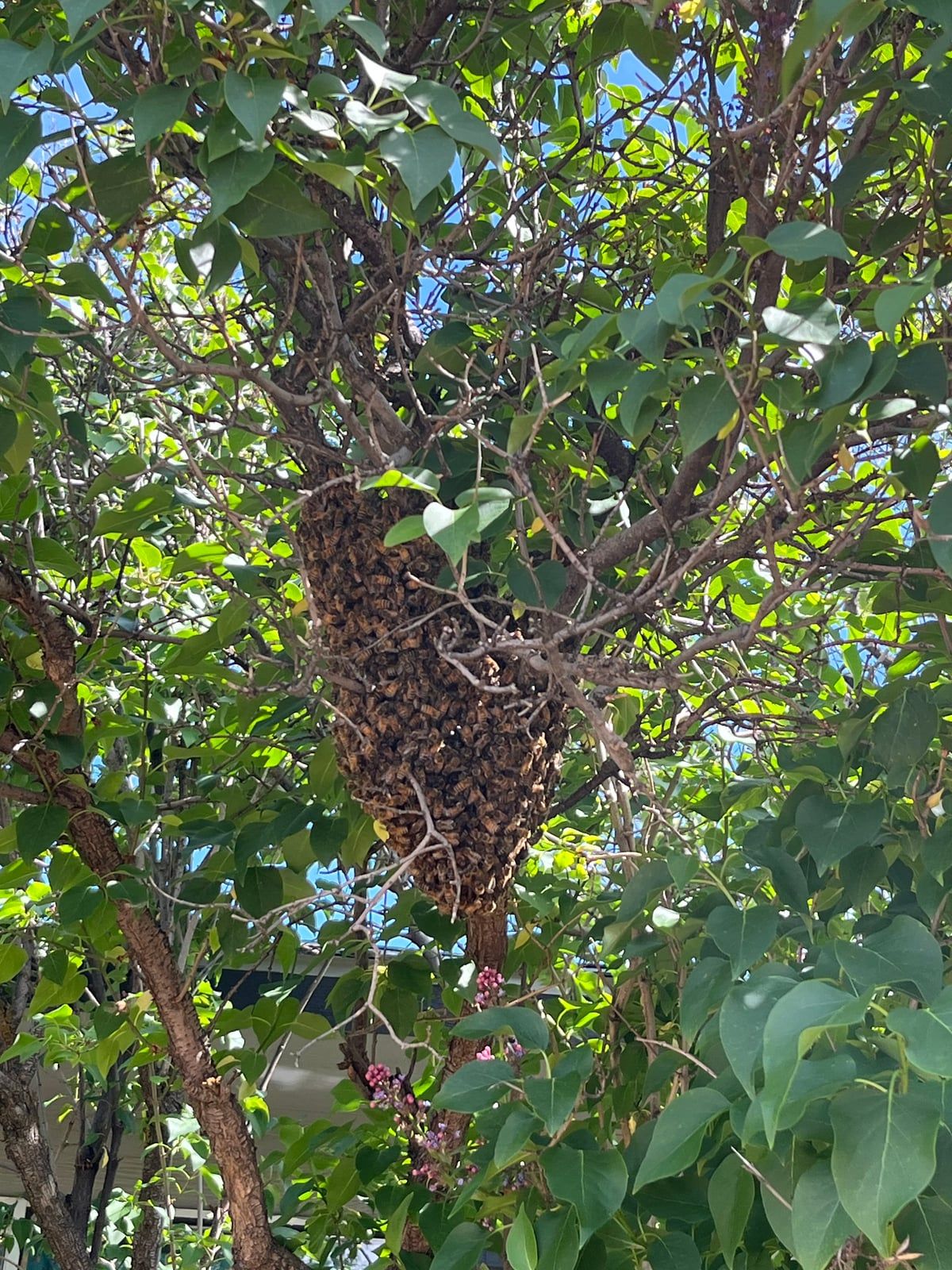
As the days lengthen and temperatures rise across Massachusetts, the familiar hum of honey bees returns. For beekeepers, this signals the start of one of the most dynamic times of the year: swarm season. From the dense neighborhoods of Boston to the sprawling suburbs of Worcester and Springfield, this natural phenomenon is a sign of healthy, thriving honey bee populations. It also presents a critical opportunity for local beekeepers to play the role of first responders, safely rehoming these valuable pollinators.
A honey bee swarm is a remarkable sight. It’s a temporary, transient cluster of thousands of bees, including a queen, that has left its original hive to establish a new one. This is the bees' natural method of reproduction. Despite their intimidating appearance, swarming bees are typically at their most docile. Having filled up on honey for their journey, they have no brood or honeycomb to defend, making their rescue a straightforward process for a knowledgeable beekeeper.
In urban and suburban landscapes, however, a swarm clustered on a park bench, a street sign, or a front porch can cause public alarm. An efficient and rapid response is essential not only to protect the bees but also to reassure the community. This is where the organized efforts of Massachusetts beekeepers become indispensable. Their expertise ensures that these swarms are rescued safely and given a new, managed home where they can continue their vital pollination work.
Historically, local beekeeping clubs have been the communication hub for swarm alerts. A group like a Boston beekeeper association would rely on phone trees or email chains to dispatch a member when a swarm was reported. While effective, these methods can have delays, and the alert might not reach the beekeeper who is closest or most available at that moment.
In a fast-paced season, every minute counts. A swarm might only remain in one location for a few hours before moving on. A coordinated, real-time alert system provides a distinct advantage, instantly notifying a wide network of beekeepers about a swarm's location. The impact of such a connected network is significant. In Nevada, for example, just five registered beekeepers were able to rescue over 100 swarms last season, demonstrating how efficient communication empowers even a small group to achieve great results.
It is also vital for beekeepers to help the public understand the difference between a swarm rescue and a more complex removal. A swarm is a temporary cluster, and its rescue is typically a free service provided by beekeepers who want the bees. If bees have already moved into a wall or attic and have built comb, this is an established colony. Removing it is a specialized service known as a 'cutout' that requires carpentry skills and tools. Beekeepers should provide a fair quote for this labor-intensive work based on its complexity.
For Massachusetts beekeepers, swarm season is a prime opportunity to grow their apiaries with genetically diverse, locally adapted bees. Rescued swarms are often robust and ready to build comb and gather nectar immediately. By adding them to your apiary, you acquire a healthy, productive colony without the cost of purchasing a package or nuc.
Participating in a swarm rescue network offers several key benefits:
The Swarmed network is a tool designed to connect the public directly with local beekeepers like you through free, real-time text alerts. When someone reports a swarm in your designated area, you immediately receive a notification with the location and contact details. This streamlined process eliminates delays and increases the chances of a successful rescue.
This spring, be part of the solution. By joining the Swarmed network, you gain access to free, no-commitment swarm alerts in your immediate area. It's a powerful way to expand your apiary with healthy, local bees while providing an essential service to your community. Position yourself at the forefront of swarm rescue in Massachusetts.
Sign up today at https://beeswarmed.org/beekeeper-signup to start receiving local alerts.
California's Golden Opportunity: Harnessing the Spring Swarm For beekeepers across California, the arrival of spring signals more than just almond blossoms and wildflo...
Read More...May 18, 2026
A Beekeeper's Guide to Swarm Collection in Idaho Spring has arrived in the Gem State, and with it, the unmistakable hum of honey bee swarms. For beekeepers, this is a...
Read More...May 18, 2026