
A Beekeeper's Guide to Swarm Season in California
California's Golden Opportunity: Harnessing the Spring Swarm For beekeepers across California, the arrival of spring signals more than just almond blossoms and wildflo...
Read More...May 18, 2026
Home > Blog > South Dakota Bee Swarm Season: A Guide for Residents
May 6, 2026
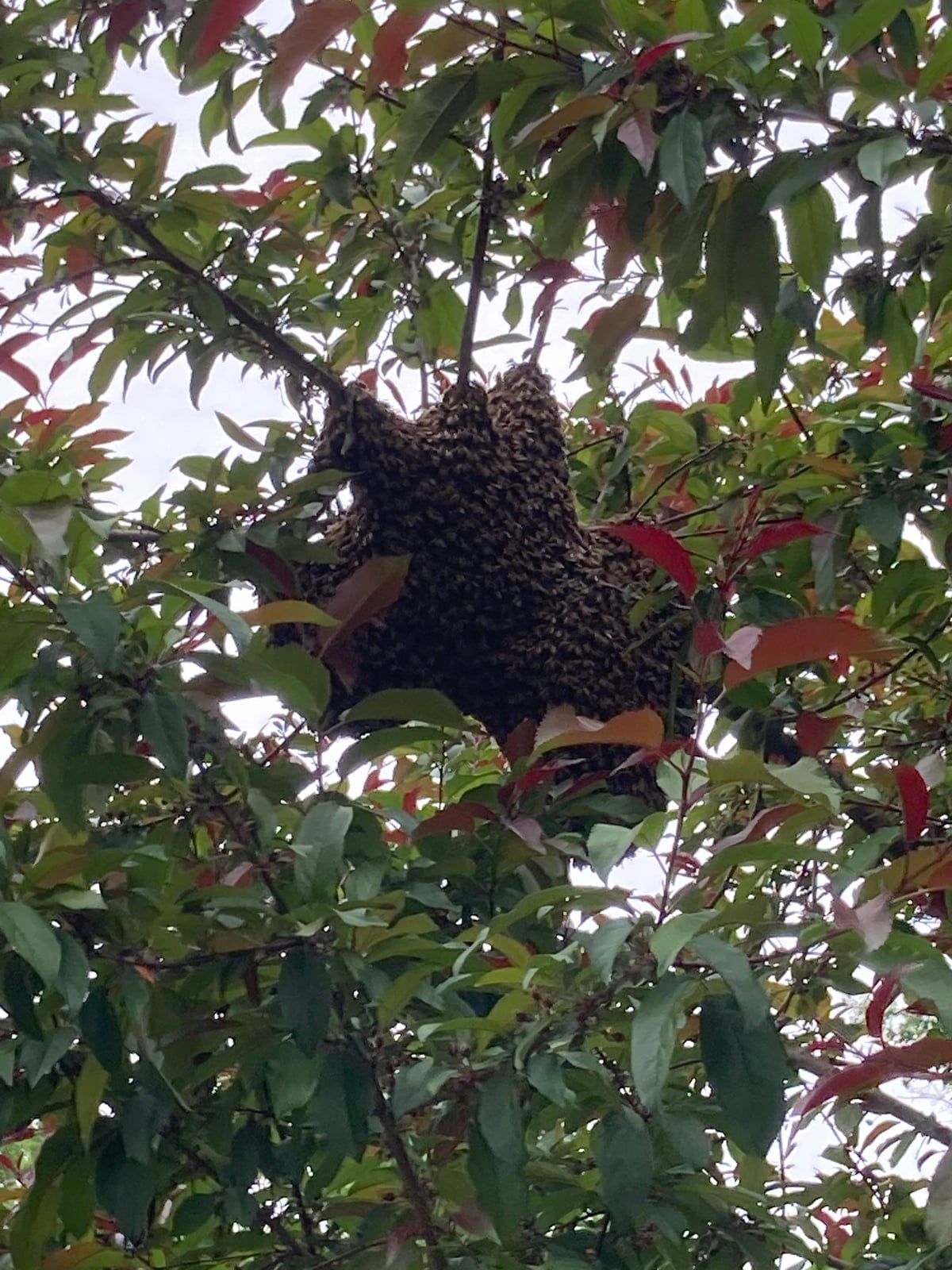
Across South Dakota, from the bustling streets of Sioux Falls to the historic avenues of Pierre and the gateways of Rapid City, the arrival of spring signals a vibrant renewal of life. As temperatures rise and wildflowers begin to bloom, another natural and fascinating event unfolds: the start of the South Dakota bee swarm season. Seeing a large cluster of honey bees can be startling, but it’s a sign of a healthy, thriving pollinator population and a critical moment where community action can make a real difference.
This guide will help you understand why honey bees swarm, how to identify them, and what simple steps you can take to help these essential pollinators find a new home safely with the help of local beekeepers.
A honey bee swarm is the natural way a colony reproduces. In spring, when a hive becomes strong and crowded, the old queen will leave with about half of the worker bees to establish a new home. The bees left behind will raise a new queen to continue the original colony. This process ensures the survival and genetic propagation of the species.
In South Dakota, the primary swarm season typically begins in late spring, usually from late April through June, when nectar and pollen sources are abundant. A healthy, booming colony has the resources to split, and this is their moment. Far from being a sign of trouble, a swarm is an indicator of a successful hive and a healthy local environment.
Correctly identifying the type of bee situation you are observing is the most important step in getting the right help. The distinction determines whether the resolution will be a simple, free collection or a more complex, paid removal service.
A swarm is a temporary resting spot for bees in transit. Here’s what to look for:
Because beekeepers value these healthy, ready-made colonies, the collection of a honey bee swarm is almost always a free service. Local beekeepers are eager to provide these bees with a safe, managed hive.
If bees have already moved into a permanent home, the situation is entirely different. This is known as an established hive or colony.
Removing an established colony is a complex and labor-intensive process called a “cutout.” It often requires specialized equipment and carpentry skills to open the structure, carefully remove the bees and comb, and then repair the damage. Because of this complexity, a cutout is a paid service, and a beekeeper will provide a fair quote based on the difficulty and time required.
When you see a swarm, you have a unique opportunity to help. Swarmed is a non-profit platform that connects people who find swarms with local, experienced beekeepers who can rescue them. Our network ensures these valuable pollinators are rehomed in a managed apiary where they can thrive.
The power of a connected community is immense; in other states, our beekeeper network has been alerted to and helped rescue over 100 swarms in a single season, ensuring those bees found a safe new home.
Dr. Elara Vance, Chief Entomologist at Swarmed, highlights the public's crucial role. "Every swarm reported is a direct contribution to local biodiversity and agriculture," she states. "When a resident in Sioux Falls or a farmer near Pierre reports a swarm, they are not just solving a potential nuisance; they are providing a local beekeeper with a healthy, viable colony. These bees will go on to pollinate crops and gardens, strengthening the entire ecosystem. It’s a powerful act of community science and conservation."
If you encounter a swarm, follow these simple steps:
Once your report is submitted, nearby beekeepers on the Swarmed network receive an immediate notification. One will claim the swarm and contact you to coordinate a safe and efficient rescue.
This spring, as you enjoy the beauty of a South Dakota renewal, keep an eye out for honey bee swarms. By knowing what to look for and how to respond, you become an essential partner in protecting these vital insects. Reporting a swarm does more than just remove bees from your property; it supports local beekeepers, strengthens our agricultural systems through pollination, and preserves the health of our environment.
If you see a swarm, don't wait. Help a local beekeeper give those bees a new home. Your simple action protects a honey bee colony and contributes to a healthier South Dakota for everyone. Visit Swarmed to report a swarm and be a part of the solution.
California's Golden Opportunity: Harnessing the Spring Swarm For beekeepers across California, the arrival of spring signals more than just almond blossoms and wildflo...
Read More...May 18, 2026
A Beekeeper's Guide to Swarm Collection in Idaho Spring has arrived in the Gem State, and with it, the unmistakable hum of honey bee swarms. For beekeepers, this is a...
Read More...May 18, 2026