
A Beekeeper's Guide to Swarm Season in California
California's Golden Opportunity: Harnessing the Spring Swarm For beekeepers across California, the arrival of spring signals more than just almond blossoms and wildflo...
Read More...May 18, 2026
Home > Blog > South Carolina Bee Swarm Calendar: Your Spring Guide
May 6, 2026
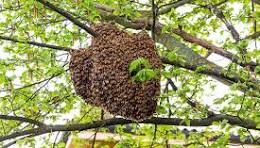
As spring unfolds across South Carolina, from the warm coastal breezes of Charleston and Myrtle Beach to the rolling hills of Greenville and the Midlands around Columbia, the landscape comes alive. This season also marks a crucial event in the life of honey bees: swarm season. Seeing a large cluster of bees can be startling, but it represents a natural and vital process for bee populations. Understanding the South Carolina bee swarm calendar and knowing what to do can help you protect these essential pollinators and support your local community.
Swarming is the honey bee's method of reproduction at the colony level. A healthy, growing colony splits in two, with the old queen leaving with about half the worker bees to find a new home. This remarkable event ensures the survival and expansion of the species.
While there isn't a fixed, day-by-day calendar, the timing of bee swarms in South Carolina follows a predictable pattern based on climate and geography. The season typically begins as temperatures consistently warm up and flowering plants provide abundant nectar and pollen.
The peak for the entire state usually occurs during the height of the spring nectar flow. This is a time of abundance, providing the new swarm with the resources it needs to build a new home quickly.
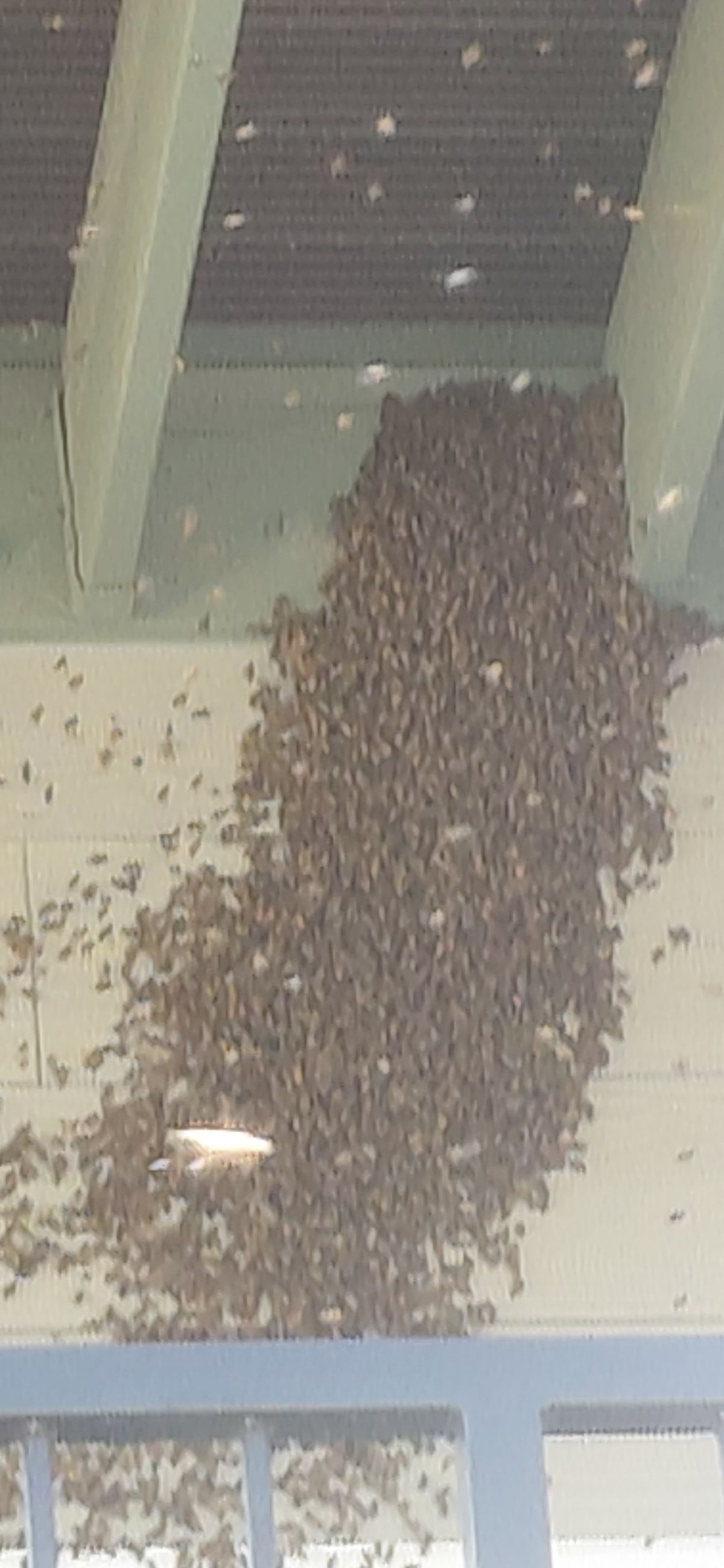
Correctly identifying a honey bee swarm is the first step to helping them. A swarm is a temporary, transient cluster of bees.
Key characteristics of a swarm:
It is crucial to distinguish a swarm from an established colony. If you see bees flying in and out of a specific opening—like a crack in a wall, a hole in a tree, or a vent on a roof—they have already moved in. This is no longer a swarm; it's an established hive with honeycomb, baby bees (brood), and food stores. These bees will be defensive of their home.
Understanding the difference between a swarm and an established colony is important because it determines the type of help needed and whether there is a cost involved.
Swarm Rescue (Often Free): Because a swarm is a cluster of healthy bees in need of a home, local beekeepers are eager to provide one. For a beekeeper, rescuing a swarm is a straightforward way to start a new apiary or strengthen an existing one. They can usually brush the bees into a box and transport them to a new hive. This service is typically offered free of charge by the beekeeping community.
Established Colony Removal (A Paid Service): Removing an established colony from a structure is a much more complex and labor-intensive job known as a "cutout." It requires specialized skills and tools, often including carpentry to open a wall or roof, carefully remove the honeycomb, and then repair the structure. This is a professional service, and beekeepers will provide a fair quote based on the complexity, location, and time required for the removal and repairs.
When you see a honey bee swarm, you have an opportunity to perform a valuable community service. The best course of action is to keep a safe distance, take a picture if you can, and report it. The Swarmed platform connects people who find swarms with local, registered beekeepers ready to help.
The system is designed to be fast and efficient. In some active states, our beekeeper network has responded to over 100 swarm alerts in a single season, highlighting the power of community reports in saving bees. By reporting a swarm, you are not just solving a potential nuisance; you are:
If you see a cluster of bees that has not yet moved into a structure, please report it. A local beekeeper can often arrive quickly to provide the bees with a safe and managed home, ensuring they continue their important work as pollinators.
Your simple action can make a significant difference. To report a honey bee swarm and connect with a beekeeper in your area, visit the Swarmed reporting page at https://beeswarmed.org/report-bee-colony. The report is free to submit and is the most effective way to help the bees and your community.
California's Golden Opportunity: Harnessing the Spring Swarm For beekeepers across California, the arrival of spring signals more than just almond blossoms and wildflo...
Read More...May 18, 2026
A Beekeeper's Guide to Swarm Collection in Idaho Spring has arrived in the Gem State, and with it, the unmistakable hum of honey bee swarms. For beekeepers, this is a...
Read More...May 18, 2026