How Many Bees Are in a Swarm? A Guide to Reporting
That Buzzing Cloud in Your Yard: Understanding Honey Bee Swarms It’s a sight that can be both awe inspiring and unsettling: a large, buzzing mass of thousands of honey...
Read More...May 31, 2026
Home > Blog > 5 Signs a Bee Swarm is Nearby (And What to Do Next)
May 31, 2026
As the days grow longer and flowers begin to bloom, you might notice more honey bees buzzing about. This increased activity sometimes leads to one of nature’s most fascinating spectacles: a honey bee swarm. While a cloud of thousands of bees can seem alarming, it’s a natural and beautiful process that signals a healthy, thriving honey bee population.
Understanding what a swarm is and how to react can help you play a vital role in protecting these essential pollinators and supporting your local beekeeping community.
A honey bee swarm is a method of reproduction for a honey bee colony. When a colony becomes too large for its current home, the original queen bee leaves with about half of the worker bees to find a new one. The bees left behind will raise a new queen to continue the original colony.
The bees that leave are in a transitional state. They are not aggressive because they have no home, no honey, and no young bees (brood) to defend. Before leaving, they fill up on honey, making them docile and focused solely on finding their next home. This is a vulnerable time for them, and they need to find a suitable location quickly.
Recognizing the signs of a swarm can help you know what to expect and what to do. Here are five key indicators that a swarm is in your vicinity.
One of the first signs is auditory. You might hear an unusually loud, low-pitched humming or buzzing sound. This is the collective sound of tens of thousands of bees vibrating their wing muscles as they fly together. The sound is distinct from the typical buzz of a few foraging bees and can be quite impressive.
Perhaps the most dramatic sign is seeing a swirling vortex or "cloud" of bees moving through the air. This flying group can be dense and may seem chaotic, but it is a colony on the move, with the queen protected in the center. They are following scout bees toward a temporary resting spot.
Before the full swarm arrives, you might see scout bees investigating your property. These are experienced forager bees tasked with finding a suitable new home. You may spot them checking out hollow trees, compost bins, birdhouses, or small openings in the eaves or walls of your home.
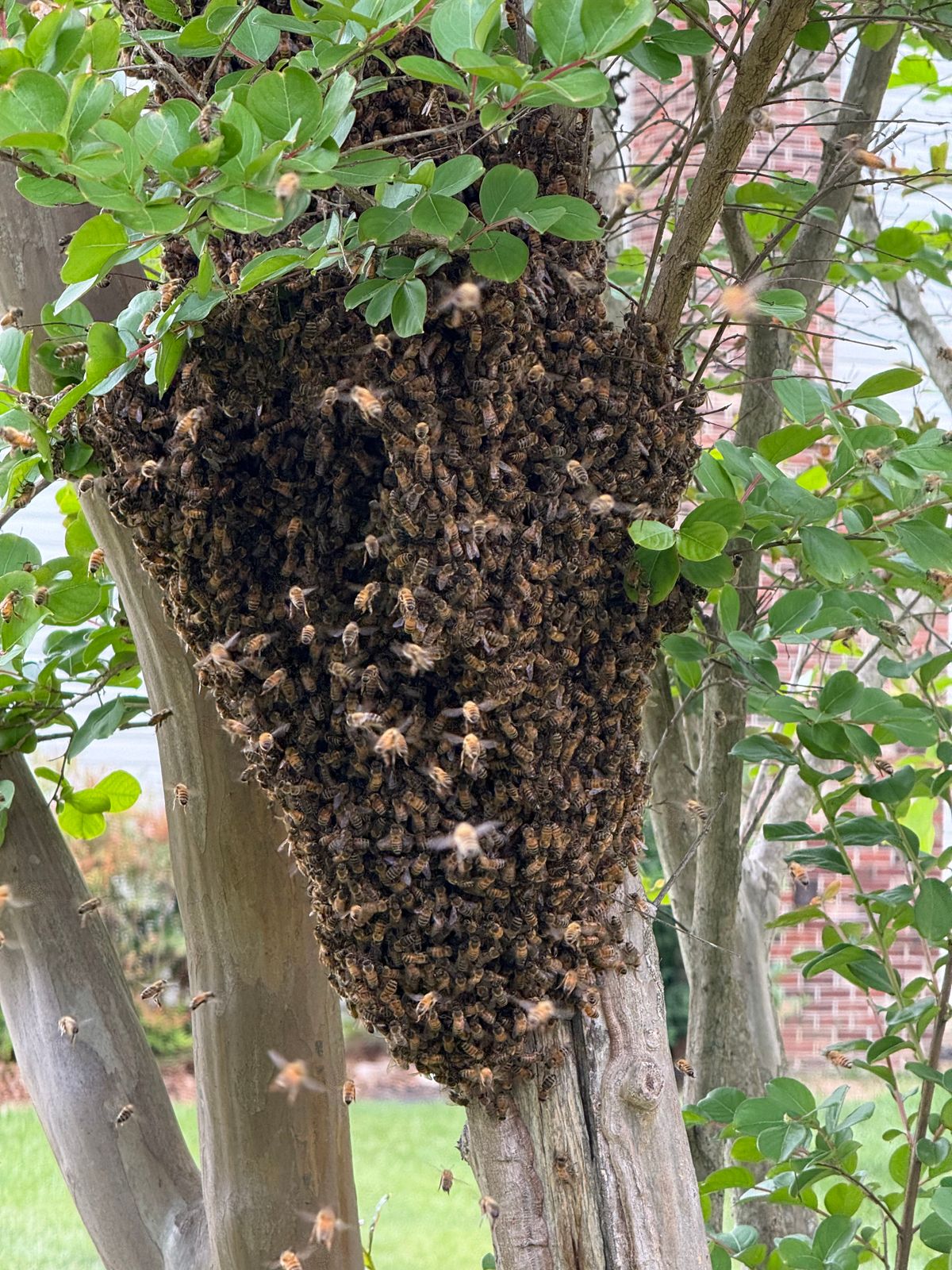
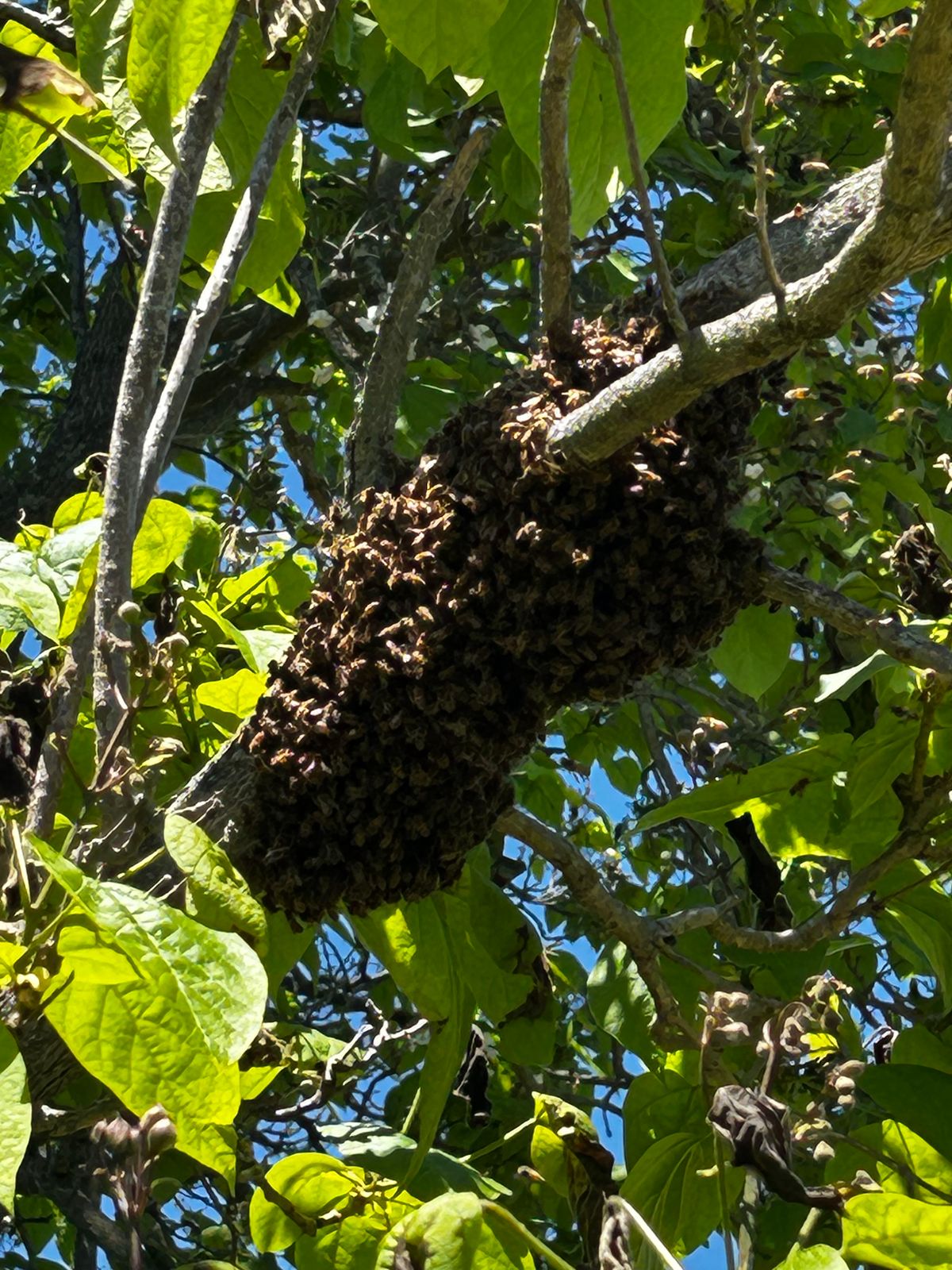
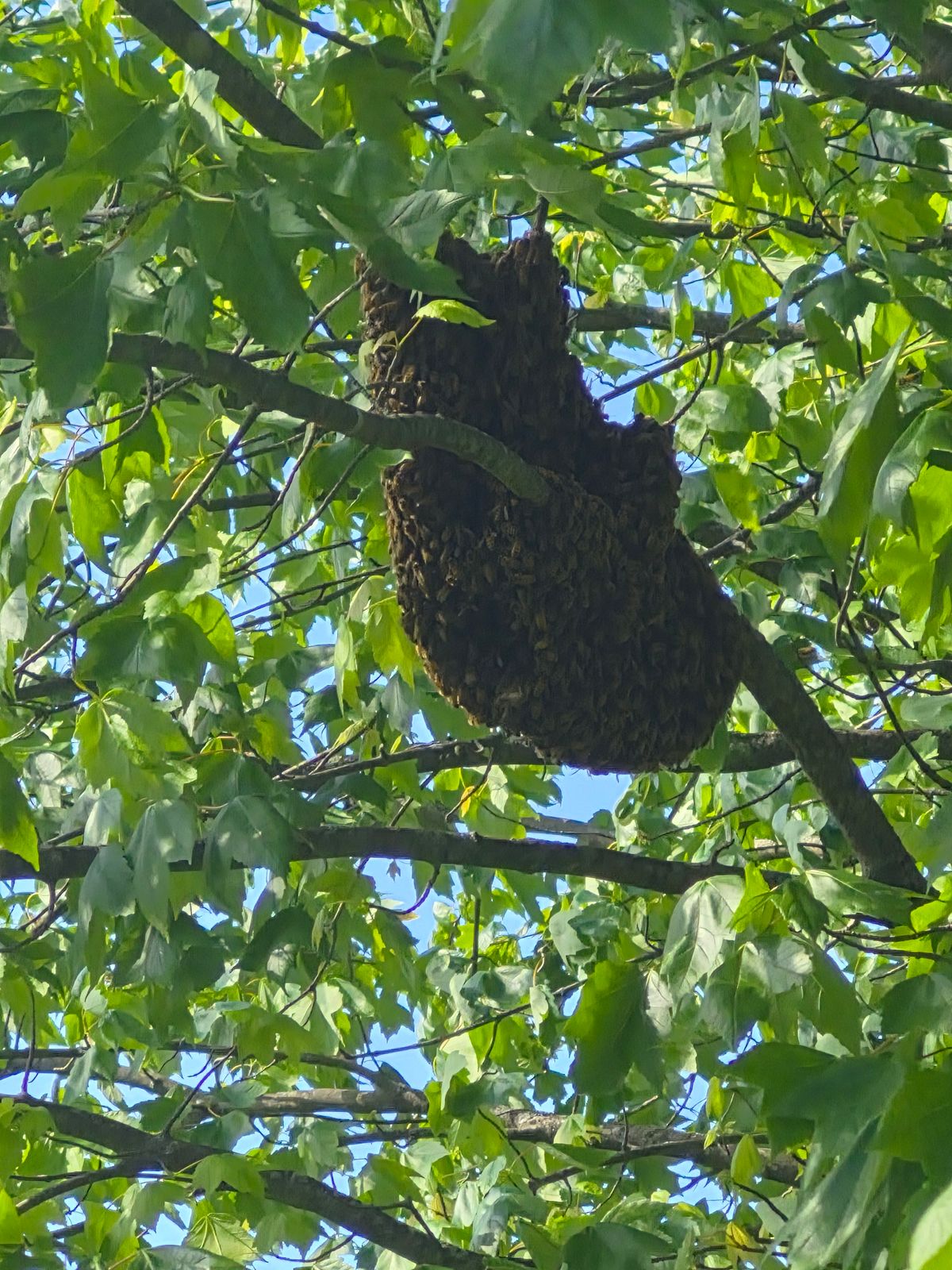
After leaving their original hive, the swarm will find a temporary place to rest while the scout bees finalize the location of their new, permanent home. They will form a dense cluster, often shaped like a ball or a teardrop, clinging to a tree branch, fence post, mailbox, or another surface. This cluster can range from the size of a grapefruit to a basketball. The bees are protecting their queen and conserving energy.
If you notice a sudden and significant increase in the number of bees flying around a specific area, it could be a precursor to a swarm or a sign that one has recently settled nearby. This is different from the normal comings and goings of foraging bees from an established hive.
If you see any of these signs, your next steps are simple and can make a huge difference for the bees' survival.
First, keep a calm and safe distance. While swarming bees are docile, they are still wild animals. Observe them from afar and keep pets and children away to ensure the bees remain undisturbed.
Second, do not spray them with water, pesticides, or anything else. A swarm is a temporary phenomenon; the bees will typically move on within 24 to 72 hours once their scouts have found a permanent home. Harming them is unnecessary and detrimental to the local ecosystem.
Finally, it's important to identify what you are seeing.
For a temporary swarm, the best and most helpful action is to report it. Networks like Swarmed connect the public with local beekeepers who are eager to safely and humanely rescue the bees. These beekeepers will come and give the swarm a new, managed home in a proper hive box where they can thrive.
Reporting a swarm is easy. You can provide the location and a few details to help a local beekeeper find and rescue the colony. Community reports are invaluable; last spring, they helped beekeepers rescue over 100 vulnerable swarms in states like Nevada, strengthening local apiaries and protecting pollinators.
To help a swarm in your area, you can report it here: Report a Honey Bee Colony (opens in a new tab).
Your report is a direct line to a community of helpers ready to spring into action. By taking a few moments to share what you’ve seen, you become a crucial part of the solution for honey bee survival.
Your quick report helps the hive survive and supports the people who care for them. Instead of becoming a potential nuisance, the swarm becomes a valued addition to a local apiary, where it can continue its important work of pollination. If you see a swarm, don't wait. Lend a helping hand by contacting your local beekeeping community through the Swarmed network. You can make a real difference for bees and beekeepers alike by reporting your sighting at https://beeswarmed.org/report-bee-colony (opens in a new tab).
That Buzzing Cloud in Your Yard: Understanding Honey Bee Swarms It’s a sight that can be both awe inspiring and unsettling: a large, buzzing mass of thousands of honey...
Read More...May 31, 2026
Spring brings warmer weather, blooming flowers, and one of nature’s most fascinating spectacles: the honey bee swarm. Seeing a large, buzzing cluster of thousands of b...
Read More...May 31, 2026
