How Many Bees Are in a Swarm? A Guide to Reporting
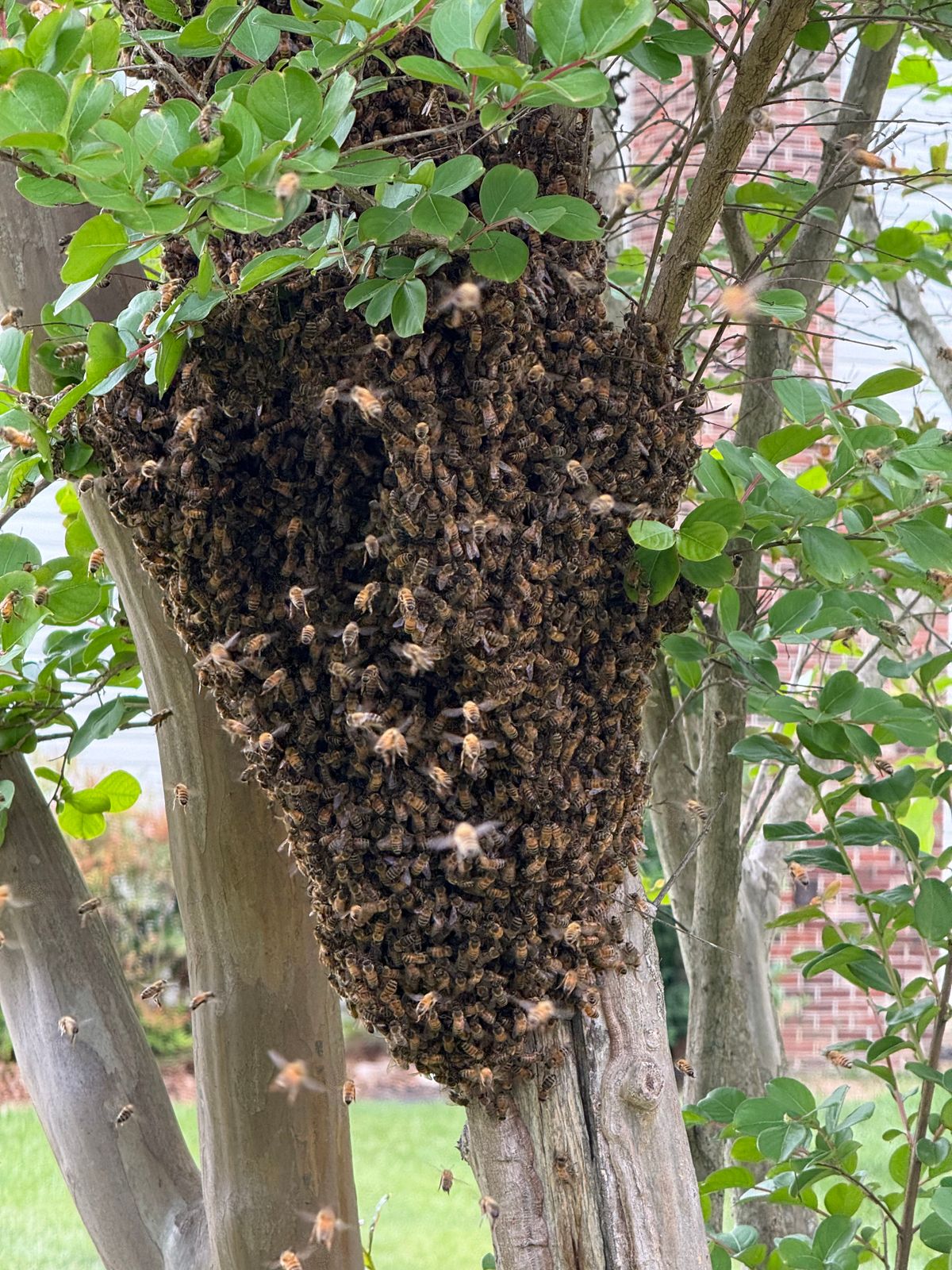
That Buzzing Cloud in Your Yard: Understanding Honey Bee Swarms It’s a sight that can be both awe inspiring and unsettling: a large, buzzing mass of thousands of honey...
Read More...May 31, 2026
Home > Blog > Found a Bee Swarm? A Guide to Safe Reporting and Removal
May 31, 2026
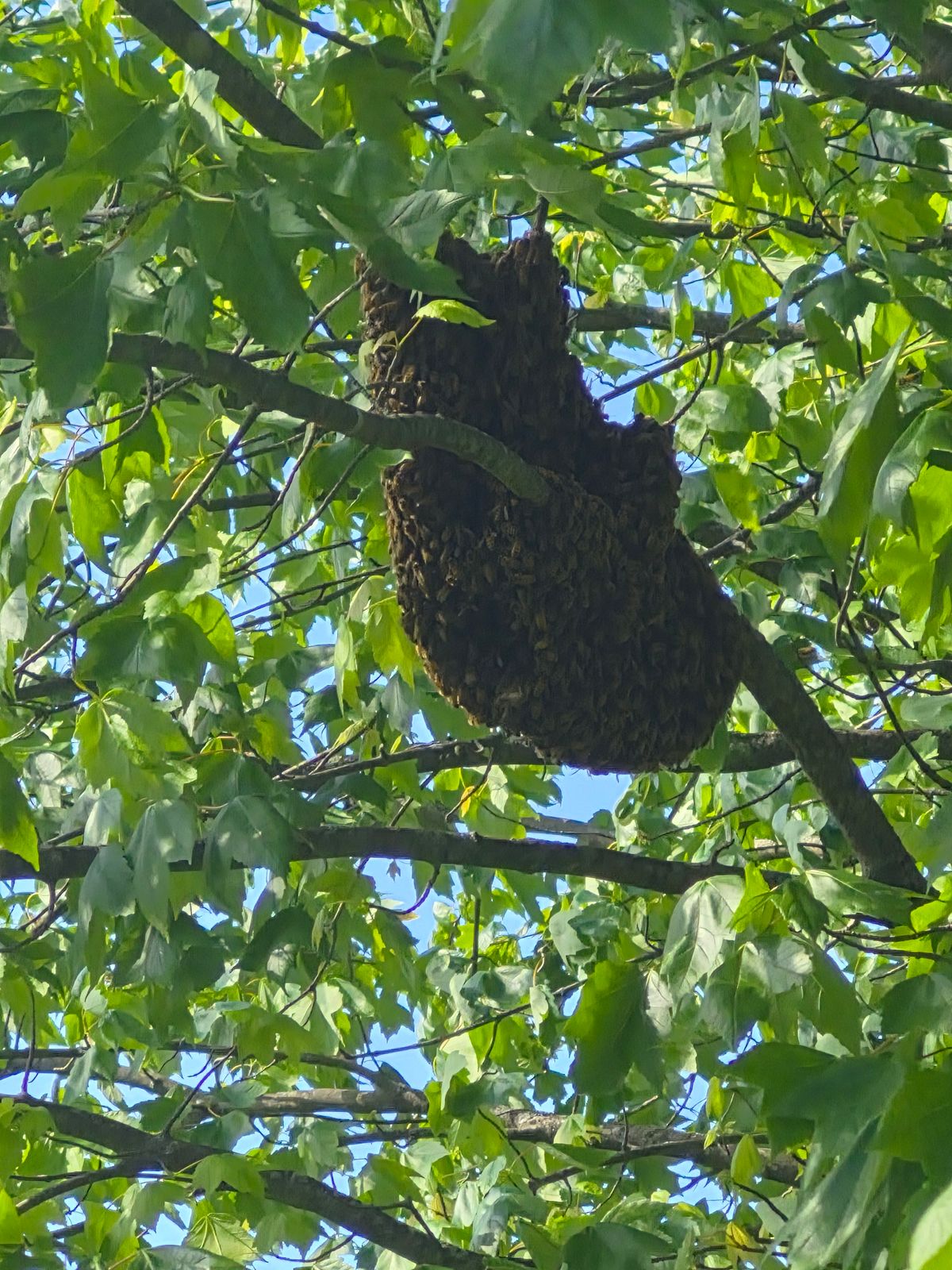
Spring brings warmer weather, blooming flowers, and one of nature’s most fascinating spectacles: the honey bee swarm. Seeing a large, buzzing cluster of thousands of bees hanging from a tree branch or fence post can be an intimidating sight. However, this is a natural and vital part of the honey bee life cycle, and understanding what’s happening is the first step toward a safe and positive outcome for both the bees and your community.
This guide will walk you through what a bee swarm is, why it happens, and the simple, safe steps you can take to help these essential pollinators.
A bee swarm is a colony of honey bees in transition. It is the natural method honey bees use to reproduce and create a new colony. The process begins when an existing hive becomes overcrowded. The old queen bee leaves the hive with about half of the worker bees, while a new queen prepares to hatch and take over the original home.
This traveling group, or “swarm,” will find a temporary resting place—like a tree limb, a park bench, or the side of a building—while scout bees search for a suitable permanent home. Here are the key characteristics of a swarm:
Understanding these points is crucial because it demystifies the event. A swarm is not an attack; it is a colony peacefully looking for a new home.
One of the most important distinctions for the public to understand is the difference between a swarm and an established hive. How you handle the situation—and whether removal is free—depends entirely on this difference.
Recognizing this difference helps you know what to expect when you call for help.
If you encounter a swarm, you are in a unique position to help. Follow these simple steps to ensure the safety of everyone involved—including the bees.
Reporting a swarm is more than just solving a problem; it is an act of community stewardship. Every report contributes to a healthier ecosystem. In regions like Nevada, community reports helped beekeepers rescue over 100 swarms last season, protecting vital pollinators and supporting local agriculture.
Here’s why your action matters:
When you see a swarm, you have an opportunity to be a hero for the honey bees. Your quick and simple report can be the difference between a colony that perishes and one that thrives, pollinating local gardens and farms for years to come.
If you see a cluster of bees, take a moment to assess the situation. Is it an exposed, temporary swarm or bees moving in and out of a structure? Once you've identified it as a swarm, the solution is simple and safe.
Become a part of the solution by connecting these valuable pollinators with someone who can give them a safe home. Your simple action protects bees, supports local beekeepers, and contributes to a healthier environment for everyone. If you have found a swarm, please report the bee swarm today (opens in a new tab) and make a difference.
That Buzzing Cloud in Your Yard: Understanding Honey Bee Swarms It’s a sight that can be both awe inspiring and unsettling: a large, buzzing mass of thousands of honey...
Read More...May 31, 2026
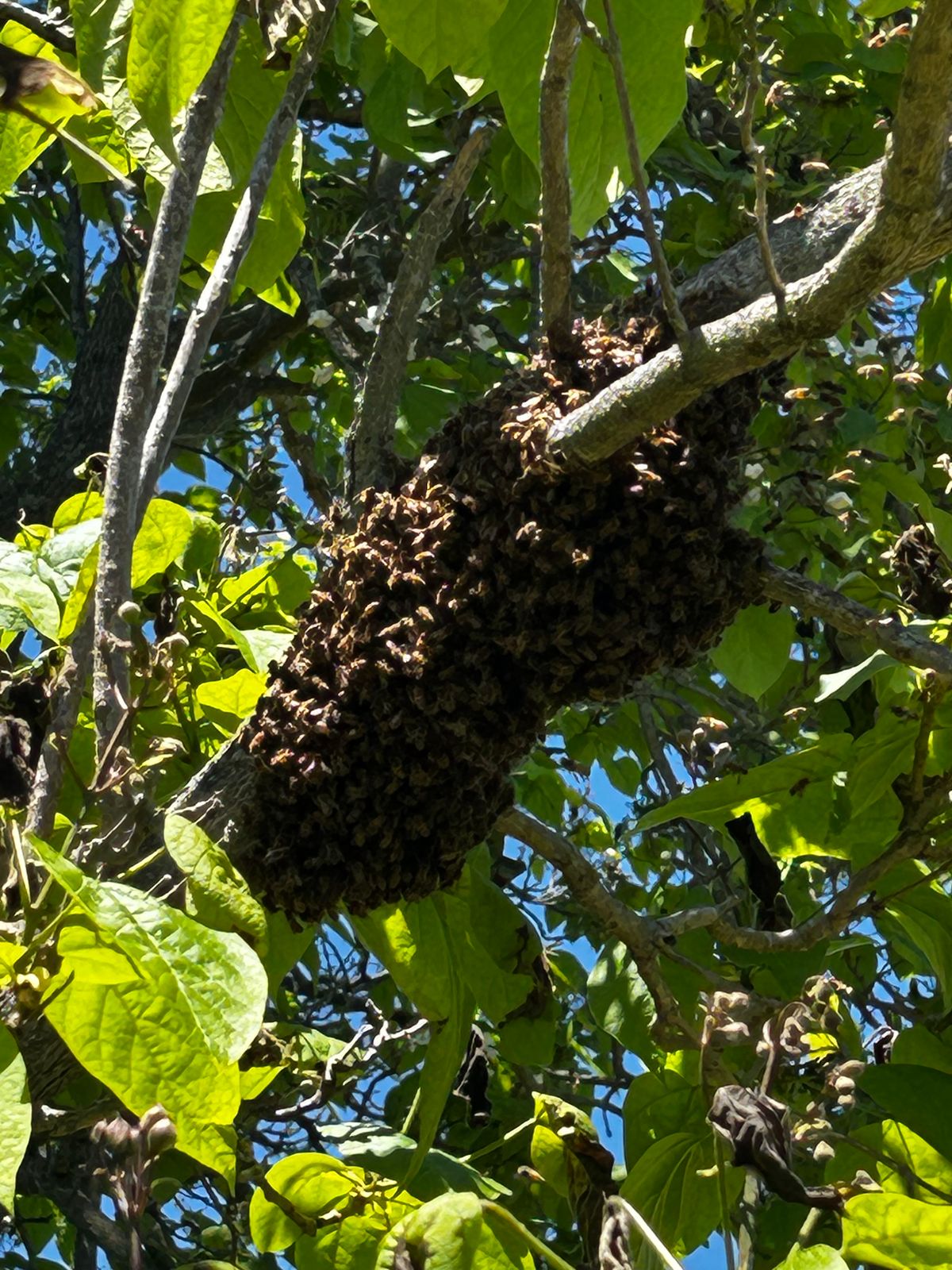
As the days grow longer and flowers begin to bloom, you might notice more honey bees buzzing about. This increased activity sometimes leads to one of nature’s most fas...
Read More...May 31, 2026
