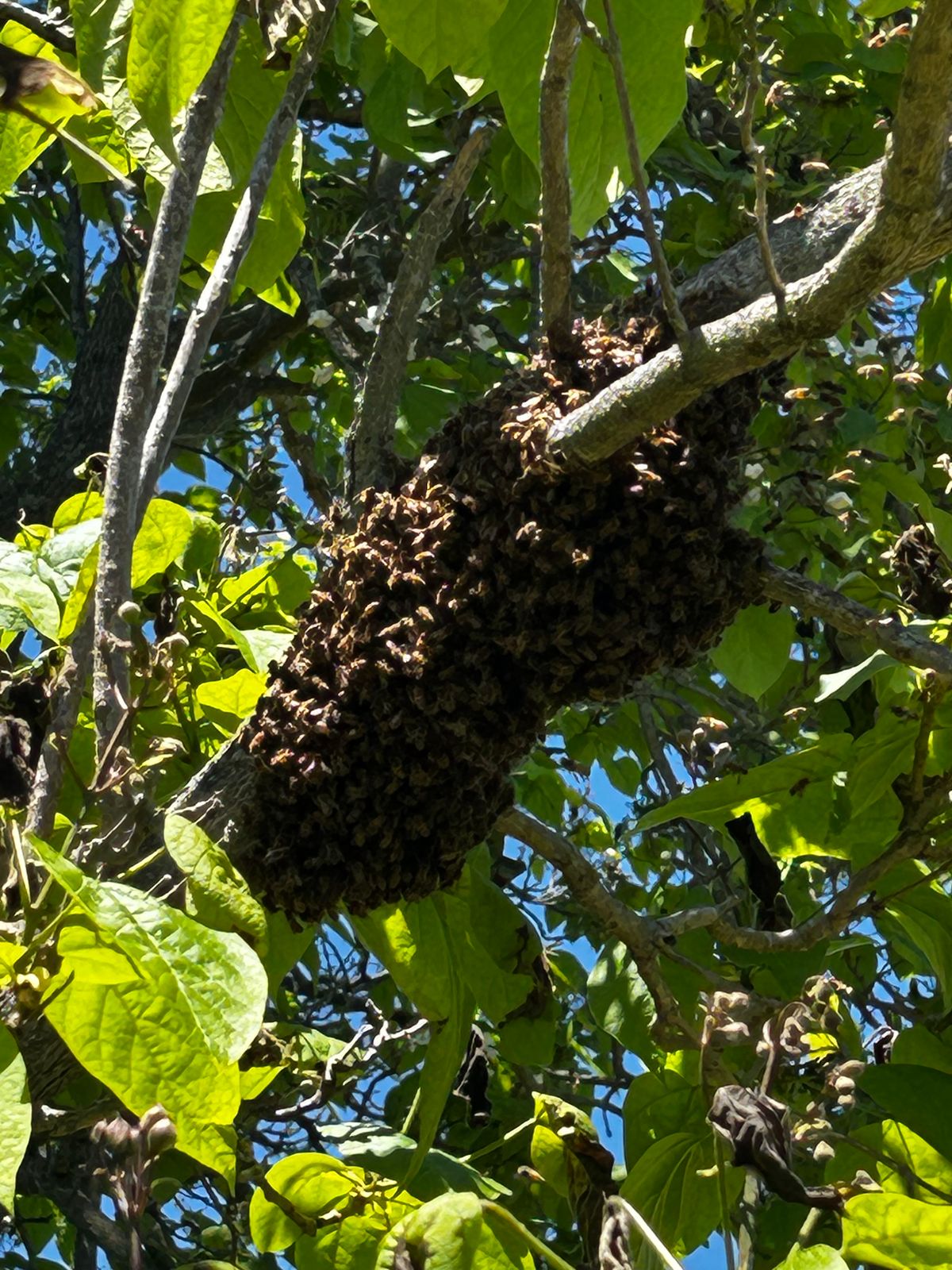
5 Signs a Bee Swarm is Nearby (And What to Do Next)
As the days grow longer and flowers begin to bloom, you might notice more honey bees buzzing about. This increased activity sometimes leads to one of nature’s most fas...
Read More...May 31, 2026
Home > Blog > How Many Bees Are in a Swarm? A Guide to Reporting
May 31, 2026
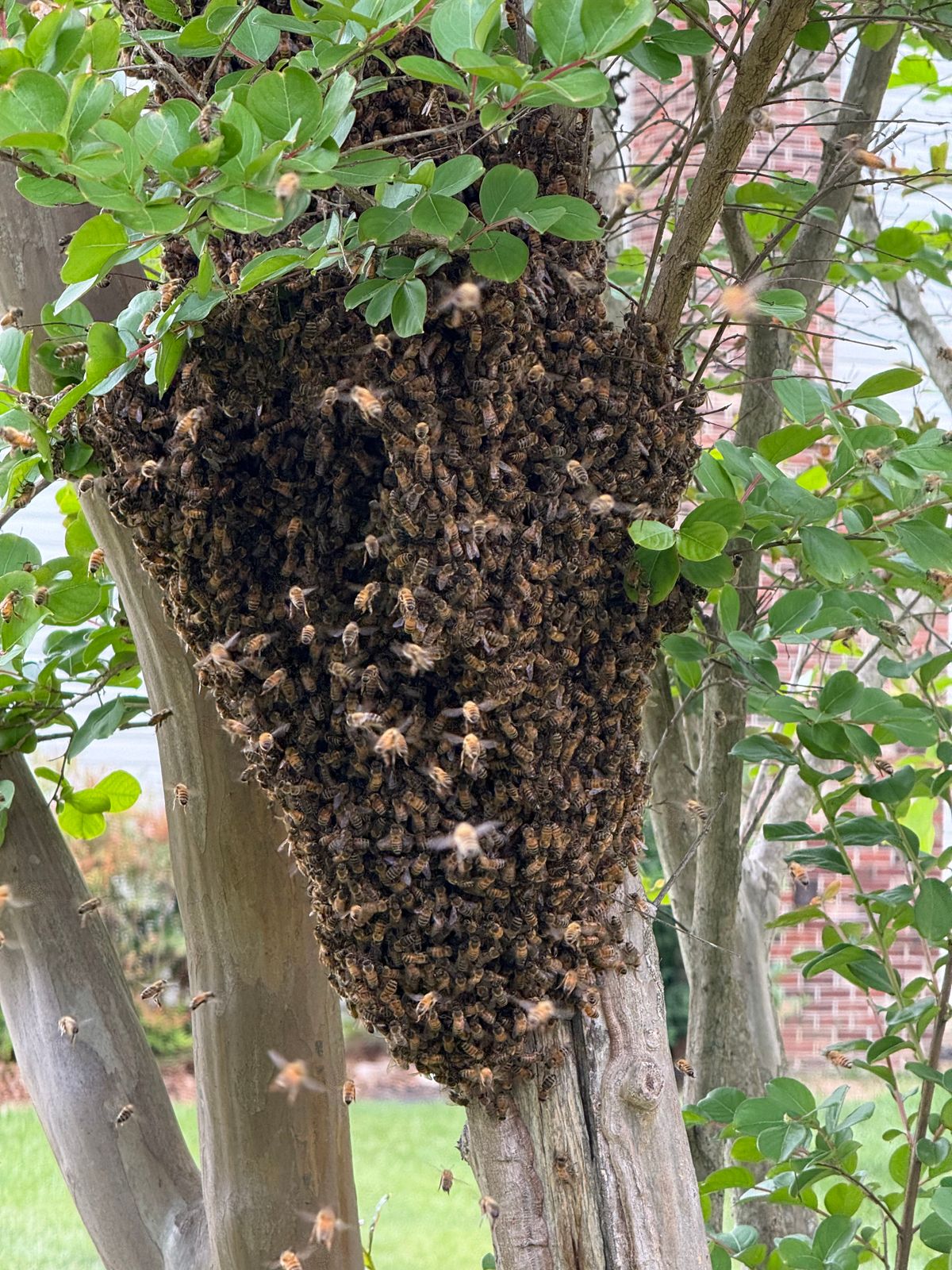
It’s a sight that can be both awe-inspiring and unsettling: a large, buzzing mass of thousands of honey bees clustered on a tree branch, a fence post, or the side of a building. Your first instinct might be alarm, but this phenomenon, called a swarm, is a natural and fascinating part of the honey bee life cycle. It’s also a critical moment where your quick action can help protect these essential pollinators.
Seeing a swarm is a sign of a healthy, growing honey bee population. It means a nearby colony has become so successful that it’s ready to reproduce at the colony level. The old queen leaves with about half of the worker bees to establish a new home, leaving the original colony behind with a new queen. The cluster you see is a temporary resting spot while scout bees search for a suitable permanent residence.
So, just how many bees are in that swirling cluster? The answer varies, but a typical honey bee swarm contains anywhere from 10,000 to 30,000 individual bees. This massive group includes one queen bee, her dedicated court of attendants, and thousands of female worker bees.
The size of the swarm directly relates to the strength and size of the colony it came from. A large, thriving colony will produce a larger swarm. While it’s impossible to get an exact count without specialized equipment, you can provide a very helpful, science-based estimate to the beekeeper who comes to help. Instead of guessing a number, you can report its size by comparing it to a common object. This simple description gives a beekeeper crucial information about the equipment they’ll need.
Here’s a simple way to describe a swarm’s size:
When you report a swarm, mentioning its size in these terms is incredibly valuable. It helps the responding beekeeper prepare appropriately to safely rescue the entire colony.
Despite their intimidating appearance, bees in a swarm are at their most docile. They have no home, no baby bees (brood), and no honey stores to defend. Their primary focus is on protecting the queen and finding a new home. Before leaving their original hive, each bee filled its honey stomach with as much honey as it could carry—enough to last for several days. Engorged with honey and focused on their mission, they are not interested in stinging.
While you should always keep a respectful distance, there is no need to panic or spray the bees with pesticides. Doing so would needlessly kill thousands of pollinators and is entirely unnecessary. The swarm is a temporary phenomenon, typically moving on within 24 to 72 hours once the scout bees have found a permanent home.
Understanding the difference between a swarm and an established colony is essential, as it directly impacts the type of help you need and whether the service is free.
Swarm rescue is normally free. However, if bees have established a hive in your wall or another structure, removal requires specialized skills. Expect the beekeeper to provide a fair quote based on the complexity, time, and repairs needed. You can then accept or reject the quote. This is a professional service, not a simple rescue.
By reporting a swarm, you are playing an active role in conservation. Honey bees face numerous threats, and every rescued swarm is a colony given a chance to thrive in a managed apiary. Your report connects these vulnerable bees with a local beekeeper who can provide a safe home.
The impact of community reporting is significant. In communities across the globe, citizen alerts make a huge difference. Last season in Nevada, for example, beekeepers on the Swarmed network responded to over 100 swarm alerts, providing safe homes for these vital pollinators and preventing them from moving into undesirable locations.
When you report a bee colony through Swarmed (opens in a new tab), you are not just solving a problem in your backyard; you are contributing to the health of your local ecosystem and supporting the beekeepers who manage these incredible insects.
When you find a swarm, follow these simple steps:
Once you have this information, you’re ready to make a report that will quickly and effectively connect the bees with a local expert.
Seeing a swarm of honey bees is a unique opportunity to participate in a positive story for our environment. Instead of reaching for a can of pesticide, reach for your phone or computer. By reporting the swarm, you ensure the bees are safely relocated by a knowledgeable beekeeper, support your local beekeeping community, and help protect a species that is vital to our food supply. If you see a swarm, please help protect them by reporting the bee colony to our network of local beekeepers (opens in a new tab).
As the days grow longer and flowers begin to bloom, you might notice more honey bees buzzing about. This increased activity sometimes leads to one of nature’s most fas...
Read More...May 31, 2026
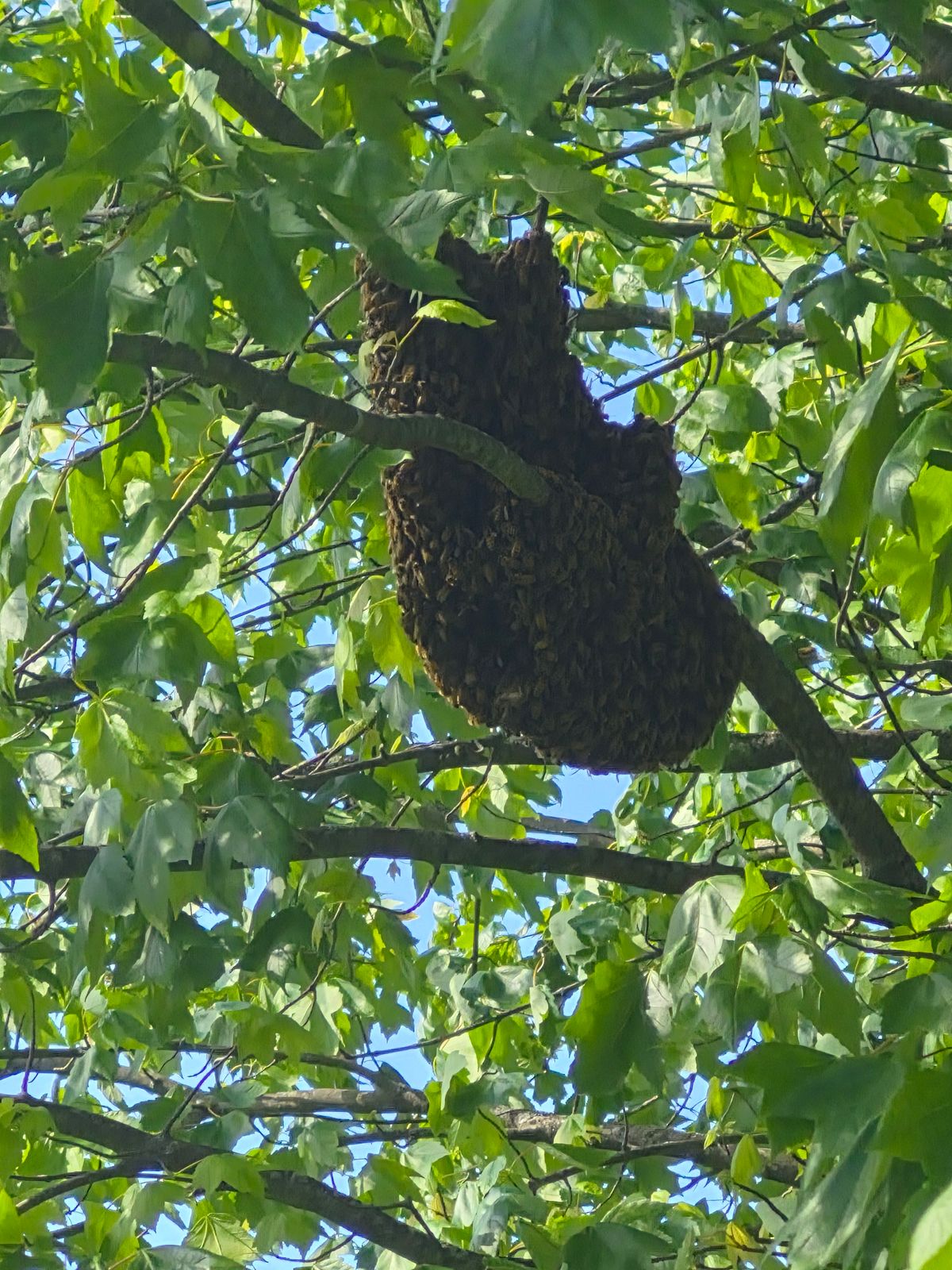
Spring brings warmer weather, blooming flowers, and one of nature’s most fascinating spectacles: the honey bee swarm. Seeing a large, buzzing cluster of thousands of b...
Read More...May 31, 2026
