
A Beekeeper's Guide to Swarm Season in California
California's Golden Opportunity: Harnessing the Spring Swarm For beekeepers across California, the arrival of spring signals more than just almond blossoms and wildflo...
Read More...May 18, 2026
Home > Blog > Rhode Island Bee Swarm Removal: A Guide for Spring
May 6, 2026
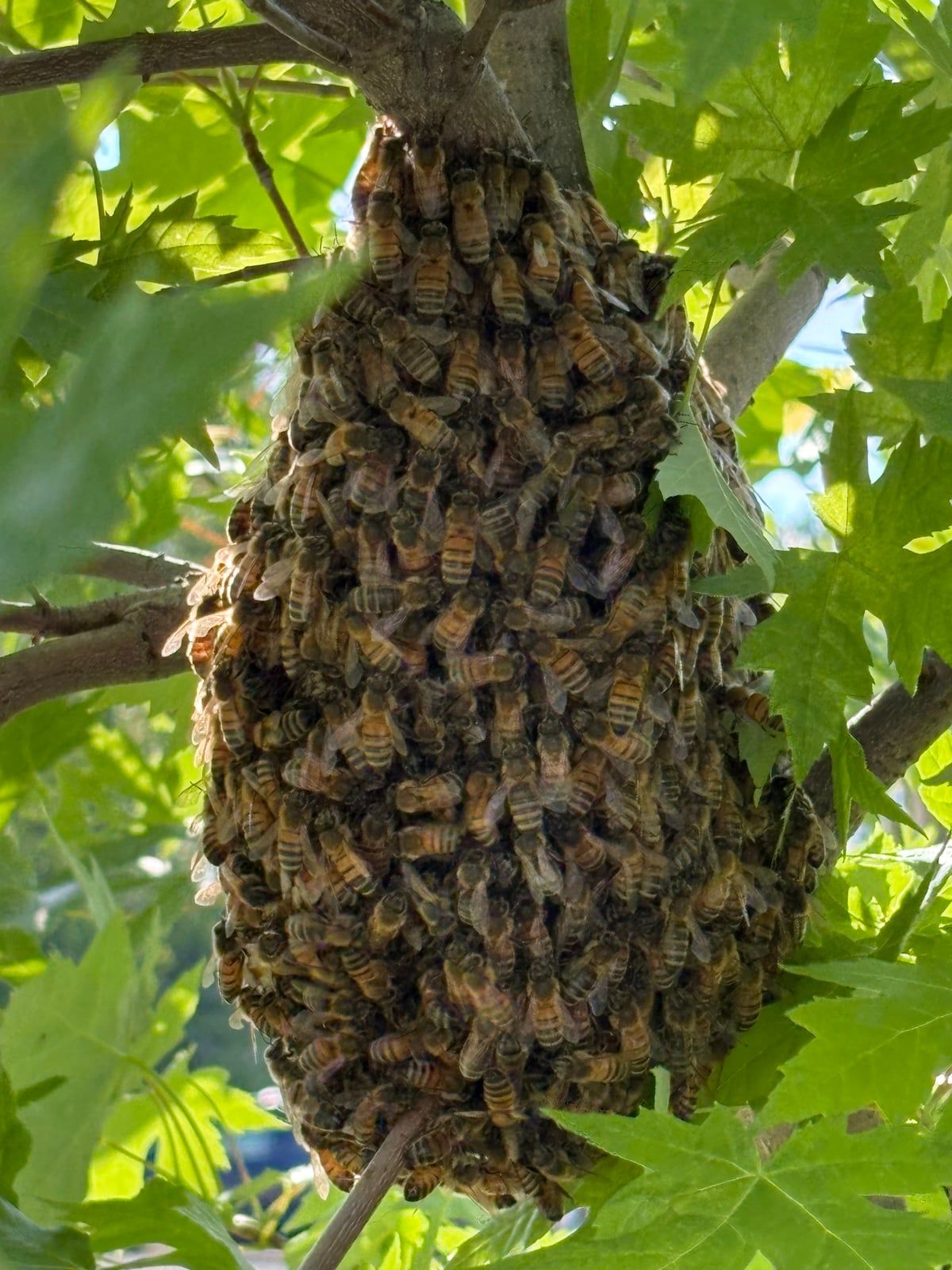
As the New England landscape awakens, residents across Rhode Island, from the bustling streets of Providence to the coastal communities of Warwick and Newport, will notice an increase in honey bee activity. This is a sign of a healthy ecosystem, and one of the most remarkable displays of this revival is the honey bee swarm. While a large cluster of bees can seem alarming, it’s a natural and fascinating process. Understanding what a swarm is and how to respond is key to protecting these vital pollinators and supporting your local community.
This guide provides essential information on Rhode Island's spring swarm season, clarifies the difference between a temporary swarm and an established colony, and explains how you can facilitate a safe rescue through the Swarmed network.
A honey bee swarm is a natural part of the colony's life cycle—it is how they reproduce. In the spring, when a healthy hive becomes overcrowded, the old queen will leave with about half of the worker bees to find a new home. The bees left behind will raise a new queen to continue the original colony.
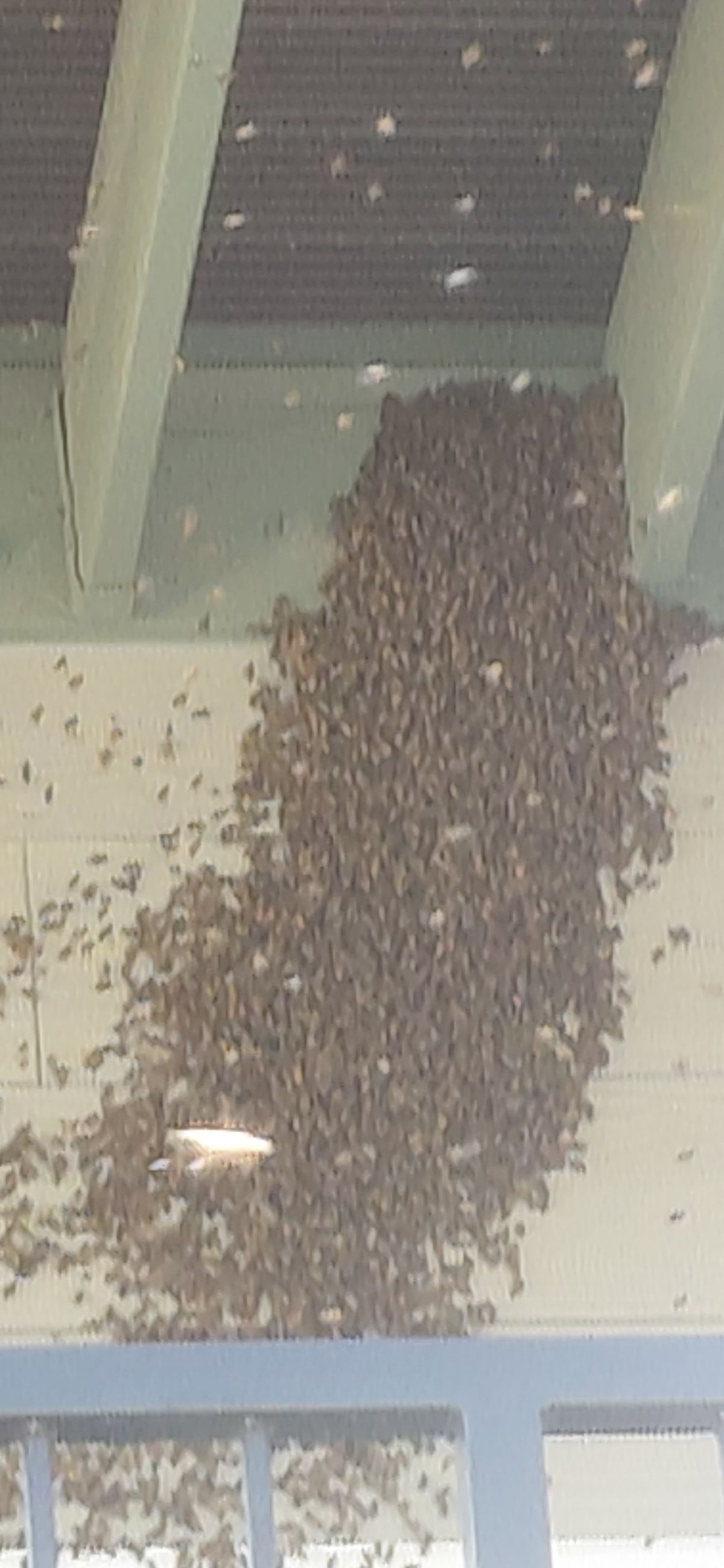
The bees that leave form a large, swirling cloud before settling into a temporary cluster on a tree branch, fence post, or another surface. This cluster, known as a swarm, can contain usually between 5,000 and 20,000 bees. Their primary mission is to protect the queen at the center while scout bees search for a suitable permanent home, like a hollow tree.
It’s important to know that bees in a swarm are surprisingly docile. Before leaving their old hive, they fill their stomachs with honey to fuel their journey. With no home, brood, or food stores to defend, they have little reason to be aggressive. They are simply resting and waiting for a new permanent address.
One of the most critical distinctions for the public to understand is the difference between a swarm and an established honey bee colony. This difference determines the complexity, cost, and method of removal.
A swarm is a temporary cluster of bees hanging in the open. They have not yet built any wax comb. Because they are docile and looking for a home, local beekeepers are eager to provide one. They see swarms as a valuable and healthy addition to their apiaries.
An established hive is a colony that has moved into a structure and started building a home. They have built wax comb for storing honey and raising young bees (brood). Once they have a home to protect, their behavior changes.
In Rhode Island, honey bee swarm activity typically peaks in late spring as the weather warms consistently and nectar sources become abundant. The longer days and blooming flowers signal to the bees that it's the ideal time to expand. You are most likely to spot swarms on warm, sunny afternoons.
Swarms can appear anywhere, from urban gardens in Providence to suburban backyards in Warwick and historic properties in Newport. They are a sign of successful, thriving honey bee populations in your area. While the sight can be surprising, it presents a wonderful opportunity to help these essential pollinators.
If you see a honey bee swarm, the most important thing to do is keep a safe distance and not disturb it. Never spray a swarm with water or insecticide. These bees are a valuable resource, and there is a safe, community-driven solution for them.
The Swarmed network connects people who find swarms with local Rhode Island beekeepers who can provide them with a new home. Our platform is designed to facilitate the rapid and safe rescue of honey bee swarms, protecting both the bees and the public. The power of a connected community is immense; in active states like Nevada, our network has responded to over 100 swarm reports in a single season, ensuring those colonies were rescued rather than exterminated.
By reporting a swarm, you are initiating a process that benefits everyone. The bees are given a managed hive where they can thrive, local beekeepers can strengthen their apiaries, and our shared environment benefits from more healthy pollinators.
When you report a swarm through Swarmed, you are doing more than just solving a problem—you are actively participating in bee conservation. Here’s how the process works and why it’s so effective:
This simple process ensures that a valuable natural resource isn’t lost. For beekeepers, a healthy swarm is a gift—a new, vibrant colony that can produce honey and pollinate local crops and gardens.
Using the Swarmed platform for Rhode Island bee swarm removal is free for the public. To help us maintain our service and continue our mission to protect honey bees, we ask for an optional suggested contribution of $12 when you file a report. This support helps keep our network running efficiently for communities across the country.
This spring, when you see a honey bee swarm in your Rhode Island community, you’ll know exactly what it is: a colony in transition, looking for a new beginning. By staying calm and taking the right steps, you can become a crucial part of their journey.
Help protect these incredible pollinators and support your local beekeepers. If you see a swarm, don't wait.
**Report the swarm to connect with a local beekeeper for a safe rescue: https://beeswarmed.org/report-bee-colony (opens in a new tab)
California's Golden Opportunity: Harnessing the Spring Swarm For beekeepers across California, the arrival of spring signals more than just almond blossoms and wildflo...
Read More...May 18, 2026
A Beekeeper's Guide to Swarm Collection in Idaho Spring has arrived in the Gem State, and with it, the unmistakable hum of honey bee swarms. For beekeepers, this is a...
Read More...May 18, 2026