A Beekeeper's Guide to Swarm Rescue in Nevada
The Untapped Opportunity for Nevada Beekeepers Nevada’s unique landscape, from the sprawling suburbs of Las Vegas and Reno to its agricultural valleys, creates a dynam...
Read More...May 18, 2026
Home > Blog > Reporting a Bee Swarm in New Jersey: What Happens Next
May 18, 2026
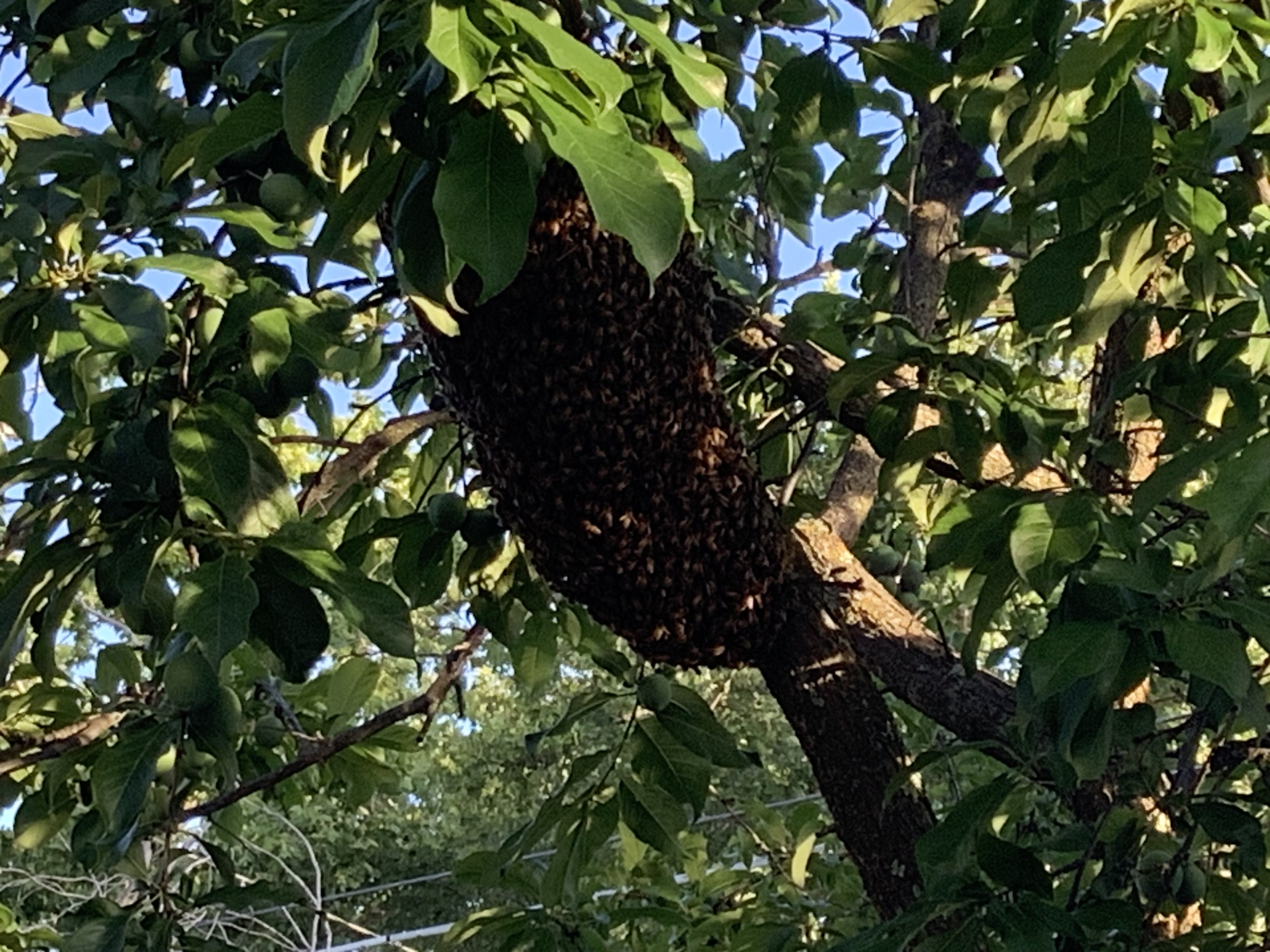
Spring in the Garden State brings blooming flowers, warmer days, and the occasional, surprising sight of a honey bee swarm. A buzzing, swirling mass of bees clustered on a tree branch or fence post can be an intimidating spectacle, but it represents a healthy, natural part of the honey bee life cycle. More importantly, it’s a moment where you can play a crucial role in protecting these vital pollinators.
When you report a honey bee swarm, you initiate a process that connects a vulnerable bee colony with a local beekeeper who can give it a safe, managed home. This guide walks you through exactly what to expect after you make that important report.
Reporting a swarm is more than just getting bees removed from your property; it’s a positive act for your community and the environment. Honey bees are essential for pollinating countless crops that contribute to New Jersey's agricultural landscape. By ensuring a swarm is rescued, you are directly helping to preserve local bee populations.
Your single report connects the bees to a dedicated community. In New Jersey, the Swarmed network includes over 300 registered beekeepers ready to help. Last season, residents across the state helped facilitate the rescue of nearly 700 swarms, giving each of those colonies a chance to thrive in a proper apiary. Supporting these local beekeepers helps them maintain healthy bee stocks that pollinate our gardens and farms.
Before a beekeeper arrives, it’s helpful to understand the difference between a swarm and an established hive, as this determines the type of service required. A Honey Bee Swarm
An Established Hive (or Colony)
Understanding this distinction helps set clear expectations for when a beekeeper arrives.
Once you've identified a honey bee swarm, the process of getting them help is simple and straightforward. Step 1: Observe From a Safe Distance Your safety comes first. While swarms are docile, it's best to keep a respectful distance. Do not spray the bees with water or pesticides, and do not try to move them yourself. If possible, take a clear photo from a safe distance, as this will help the beekeeper confirm it is a honey bee swarm. Step 2: Submit Your Report This is the most important step you can take. By filling out a report, you provide the essential details needed to dispatch a beekeeper. You’ll be asked for:
Step 3: The Swarm Alert Goes Out As soon as you submit your report, the Swarmed system instantly sends an alert to registered beekeepers in your immediate vicinity. This targeted notification ensures that the beekeepers closest to you—the ones who can respond the fastest—are the first to know. Step 4: A Beekeeper Claims the Alert and Contacts You A local New Jersey beekeeper will review the details and "claim" your swarm alert. Once they do, they will typically call or text you to introduce themselves, confirm the details, and arrange a time for the rescue. They may ask a few more questions to ensure it's a swarm and not an established hive. Step 5: The On-Site Rescue The beekeeper will arrive with all the necessary equipment, which is often as simple as a bee suit, a special box called a "nuc box," and perhaps a ladder. The process is calm and methodical:
The entire process is often completed in under an hour and is fascinating to watch from a safe distance.
By reporting a swarm, you become a hero in the story of a honey bee colony. Your simple action prevents the bees from choosing an unsafe home and connects them with a caretaker who will help them thrive. It’s a powerful way to contribute to the health of New Jersey’s environment.
If you see a swarm, you can play a vital role in protecting these essential pollinators. Report the bee swarm today and help our New Jersey bee populations thrive.
The Untapped Opportunity for Nevada Beekeepers Nevada’s unique landscape, from the sprawling suburbs of Las Vegas and Reno to its agricultural valleys, creates a dynam...
Read More...May 18, 2026
California's Golden Opportunity: Harnessing the Spring Swarm For beekeepers across California, the arrival of spring signals more than just almond blossoms and wildflo...
Read More...May 18, 2026
