A Beekeeper's Guide to Swarm Season in California
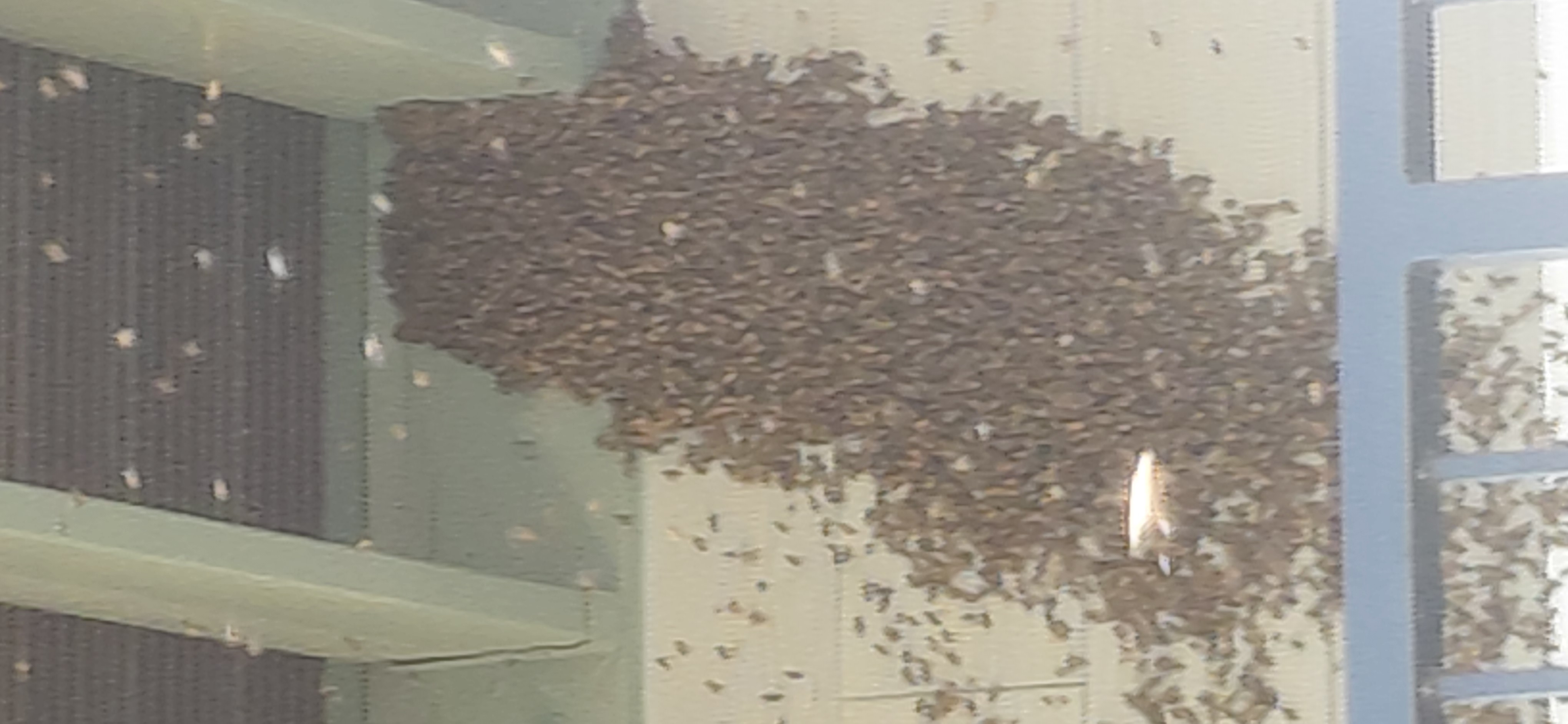
California's Golden Opportunity: Harnessing the Spring Swarm For beekeepers across California, the arrival of spring signals more than just almond blossoms and wildflo...
Read More...May 18, 2026
Home > Blog > A Beekeeper's Guide to Swarm Rescue in Nevada
May 18, 2026
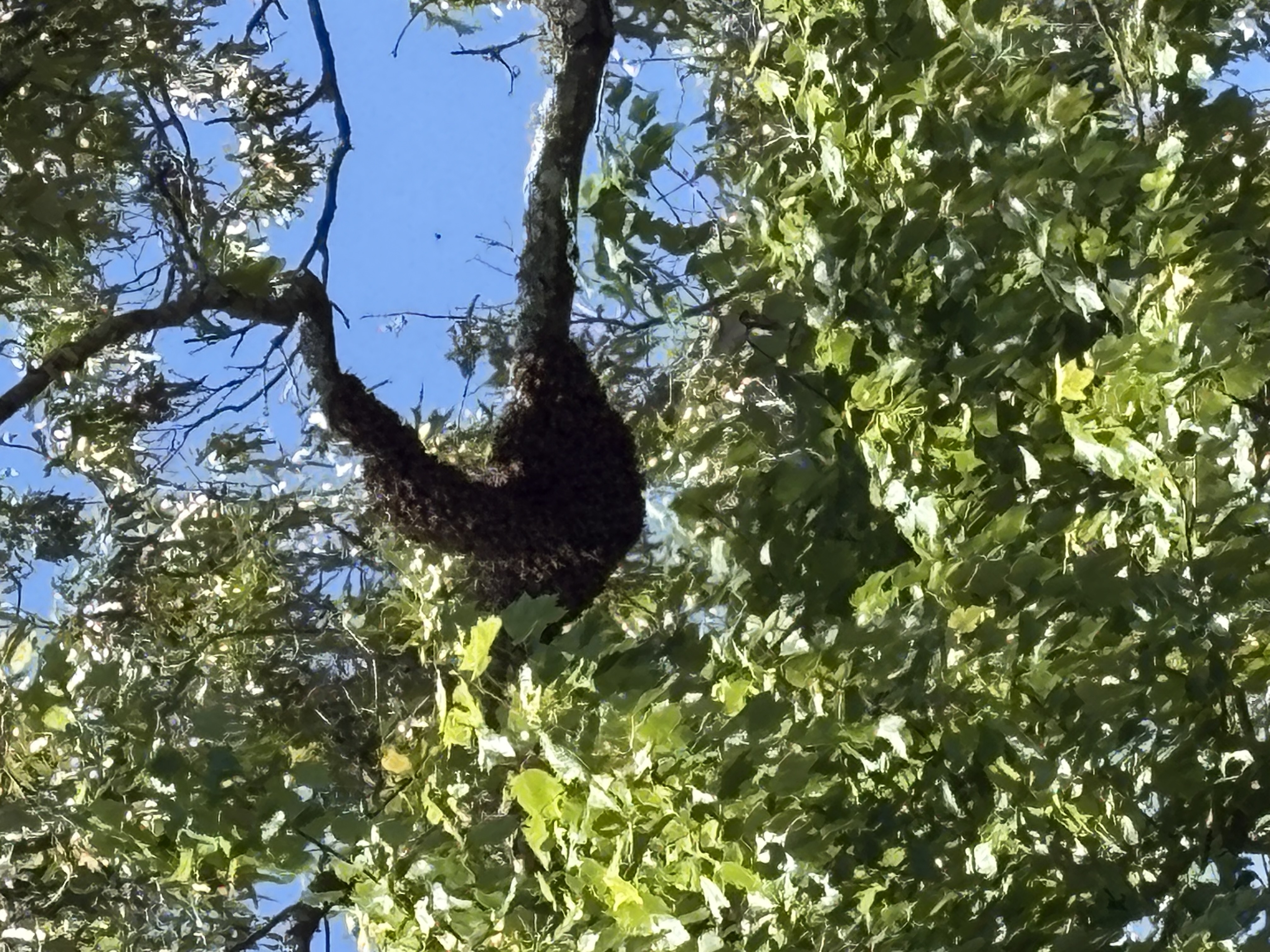
Nevada’s unique landscape, from the sprawling suburbs of Las Vegas and Reno to its agricultural valleys, creates a dynamic environment for honey bees. Each spring, as colonies grow and reproduce, a significant number of swarms emerge, seeking new homes. This natural process presents a critical opportunity for local beekeepers. Data from the Swarmed network highlights a substantial gap: in the last season alone, over 100 swarms were reported by the public across the state, while the network had fewer than a dozen beekeepers available to respond. This imbalance means that many healthy, locally-adapted colonies are at risk, and beekeepers are missing a valuable chance to strengthen their apiaries.
For the prepared beekeeper, this is a chance to make a significant impact. Rescuing swarms not only provides you with vigorous, acclimated bees at no cost but also performs a vital public service, protecting honey bees and reassuring homeowners. This guide offers strategies and best practices to help Nevada beekeepers effectively and safely manage swarm season.
Successful swarm collection begins long before the first call comes in. Preparation is the key differentiator between a smooth rescue and a missed opportunity. As temperatures warm, beekeepers should focus on two key areas: equipment readiness and strategic placement of swarm traps.
Having a dedicated swarm kit ready to go allows for rapid deployment. Your kit should include:
Proactive beekeepers don't just wait for calls; they invite swarms to them. Swarm traps, sometimes called bait hives, are an excellent tool for passively acquiring local colonies. For best results:
When you receive an alert about a swarm, the first step is to assess the situation. It is crucial to differentiate between a temporary swarm and an established colony, as the approach—and the cost to the property owner—is entirely different.
A swarm is a transient cluster of bees hanging from a tree, fence, or other object. The bees have not yet built comb and are docile, as their primary focus is protecting the queen and finding a new home. Swarm rescue is a service beekeepers are typically happy to provide at no cost, as the bees are a valuable resource.
An established colony, on the other hand, has moved into a structure like a wall, roof, or irrigation box. They have built wax comb, are raising brood, and will be defensive of their home. Removing an established colony is a complex process known as a “cutout.” This is a specialized service that involves deconstruction, careful removal of comb and bees, and potential repairs. Beekeepers should always provide a fair quote for a cutout based on the complexity, time, and materials required.
For a standard swarm collection from a branch:
The most significant challenge for beekeepers in Nevada isn't a lack of bees; it's the lack of connection. Homeowners who discover swarms often don't know who to call, and beekeepers miss out. The Swarmed network solves this problem by providing a direct, real-time link between the public and local beekeepers.
By joining our network, you gain access to a stream of opportunities to grow your apiary with healthy, local bees. The benefits for beekeepers are clear:
Nevada's honey bee population needs skilled beekeepers to step up. This spring offers a chance to not only expand your own apiary but also to serve as a vital resource for your community. Your expertise ensures these valuable pollinators are safely rescued and given a new home where they can thrive.
Make a direct impact this season. Join the Swarmed network today to receive free, no-commitment swarm alerts and help rescue local bees. Signing up is fast and simple, connecting you to the swarms in your neighborhood. Get started at https://beeswarmed.org/beekeeper-signup (opens in a new tab).
California's Golden Opportunity: Harnessing the Spring Swarm For beekeepers across California, the arrival of spring signals more than just almond blossoms and wildflo...
Read More...May 18, 2026
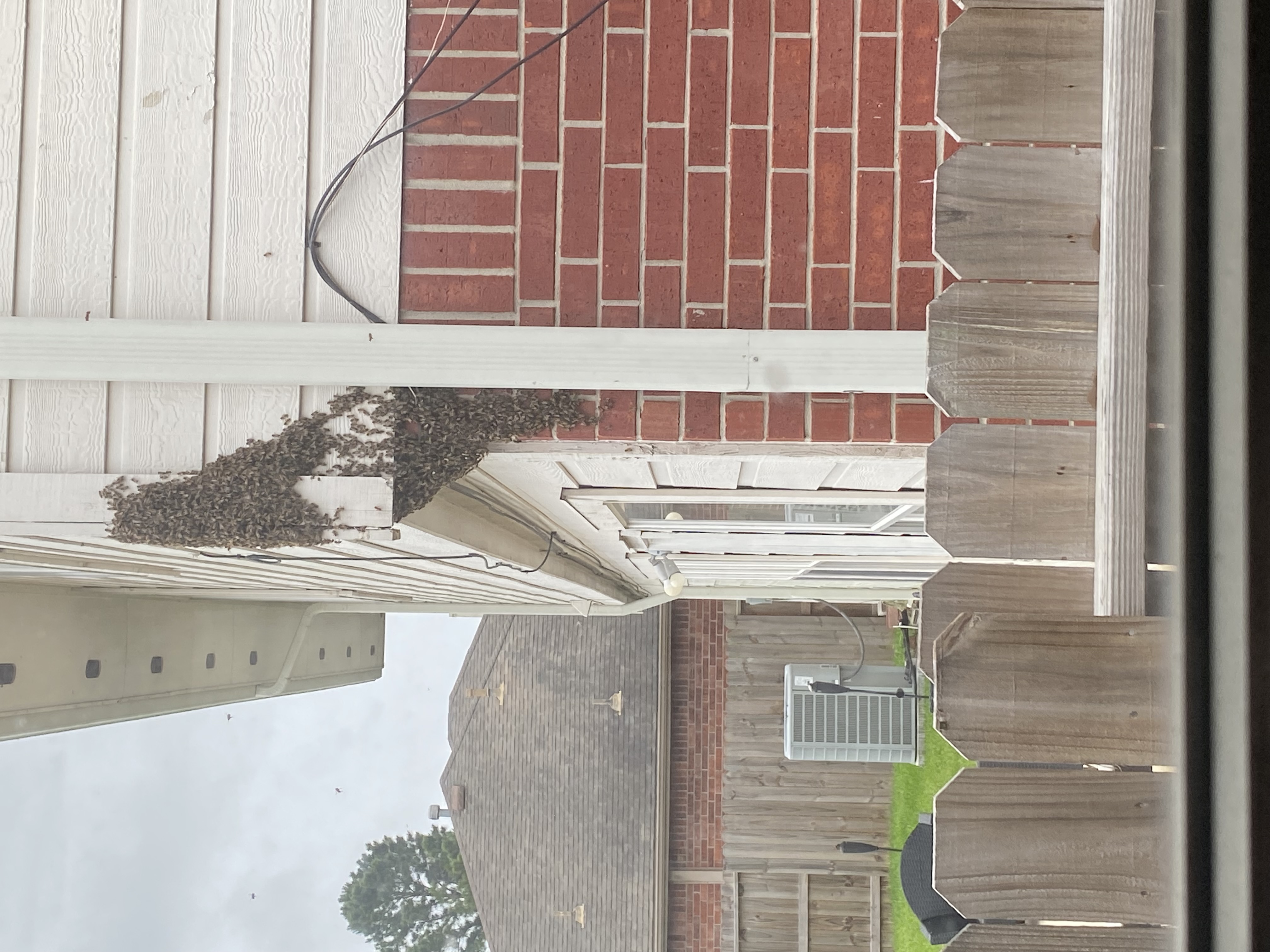
A Beekeeper's Guide to Swarm Collection in New Jersey In New Jersey, the arrival of spring signifies the start of honey bee swarm season, presenting a significant oppo...
Read More...May 18, 2026
