
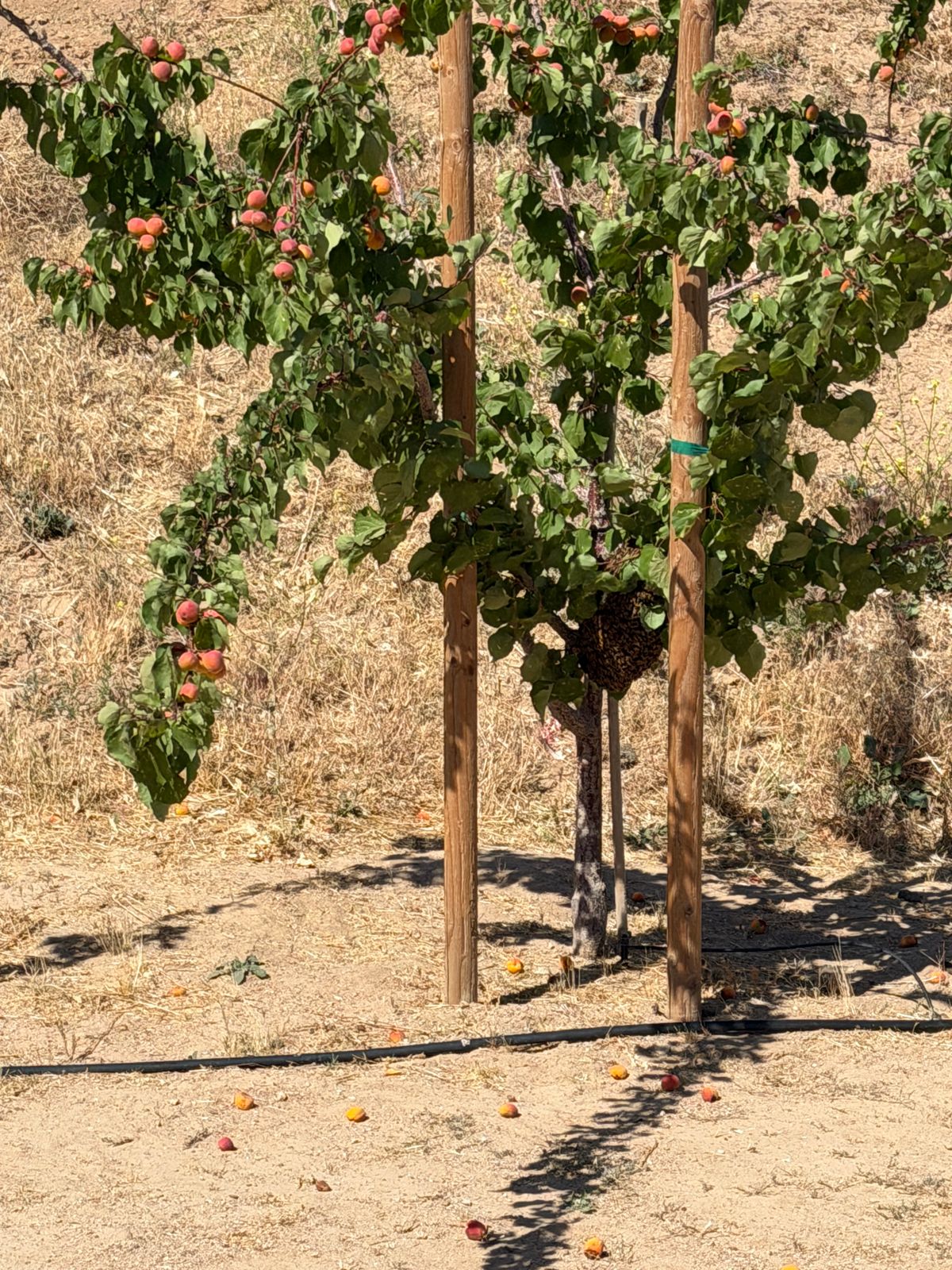
A Beekeeper's Guide to Swarm Collection in Idaho
A Beekeeper's Guide to Swarm Collection in Idaho Spring has arrived in the Gem State, and with it, the unmistakable hum of honey bee swarms. For beekeepers, this is a...
Read More...May 18, 2026
Home > Blog > A Beekeeper's Guide to Swarm Season in California
May 18, 2026
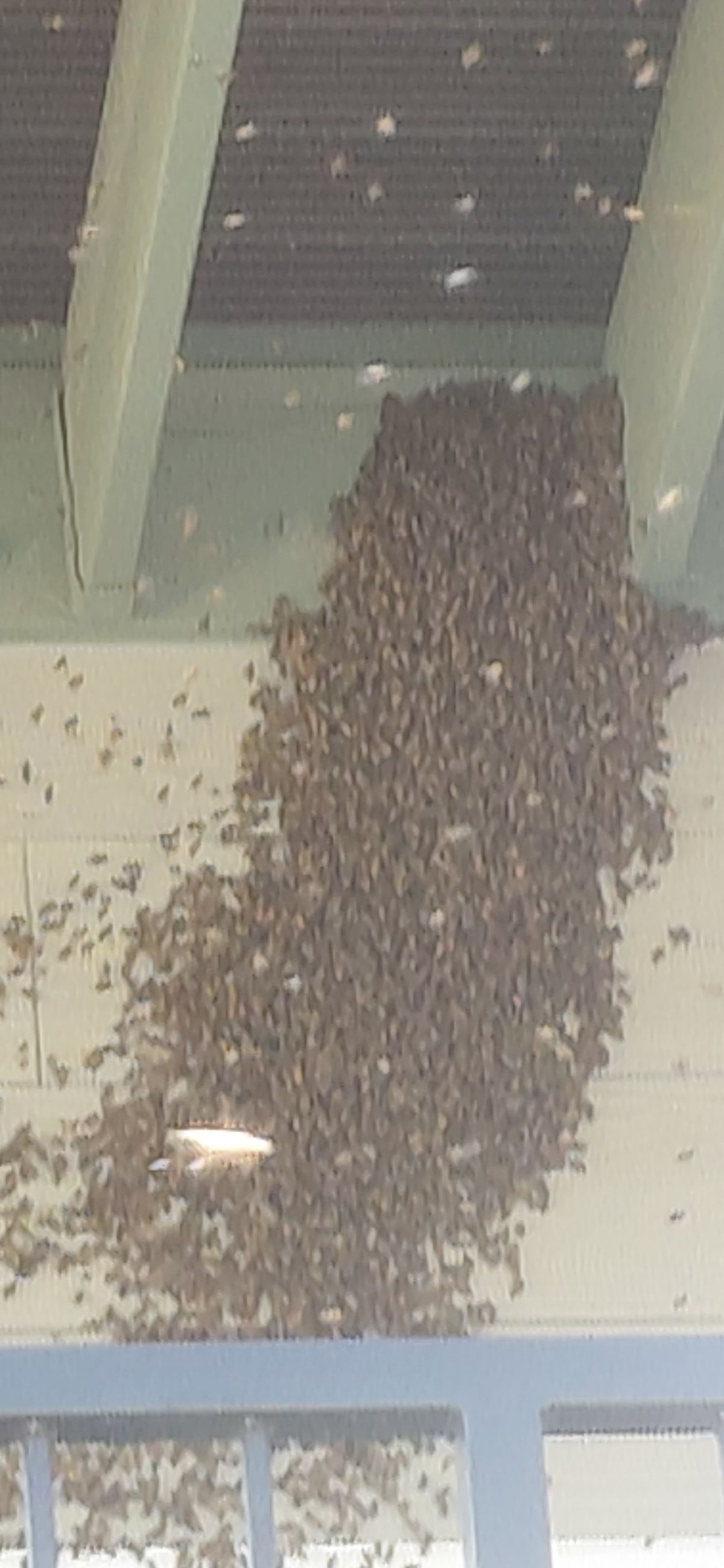
For beekeepers across California, the arrival of spring signals more than just almond blossoms and wildflowers; it marks the beginning of swarm season. This natural reproductive process, where a healthy colony divides, presents a significant opportunity for apiarists to expand their operations. A feral swarm is a package of locally adapted, genetically diverse bees—a valuable asset for any apiary. Capturing these swarms is not just about acquiring bees; it's about strengthening local pollinator populations with hardy, acclimated stock.
The scale of this opportunity in California is substantial. Last year alone, the Swarmed network facilitated the rescue of over 2,000 swarms across the state, connecting homeowners with a community of more than 645 registered beekeepers. This rising trend highlights a growing public awareness and a clear demand for skilled beekeepers ready to respond.
California's varied geography, from the cool coastlines of Humboldt to the hot, arid conditions of the Imperial Valley, creates distinct beekeeping challenges and opportunities. Understanding these regional nuances is key to successful swarm collection.
Before you place your first swarm trap or answer a call, it's essential to understand the rules of engagement. Responsible swarm collection protects beekeepers, the public, and the bees themselves.
First, always distinguish between a swarm and an established colony. A swarm is a temporary cluster of bees resting while they search for a new home. They are typically docile and can be collected with minimal disruption. An established colony, or a cutout, is one that has moved into a structure and built comb. This requires deconstruction, repair, and significant labor, which is a paid service. Clearly communicating this distinction to property owners manages expectations and establishes your professionalism.
Success in swarm season is a function of preparation and responsiveness. Having a well-defined plan and the right tools allows you to act efficiently when a call comes in.
Once a swarm is collected, proper care is critical. House them in a quarantine apiary at least two miles from your main yards to monitor for pests like Varroa mites and diseases. Provide them with a 1:1 sugar syrup to help them draw out new comb quickly. After a week or two, assess their temperament and the queen's laying pattern before integrating them into your main operation.
Being prepared with equipment is only half the battle; being aware of opportunities is the other. In a state as large as California, swarms can appear anywhere, and timing is everything. A dedicated notification system provides a significant advantage for beekeepers seeking to intercept these swarms before they move into an undesirable location or are exterminated.
This is the core mission of the Swarmed network. By connecting the public who report swarms with local, registered beekeepers, we create a direct pipeline for apiary growth.
> "Our goal is to connect beekeepers directly with the opportunities in their immediate vicinity. In a state as vast as California, with over 2,000 swarms reported to our network last year alone, this real-time connection is crucial for sustainable apiary growth," says Dr. Anya Sharma, Lead Entomologist at Swarmed. "It's a collaborative effort that benefits the bees, the public, and the beekeepers who are the stewards of these vital pollinators."
The Swarmed platform streamlines the process. You define your service area, and when a swarm is reported nearby, you receive an instant alert. There is no commitment to take any specific call, allowing you to respond only when it suits your schedule.
The spring swarm season in California offers a remarkable chance to acquire healthy, local bees and expand your apiary. By understanding your regional climate, operating professionally, and using modern tools to connect with opportunities, you can make this season your most productive yet. Don't let these valuable genetic resources go to waste.
Become part of a statewide community dedicated to rescuing honey bees. Join the Swarmed beekeeper network today (opens in a new tab) to start receiving free, no-commitment swarm alerts in your local area and build your apiary with healthy, resilient bees.
A Beekeeper's Guide to Swarm Collection in Idaho Spring has arrived in the Gem State, and with it, the unmistakable hum of honey bee swarms. For beekeepers, this is a...
Read More...May 18, 2026
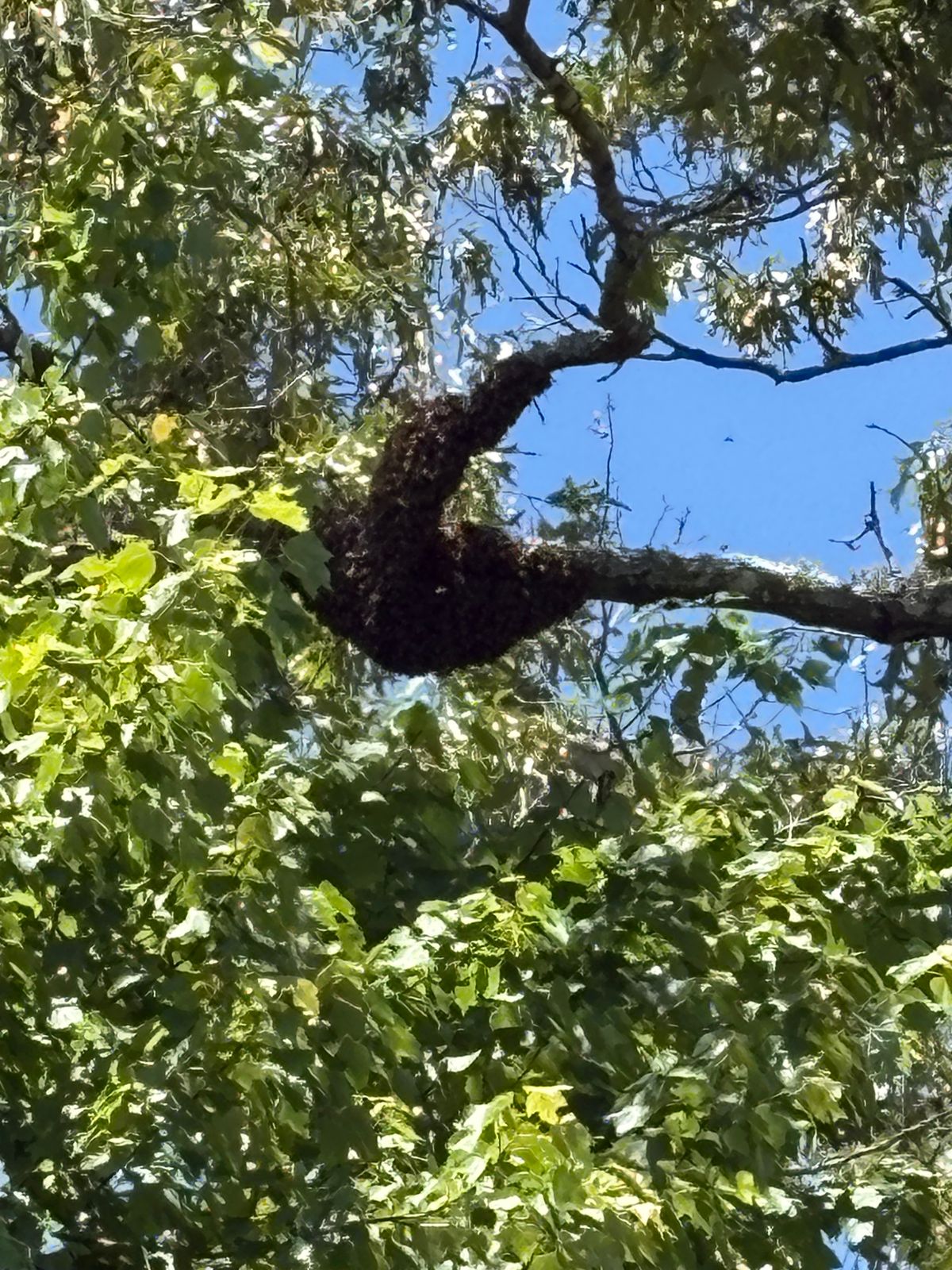
A Buzz in the Air: What Every Californian Should Know About Honey Bee Swarms As spring unfolds across California, painting hillsides with wildflowers and waking up orc...
Read More...May 17, 2026