A Beekeeper's Guide to Swarm Rescue in Nevada
The Untapped Opportunity for Nevada Beekeepers Nevada’s unique landscape, from the sprawling suburbs of Las Vegas and Reno to its agricultural valleys, creates a dynam...
Read More...May 18, 2026
Home > Blog > A Beekeeper's Guide to Swarm Collection in New Jersey
May 18, 2026
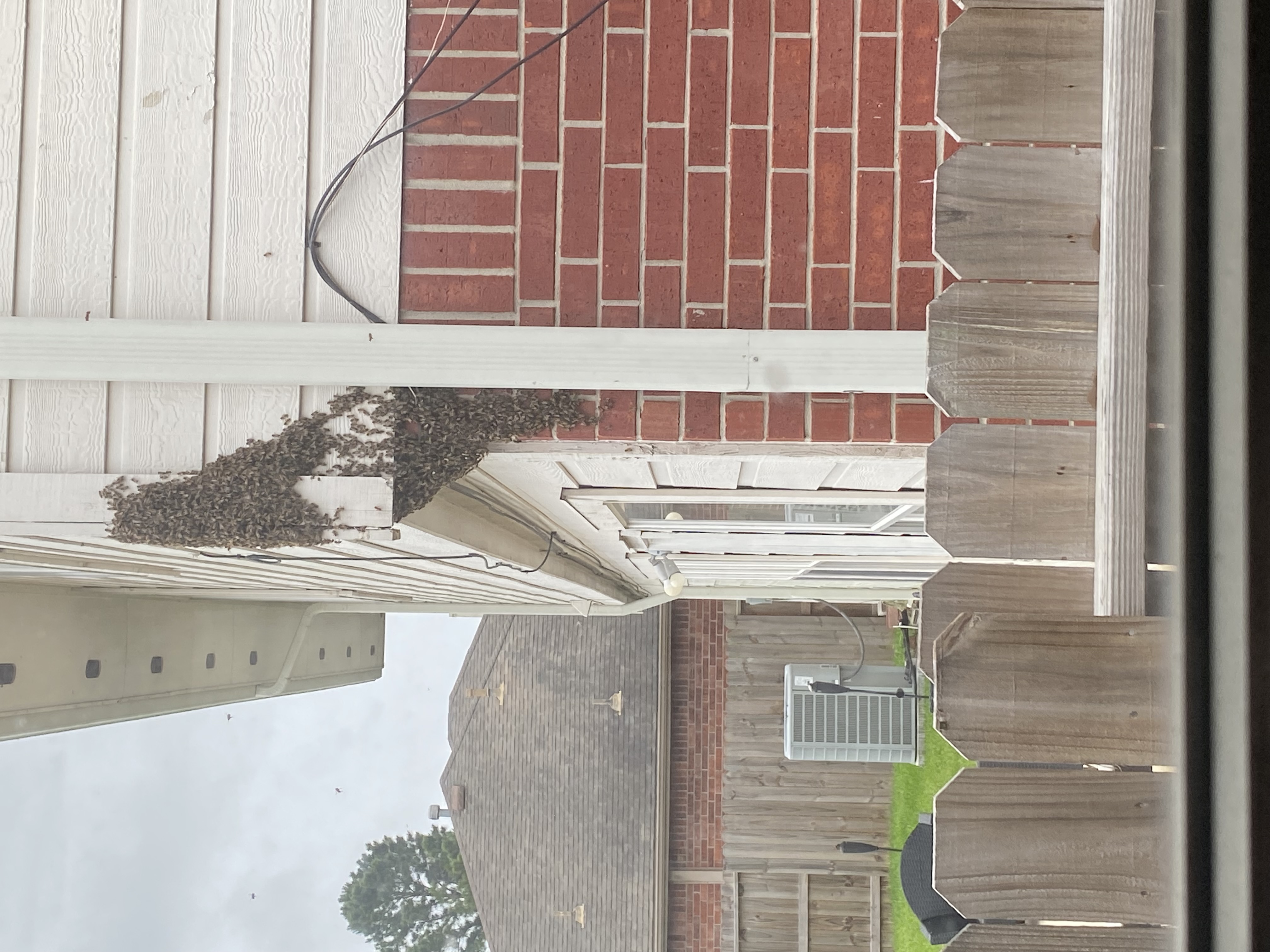
In New Jersey, the arrival of spring signifies the start of honey bee swarm season, presenting a significant opportunity for beekeepers to expand their apiaries with local, acclimated bees. Swarming is the natural reproductive process for a honey bee colony. For the prepared beekeeper, it's a chance to rescue a vulnerable colony and strengthen their own operations. With a rising trend in reported swarms across the Garden State—over 680 were reported last season alone—being ready to respond is more valuable than ever.
This guide provides New Jersey beekeepers with the necessary information to understand, locate, and safely collect honey bee swarms.
A critical first step in swarm collection is correctly identifying the bee behavior. Public reports often confuse transient swarms with established colonies, and clarifying this distinction is essential for managing expectations and safety.
Preparedness is the key to successful swarm collection. Having a dedicated swarm kit ready allows you to respond to an alert quickly and efficiently. Your Swarm Kit Should Include:
An effective strategy for passive collection is setting up swarm traps in early spring. A 10-frame deep box with a few frames of old, dark comb is an ideal attractant. Placing a penny between your upper box and inner cover can create the perfect amount of ventilation and an ideal entrance size.
While swarm traps can be effective, the most reliable way to find swarms is by responding to public sightings. Across New Jersey's diverse landscape, from dense suburban neighborhoods in Bergen County to the agricultural lands of Salem County, honey bee swarms are a common sight in late spring. They often cluster on tree limbs, fence posts, and even playground equipment.
This is where a dedicated notification system becomes invaluable. The Swarmed network connects beekeepers directly with public swarm reports in real-time. Last year, our network of over 300 New Jersey users successfully rescued hundreds of colonies. By joining, you receive free, localized alerts sent directly to your phone, allowing you to be the first to respond.
To learn more and receive free local swarm alerts, consider joining the Swarmed beekeeper network: https://beeswarmed.org/beekeeper-signup (opens in a new tab)
Once you arrive on-site, a calm and methodical approach is crucial for a successful collection.
Collecting swarms is more than just a service; it is one of the best ways to obtain strong, healthy bees that are already adapted to New Jersey's climate and forage. These rescued colonies can be used to start new hives, strengthen weaker ones, or replace winter losses. By participating in swarm rescue, you play a vital role in the local ecosystem, ensuring these honey bees are rescued and cared for.
The opportunity for New Jersey beekeepers is significant. The demand for swarm rescue is growing, and having a network of prepared beekeepers is essential. Joining the Swarmed network is a no-commitment way to connect with these opportunities. You will receive free, local swarm alerts, providing an excellent chance to acquire healthy bees and expand your apiary without cost.
Are you ready to respond when the next swarm is reported in your neighborhood? Sign up to become a Swarmed beekeeper today and get free swarm alerts for your area: https://beeswarmed.org/beekeeper-signup (opens in a new tab).
The Untapped Opportunity for Nevada Beekeepers Nevada’s unique landscape, from the sprawling suburbs of Las Vegas and Reno to its agricultural valleys, creates a dynam...
Read More...May 18, 2026
California's Golden Opportunity: Harnessing the Spring Swarm For beekeepers across California, the arrival of spring signals more than just almond blossoms and wildflo...
Read More...May 18, 2026
