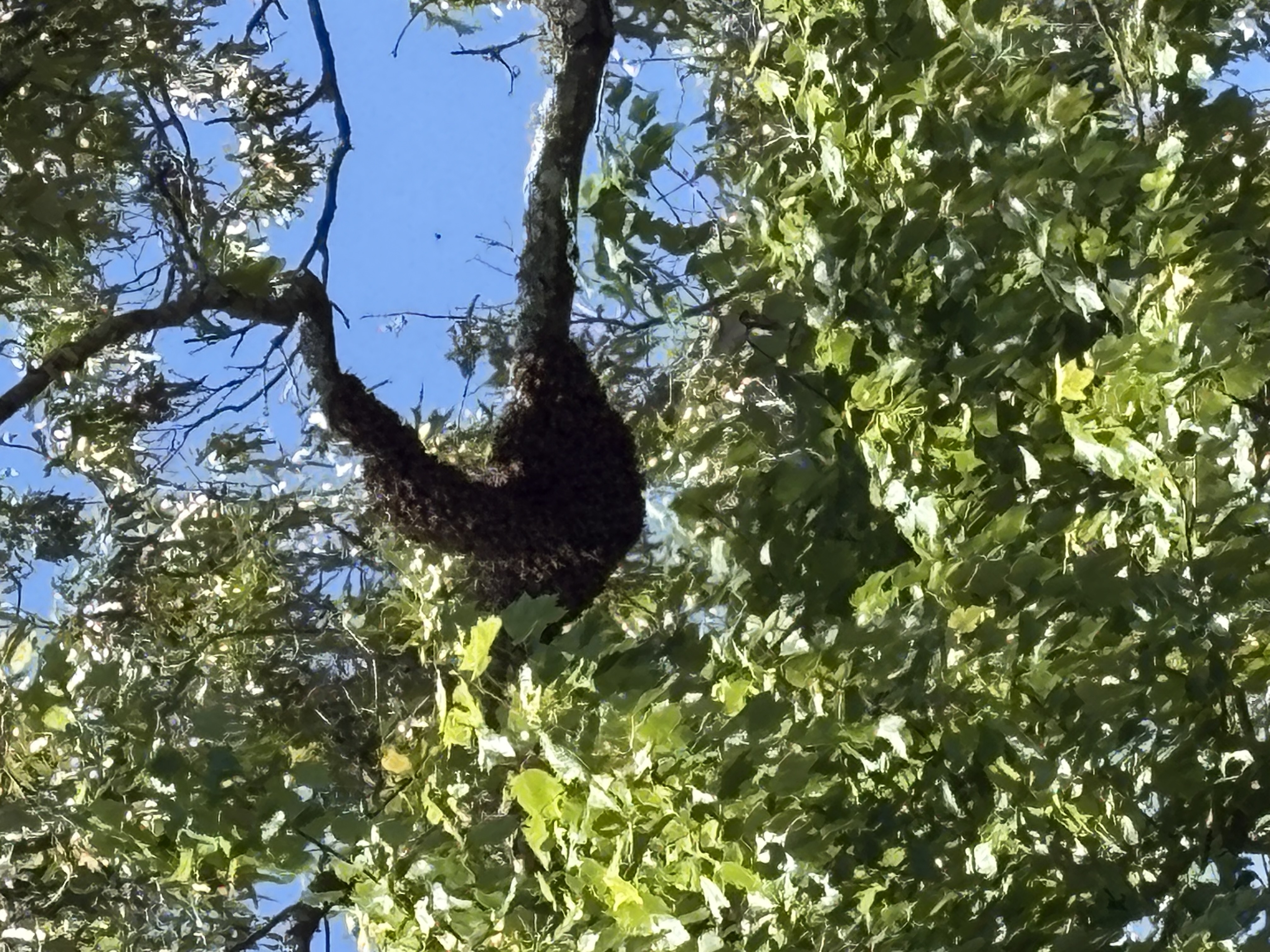
A Beekeeper's Guide to Swarm Rescue in Nevada
The Untapped Opportunity for Nevada Beekeepers Nevada’s unique landscape, from the sprawling suburbs of Las Vegas and Reno to its agricultural valleys, creates a dynam...
Read More...May 18, 2026
Home > Blog > Reporting a Bee Swarm in Nevada: A Community Guide
May 17, 2026
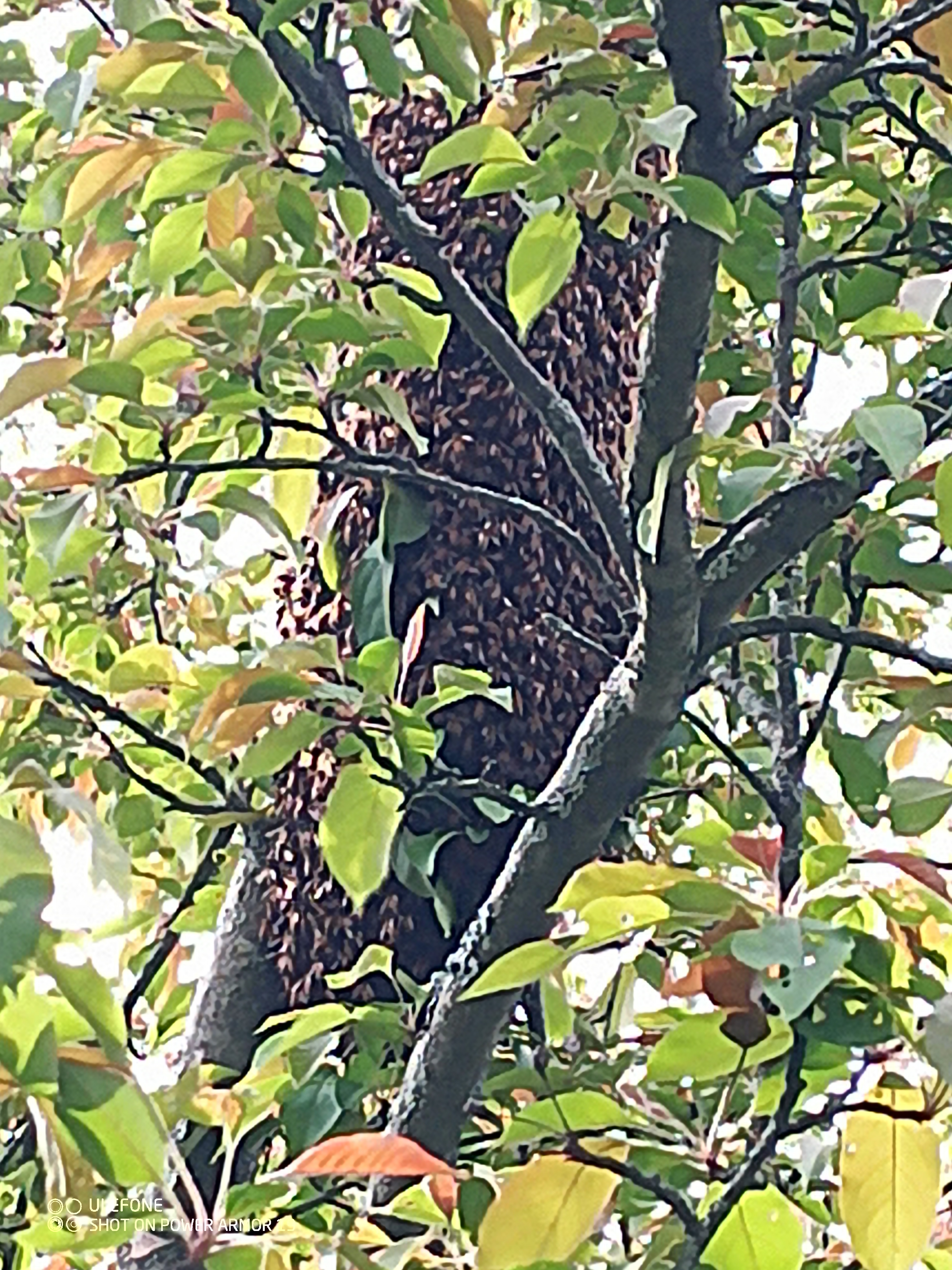
As spring breathes life into the Nevada landscape, from the Mojave Desert to the Sierra Nevada foothills, honey bees become more active. You might notice a large, buzzing cluster of bees hanging from a tree branch, a fence post, or the side of a building. This sight, known as a honey bee swarm, is a natural and fascinating part of the bee life cycle. It's not a cause for alarm; rather, it's an opportunity for community action.
Seeing thousands of bees in one place can be intimidating, but understanding what’s happening can replace fear with fascination. This guide will walk you through how to identify a swarm, why it’s crucial to report it, and how you can help ensure these valuable pollinators are safely rescued by local beekeepers.
A honey bee swarm is the colony's natural way of reproducing. When a hive becomes overcrowded, the old queen bee leaves with about half of the worker bees to find a new home. The bees that remain will raise a new queen to continue the original colony.
The bees you see clustered together are in a temporary state. They have engorged themselves with honey from their old hive to fuel their journey, making them remarkably docile. Without a home, comb, or young bees (brood) to defend, their primary focus is on finding a suitable new location. This resting cluster is simply a stopover, usually lasting anywhere from a few hours to a couple of days, while scout bees search for a permanent residence.
It is essential to understand the difference between a transient swarm and an established hive, as how they are handled—and the associated costs—are very different.
By reporting a swarm quickly, you help prevent it from becoming a more difficult and costly established hive problem.
Your call to a beekeeper does more than just solve a potential problem—it’s a powerful act of community stewardship. Last season alone, the Swarmed network helped facilitate the rescue of over 105 swarms across Nevada, connecting residents with local beekeepers.
Here’s why your action matters:
If you encounter a swarm, follow these simple steps to ensure a safe and successful rescue for the bees.
By using a service like Swarmed, you can easily report a honey bee swarm (opens in a new tab) and trust that the information will reach someone who can help.
The next time you see a cluster of honey bees this spring in Nevada, you’ll know it’s a natural event and a chance to help. These swarms represent the future of honey bee populations, and your quick action can make all the difference in their survival.
By taking a few moments to report what you see, you contribute to the health of our environment, support your local beekeeping community, and ensure the safe relocation of these incredible pollinators. If you see a swarm, don’t wait. Help protect honey bees and your community by reporting it. You can connect with a local Nevada beekeeper ready to help by using the free Swarmed reporting tool (opens in a new tab).
The Untapped Opportunity for Nevada Beekeepers Nevada’s unique landscape, from the sprawling suburbs of Las Vegas and Reno to its agricultural valleys, creates a dynam...
Read More...May 18, 2026
California's Golden Opportunity: Harnessing the Spring Swarm For beekeepers across California, the arrival of spring signals more than just almond blossoms and wildflo...
Read More...May 18, 2026
