You've Reported a Honey Bee Swarm—Thank You!
Seeing a large cluster of honey bees on a tree branch or fence post in Charleston, Morgantown, or Huntington can be an impressive sight. By taking a moment to report it, you have taken a crucial first step in protecting these vital pollinators and supporting your local community. But what happens after you click 'submit'? This guide explains the process, from the initial alert to the arrival of a beekeeper, and clarifies what to expect for swarm removal in West Virginia.
The Swarmed Alert System in Action
Immediately after you submit your report through the Swarmed platform, our system gets to work. Your report, including the location and any photos you provided, is instantly broadcast to registered beekeepers in your specific area. A report in Charleston alerts beekeepers in and around Kanawha County, while a sighting in Huntington notifies those in Cabell County.
This rapid notification is key, as honey bee swarms are temporary. They are a colony on the move, resting for a few hours or a couple of days while scout bees search for a permanent home. The detailed information you provide helps beekeepers assess the situation quickly and determine if they can assist.
Beekeeper Response and Communication
Once the alert is sent, local beekeepers can 'claim' the swarm through the Swarmed network. When a beekeeper accepts the request, you will receive an automated email update containing their contact information. This is your signal that help is on the way.
Response times can vary. Beekeepers are often volunteers with full-time jobs and families. A response may take minutes or a few hours, depending on the time of day, the swarm's location, and beekeeper availability. If a beekeeper is on the way, they will typically contact you directly to coordinate their arrival.
Your role remains important. If you can, keep an eye on the swarm from a safe distance and update the beekeeper if the bees move on before they arrive.
The Critical Difference: Free Swarm Rescue vs. Paid Colony Removal
Understanding the distinction between a swarm and an established colony is the most important factor in setting expectations for service and cost. After reporting bees in Charleston or elsewhere, the type of service needed will be determined by the bees' behavior and location.
Honey Bee Swarm (Typically Free Rescue)
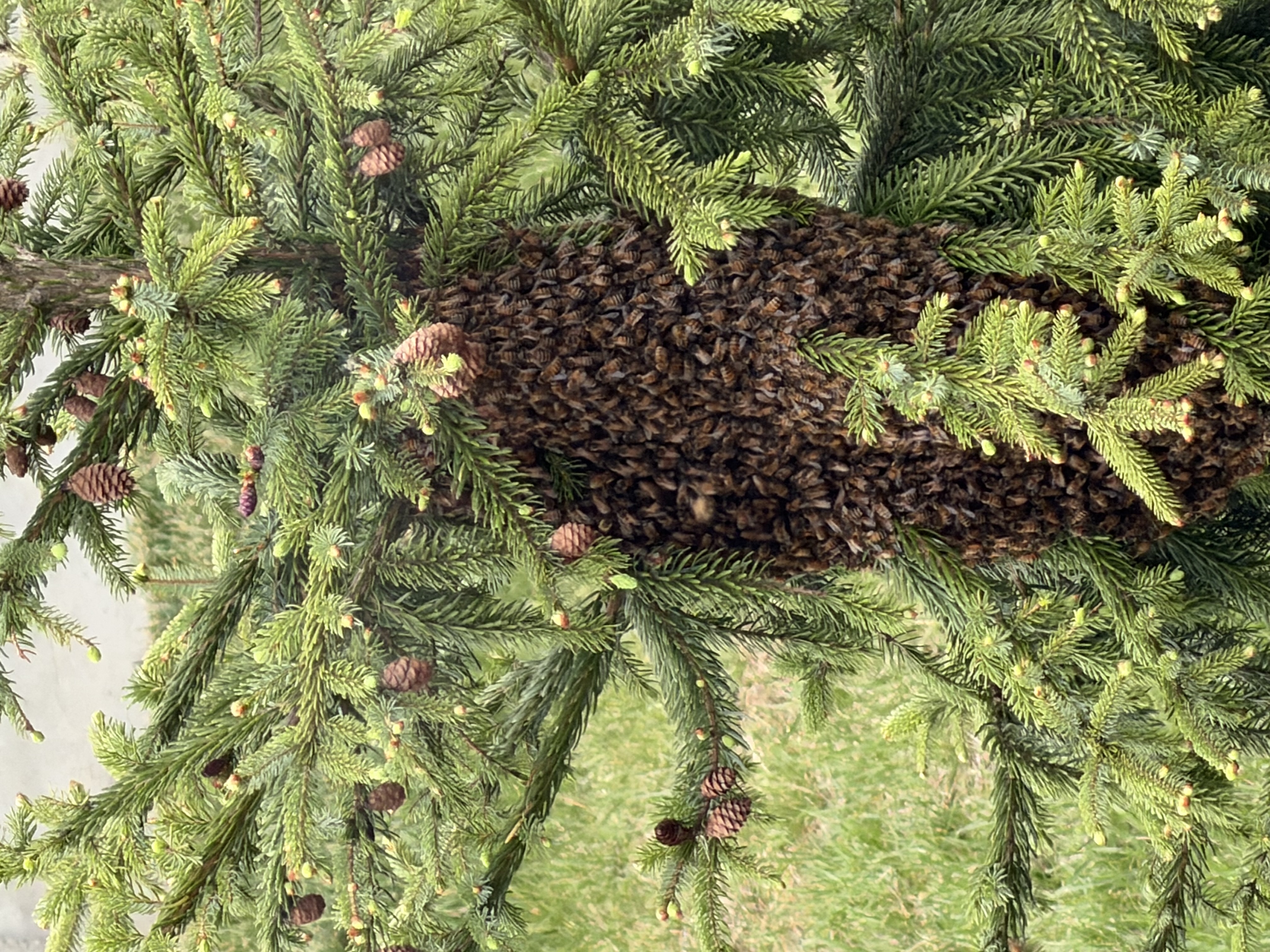
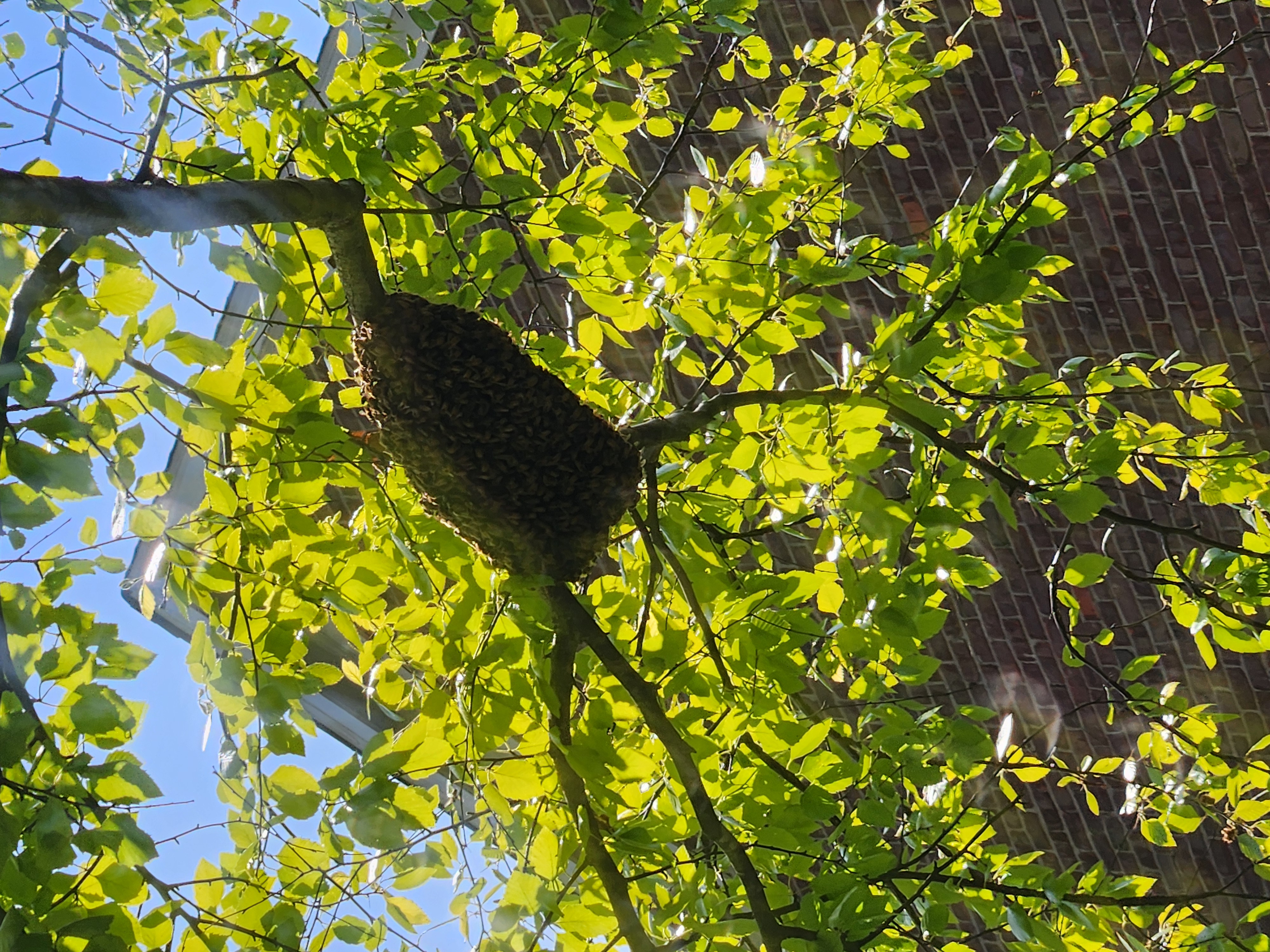
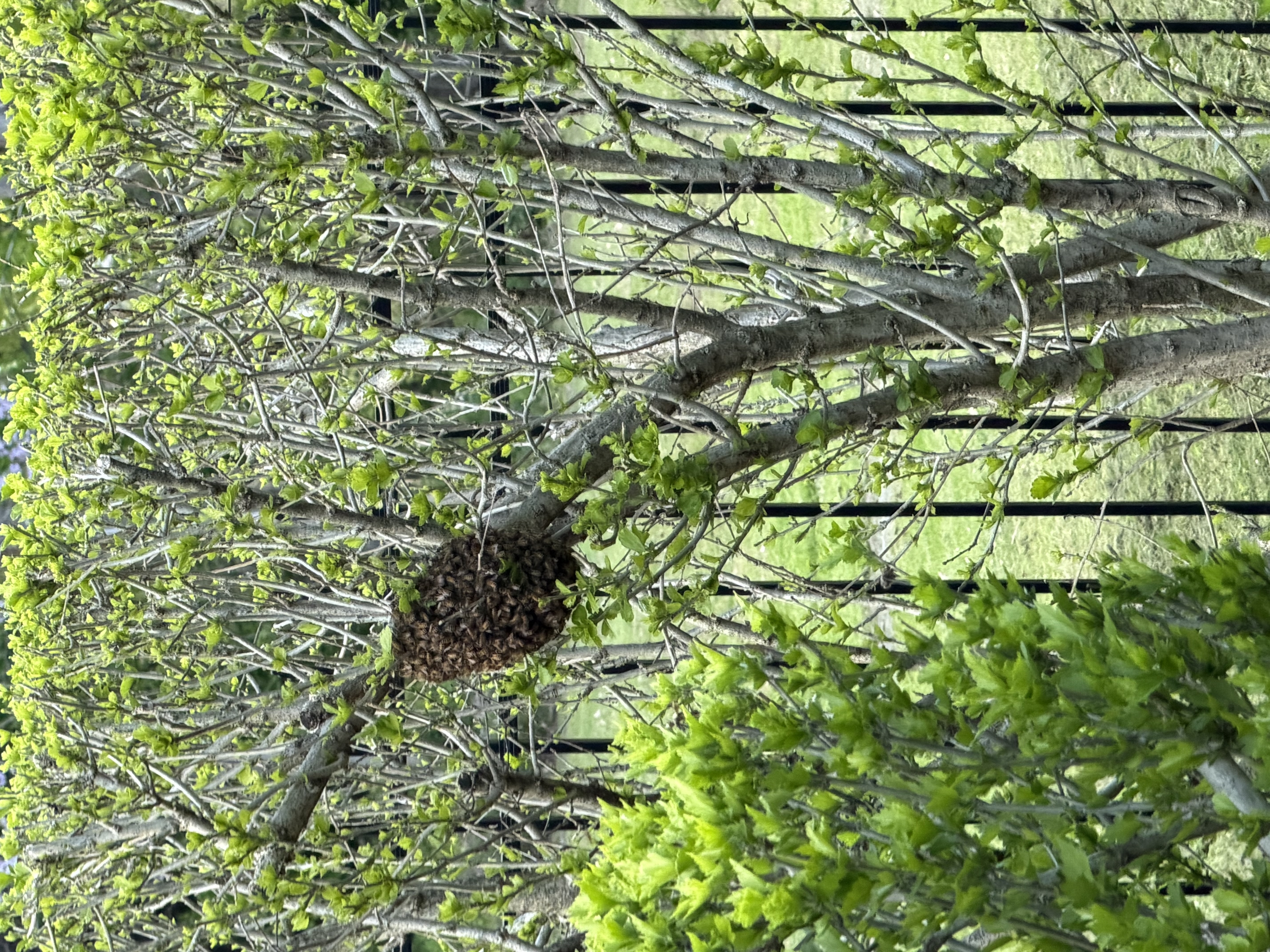
A *swarm* is a transient cluster of bees hanging from a structure like a tree limb, a fence, or playground equipment.
- Behavior: The bees are generally docile. Before swarming, they gorge on honey, making them less inclined to sting. They are simply protecting their queen in the center of the cluster while they search for a new home.
- Structure: They have not yet built any wax comb. The cluster is exposed and vulnerable.
- The Service: A beekeeper performs a *swarm rescue*. This process is relatively straightforward, often involving gently brushing or shaking the bees into a special box. Because beekeepers want these bees to start new hives in their apiaries, this service is almost always free.
Established Colony (Requires a Paid Cutout)
An *established colony* or *established hive* is a group of bees that has moved into a structure and started building a home.
- Behavior: These bees are defensive. They have built wax comb, are raising young (brood), and are storing honey. They will actively defend their home from perceived threats.
- Structure: They are located within a wall, a roof, a shed, an attic, or a hollow tree. You will see bees flying in and out of a specific opening.
- The Service: Removing an established colony requires a *cutout*. This is a complex, labor-intensive job that involves construction skills, specialized equipment, and significant time. The beekeeper may need to cut into drywall, siding, or roofing to access and remove the bees, comb, and honey. Because of the skill, risk, and time involved, a cutout is a paid service. The beekeeper will assess the complexity of the job and provide a fair quote before any work begins.
Why Your Report is Vital for West Virginia's Bees
When you report a swarm, you do more than just solve a potential nuisance. Your action creates a positive ripple effect throughout your community and the local ecosystem.
- You Protect Honey Bees: Instead of being exterminated, the honey bee colony is given a chance to thrive in a managed apiary where it can continue its essential work of pollination.
- You Support Local Beekeepers: Swarms are a valuable resource for beekeepers, allowing them to strengthen their apiaries, replace winter losses, and expand their operations without having to purchase bees.
- You Contribute to Important Knowledge: Each report helps build a clearer picture of honey bee activity and health in the Mountain State. Our platform analyzes reporting trends to identify hotspots and understand population movements. In other states with developing beekeeper networks, community reports have helped us track over 102 swarms in a single season, providing invaluable insights for local apiarists.
By participating, you become part of a community-driven effort to ensure a healthy future for honey bees in West Virginia.
Your Next Step: Be a Hero for Honey Bees
The spring season is a critical time for honey bees. If you see a swarm, your first instinct might be concern, but your first action should be to report it. The process is simple, fast, and makes a significant difference. By connecting residents with skilled local beekeepers, we can ensure these fascinating creatures are rescued safely and continue to benefit our environment. Help protect honey bees and support your community by reporting any swarm you see.
To report a honey bee swarm in West Virginia, please visit Swarmed's reporting page (opens in a new tab).