
A Beekeeper's Guide to Swarm Season in California
California's Golden Opportunity: Harnessing the Spring Swarm For beekeepers across California, the arrival of spring signals more than just almond blossoms and wildflo...
Read More...May 18, 2026
Home > Blog > Reported a Bee Swarm in Virginia? Here's What to Expect
May 12, 2026
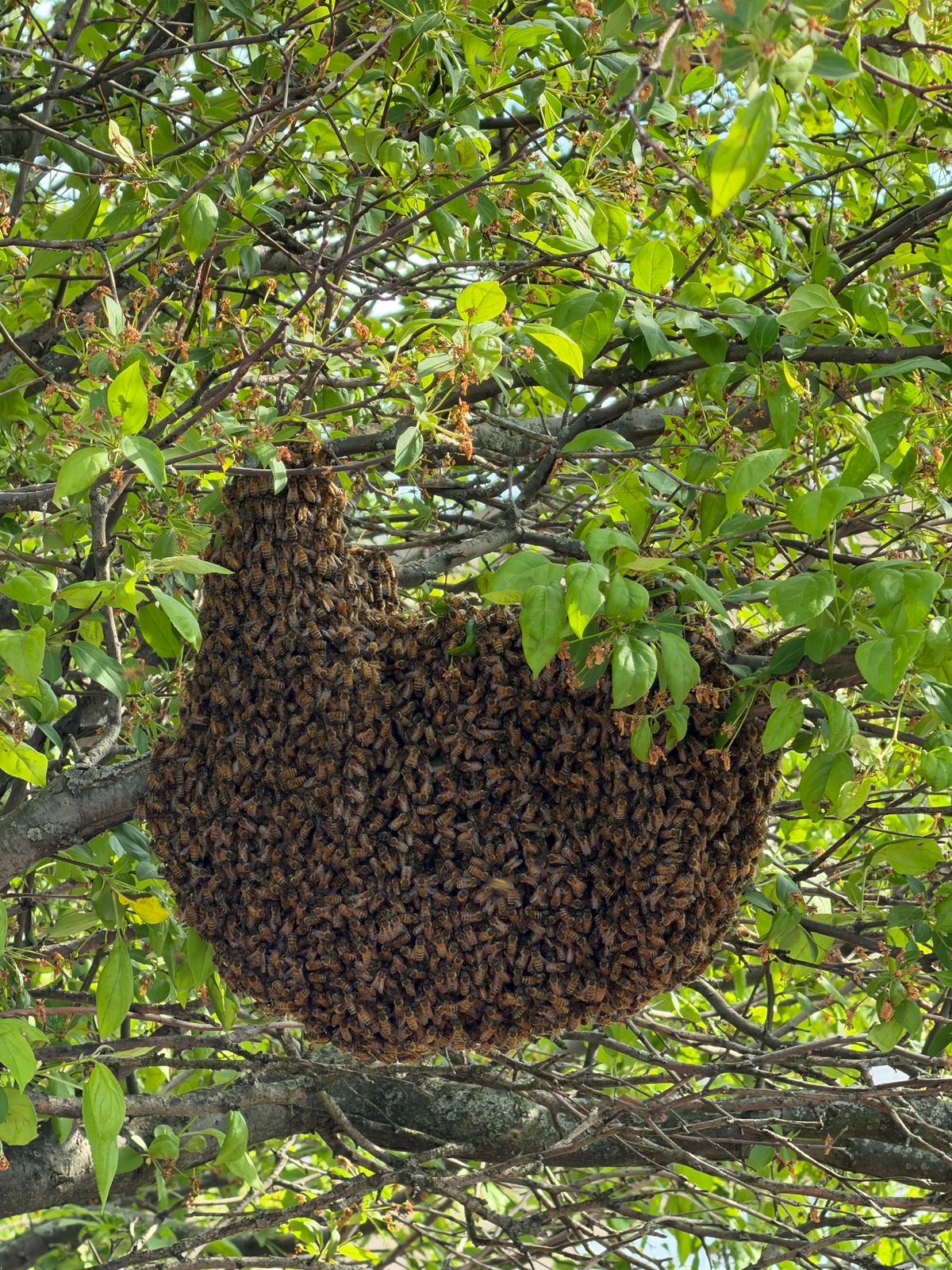
By reporting a honey bee swarm, you have taken a vital step in protecting these essential pollinators and supporting your local community. Across Virginia, from the bustling streets of Richmond to the coastal areas of Virginia Beach and Norfolk, residents like you are the first line of defense for honey bees in search of a new home. This guide explains the process that unfolds after you submit a report to Swarmed, ensuring you know exactly what to expect.
Your action initiates a process designed to safely and efficiently connect a transient bee swarm with a knowledgeable local beekeeper who can give it a proper home. This not only protects the bees but also provides peace of mind for you and your neighbors.
Once you submit your report through the Swarmed platform, our system instantly goes to work. An automated alert containing the location, description, and any photos you provided is sent to registered beekeepers within a specific radius of the swarm. This targeted notification ensures that only the most relevant and available beekeepers are contacted, increasing the likelihood of a swift response.
The quality of the information you provide is crucial. A clear photo helps the beekeeper confirm it is a honey bee swarm and not another type of insect, like yellow jackets or wasps. An accurate address and a description of the swarm's location (e.g., "on a low-hanging branch in the front yard lilac bush") allows the beekeeper to prepare and find the bees quickly upon arrival.
After the alert is sent, a local Virginia beekeeper will "claim" the swarm through the Swarmed network. This indicates they are available and intend to rescue the bees. Once claimed, the beekeeper will receive your contact information to coordinate the collection.
Expect the beekeeper to contact you directly by phone or text. Response times can vary. During peak swarm season in the spring, a beekeeper might be on their way within the hour. However, response also depends on the time of day, traffic conditions in areas like Norfolk or Richmond, and the beekeeper's personal availability. Please be patient; these community members are often volunteers balancing their regular jobs and family life with their passion for beekeeping.
While you wait, the best course of action is to observe the swarm from a safe distance. Keep children and pets indoors and away from the area. It is important to remember that a honey bee swarm is generally very docile. The bees are engorged with honey for their journey and have no home, brood, or food stores to defend. Their primary focus is protecting the queen and finding a suitable new cavity. Never spray the bees with water or insecticide, as this can provoke a defensive reaction and harm a valuable colony.
Understanding the difference between a swarm and an established colony is essential for setting expectations regarding service and cost. This distinction is the most common point of confusion for the public.
A swarm is a temporary, transient cluster of bees. You will see a ball or clump of thousands of bees resting on an external surface like a tree branch, a fence post, or the side of a building. They are exposed to the elements and are in the process of relocating. Because beekeepers can easily collect these bees to start a new hive in their apiary, swarm collection is normally a free service provided by the beekeeping community.
If the bees have moved inside a structure—such as a wall, chimney, attic, or shed—they are no longer a swarm. They have become an established colony. Inside the structure, they have built wax comb, are raising young (brood), and are storing honey. These bees will be defensive of their home.
Removing an established colony is a complex and labor-intensive process known as a "cutout." It often requires specialized equipment, carpentry skills to open the structure, and significant time to carefully remove all the bees, comb, and honey. Afterward, the area must be cleaned and repaired to prevent attracting future swarms.
Due to the skill, time, and potential liability involved, a cutout is a paid service. When a beekeeper arrives and determines the situation requires a cutout, they will assess the complexity and provide you with a fair quote for the removal. You have the right to accept or decline this quote. Reporting the bees through Swarmed is always free to use, though we do ask for an optional contribution to support our platform.
Every swarm report is a data point that contributes to a larger understanding of honey bee health and behavior in Virginia. This collective information helps beekeepers and researchers monitor population trends and identify areas with high levels of activity. The data from reports helps track bee health and population trends. For instance, Swarmed network data from states like Nevada shows trends in swarm activity, with over 102 swarms reported in a recent season, providing valuable insights for entomologists and apiarists.
By reporting a swarm, you are directly participating in citizen science. You help ensure that a vulnerable honey bee colony finds a safe home in a managed apiary, where it can thrive and contribute to the pollination of local gardens and crops. You also support local Virginia beekeepers who are dedicated to the stewardship of these incredible insects.
Your simple act of reporting has a powerful ripple effect, strengthening local ecosystems and fostering a community that values its pollinators.
Thank you again for taking the time to help the bees. By taking a few moments to report a honey bee swarm, you contribute directly to the health of these essential pollinators and support your local beekeeping community. If you see another swarm, please help protect honey bees in Virginia by reporting it through our platform at https://beeswarmed.org/report-bee-colony (opens in a new tab).
California's Golden Opportunity: Harnessing the Spring Swarm For beekeepers across California, the arrival of spring signals more than just almond blossoms and wildflo...
Read More...May 18, 2026
A Beekeeper's Guide to Swarm Collection in Idaho Spring has arrived in the Gem State, and with it, the unmistakable hum of honey bee swarms. For beekeepers, this is a...
Read More...May 18, 2026