
A Beekeeper's Guide to Swarm Season in California
California's Golden Opportunity: Harnessing the Spring Swarm For beekeepers across California, the arrival of spring signals more than just almond blossoms and wildflo...
Read More...May 18, 2026
Home > Blog > Reported a Bee Swarm in Vermont? What Comes Next
May 12, 2026
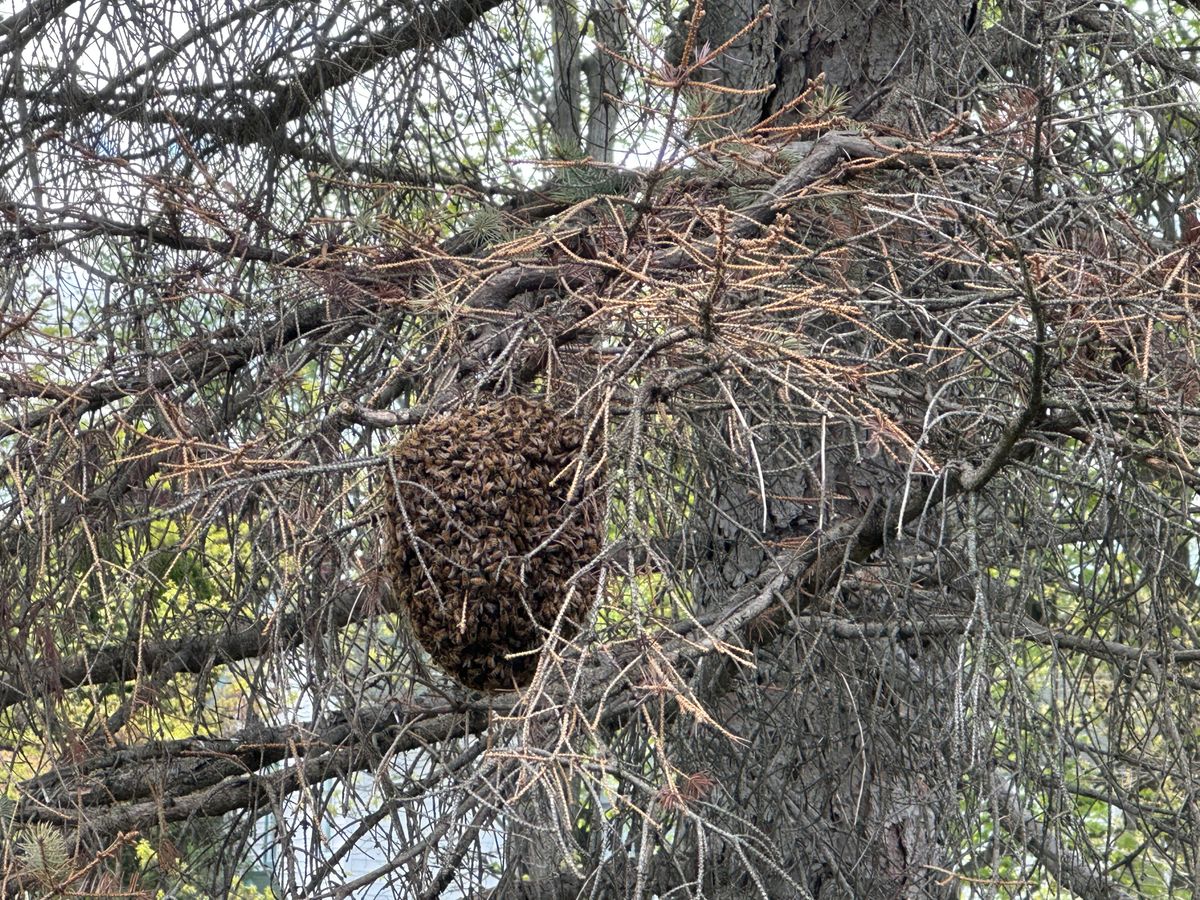
Seeing a large, swirling mass of thousands of honey bees clustered on a tree branch or fence post in Burlington can be an impressive, and perhaps intimidating, sight. If you’ve taken the step to report it through Swarmed, you’ve done the right thing for the bees and for your community. This guide explains what happens after you submit your report, clarifying the process for residents across Vermont, from Rutland to Montpelier.
Your quick action connects a vulnerable honey bee colony with a local beekeeper who can provide it with a safe, managed home. This is a critical step in protecting these essential pollinators.
Once you submit a swarm report, our system instantly alerts registered beekeepers in your immediate vicinity. Vermont has a dedicated community of beekeepers who are eager to help, and they often respond swiftly, especially during the peak swarm season of late spring.
Here’s the step-by-step process:
The speed of this process is essential, as swarms are transient and may move on within a day or two. Your report gives them the best chance of being successfully rescued.
One of the most common points of confusion is the cost associated with bee removal. The answer depends entirely on where the bees are located and what they are doing. Understanding this distinction helps set clear expectations for everyone involved.
A honey bee swarm is a temporary cluster of bees that has left its parent hive to find a new home. It consists of a queen and thousands of worker bees. They will often land on a branch, a mailbox, or a fence while scout bees search for a permanent cavity.
Key characteristics of a swarm:
For beekeepers, these swarms are a valuable resource for starting new hives. Because the process is straightforward—gently brushing the bees into a box—swarm rescue is normally provided for free by Vermont beekeepers. They are happy to give these bees a home.
If the bees have moved beyond the temporary clustering stage and have taken up residence inside a structure—such as the wall of a house, a chimney, a shed, or a hollow tree on your property—they are no longer a swarm. They are an established colony or established hive.
Key characteristics of an established hive:
Removing an established colony is a complex and labor-intensive process known as a “cutout.” It often requires carpentry skills, specialized equipment to access the colony without damaging the structure, and careful removal of bees, comb, and honey. This work can take several hours.
Because of the skill, time, and potential repair work involved, a cutout is a paid professional service. A beekeeper will assess the situation and provide you with a fair quote based on the complexity, location, and time required. You can then decide whether to accept the quote and proceed with the removal.
By reporting a swarm, you become a key part of a community-wide effort to support honey bees and local agriculture. Every report contributes to a larger effort. Last year, in one state alone, beekeepers on the network responded to over 102 swarms, showing the significant impact that community reporting has on protecting honey bee populations.
Your actions in Burlington, Rutland, or Montpelier help to:
Swarming is a natural and beautiful part of the honey bee life cycle. It is a sign of a healthy, growing bee population. By taking a few moments to report a swarm, you ensure that this natural process concludes with a safe new home for the bees.
If you see a honey bee swarm, you know exactly what to do. Your report makes a tangible difference for honey bees in Vermont. Help protect these vital pollinators and support your local beekeeping community by providing timely information. Report any swarm you see, and know that you’ve taken a crucial step in the chain of bee survival.
To report a swarm and help save a colony, please visit: Report a honey bee swarm (opens in a new tab).
California's Golden Opportunity: Harnessing the Spring Swarm For beekeepers across California, the arrival of spring signals more than just almond blossoms and wildflo...
Read More...May 18, 2026
A Beekeeper's Guide to Swarm Collection in Idaho Spring has arrived in the Gem State, and with it, the unmistakable hum of honey bee swarms. For beekeepers, this is a...
Read More...May 18, 2026