
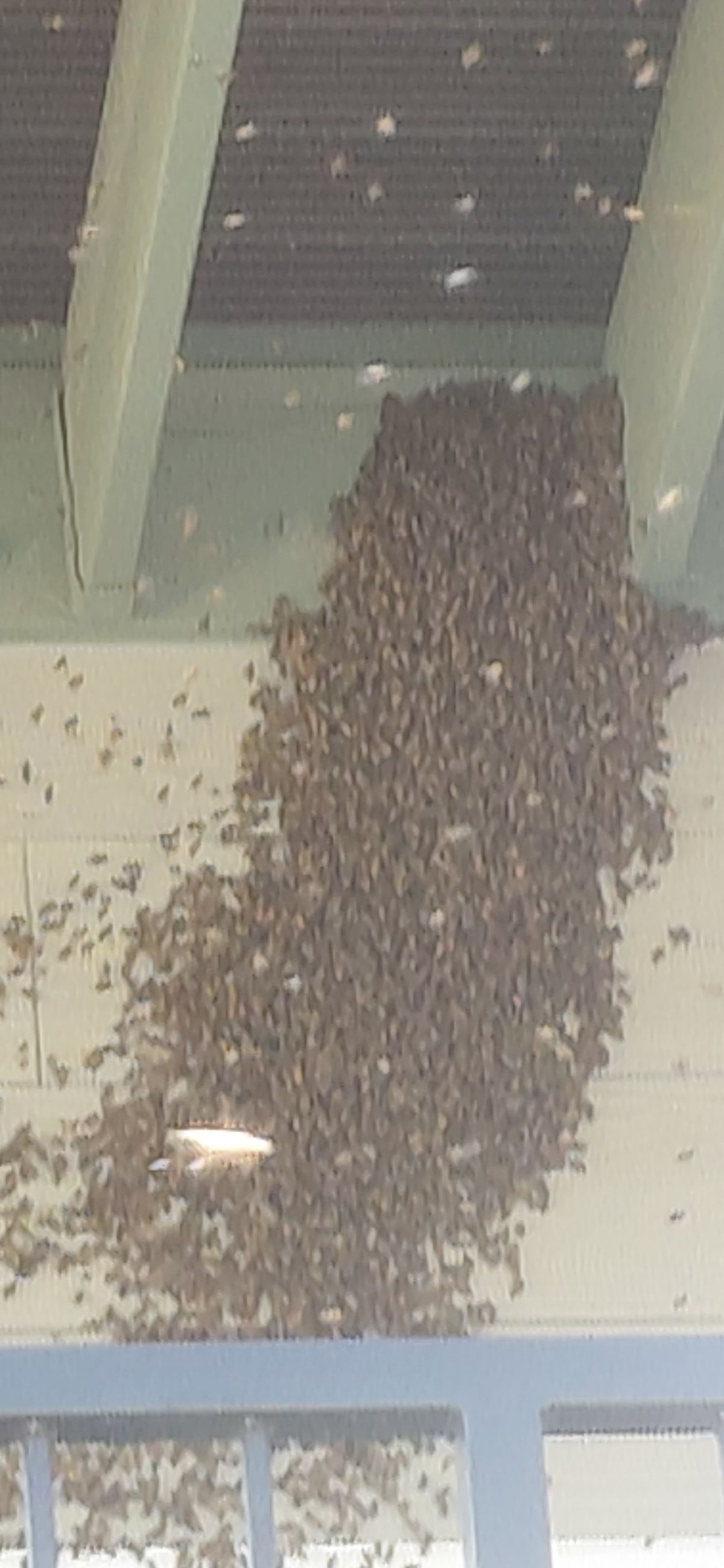
A Beekeeper's Guide to Swarm Season in California
California's Golden Opportunity: Harnessing the Spring Swarm For beekeepers across California, the arrival of spring signals more than just almond blossoms and wildflo...
Read More...May 18, 2026
Home > Blog > Reported a Bee Swarm in Tennessee? What Happens Next
May 12, 2026
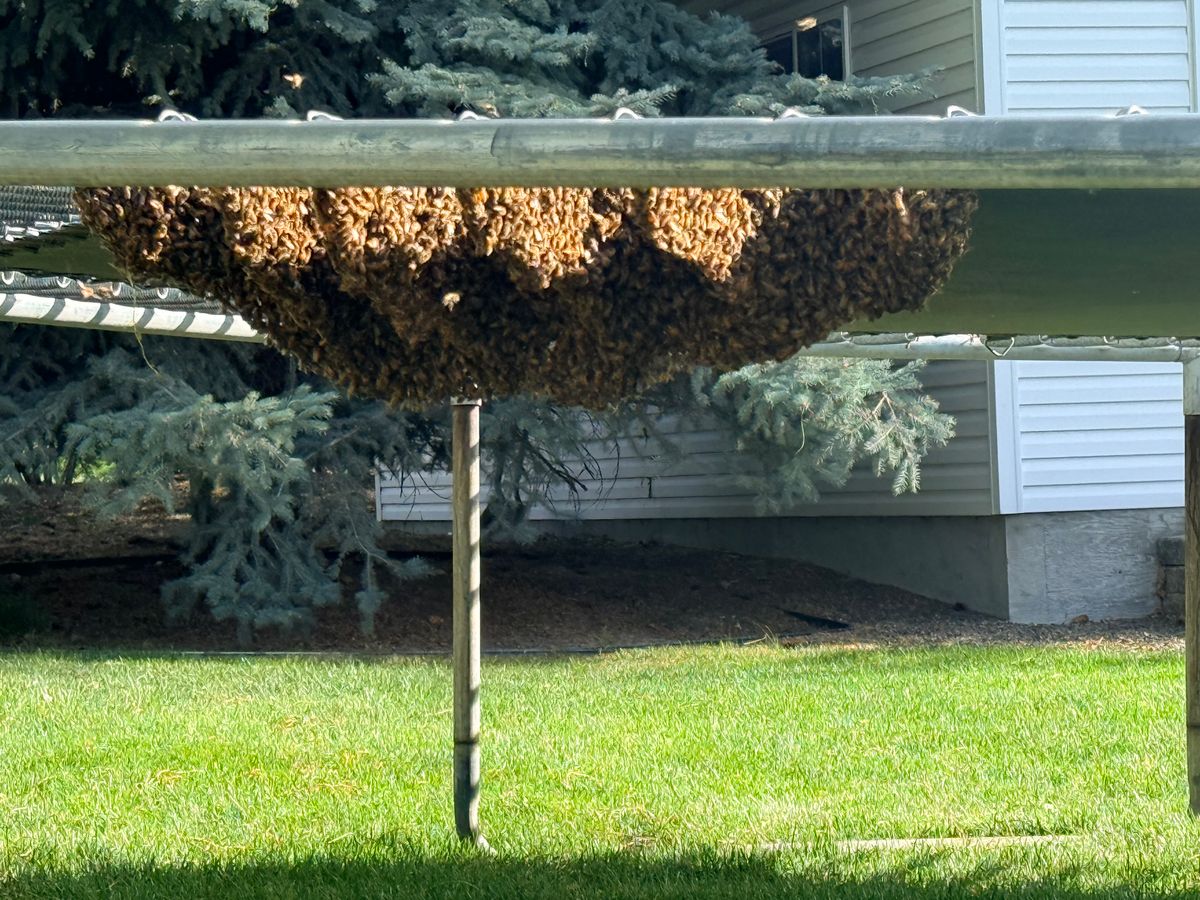
If you've just reported a honey bee swarm in Nashville, Memphis, Knoxville, or anywhere across the Volunteer State, you’ve taken a crucial step in protecting these vital pollinators. During the bustling spring season, seeing a large cluster of bees can be startling, but your report initiates a process designed to safely rehome the bees and support local beekeeping.
Immediately after you submit a report through the Swarmed platform, our system springs into action. An alert containing the location and details you provided is sent to a network of registered, local beekeepers in your specific area. Whether you're in Shelby County or the foothills of the Smokies, the nearest available beekeeper is notified and can claim the rescue.
You will receive email confirmations throughout the process, keeping you informed from the moment a beekeeper is dispatched to when the bees have been safely collected. This transparency ensures you know that your report has made a direct impact.
A local beekeeper who claims your report will typically contact you to confirm details and arrange a time for the rescue. When they arrive, you’ll witness a calm and fascinating process. A swarm is a transient colony in search of a new home. The bees are generally docile because they have filled up on honey for their journey and do not have brood or a physical hive to defend.
The beekeeper will place a box beneath the swarm and gently brush or shake the cluster of bees inside. The goal is to get the queen into the box; once she is inside, the rest of the worker bees will follow her scent and march in behind her. For the public, this is a safe and educational experience to observe from a distance.
Because beekeepers want these bees to build up their apiaries, swarm collection is normally free. It's a community-driven effort where residents help beekeepers, and beekeepers help the bees.
Managing expectations about cost is important. While the service Swarmed facilitates—rescuing a transient swarm—is typically free, the situation changes once bees move into a structure.
Cutouts are not free. This type of work is a specialized service that often requires carpentry skills, specialized equipment to access the bees within the structure, and time to carefully remove the comb, brood, and honey. The beekeeper will need to provide a quote for this service based on the complexity, time, and potential repairs involved. You have the option to accept or decline the quote.
While swarming bees are characteristically docile, there are rare instances where a swarm may be unusually defensive. This can be due to genetic factors or environmental stress. If a beekeeper assesses a swarm and determines there is a higher-than-normal risk involved, they may quote a price for the removal to account for the added danger and specialized handling required.
This is different from a cutout but follows the same principle: beekeepers provide free swarm collection under normal circumstances but must charge for services that involve significant risk or structural work. Clear communication with the beekeeper is key.
By reporting a swarm, you do more than just solve a problem in your backyard. You contribute to a larger ecological and community effort across Tennessee. Each rescued swarm helps preserve local honey bee populations and provides a local beekeeper with a healthy, genetically diverse colony for their apiary. The impact of community reporting is significant; in other states, our network has been activated for over 100 swarm reports in a single season, showcasing how many bees can be saved when people take action.
Your simple act of reporting strengthens the connection between the public and the beekeepers who work tirelessly to support our state’s agriculture and natural ecosystems. From the Mississippi River to the Appalachian Mountains, every report counts.
Thank you for being part of the solution for honey bees in Tennessee. If you see a swarm, don't hesitate. Reporting is the best way to ensure the bees are rescued safely by an experienced local beekeeper. You can help protect honey bees and support your community by reporting a swarm on our website. Please report any honey bee swarms you find at Swarmed (opens in a new tab).
California's Golden Opportunity: Harnessing the Spring Swarm For beekeepers across California, the arrival of spring signals more than just almond blossoms and wildflo...
Read More...May 18, 2026
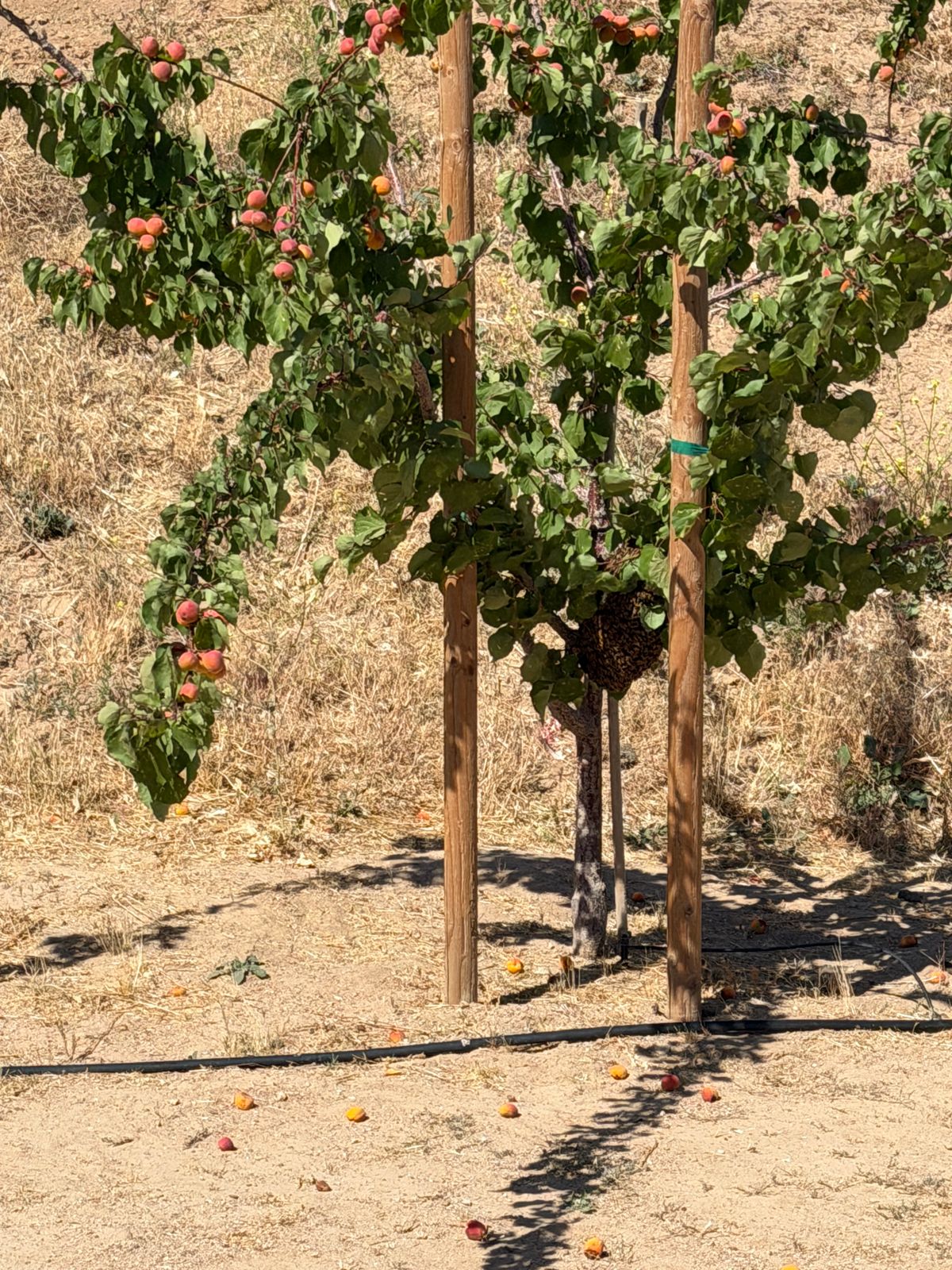
A Beekeeper's Guide to Swarm Collection in Idaho Spring has arrived in the Gem State, and with it, the unmistakable hum of honey bee swarms. For beekeepers, this is a...
Read More...May 18, 2026