Your Next Steps After Reporting a Bee Swarm in South Carolina
Reporting a honey bee swarm is a significant and positive action for your community and for the bees themselves. For residents in Charleston, Columbia, Greenville, and across South Carolina, understanding the process that follows a report can provide clarity and set proper expectations. This guide outlines what happens after you submit a report through a platform like Swarmed.
The Initial Confirmation and Alert Process
Immediately after you submit a swarm report, you should receive an email confirmation. This message verifies that your information has been received and is being processed. The system then automatically identifies and alerts registered beekeepers in your immediate vicinity. This targeted notification ensures that the professionals best equipped to help are contacted without delay, connecting community members directly with local experts ready to protect honey bees.
How the Swarmed Network Responds
A local beekeeper who is available to help will typically claim your report through the network. Once they have done so, expect to receive direct communication, often via a phone call or text message. The beekeeper will likely ask a few clarifying questions to assess the situation properly:
- Location: Where exactly is the cluster of bees? Is it on a tree branch, a fence, or a wall?
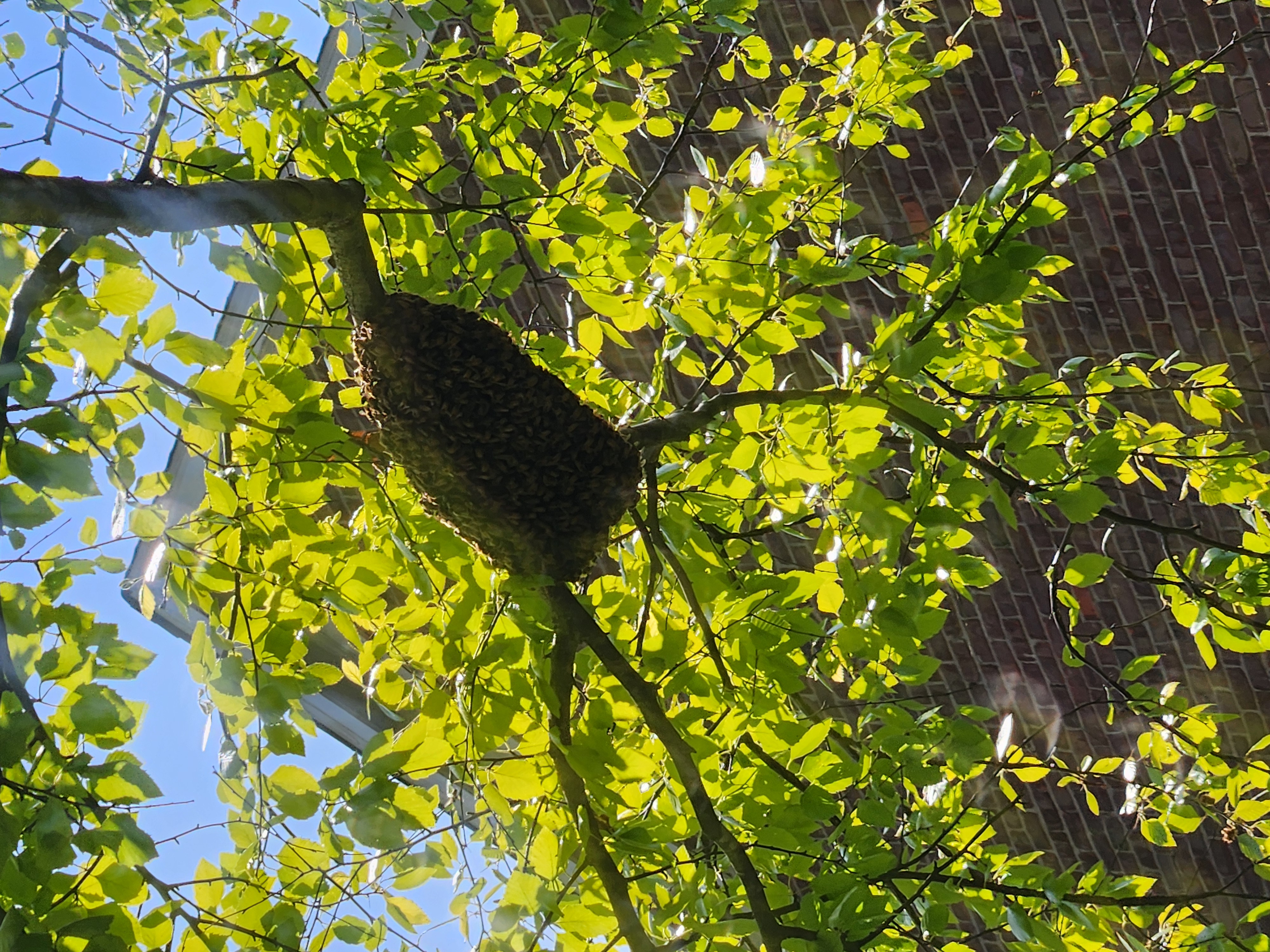
- Height: How high off the ground are the bees? This helps the beekeeper determine if a ladder or specialized equipment is necessary.
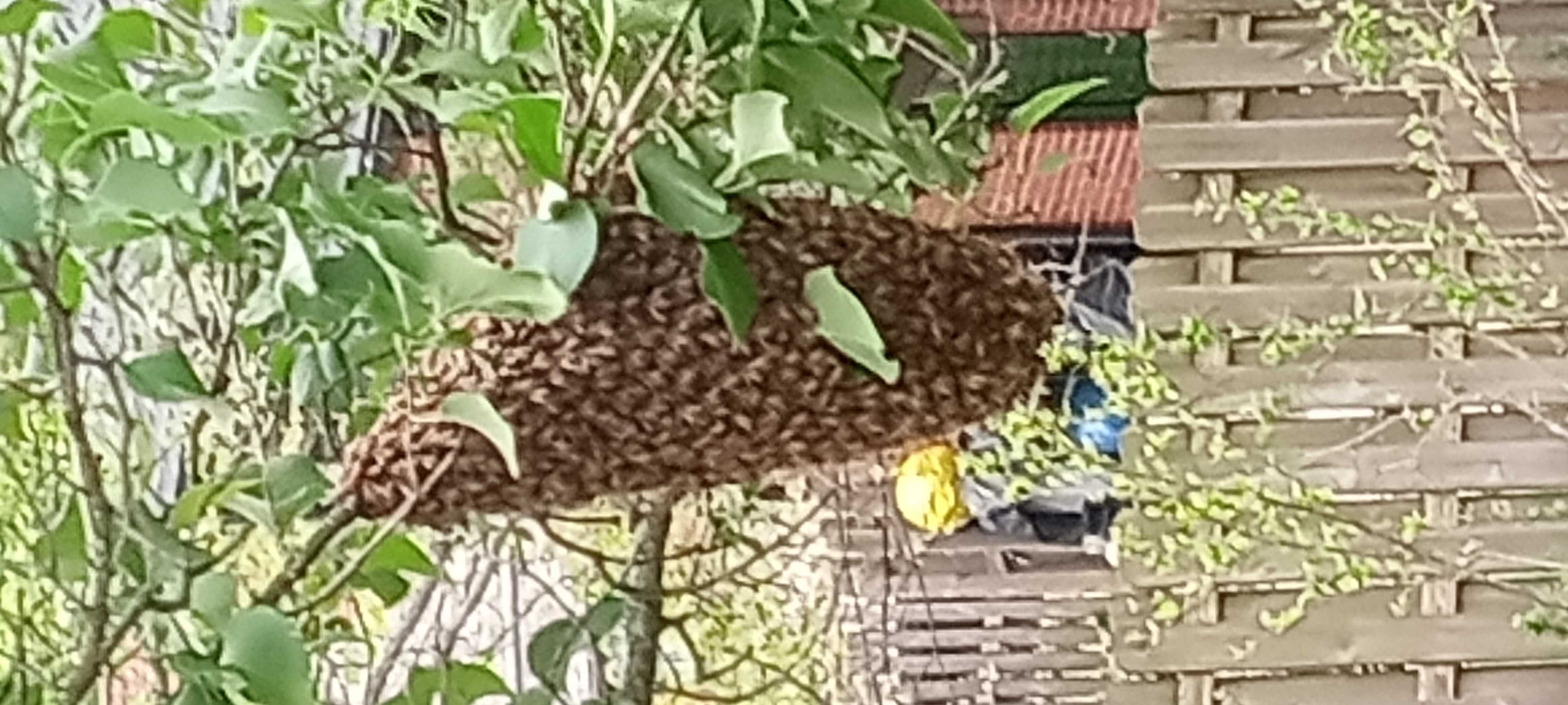
- Size: Can you describe the size of the cluster? (e.g., the size of a football or a basketball).
- Duration: How long have the bees been in that spot?
This information is crucial for the beekeeper to prepare for a safe and efficient relocation of the honey bee colony. Response times can vary based on beekeeper availability and the volume of reports, but during the peak spring season, responses are generally prompt.
Swarm vs. Established Colony: A Critical Distinction
One of the most important factors a beekeeper will assess is whether they are dealing with a swarm or an established colony. The difference determines the approach, complexity, and cost of the removal.
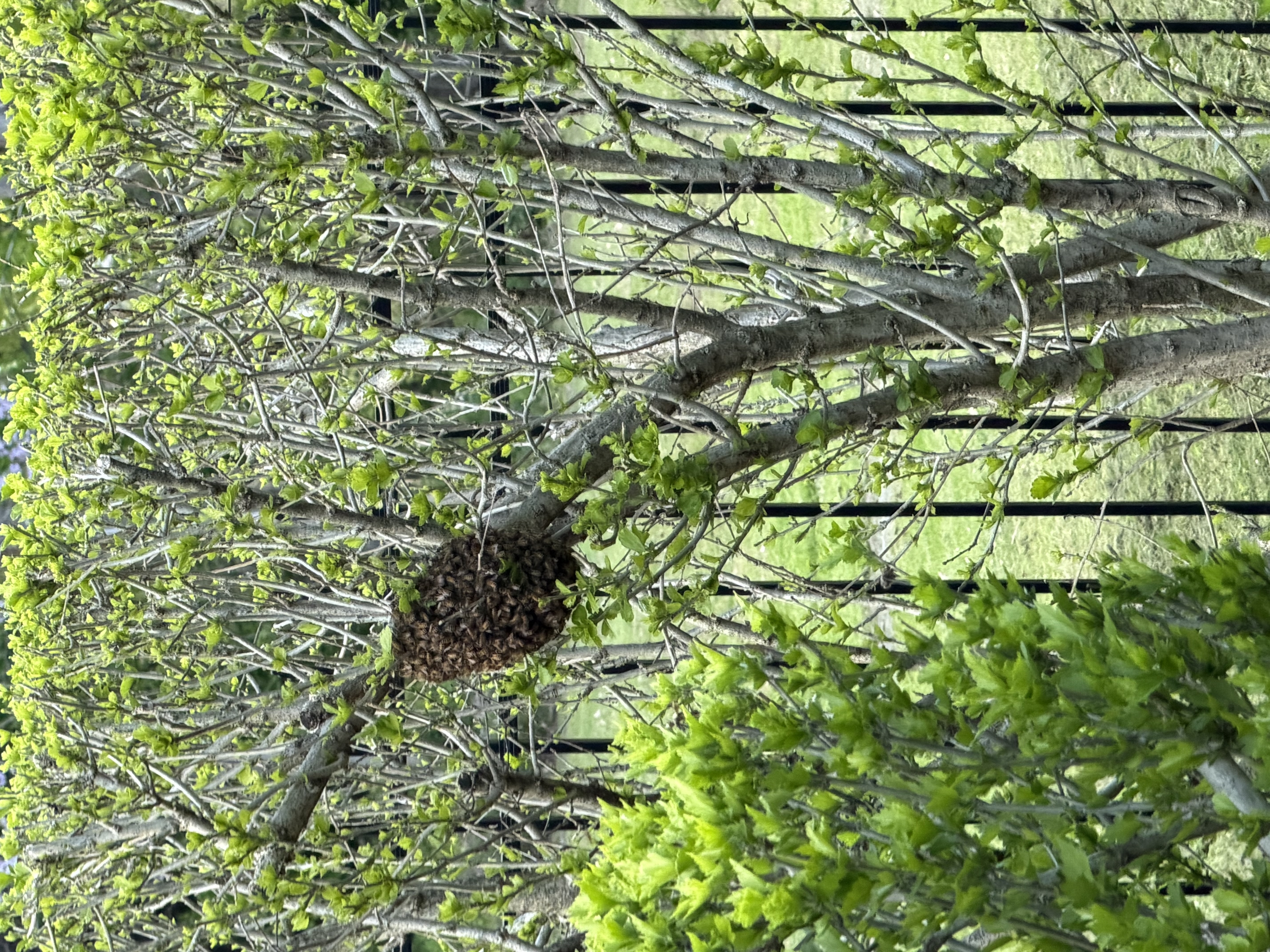
- A Honey Bee Swarm: This is a temporary cluster of bees, including a queen, that has left its original hive to find a new home. They often rest on branches or other surfaces for a few hours to a few days. In this state, bees are typically docile because they are engorged with honey for the journey and have no brood or home to defend. The collection of a swarm is a relatively straightforward process for a beekeeper and is normally provided as a free service.
- An Established Colony: If the bees have already moved into a structure—such as inside a wall, a roof, or a hollow tree—they are no longer a swarm. They have begun building wax comb, raising young (brood), and storing honey. This is their permanent home, and they will be defensive of it. Removing an established colony is a complex and labor-intensive process known as a "cutout." It often requires carpentry skills and structural repairs. Because of this, a cutout is a paid service, and the beekeeper will provide a fair quote based on the complexity, time, and materials required.
A Special Consideration for South Carolina Residents
While the definitions above hold true, beekeepers in South Carolina may approach a situation with specific safety protocols. The on-site assessment by the responding beekeeper is the definitive evaluation of the situation. Upon arrival, the beekeeper will observe the bees' behavior and their location to confirm whether it is a simple swarm collection or a more complex removal.
In some instances, even if the bees appear to be a swarm, the beekeeper might identify factors that increase the risk or difficulty of the collection. These could include a precarious location, extreme height, or bees exhibiting unusually defensive behavior. In such cases, the beekeeper might provide a quote for their service to account for the specialized equipment, time, and potential risks involved. This is a professional assessment to ensure a safe outcome for both the public and the bees. You always have the option to accept or decline any quote provided.
The Role of Community in Protecting Honey Bees
By reporting a swarm, you become part of a larger effort to protect vital pollinators. Public vigilance is essential for the survival and health of local honey bee populations. The collective impact is substantial; in a single season, a state like Nevada can see over 100 swarm reports through the Swarmed network, each one representing a colony given a chance to thrive under the care of a beekeeper.
Your report not only helps the bees but also supports local South Carolina beekeepers by helping them maintain healthy and productive apiaries. These beekeepers, in turn, support local agriculture and ecosystems through pollination.
If you see a honey bee swarm, the best action you can take is to observe from a safe distance and report it. Visit Swarmed (opens in a new tab) to alert local beekeepers and play a vital role in protecting these essential pollinators for our communities in Charleston, Columbia, and Greenville.