You Spotted a Swarm in Rhode Island — Thank You for Reporting It
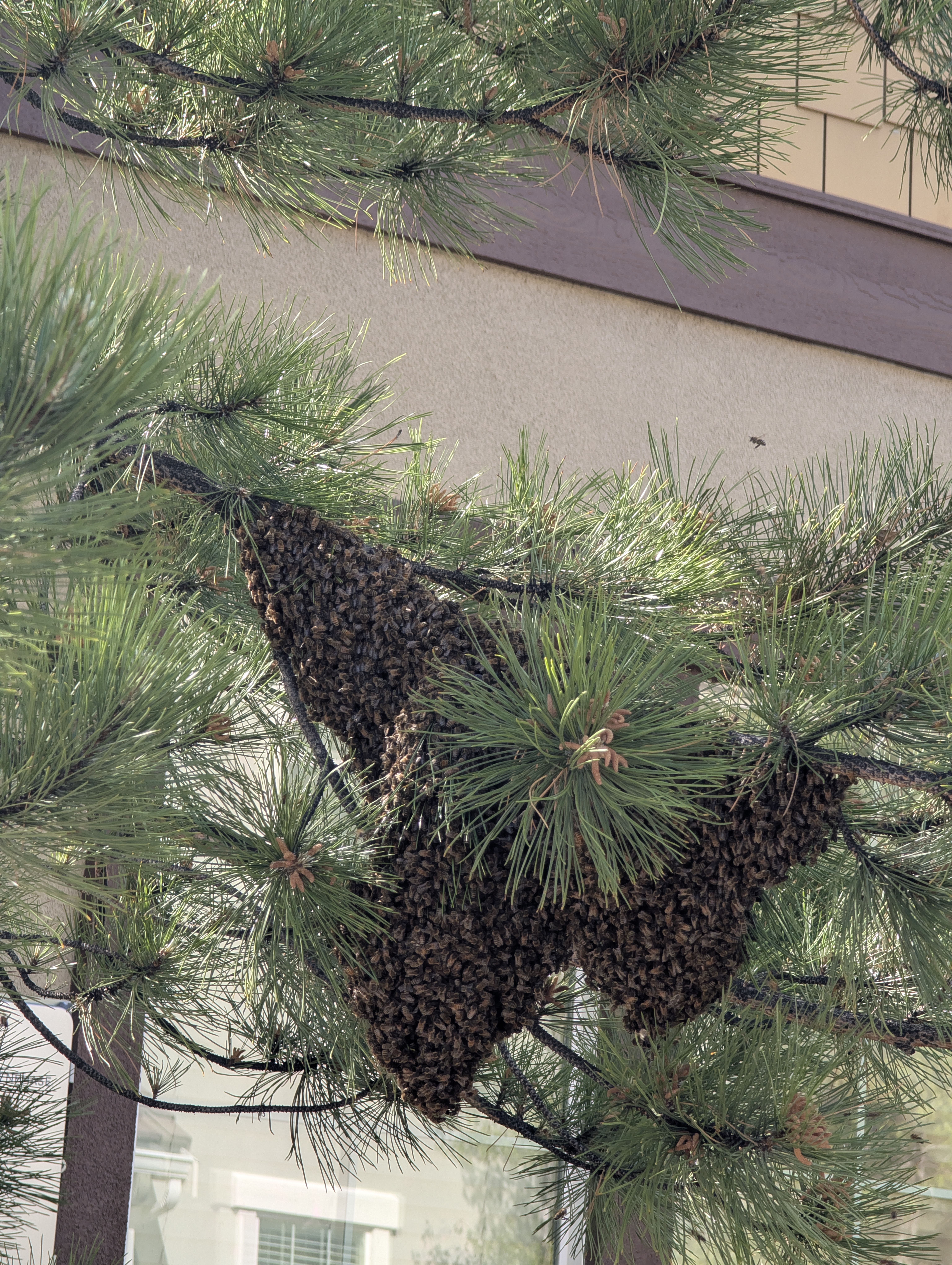
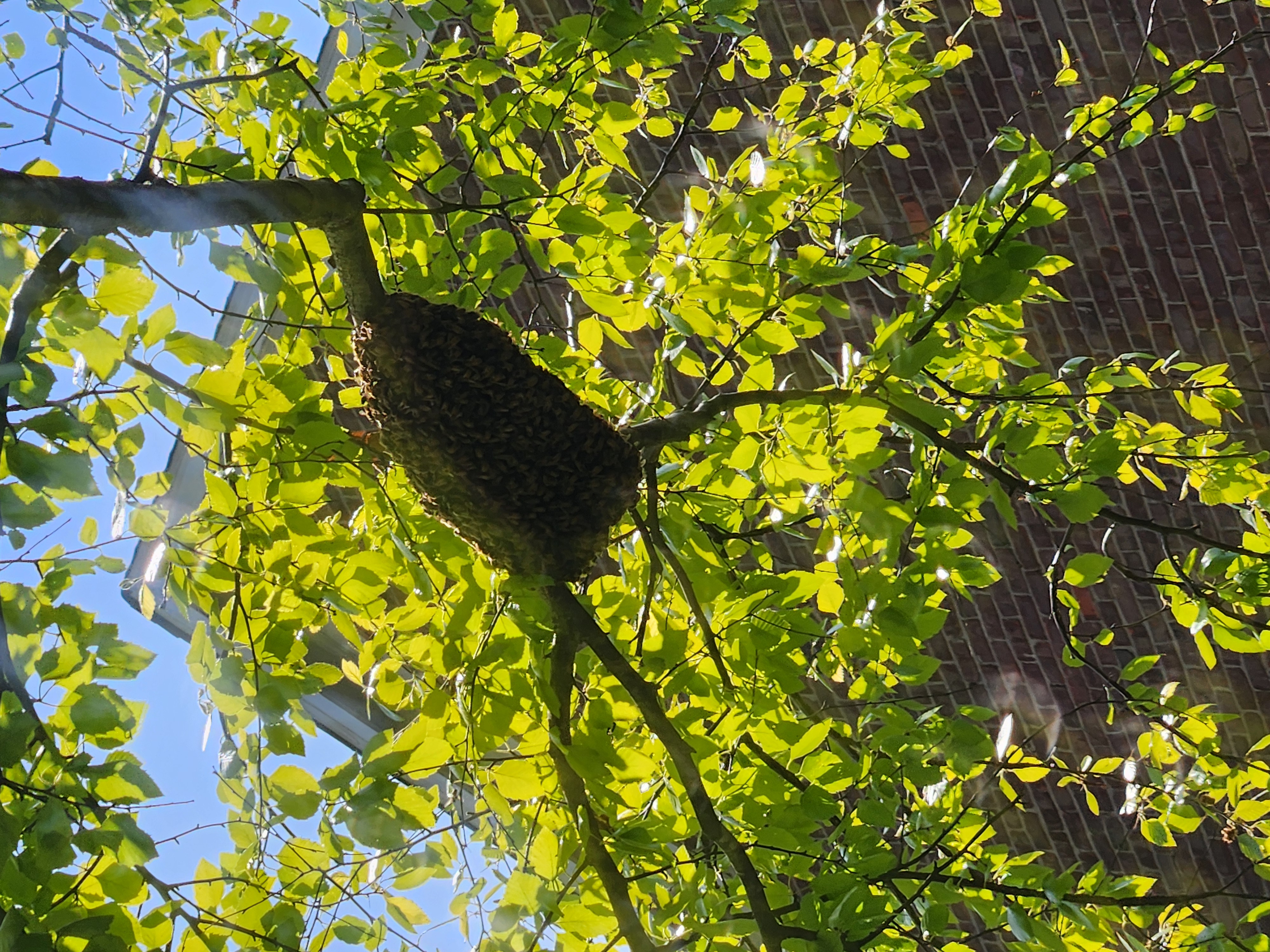
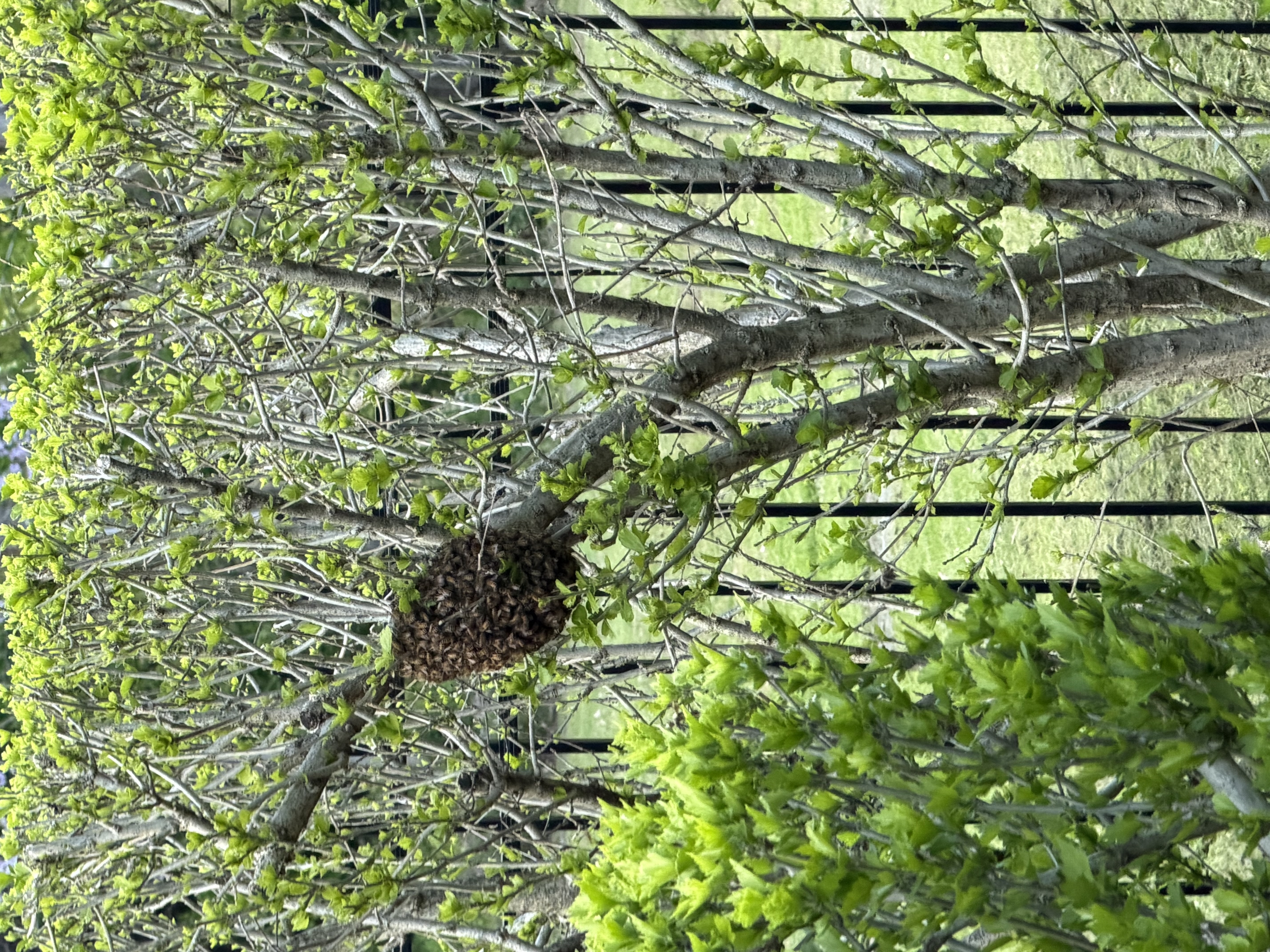
Spring in Rhode Island brings blooming flowers and the familiar, welcome hum of honey bees. Occasionally, you might witness one of nature's most fascinating spectacles: a honey bee swarm. Seeing a large cluster of thousands of bees on a tree branch or fence post in Providence, Warwick, or Newport can be startling. If you've already taken the crucial step to report it, you have done a great service for the bees and your community.
This guide explains what happens after you've submitted your report and clarifies what to expect from the local beekeepers who volunteer to help.
How Your Report Activates a Local Beekeeper
Once you submit a report through the Swarmed platform, our system instantly sends an alert to registered beekeepers in your specific area. A report of a swarm in Warwick notifies beekeepers there, while a report in Newport alerts beekeepers on Aquidneck Island. This targeted system ensures a rapid response from someone who is close by and available.
These beekeepers are passionate individuals dedicated to the welfare of honey bees. They volunteer their time and expertise to provide these pollinators with a safe, managed home where they can thrive. You can expect to receive an email notification as soon as a beekeeper has claimed your swarm report. They will then contact you directly by phone or text to coordinate a time for the collection.
The Critical Difference: A Swarm vs. an Established Hive
Understanding the situation you are observing is key to setting the right expectations. There is a fundamental difference between a temporary swarm and a permanently established honey bee hive, and this distinction determines the type of service required.
What is a Swarm?
- A Temporary Cluster: A swarm is a large group of bees, including a queen, that has left its original hive to find a new home. They cluster together on a branch, fence, or other object while scout bees search for a suitable permanent location. This is a natural part of the honey bee life cycle.
- Docile Behavior: Bees in a swarm are typically docile. They have filled up on honey before leaving their old hive and have no home, brood, or food stores to defend. Their primary focus is finding a new nesting site.
- A Short-Term Stay: A swarm will usually only remain in one spot for 24 to 72 hours before moving on.
Collection of a swarm is almost always a free service. Beekeepers are eager to capture swarms because they represent a healthy, established colony that can be used to start a new apiary or strengthen an existing one. By reporting a swarm, you are providing a local beekeeper with a valuable resource.
What is an Established Hive?
- A Permanent Residence: If you see bees flying in and out of a specific opening—such as a hole in a wall, a roof soffit, a shed, or a hollow tree—they have likely moved past the swarming phase. They have established a permanent home, built wax comb, and are raising their young (brood).
- Defensive Behavior: Unlike a swarm, an established colony will defend its home. The bees have invested significant energy in building comb and storing resources, and they will protect it.
- Requires Specialized Removal: This is no longer a simple collection; it is a structural removal, often called a "cutout."
Understanding the Cost: Free Collection vs. Paid Cutouts
After reporting bees in Providence or a nearby city, the responding beekeeper will help you assess the situation. The key takeaway is simple: rescuing a swarm is free, but removing an established hive is a paid professional service.
A "cutout" involves much more than just gathering bees. It often requires carpentry skills and specialized equipment to carefully open the structure (like a wall or roof) to access and remove the entire colony, including the bees, comb, and honey. The area must then be properly cleaned and sealed to prevent future bees from being attracted to the site. This is labor-intensive work that can take several hours.
If the beekeeper determines you have an established hive, they will provide a fair quote based on the complexity, location, and time required for the removal. You have the right to accept or decline this quote. This process ensures that homeowners understand the scope of the work involved in a complex bee removal.
Your Report Protects Honey Bees and Supports Community Beekeepers
By taking the time to report a swarm, you are playing a vital role in honey bee conservation in Rhode Island. Instead of moving into an inconvenient or unsafe location, the colony is given a chance to thrive under the care of a knowledgeable beekeeper. Across the country, this simple act makes a huge impact. In one state alone last year, citizen reports led to the rescue of over 102 swarms, giving them a new chance in a managed apiary.
Your action directly supports the local beekeepers who are essential stewards of these crucial pollinators, which our local agriculture depends on.
If you see a honey bee swarm, please do not call an exterminator. A local beekeeper is almost always ready and willing to help. Reporting is fast, easy, and the most responsible way to handle the situation. Your attentiveness helps protect honey bee populations and strengthens our local ecosystem.
Help save a colony and support a local Rhode Island beekeeper by filing a free report at Report a Bee Swarm (opens in a new tab).