
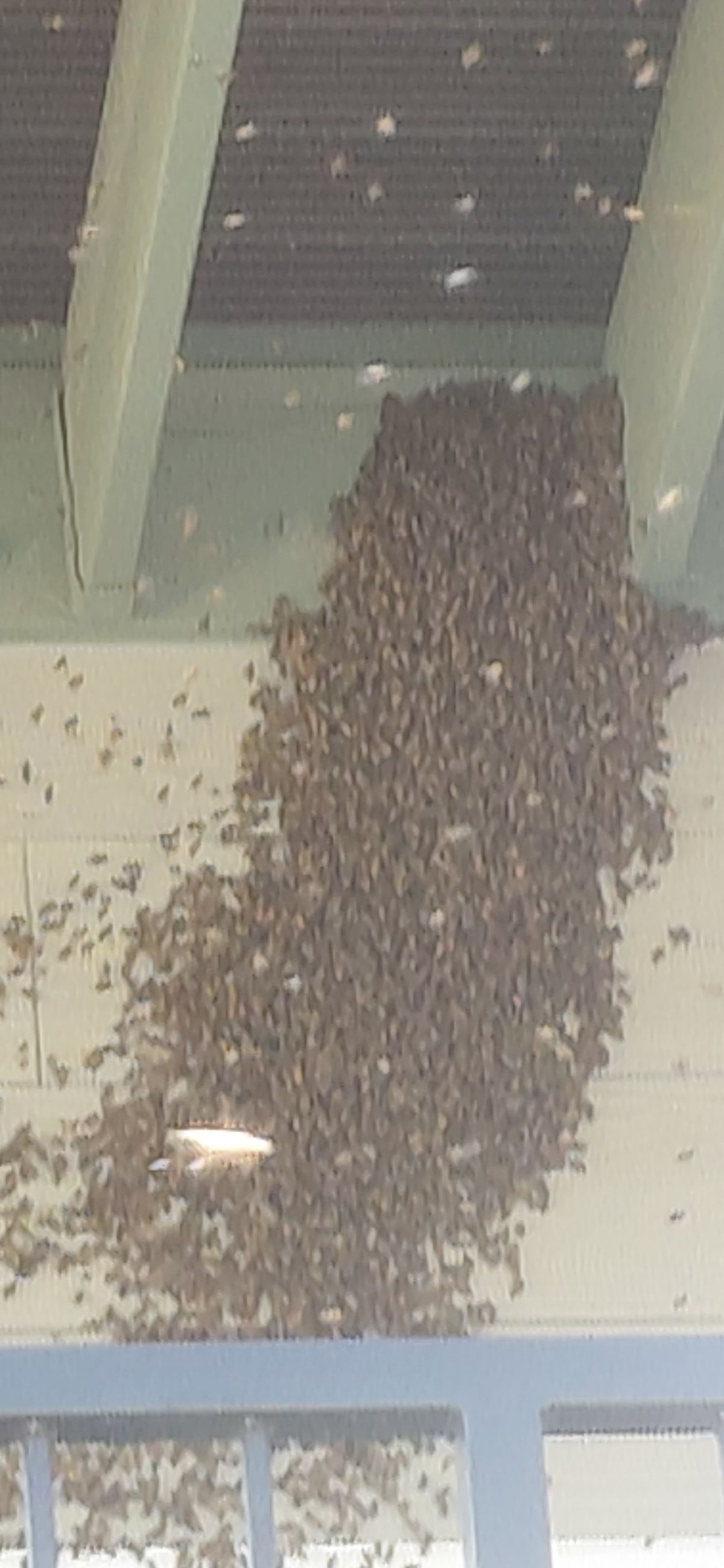
A Beekeeper's Guide to Swarm Season in California
California's Golden Opportunity: Harnessing the Spring Swarm For beekeepers across California, the arrival of spring signals more than just almond blossoms and wildflo...
Read More...May 18, 2026
Home > Blog > Reported a Bee Swarm in Oklahoma? What Happens Next
May 12, 2026
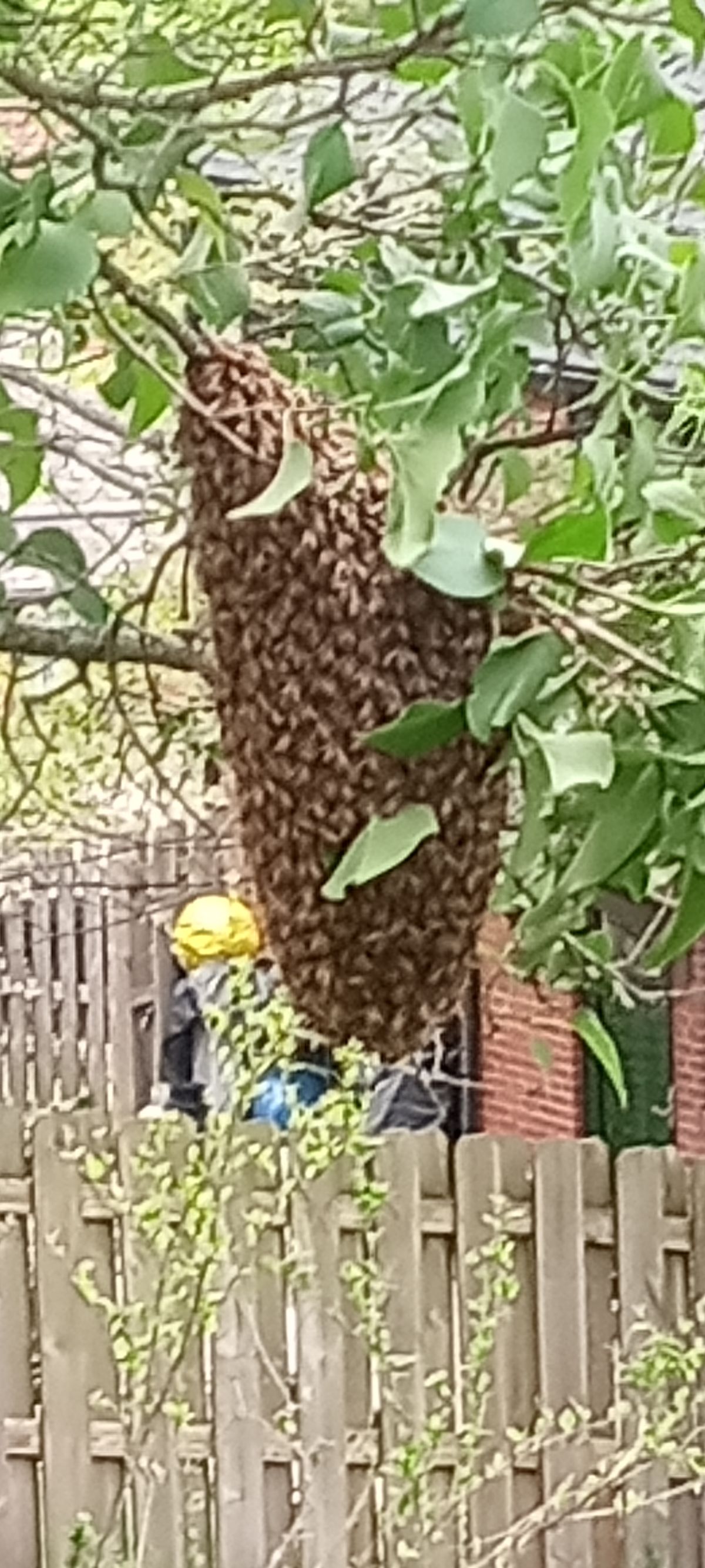
Spotting a large, buzzing cluster of honey bees on a tree branch or fence post is a common sight across Oklahoma during the spring. From Oklahoma City to Tulsa and Norman, this natural process, called swarming, is how honey bees reproduce. If you've taken the important step of reporting a swarm, you've already made a positive impact on your community and the well-being of these essential pollinators. This guide explains what happens next.
Once you submit a report through the Swarmed platform, our system immediately goes to work. An automated alert containing the location and details you provided is sent to a network of registered, local beekeepers in your specific area. These are hobbyists and professionals who are prepared and equipped to safely rescue honey bee swarms.
You won't be left in the dark. The Swarmed system is designed to keep you informed. You will receive a series of email updates about the status of your report, including:
This communication loop ensures you know that help is on the way and when the situation has been resolved.
To understand what to expect from the responding beekeeper, it’s important to know the difference between a swarm and an established hive. This distinction is the primary factor in determining whether the removal will be free or require a fee.
Beekeeping in Oklahoma presents unique challenges. The state has a notable population of overly defensive honey bees, sometimes referred to as Africanized bees. While they are still valuable pollinators, their defensive nature means they are more likely to sting in large numbers when they feel their colony is threatened. This elevates the risk for everyone in the vicinity, including the beekeeper performing the removal.
Because of this increased risk, an Oklahoma beekeeper may provide a quote for their services even for what appears to be a simple swarm collection. Their expertise, specialized equipment, and the potential danger involved necessitate a professional approach. This fee covers their time, travel, and the significant risks they undertake to safely manage these bees.
It is critical to distinguish this from a cutout. A cutout always costs money. This is specialized work that may involve carpentry skills to open a wall or roof, carefully remove all the comb, bees, and honey, and then perform necessary repairs. When a beekeeper provides a quote for a cutout, it reflects the hours of labor-intensive work required.
When a beekeeper from the Swarmed network contacts you after claiming your report, they will typically ask a few questions to assess the situation. They need to determine if it is a swarm or an established colony, how accessible it is, and the general temperament of the bees.
If the job requires a fee—either because it's a high-risk swarm or a complex cutout—the beekeeper will provide you with a fair quote. You have the right to accept or decline it. This interaction is a standard business practice for a skilled service. Reporting the bees through Swarmed remains a free and valuable community service; the potential cost is for the professional, on-site removal work.
Your single action of reporting a swarm has a ripple effect. You are helping to protect honey bees by ensuring they are moved to a safe, managed apiary where they can thrive. You are also protecting your neighbors by preventing the bees from establishing a colony in an undesirable location.
Furthermore, you support local Oklahoma beekeepers who are passionate about their craft. Community reporting is the backbone of bee rescue efforts. The impact is significant; for example, in Nevada, just a handful of engaged citizens helped the Swarmed network manage over 102 swarm reports, proving that a small number of people can make a huge difference.
While you wait for the beekeeper to arrive, safety is the top priority.
By reporting a honey bee swarm, you become a crucial part of a statewide effort to protect pollinators and support local agriculture. It's a simple act with a powerful, positive outcome for bees and people alike.
If you see a honey bee swarm, you can play a vital role in protecting these essential pollinators and supporting your local beekeeping community. Report the swarm safely and quickly through our platform at https://beeswarmed.org/report-bee-colony (opens in a new tab).
California's Golden Opportunity: Harnessing the Spring Swarm For beekeepers across California, the arrival of spring signals more than just almond blossoms and wildflo...
Read More...May 18, 2026
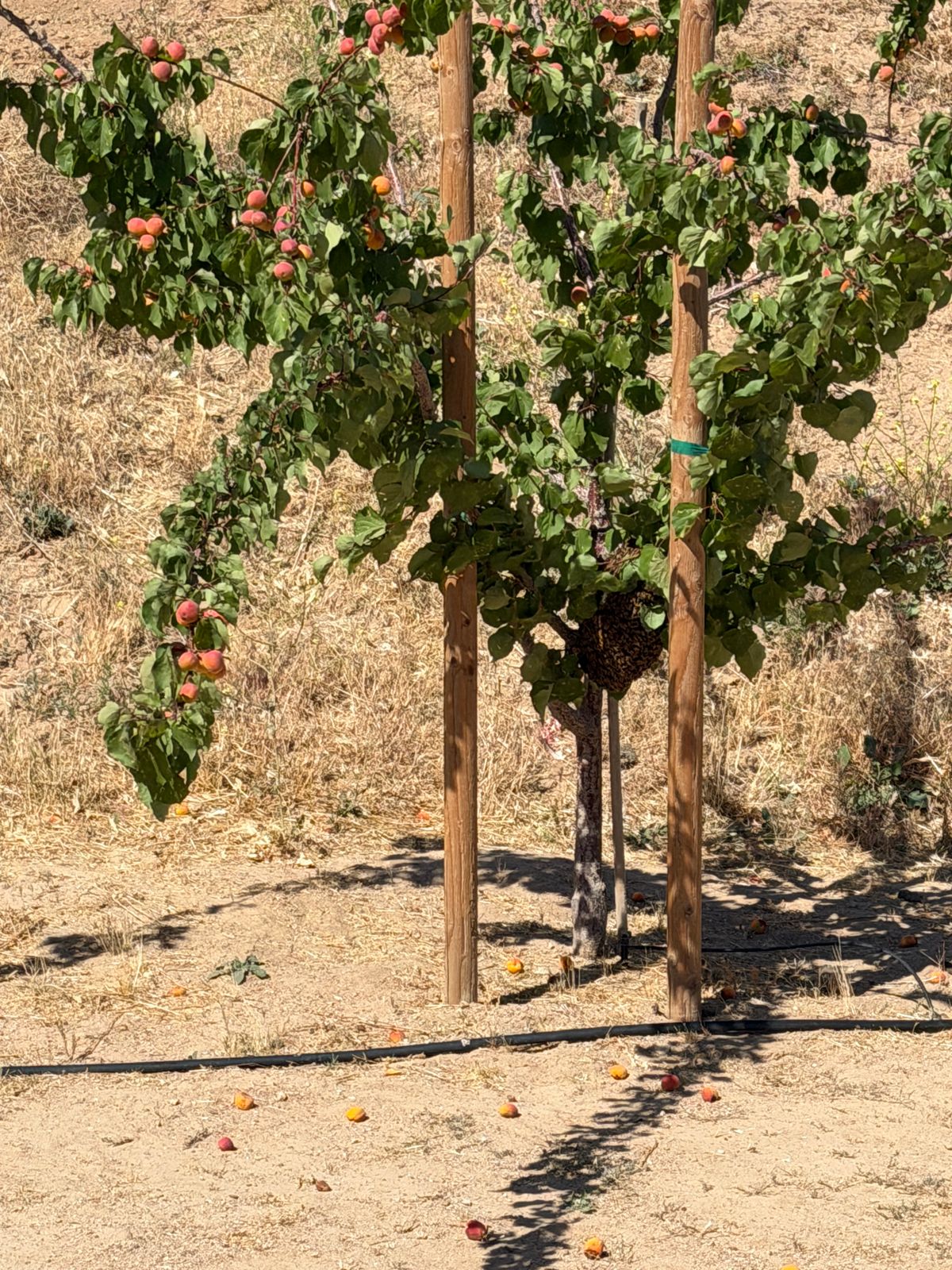
A Beekeeper's Guide to Swarm Collection in Idaho Spring has arrived in the Gem State, and with it, the unmistakable hum of honey bee swarms. For beekeepers, this is a...
Read More...May 18, 2026